





menu

Tile Roofing Services in Boston | Expert Clay and Concrete Tile Installation Built for New England Freeze-Thaw Cycles

Silverline Roofing Boston delivers professional tile roofing installation, repair, and replacement engineered to survive Boston's brutal winters, coastal humidity, and temperature swings that destroy improperly installed tile systems.

Slider Image 1
Slider Image 2
Slider Image 3
Slider Image 4
Slider Image 5
Slider Image 7
Slider Image 8
Slider Image 9
Slider Image 10
Slider Image 11

Why Tile Roofs Fail Faster in Boston Without Local Expertise

Boston's freeze-thaw cycles destroy more tile roofs than any other single factor. Water seeps into micro-cracks in clay or concrete tiles during the day, freezes overnight, and expands. This relentless process shatters tiles, cracks mortar beds, and compromises underlayment in just a few seasons if the installation lacks proper waterproofing and ventilation design.

Most tile roofing contractors fail because they use installation methods designed for dry climates like Arizona or California. They skip critical steps like ice and water shield application under the eaves, proper batten spacing for ventilation, and mechanical fastening systems that account for Boston's wind loads off the Harbor. When tiles lift during nor'easters or crack during January cold snaps, homeowners face thousands in emergency tile roof repair costs.

Boston's Historic Districts in Beacon Hill and Back Bay require tile roofing companies to navigate strict preservation guidelines while meeting modern building codes. You cannot just slap Spanish barrel tiles on a Victorian brownstone and call it done. The substrate preparation, flashing details around chimneys and dormers, and compatibility with existing masonry walls require tile roof installation experience specific to New England architecture.

Coastal salt air accelerates corrosion of metal flashings and fasteners. Budget tile roof replacement projects using standard galvanized nails fail within five years. You need stainless steel or copper fasteners, properly sealed penetrations, and underlayment rated for high humidity environments. Generic tile roofing services do not account for these local conditions.

Why Tile Roofs Fail Faster in Boston Without Local Expertise
How Professional Tile Roof Installation Protects Against Boston Weather

How Professional Tile Roof Installation Protects Against Boston Weather

Silverline Roofing Boston uses a substrate preparation process designed for freeze-thaw resistance. We install double-layer synthetic underlayment with sealed seams, not the single-ply felt most tile roofing contractors use. This creates a waterproof membrane that functions even if tiles crack or shift during winter expansion cycles.

Our mechanical fastening system uses hurricane clips and stainless steel fasteners rated for 130 mph winds. Every tile gets individually secured, not just every third or fourth tile like standard practice in warm climates. This prevents wind-driven tile blow-off during coastal storms that regularly hit the Boston metro with 60 to 80 mph gusts.

We design batten systems with ventilation gaps calculated for Boston's humidity levels. Trapped moisture under tiles causes rot in the roof deck and premature tile failure. Proper airflow channels allow moisture to escape while maintaining the thermal barrier tiles provide. This extends tile roof lifespan by decades compared to installations without climate-specific ventilation engineering.

Flashing integration separates amateur tile roofing companies from professionals. We use soldered copper or stainless steel step flashing at every wall intersection, custom pan flashings in valleys, and head-wall diverters that channel water away from vulnerable penetrations. These details prevent the ice dam leaks that plague poorly flashed tile roofs in New England winters.

Our tile roof repair methodology addresses the root cause, not just the visible damage. A cracked tile often signals underlayment failure or deck movement. We perform thermal imaging to detect moisture intrusion, then execute repairs that restore the entire roofing assembly, not just swap out broken tiles.

What Happens During Your Tile Roof Project

Tile Roofing Services in Boston | Expert Clay and Concrete Tile Installation Built for New England Freeze-Thaw Cycles
01

Structural Assessment and Planning

We calculate your roof deck's load capacity before specifying tile type. Concrete tiles weigh 900 to 1,100 pounds per square. Clay tiles run 600 to 800 pounds per square. Most Boston homes built before 1950 need structural reinforcement to support tile weight safely. We provide engineered solutions that meet Massachusetts building code requirements and work within your budget.
02

Substrate Preparation and Waterproofing

We install ice and water shield across the entire roof deck in high-risk areas, not just the code-required three-foot eave coverage. Synthetic underlayment with sealed seams goes down next, creating a redundant waterproof barrier. Batten strips get fastened through to rafters at engineered spacing intervals. This substrate system handles Boston's weather extremes that standard felt and skip-sheathing cannot survive.
03

Tile Installation and Quality Control

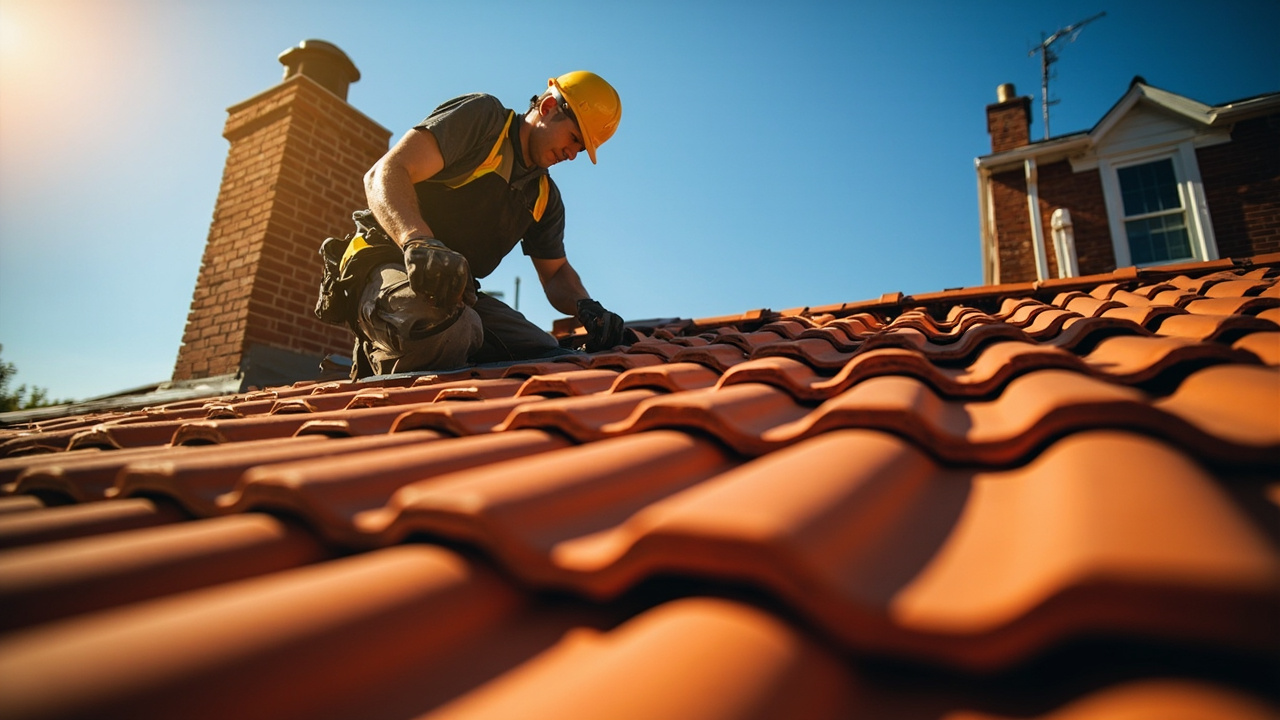
Each tile gets mechanically fastened with stainless steel screws or hurricane clips. We install custom-fabricated flashings at all transitions and penetrations. Ridge caps receive mortar bedding with flexible sealants that accommodate thermal movement. Our final inspection uses moisture meters and thermal imaging to verify waterproof integrity before we consider the tile roof installation complete. You get documentation of all materials and installation specs for future reference.

Why Boston Properties Need Local Tile Roofing Expertise

Tile roof replacement in Boston requires knowledge of local architectural styles and preservation requirements. South End brownstones need different tile profiles than Cambridge Colonials or Dorchester triple-deckers. We source tiles that match historic aesthetics while meeting modern wind and fire ratings required by Massachusetts building code.

Our tile roofing contractors understand Boston's permitting process. Historic District Commission approval, wetland setback compliance for properties near the Charles River or coastal zones, and coordination with neighborhood associations all add complexity that out-of-state tile roofing companies miss. We handle the paperwork and inspection scheduling so your project stays on track.

We stock emergency repair materials for Boston's common tile types. When a winter storm cracks tiles or a fallen branch punches through your roof, you cannot wait three weeks for specialty tiles to ship from the manufacturer. Our local inventory means same-day or next-day tile roof repair service that stops water damage before it destroys ceilings and insulation.

Silverline Roofing Boston has relationships with local masonry contractors, structural engineers, and historic preservation consultants. Complex tile roofing projects often need chimney repairs, parapet rebuilding, or engineering letters for structural modifications. We coordinate these services seamlessly instead of forcing you to manage multiple contractors.

Our familiarity with Boston's microclimates matters. Properties in Charlestown face different salt exposure than homes in Newton. Roofs near the Harbor need corrosion-resistant materials. Properties under heavy tree canopy in Brookline need algae-resistant treatments. We customize tile roofing services based on your specific location and exposure conditions.

What to Expect From Your Tile Roofing Project

Project Timeline and Scheduling

Most tile roof installation projects take two to four weeks from permit approval to final inspection. Weather delays extend timelines during winter months. We provide realistic schedules based on your roof's complexity, required structural work, and current permitting backlogs. Emergency tile roof repair happens within 24 to 48 hours for active leaks. We protect your interior with tarps and temporary waterproofing while we order matching tiles and schedule permanent repairs. Routine maintenance and minor repairs typically complete in one to two days.

Initial Inspection and Estimate Process

We start with a detailed roof inspection using drones for aerial documentation and moisture meters to detect hidden water damage. You receive a written report with photos showing current conditions, problem areas, and recommended solutions. Our estimates break down material costs, labor, structural modifications, and permit fees separately. We explain tile options including clay versus concrete, profile styles, color choices, and how each affects performance and cost. You get multiple scenarios so you can make informed decisions based on your budget and long-term goals.

Quality Standards and Final Delivery

Your completed tile roof meets or exceeds Class A fire rating and wind resistance standards for coastal New England. We provide thermal imaging verification showing no heat loss or moisture intrusion. All flashing integrations get photographed and documented. You receive material certifications, manufacturer installation compliance letters, and warranty registration. We walk the completed roof with you, explaining maintenance requirements and what to watch for during seasonal inspections. Your property gets returned to clean condition with zero debris or damage to landscaping.

Ongoing Maintenance and Support

Tile roofs need annual inspections to catch small problems before they become expensive failures. We offer maintenance plans that include spring and fall inspections, minor repairs, valley cleaning, and flashing checks. You get priority scheduling and discounted rates on any needed work. We keep detailed service records for your property, tracking tile condition, previous repairs, and replacement timelines. This documentation proves valuable for insurance claims and property sales. Our maintenance customers receive 24-hour emergency response for storm damage.

Frequently Asked Questions

You Have Questions,
We Have Answers

How much does it cost to do a tile roof? +

Tile roof installation costs vary based on material type, roof complexity, and structural reinforcement needs. Clay tiles typically cost more than concrete. In Boston, older homes may require additional underlayment or deck reinforcement to handle tile weight, which adds to the project total. Steep pitches common in Historic Districts increase labor costs. Removal of existing materials, flashing replacement around chimneys, and ice dam protection also factor in. Cost depends on square footage, tile selection, and whether your roof structure can support the load without modification. Get a structural assessment first.

How much does it cost to get a roof tiled? +

Tile roof costs depend on material choice, roof size, and structural considerations. Boston's freeze-thaw cycles demand quality underlayment and proper installation to prevent ice damage. Clay tiles cost more than concrete but last longer. Your roof deck may need reinforcement to support tile weight, especially in older Triple-Deckers or Victorian homes. Labor costs reflect steep pitches and Boston's higher wage market. Flashing around dormers and chimneys adds complexity. Removal of old shingles, permits, and waste disposal also contribute. Every roof has unique factors that affect final pricing.

How much should a 2000 sq ft roof cost? +

A 2000 square foot roof cost depends on material, pitch, and existing conditions. Tile roofing requires structural evaluation first, especially in Boston's older housing stock. Your home may need deck reinforcement or additional support framing. Steep roofs common in neighborhoods like Back Bay or Beacon Hill increase labor time. Tile material, underlayment quality, and flashing replacement all affect price. Removal of existing materials and disposal add cost. Boston building codes require specific ice and water barriers. Request a detailed estimate that includes structural assessment and material specifications.

How much does it cost to roof a 20x20 garage? +

A 20x20 garage roof equals roughly 400 square feet. Tile installation costs depend on whether your garage structure can support the weight. Many detached garages in Boston have lighter framing that needs reinforcement before tile installation. Concrete tiles weigh less than clay but still require proper support. Labor costs reflect pitch and access. You pay for materials, underlayment, flashing, removal of old roofing, and disposal. Simple gable roofs cost less than complex hip designs. A structural evaluation determines if reinforcement is necessary before you commit to tile.

How much does it cost to install 1000 sq ft of tile? +

Installing 1000 square feet of tile depends on material choice, roof complexity, and structural readiness. Boston's climate requires quality underlayment rated for freeze-thaw cycles and ice dam prevention. Clay tiles cost more than concrete but offer better longevity. Your roof deck may need reinforcement to handle tile weight, especially on older homes. Labor reflects pitch steepness and access difficulty. Flashing, valley metal, and ridge caps add to material costs. Waste factor increases on complex roofs with dormers or multiple planes. Get a detailed breakdown that separates materials, labor, and structural modifications.

What are the disadvantages of tile roofs? +

Tile roofs are heavy and require structural reinforcement on many Boston homes, especially older builds. Installation costs exceed asphalt shingles significantly. Tiles can crack under impact from falling branches, common during nor'easters. Walking on tile requires care to avoid breakage during maintenance. Boston's freeze-thaw cycles can cause moisture infiltration if underlayment fails. Repairs cost more because individual tiles must match existing color and profile. Steep pitches make future maintenance expensive. Despite durability, upfront cost and structural requirements deter many homeowners. Weight limits tile use on structures not engineered for heavy roofing.

How many years will a tile roof last? +

Clay tile roofs last 50 to 100 years in Boston's climate when installed properly. Concrete tiles last 40 to 60 years. Longevity depends on underlayment quality, flashing maintenance, and installation workmanship. Boston's freeze-thaw cycles stress tiles less than the underlayment, which may need replacement before tiles fail. Coastal areas face salt air exposure that can degrade concrete tiles faster. Clay resists weathering better but costs more upfront. Valleys and flashings require inspection every 15 to 20 years. Proper attic ventilation prevents moisture buildup that shortens underlayment life. Tile outlasts most other roofing materials significantly.

Do tile roofs increase home value? +

Tile roofs increase home value in Boston's competitive market. Buyers recognize tile longevity, low maintenance, and curb appeal, especially in Historic Districts where architectural character matters. Tile suits Colonial, Mediterranean, and Spanish Revival styles common in neighborhoods like Jamaica Plain. Energy efficiency appeals to eco-conscious buyers because tile provides natural ventilation and insulation. Tile roofs signal quality construction and reduced replacement frequency. Appraisers factor in remaining lifespan compared to asphalt shingles. In higher-end markets, tile roofing differentiates your property. Return on investment depends on neighborhood expectations and buyer preferences for durability over initial cost.

What is the most expensive part of replacing a roof? +

Roof decking replacement is often the most expensive part of a roof project. In Boston, older homes frequently have rotted or sagging decking from ice dam damage and poor ventilation. Structural reinforcement to support tile weight adds major cost. Tearing off multiple layers of old roofing increases labor and disposal fees. Flashing replacement around chimneys, skylights, and dormers requires skilled labor and custom metal work. On complex roofs, labor costs exceed materials because Boston's steep pitches and architectural details demand time. Structural issues discovered during tearoff can escalate costs quickly. Always budget for decking repairs.

What time of year is the cheapest to replace a roof? +

Late fall and winter offer the cheapest roof replacement rates in Boston because demand drops. Contractors discount prices to keep crews working during slower months. You risk weather delays and longer project timelines, but savings can be significant. Spring and summer see peak demand and higher prices. Avoid winter work if your roof has structural issues that expose the interior to weather. For tile roofing, late fall works well because installation does not require high temperatures like some materials. Book early in fall to secure lower rates before winter weather makes work impractical.

Why Boston's Coastal Climate Demands Specialized Tile Roofing Installation

Boston sits at the convergence of three weather systems: Arctic air from Canada, warm Gulf Stream moisture, and Atlantic coastal storms. This creates temperature swings of 40 to 50 degrees within 24 hours during spring and fall. Tile roofing materials expand and contract with these temperature changes. Installations without proper expansion joints, flexible sealants, and engineered fastening systems develop cracks and leaks within the first year. The salt-laden humidity off Boston Harbor corrodes standard galvanized fasteners and metal flashings in just a few seasons, causing tiles to slip or blow off during wind events.

Massachusetts building code requires specific wind load calculations for roof assemblies within three miles of the coast. Most of Boston falls into this high-wind zone. Tile roofing contractors without local experience use fastening patterns designed for inland climates with lower wind requirements. These installations fail inspection or worse, fail catastrophically during nor'easters. Silverline Roofing Boston maintains relationships with local building inspectors and understands the documentation requirements for permit approval. We engineer tile roof systems that pass inspection the first time and protect your property for decades.

Roofing Services in The Boston Area

We are proud to be a locally rooted business serving the entire Greater Boston area, from the North End to the South Shore, and all surrounding communities. Our centrally located office ensures we can rapidly deploy our expert crews for everything from routine repairs in Cambridge to full installations in Quincy. Use the interactive map below to see our main location and confirm that your property is within our primary service area. We look forward to connecting with you soon for your next reliable roofing project!

Address:
Silverline Roofing Boston, 100 Cambridge St, Boston, MA, 02114

Additional Services We Offer

Our news updates

Latest Articles & News from The Blogs

Why your manufacturer warranty won’t cover storm damage in Stoughton Stoughton homeowners often discover the hard way that their roof…

Why your manufacturer warranty won't cover storm damage in Stoughton

Why your manufacturer warranty won’t cover storm damage in Stoughton Stoughton homeowners often discover the hard way that their roof…

Does a brand-new roof actually increase your property tax assessment in Massachusetts?

Does a New Roof Increase Property Taxes in Massachusetts? A Boston Homeowner’s Guide Replacing your roof is one of the…

How to survive the chaos and noise of a roof replacement while working from home

How to survive the chaos and noise of a roof replacement while working from home Roof replacement noise can reach…

Contact Us

Call Silverline Roofing Boston at (857) 387-1711 for a detailed tile roof inspection and project estimate. We provide same-day emergency service for active leaks and comprehensive solutions for new installation or replacement projects. Your roof protects your biggest investment. Trust local experts who understand Boston weather.