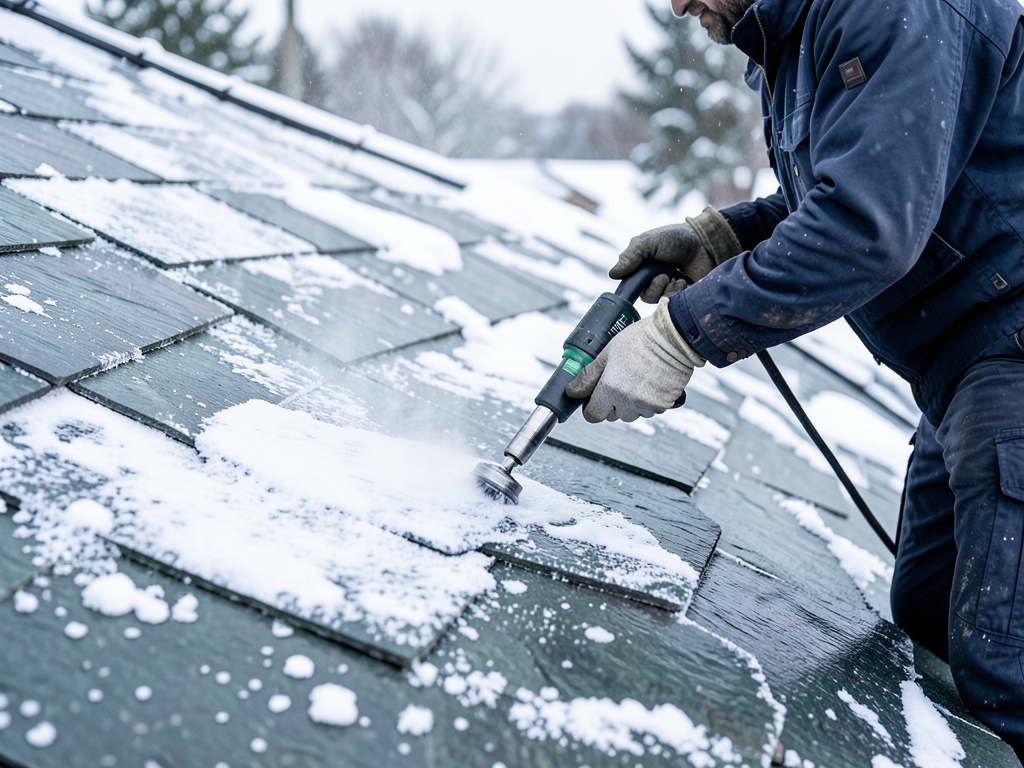







Boston's position on Massachusetts Bay creates unique winter roofing challenges not found in inland New England cities. Coastal nor'easters bring high moisture content that freezes on contact with cold roof surfaces. The salt air accelerates corrosion of metal flashing and fasteners. Temperature fluctuations are more extreme near the water, with daytime coastal warming followed by rapid nighttime freezes. These conditions create more frequent freeze-thaw cycles than communities just 20 miles inland experience. The combination of moisture, salt exposure, and temperature swings means your roof ages faster and requires more vigilant maintenance to prevent premature failure.
Much of Boston's housing stock predates modern roofing standards and energy codes. Triple-deckers built in the early 1900s often have inadequate attic ventilation and insulation. Row houses in South End and Charlestown share party walls that create complex roof valley configurations where ice dams form predictably every winter. Historic preservation districts restrict material choices and visible modifications, requiring specialized knowledge to improve winter performance while maintaining architectural integrity. Local contractors who understand these building types deliver better outcomes than general roofers unfamiliar with Boston's architectural nuances and the specific failure patterns these homes exhibit.