





Lowell sits at the confluence of the Merrimack and Concord Rivers, creating microclimates with higher humidity and freeze-thaw cycles that accelerate roof deterioration. The city's historic mill district features steep-pitched roofs designed for snow shed, while newer developments in Pawtucketville and Belvidere use lower slopes that demand different waterproofing approaches. Massachusetts building code requires ice and water shield installation at eaves, but Lowell's average 50 inches of annual snowfall means ice dams form faster than in coastal areas.
Triple-deckers throughout Centralville and the Acre neighborhood share common roofing systems where one compromised section affects multiple units. Wind patterns coming off the rivers lift shingles on exposed south and west faces. Spring thaw brings rapid snowmelt that tests flashing around chimneys and dormers common in Lowell's Colonial and Victorian architecture. The clay soil beneath Lowell causes settling that stresses roof structures over time, creating vulnerabilities at ridge lines and valleys where leaks develop first.
Silverline Roofing Boston operates with crews who understand the specific demands of Merrimack Valley roofing. We've worked on everything from triple-decker restoration in the Acre to modern developments near the University of Massachusetts Lowell campus, giving us expertise across building types and architectural styles that define this city. Our company carries full licensing for Massachusetts roofing contractors and maintains relationships with local building inspectors who know our work meets code requirements without callbacks or compliance issues.
When we quote a roof repair or replacement in Lowell, the estimate accounts for disposal logistics in a dense urban environment, permit acquisition timelines with City Hall, and material delivery scheduling that respects neighborhood parking restrictions. We stock inventory appropriate to New England weather, from ice and water shield rated for northern climates to architectural shingles with wind ratings that handle Merrimack Valley gusts. Our warranty program covers workmanship for the full lifespan of materials because we install roofing systems correctly the first time.
Emergency response matters in roofing. A leak during spring thaw or a winter storm can cause interior damage within hours. Silverline Roofing Boston dispatches crews to Lowell locations the same day for emergency tarping and temporary waterproofing, then schedules permanent repairs on timelines that prevent mold growth and structural damage. We coordinate with insurance adjusters familiar with Massachusetts claims processes and document damage thoroughly for smooth approval. Homeowners work with one point of contact from initial inspection through final cleanup, eliminating confusion during stressful situations.

Our crews carry full Massachusetts construction supervisor licenses and maintain insurance coverage that meets state requirements. We pull permits for all work requiring city approval and coordinate inspections with Lowell building officials who verify our installations meet current code standards for wind uplift, fire rating, and waterproofing protocols specific to northern Massachusetts climate zones.

Storm damage and sudden leaks demand immediate attention before water ruins ceilings and insulation. Silverline Roofing Boston dispatches emergency crews to Lowell addresses within hours of your call, providing temporary waterproofing and tarping that protects your home while we schedule permanent repairs. Fast response prevents minor leaks from becoming major restoration projects.
Lowell's triple-deckers and multi-family buildings require specialized roofing knowledge. We coordinate with property managers and condo associations to schedule work that minimizes disruption across units. Our crews understand shared structural systems and ensure repairs on one section don't compromise waterproofing for adjacent units. We provide documentation that satisfies association insurance requirements.
Years of work throughout Lowell neighborhoods give us insight into how river valley microclimates affect roof performance. We specify materials and installation methods proven to handle ice dam formation, wind uplift from open river corridors, and rapid temperature swings during spring and fall. This local expertise means your roof receives solutions designed for exactly where you live.
Silverline Roofing Boston handles every aspect of residential and commercial roofing across Lowell, from emergency leak repair to complete system replacement. Our services span asphalt shingle installation, flat roof membrane systems, metal roofing for historic properties, and specialty applications for architectural features common in Lowell's diverse building stock. We evaluate each property individually because roof solutions depend on building age, architectural style, exposure to weather, and your budget constraints.
Roof repair specialists on our team diagnose leak sources that aren't always obvious from interior water stains. We inspect flashing around chimneys and skylights, examine valley installations where water concentrates, check ridge vent integrity, and assess shingle condition across all roof planes. For properties needing full replacement, we provide material options that balance longevity, appearance, and cost. Our installation crews remove old roofing down to decking when needed, replace damaged sheathing, install proper underlayment and ice barrier, then apply new roofing with fastener patterns and overlap specifications that meet manufacturer warranty requirements.
Roof leaks demand fast diagnosis and permanent repair before water damages insulation, framing, and interior finishes. Our roof damage repair teams trace leak sources through attic inspection and exterior examination, identifying failed flashing, damaged shingles, or compromised valleys causing water entry. We provide emergency tarping for active leaks, then schedule permanent repairs using materials matched to your existing roof system. Storm damage from wind, hail, or ice buildup gets documented for insurance claims with photos and measurements adjusters need for approval.
When roof age or extensive damage makes repair impractical, full replacement provides decades of protection. Silverline Roofing Boston removes existing roofing, inspects and repairs decking, installs ice and water shield at eaves and valleys, applies synthetic underlayment, then installs new shingles with proper ventilation. We offer architectural shingles in multiple colors, three-tab options for budget projects, and metal roofing for historic properties. Every installation includes ridge venting, drip edge, and flashing details that prevent future leak issues common in Lowell's weather.
Regular roof maintenance catches small problems before they become expensive repairs. Our inspection service examines shingle condition, flashing integrity, ventilation performance, and gutter function. We clean debris from valleys and behind chimneys where moisture accumulates, reseal exposed fasteners, replace missing or damaged shingles, and check attic ventilation that prevents ice dam formation. Scheduled maintenance extends roof life by years and provides documentation property managers need for building records and insurance renewals.
Lowell's position in the Merrimack Valley creates roofing challenges distinct from coastal or inland Massachusetts communities. The combination of river humidity, heavy snow, and seasonal temperature extremes accelerates wear on roofing materials and creates failure patterns our crews see repeatedly across city neighborhoods. Understanding these common issues helps homeowners recognize early warning signs before minor problems escalate into major damage.
Triple-deckers and multi-family buildings face additional complications because roofing systems serve multiple units. A leak in shared attic space affects everyone below. Ice dams forming on lower roof sections can back water into upper units. These buildings often show deferred maintenance from years of owner turnover, compounding problems that started small but grew into significant structural concerns requiring comprehensive solutions.
Lowell's winter freeze-thaw cycles create ice dams when heat loss through roofs melts snow that refreezes at cold eaves. Ice builds up, forcing water under shingles and into attic spaces. Poor attic insulation and ventilation worsen the problem. We see extensive interior damage in older homes where ice dams went unaddressed for multiple winters, requiring both roofing repair and improved attic insulation to prevent recurrence.
South and west-facing roof sections take direct sun and wind, breaking down asphalt shingles faster than protected areas. Granule loss exposes underlying material to UV damage. Curling and cracking follow, creating pathways for water entry. Homes near the Merrimack River face additional exposure from wind coming off open water. Replacement becomes necessary when deterioration affects large roof sections.
Lowell's historic architecture features brick chimneys and dormer windows that require careful flashing installation. Deteriorated mortar, separated counter flashing, and corroded metal create leak points during heavy rain. Many triple-deckers have shared chimney stacks serving multiple units where one owner's deferred maintenance affects everyone. We replace flashing using step and counter methods that withstand building movement and weather exposure.
Inadequate attic ventilation traps heat and moisture that ages roofing materials from below. We find rotted decking, mold growth, and shingles deteriorated from inside out in homes lacking proper ridge and soffit venting. Massachusetts energy codes require balanced ventilation, but older buildings often lack systems needed to protect roof investments. Ventilation improvements during roof replacement prevent repeat problems.
Roofing projects involve significant investment and disruption to daily routines. Silverline Roofing Boston structures our process to minimize uncertainty and keep you informed throughout every phase of work. From initial inspection through final cleanup, you work with one project manager who coordinates crews, schedules inspections, and answers questions as they arise. We provide written estimates detailing materials, labor, timeline, and warranty coverage so you understand exactly what you're getting.
Communication happens on your schedule. We send appointment confirmations the day before site visits, provide arrival windows we actually meet, and call if weather or material delays affect planned work dates. Our crews arrive with clearly marked vehicles, introduce themselves, and explain daily tasks before starting. We protect landscaping with plywood pathways, use tarps to contain debris, and operate magnetic sweepers across your property to collect roofing nails. When work finishes each day, we leave your property clean and secure.
You receive detailed written estimates explaining material specifications, installation methods, and warranty terms before work begins. No hidden fees appear later. If we discover unexpected damage during tear-off, we document it with photos, explain repair options, and get your approval before proceeding. Your project manager provides a direct phone number and responds to questions the same day. We schedule work around your availability and respect commitments we make about start dates and completion timelines.
Our roofing crews receive ongoing training in manufacturer installation requirements and Massachusetts building code updates. They follow specific fastener patterns, overlap specifications, and flashing details that ensure your roof performs as designed. We don't rush jobs to move onto the next project. Inspections happen at critical phases including decking repair, underlayment installation, and final shingle application. Work meets manufacturer requirements for warranty validation and passes city inspections without callbacks.
Roofing creates debris, but you shouldn't live with the mess after we leave. We position dumpsters to minimize lawn damage and protect driveways with plywood under heavy equipment. Magnetic sweepers run across your entire property multiple times to collect nails and metal debris. Landscaping gets restored if disturbed during access. Final walkthrough happens with you present so we address any concerns before considering the job complete. You get cleanup done right, not excuses about what's normal.
Silverline Roofing Boston follows a proven process that eliminates confusion and delivers roofing solutions matched to your building's needs and your budget reality.
We start with thorough roof and attic inspection to assess current condition, identify damage sources, and evaluate structural integrity. You receive a detailed written estimate explaining repair or replacement options with material specifications, warranty coverage, and realistic timelines. For insurance claims, we document storm damage with measurements and photos adjusters need. The estimate remains valid for 30 days, giving you time to make informed decisions without pressure.
Once you approve the estimate, we order materials and schedule installation based on weather forecasts and your availability. Crews arrive on schedule, protect your property, then complete tear-off and installation following manufacturer specifications. We handle permit applications and schedule required city inspections. Your project manager monitors progress daily and addresses any complications immediately. Most residential roofs reach completion in two to four days depending on size and complexity.
After installation completes, we conduct final inspection with you to verify quality and address any concerns. Cleanup happens the same day work finishes. You receive warranty documentation covering both materials and workmanship, along with maintenance recommendations that extend roof life. We stay available for questions after project completion and honor warranty commitments without excuses. Your satisfaction determines whether we succeeded, not just finishing the physical work.
Massachusetts building code establishes minimum requirements for roofing installations that protect against the state's weather extremes. The current Massachusetts State Building Code references International Residential Code provisions but adds northern climate requirements for ice protection, wind resistance, and ventilation that exceed baseline IRC standards. Lowell falls in wind zone 2, requiring shingle fastening patterns that resist 110 mph wind gusts. Snow load calculations use 50 pounds per square foot ground load, though drift accumulation on multi-level roofs can double that figure.
Ice and water shield installation extends minimum 24 inches inside exterior wall lines at all eaves, but Silverline Roofing Boston typically runs protection 36 inches to account for Lowell's ice dam frequency. We install synthetic underlayment across entire roof decks rather than using felt paper because synthetic materials resist tearing during installation and provide superior waterproofing if shingle damage occurs. Valley installations use either closed-cut or woven methods depending on roof pitch and shingle type, but both require underlayment extending 12 inches on each side of valley centerline.
Ventilation requirements specify one square foot of net free ventilation area per 150 square feet of attic space, balanced between intake at soffits and exhaust at ridge or gable vents. Inadequate ventilation voids shingle warranties and accelerates deterioration from trapped heat and moisture. We calculate existing ventilation during inspections and upgrade systems when replacement happens. Proper ventilation prevents ice dams, extends shingle life, and reduces cooling costs during summer months.
Flashing details around chimneys, skylights, and wall intersections follow manufacturer specifications and proven field methods that prevent common leak points. Step flashing runs under each shingle course, counter flashing embeds in mortar joints on masonry chimneys, and kick-out flashing diverts water away from wall surfaces at valley terminations. These details require skilled installation that many roofing contractors skip to save time, creating future leak problems homeowners discover during the next heavy rain.
Architectural shingles rated for northern climates include sealant strips that bond properly in cold weather and algae-resistant granules that prevent black streaking common in humid river valley conditions. We specify Class A fire-rated products and impact-resistant options in hail-prone areas. Shingle weight, warranty length, and wind rating all affect long-term performance and replacement cost when the roof reaches end of service life.
Roof replacement costs vary based on square footage, pitch, height, complexity, material choice, and required repairs to underlying structure. Disposal fees, permit costs, and dumpster rental add to base installation pricing. Insurance coverage may offset storm damage replacement, but deductibles and depreciation affect out-of-pocket expense. We provide detailed breakdowns showing material and labor components so you understand where investment dollars go.
Most residential roof replacements complete in two to four days depending on size and weather conditions. Permit approval from Lowell Building Department typically takes one week. Material ordering requires three to seven days for specialty products. Emergency repairs happen same-day or next-day when active leaks threaten interior damage. We schedule work based on extended weather forecasts and adjust timelines if conditions change unexpectedly.
Material warranties from manufacturers cover defects for periods ranging from 25 years to lifetime depending on shingle grade. Workmanship warranties from Silverline Roofing Boston cover installation errors for the full warranty period. Both require proper attic ventilation and periodic maintenance. We provide written warranty documentation and maintenance guidelines that preserve coverage and extend roof service life beyond rated expectations.
Comprehensive guide to residential roofing in Lowell, Massachusetts covering ice dam prevention, shingle selection, ventilation requirements, and code-compliant installation methods. Silverline Roofing Boston explains how Merrimack Valley climate affects roof performance, common failure points in triple-deckers and historic homes, and what homeowners should expect during roof replacement. Includes discussion of architectural shingles, flashing details, warranty coverage, and realistic project timelines for Lowell properties.
Silverline Roofing Boston serves residential and commercial properties throughout Lowell and surrounding Merrimack Valley communities. Our crews work regularly in Centralville, where triple-deckers and multi-family buildings require specialized roofing knowledge for shared structural systems. The Highlands neighborhood features Colonial and Victorian homes with complex roof lines, dormers, and architectural details demanding careful flashing installation. Pawtucketville's mix of early 20th century housing and newer construction creates variety in roof types and material specifications we handle daily.
Downtown Lowell's historic mill district presents unique challenges with flat roofs, parapet walls, and buildings requiring compliance with historic preservation standards. We coordinate with preservation commissions when work affects protected structures and source appropriate materials that maintain architectural integrity while meeting modern performance standards. Belvidere and South Lowell residential areas include ranch homes with simple gable roofs and newer developments with architectural shingle installations requiring different approaches than older neighborhoods.
Properties near the Merrimack and Concord Rivers face increased humidity and wind exposure that accelerates roof deterioration compared to inland locations. We adjust material specifications and installation methods based on specific site conditions, accounting for prevailing wind direction, tree coverage affecting debris accumulation, and building orientation that determines ice dam risk. Roofing needs in Lowell vary by neighborhood, building age, and environmental exposure. Our experience across all areas of the city means we arrive at your property understanding challenges before climbing the ladder.
We extend service throughout the Merrimack Valley including Chelmsford, Dracut, Tewksbury, and Billerica where similar climate conditions create comparable roofing challenges. Distance from our base allows rapid emergency response when storm damage requires immediate attention. The Merrimack Valley represents our primary service territory where we maintain relationships with building officials, material suppliers, and insurance adjusters who know our work quality and reliability.
Lowell's climate poses unique challenges for roofs. You face harsh winters with heavy snow loads, ice dams, and freeze-thaw cycles. Spring brings intense rainfall while summer heat causes material expansion. Most Lowell homes use asphalt shingles, which last 15-25 years depending on quality and maintenance. Your roof needs proper attic ventilation to prevent moisture buildup and ice dams. Local building codes require specific wind and snow load ratings. Regular inspections help catch minor issues before they become major problems. Schedule professional inspections every 2-3 years or after severe weather events to protect your investment.
Asphalt shingles dominate Lowell roofing because they handle weather extremes well and offer good value. Architectural shingles provide better durability than 3-tab options and resist wind damage up to 130 mph. Metal roofing gains popularity for its 40-70 year lifespan and excellent snow-shedding properties. Rubber membranes work well for flat or low-slope roofs common on Lowell's older buildings. Slate and tile offer premium longevity but require structural support due to weight. Your choice depends on your home's structure, architectural style, and long-term plans. Always select materials rated for New England's climate conditions.
Watch for these warning signs on your Lowell roof. Missing, curling, or cracked shingles indicate weather damage or age. Granules collecting in gutters mean shingle deterioration. Water stains on ceilings or walls signal active leaks. Sagging areas suggest structural problems or water damage underneath. Ice dams forming along eaves point to ventilation issues. Light visible through your attic boards means gaps exist. Damaged flashing around chimneys and vents creates leak entry points. Moss or algae growth indicates moisture retention. Schedule an inspection if your roof exceeds 15 years old or shows multiple symptoms.
Lowell's climate poses unique challenges for roofs. You face harsh winters with heavy snow loads, ice dams, and freeze-thaw cycles. Spring brings intense rainfall while summer heat causes material expansion. Most Lowell homes use asphalt shingles, which last 15-25 years depending on quality and maintenance. Your roof needs proper attic ventilation to prevent moisture buildup and ice dams. Local building codes require specific wind and snow load ratings. Regular inspections help catch minor issues before they become major problems. Schedule professional inspections every 2-3 years or after severe weather events to protect your investment.
Asphalt shingles dominate Lowell roofing because they handle weather extremes well and offer good value. Architectural shingles provide better durability than 3-tab options and resist wind damage up to 130 mph. Metal roofing gains popularity for its 40-70 year lifespan and excellent snow-shedding properties. Rubber membranes work well for flat or low-slope roofs common on Lowell's older buildings. Slate and tile offer premium longevity but require structural support due to weight. Your choice depends on your home's structure, architectural style, and long-term plans. Always select materials rated for New England's climate conditions.
Watch for these warning signs on your Lowell roof. Missing, curling, or cracked shingles indicate weather damage or age. Granules collecting in gutters mean shingle deterioration. Water stains on ceilings or walls signal active leaks. Sagging areas suggest structural problems or water damage underneath. Ice dams forming along eaves point to ventilation issues. Light visible through your attic boards means gaps exist. Damaged flashing around chimneys and vents creates leak entry points. Moss or algae growth indicates moisture retention. Schedule an inspection if your roof exceeds 15 years old or shows multiple symptoms.
Most residential roof replacements in Lowell take 1-3 days for completion. Weather significantly affects timing. Rain or high winds stop work immediately for safety. A simple ranch-style home finishes faster than complex multi-story structures. Tear-off adds time compared to overlay applications. Fall offers ideal conditions with moderate temperatures and low precipitation. Spring and summer work well but expect scheduling delays during peak season. Winter installations are possible during dry periods above 40 degrees. Your contractor should provide a realistic timeline based on your specific project, weather forecast, and crew availability.
Yes, regular maintenance extends your roof's lifespan significantly. Clean gutters twice yearly to prevent water backup and ice dams. Trim overhanging branches to reduce debris and prevent damage during storms. Remove moss and algae growth promptly as they retain moisture and deteriorate shingles. Inspect and repair damaged flashing before leaks develop. Check attic ventilation to prevent heat and moisture buildup. Clear snow buildup exceeding 2 feet to reduce structural stress. Replace missing or damaged shingles immediately. Professional inspections identify problems you might miss. Spending time on preventive care saves you from expensive emergency repairs later.
Proper attic ventilation prevents ice dams, a common Lowell problem. Ice dams form when heat escapes through your roof, melting snow that refreezes at colder eaves. This ice blocks drainage and forces water under shingles. You need balanced intake vents at soffits and exhaust vents at the ridge. Aim for one square foot of ventilation per 150 square feet of attic space. Adequate insulation keeps heat inside your home rather than warming the roof deck. Install baffles to maintain airflow in rafter bays. Address ventilation during roof replacement to prevent future damage and lower energy bills.
Look for local experience with New England weather challenges. Verify the contractor holds proper business credentials and carries liability coverage. Check references from recent Lowell projects similar to yours. Get at least three written estimates detailing materials, labor, and timeline. Avoid unusually low bids as they often indicate poor materials or shortcuts. Ask about manufacturer certifications, which ensure proper training. Review online feedback from multiple sources. Confirm they pull necessary permits and follow local building codes. A quality contractor explains the process clearly, answers your questions thoroughly, and provides a detailed written contract.
Contact your homeowner's insurance immediately after discovering damage. Document everything with photos and videos before making temporary repairs. Your policy typically covers sudden damage from storms, fallen trees, or fire. Wear and tear from age or poor maintenance gets denied. Wind damage requires sustained speeds above your policy threshold, often 50-70 mph. An adjuster will inspect and estimate covered repairs. Get independent estimates to compare with insurance figures. Some contractors help with claims, but avoid anyone offering to waive your deductible. File promptly as policies impose strict reporting deadlines.
The cost varies widely based on size, materials, complexity, and existing damage. A typical Lowell single-family home replacement ranges from affordable to substantial depending on these factors. Asphalt shingles cost less than metal, slate, or tile. Removing multiple old layers increases labor expenses. Structural repairs to decking add to the total. Steep pitches or multiple stories require extra safety equipment and time. Get itemized estimates comparing similar quality materials. Financing options help spread payments over time. Remember, your roof protects everything inside your home. Choosing quality materials and skilled installation prevents problems and saves money long-term.
Most quality roofing installations come with two separate protections. Material defects are covered by manufacturer agreements, typically ranging from 20 years to lifetime depending on the product line. Workmanship protection comes from your contractor and typically covers installation errors for 1-10 years. Read all documents before signing. Understand what each covers and required maintenance obligations. Register your materials with the manufacturer within specified timeframes. Keep all paperwork and receipts. Some agreements become void if another contractor performs repairs. Transferability matters if you sell your home. Clarify coverage details upfront to avoid surprises.
Most residential roof replacements in Lowell take 1-3 days for completion. Weather significantly affects timing. Rain or high winds stop work immediately for safety. A simple ranch-style home finishes faster than complex multi-story structures. Tear-off adds time compared to overlay applications. Fall offers ideal conditions with moderate temperatures and low precipitation. Spring and summer work well but expect scheduling delays during peak season. Winter installations are possible during dry periods above 40 degrees. Your contractor should provide a realistic timeline based on your specific project, weather forecast, and crew availability.
Yes, regular maintenance extends your roof's lifespan significantly. Clean gutters twice yearly to prevent water backup and ice dams. Trim overhanging branches to reduce debris and prevent damage during storms. Remove moss and algae growth promptly as they retain moisture and deteriorate shingles. Inspect and repair damaged flashing before leaks develop. Check attic ventilation to prevent heat and moisture buildup. Clear snow buildup exceeding 2 feet to reduce structural stress. Replace missing or damaged shingles immediately. Professional inspections identify problems you might miss. Spending time on preventive care saves you from expensive emergency repairs later.
Proper attic ventilation prevents ice dams, a common Lowell problem. Ice dams form when heat escapes through your roof, melting snow that refreezes at colder eaves. This ice blocks drainage and forces water under shingles. You need balanced intake vents at soffits and exhaust vents at the ridge. Aim for one square foot of ventilation per 150 square feet of attic space. Adequate insulation keeps heat inside your home rather than warming the roof deck. Install baffles to maintain airflow in rafter bays. Address ventilation during roof replacement to prevent future damage and lower energy bills.
Look for local experience with New England weather challenges. Verify the contractor holds proper business credentials and carries liability coverage. Check references from recent Lowell projects similar to yours. Get at least three written estimates detailing materials, labor, and timeline. Avoid unusually low bids as they often indicate poor materials or shortcuts. Ask about manufacturer certifications, which ensure proper training. Review online feedback from multiple sources. Confirm they pull necessary permits and follow local building codes. A quality contractor explains the process clearly, answers your questions thoroughly, and provides a detailed written contract.
Contact your homeowner's insurance immediately after discovering damage. Document everything with photos and videos before making temporary repairs. Your policy typically covers sudden damage from storms, fallen trees, or fire. Wear and tear from age or poor maintenance gets denied. Wind damage requires sustained speeds above your policy threshold, often 50-70 mph. An adjuster will inspect and estimate covered repairs. Get independent estimates to compare with insurance figures. Some contractors help with claims, but avoid anyone offering to waive your deductible. File promptly as policies impose strict reporting deadlines.
The cost varies widely based on size, materials, complexity, and existing damage. A typical Lowell single-family home replacement ranges from affordable to substantial depending on these factors. Asphalt shingles cost less than metal, slate, or tile. Removing multiple old layers increases labor expenses. Structural repairs to decking add to the total. Steep pitches or multiple stories require extra safety equipment and time. Get itemized estimates comparing similar quality materials. Financing options help spread payments over time. Remember, your roof protects everything inside your home. Choosing quality materials and skilled installation prevents problems and saves money long-term.
Most quality roofing installations come with two separate protections. Material defects are covered by manufacturer agreements, typically ranging from 20 years to lifetime depending on the product line. Workmanship protection comes from your contractor and typically covers installation errors for 1-10 years. Read all documents before signing. Understand what each covers and required maintenance obligations. Register your materials with the manufacturer within specified timeframes. Keep all paperwork and receipts. Some agreements become void if another contractor performs repairs. Transferability matters if you sell your home. Clarify coverage details upfront to avoid surprises.
We are proud to be a locally rooted business serving the entire Greater Boston area, from the North End to the South Shore, and all surrounding communities. Our centrally located office ensures we can rapidly deploy our expert crews for everything from routine repairs in Cambridge to full installations in Quincy. Use the interactive map below to see our main location and confirm that your property is within our primary service area. We look forward to connecting with you soon for your next reliable roofing project!
Address:
Lowell, MA, 1852
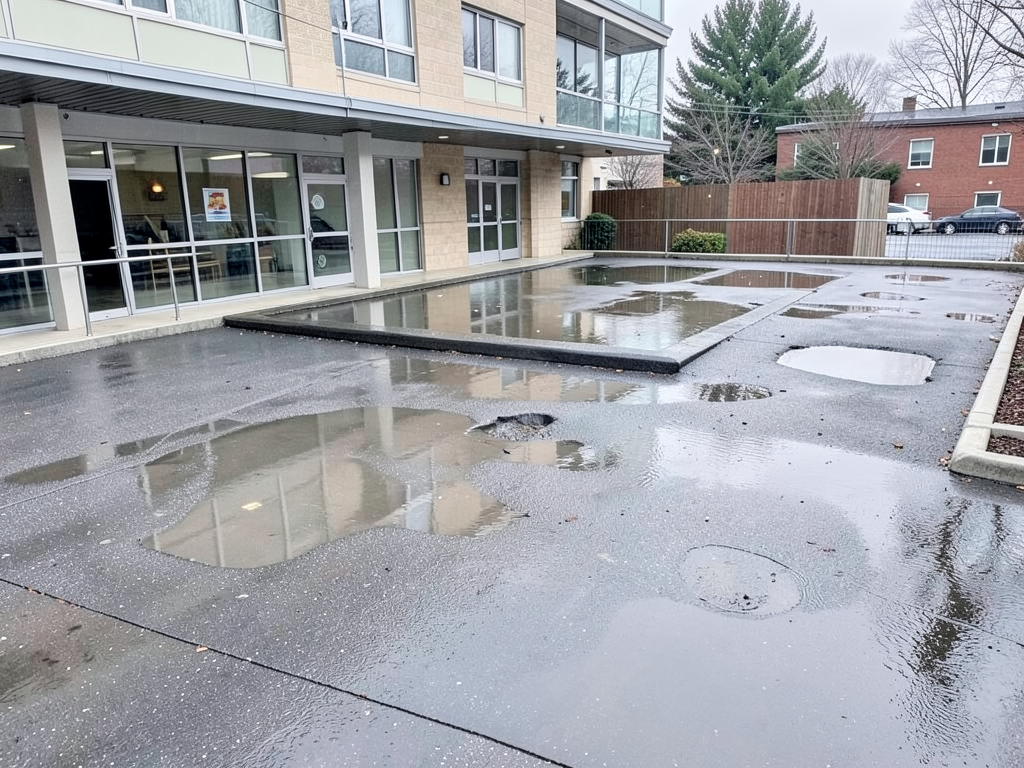
Dealing with roof ponding on older commercial storefronts in Roslindale Roof ponding threatens commercial properties in Roslindale's historic district where water accumulates on flat or low-slope roofs for more than 48 hours after rainfall. Many…

Choosing a roofing material that matches the specific aesthetic of historic homes in Salem \n\n…
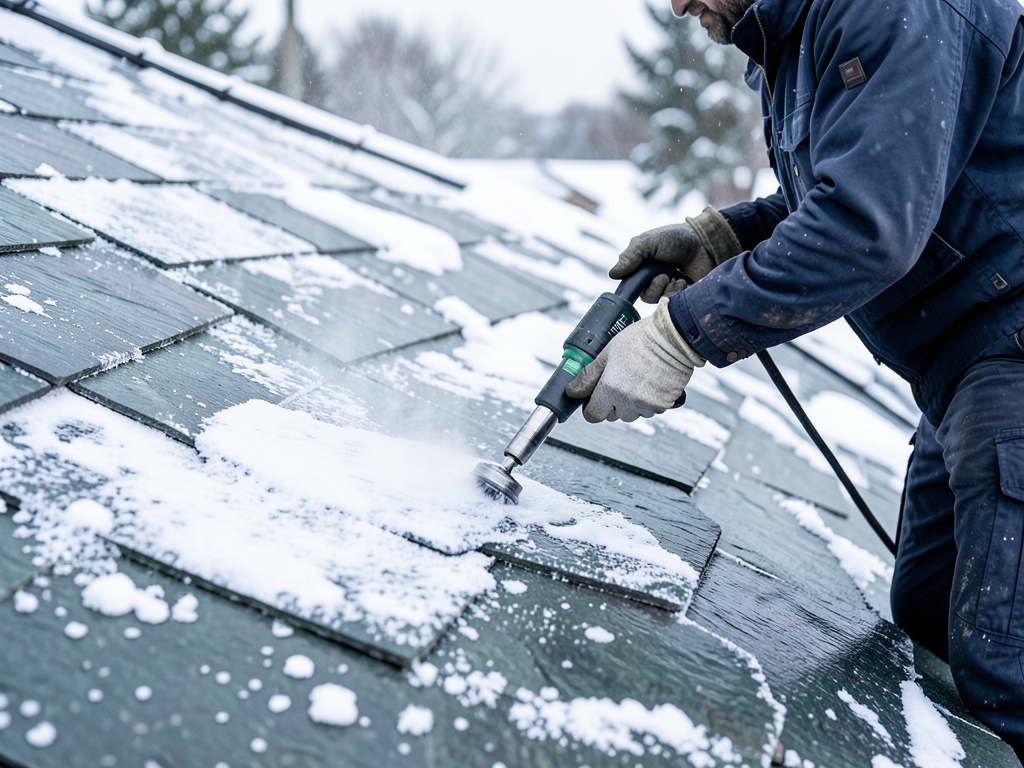
Why steaming is the only safe way to remove ice from a delicate slate roof…
The hidden cost of ignoring minor flashing issues on a Quincy waterfront home Waterfront homes…
Your roof protects everything inside your home. Don't wait for small leaks to become major damage. Call Silverline Roofing Boston at (857) 387-1711 for fast inspection, honest assessment, and roofing solutions that last. We answer phones seven days a week and dispatch emergency crews when you need immediate help.