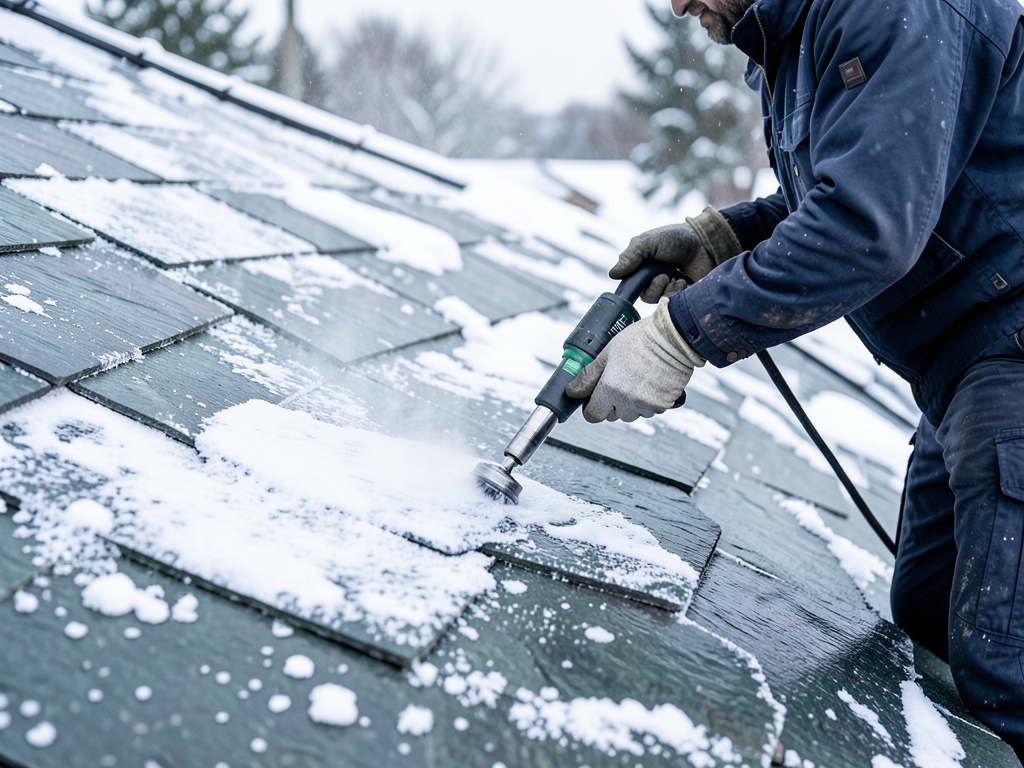







Boston experiences 40 to 60 freeze-thaw cycles each winter, according to NOAA climate data. This creates a mechanical stress pattern that standard asphalt shingles cannot handle long-term. Water enters micro-cracks created by thermal expansion. When temperatures drop below 32 degrees, that water freezes and expands with 2,000 pounds of force per square inch. The crack widens. The next thaw allows more water infiltration. The cycle repeats until the shingle fails structurally. Class 4 impact resistant shingles use polymer-modified asphalt that remains flexible at temperatures down to negative 20 degrees. This flexibility prevents the brittle fracturing that destroys standard shingles during freeze-thaw stress. Combined with hail resistance, you get a roofing material engineered specifically for New England's thermal cycling patterns.
Boston's building code includes specific requirements for steep-slope roofing that affect Class 4 installations. Section R905 of the Massachusetts State Building Code requires ice barrier protection extending 24 inches inside exterior wall lines for roofs with slopes between 2:12 and 4:12. Many Class 4 shingle warranties require synthetic underlayment across the entire roof deck, which exceeds this minimum code requirement but provides superior protection. Silverline Roofing Boston maintains relationships with local building inspectors in Boston, Cambridge, Somerville, and Brookline. We know which municipalities require additional inspection points for impact-resistant installations and which accept manufacturer certification in lieu of third-party testing. This local knowledge prevents permit delays and ensures your installation meets both code minimums and warranty requirements.