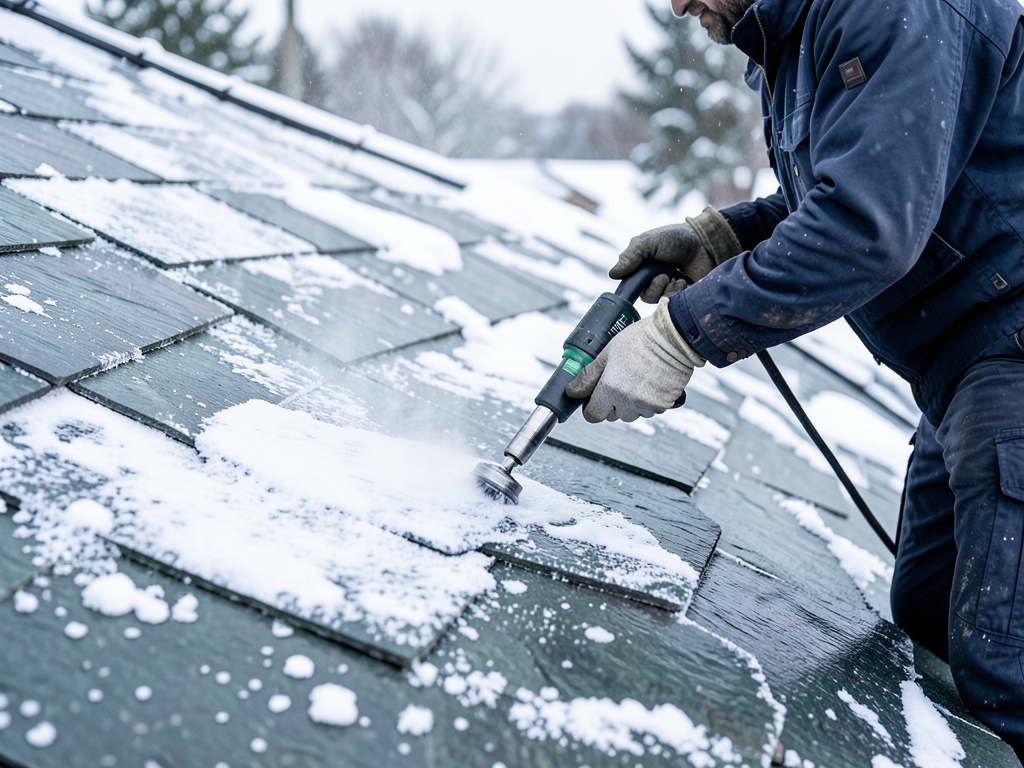







Boston experiences an average of 12 freeze-thaw cycles each winter, more than enough to destroy compromised roofing materials. When daytime temperatures climb above freezing and melt snow, then plunge below 32 degrees overnight, water trapped in cracked shingles expands as it freezes. This expansion splits shingles apart from the inside out. Coastal storms deliver wind-driven rain that penetrates beneath lifted tabs and deteriorated flashing, symptoms of a failing roof that Boston's weather exploits ruthlessly. Ice dams compound the problem on roofs with inadequate attic insulation, backing water under shingles for days until temperatures rise enough for melting.
Silverline Roofing Boston operates year-round across neighborhoods from Charlestown to West Roxbury, understanding how different microclimates affect roof performance. Homes near the harbor face salt spray corrosion on metal flashing. Properties under dense tree canopy in Brookline deal with accelerated moss growth and debris accumulation. Our familiarity with Boston's historic architecture means we recognize how to tell if you need a new roof on structures built in the 1800s versus modern construction. We know which local building inspectors require specific documentation and how city permitting works for roof replacements in historic districts.