




menu

Commercial Roof Coatings in Boston – Minimize Downtime with Industrial-Grade Restoration Systems

Silverline Roofing Boston deploys liquid applied roofing and elastomeric coating systems that extend asset life, reduce thermal load, and meet Boston's stringent fire and wind load codes without costly tear-offs or business interruptions.

Slider Image 1
Slider Image 2
Slider Image 3
Slider Image 4
Slider Image 5
Slider Image 7
Slider Image 8
Slider Image 9
Slider Image 10
Slider Image 11

Why Boston's Climate Demands Advanced Commercial Roof Coating Systems

Boston's coastal exposure creates a brutal environment for flat commercial roofing. Salt-laden winds from the harbor accelerate membrane degradation. Freeze-thaw cycles that average 60 to 80 annual occurrences crack aged modified bitumen and EPDM. Summer heat on black roofs pushes surface temperatures past 160 degrees, baking seams and fasteners.

You cannot afford unplanned roof replacement. A 40,000 square foot warehouse tear-off disrupts operations for weeks. Your tenants threaten to leave. Your insurance premiums climb when water damage claims stack up.

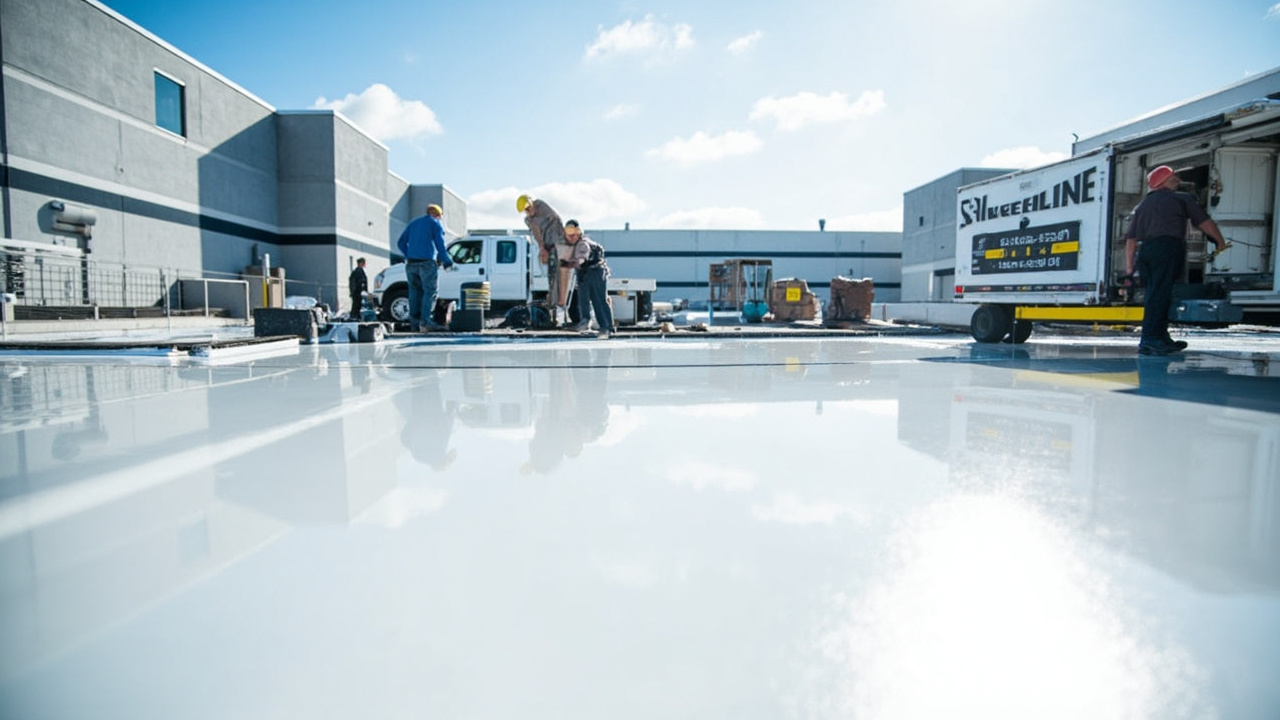
Commercial roof coatings eliminate these risks without the chaos of a full replacement. Elastomeric roof coatings create a seamless, monolithic membrane that flexes with temperature swings. Industrial roof coatings designed for Boston's marine environment resist UV degradation and salt corrosion. Liquid applied roofing bonds directly to existing substrates, eliminating the weak points that cause leaks.

Boston enforces strict fire codes under 780 CMR and wind load requirements tied to ASCE 7. Commercial flat roof coatings that meet Class A fire ratings and pass FM 4470 wind uplift tests keep you compliant without structural modifications. You extend your roof's service life by 10 to 15 years while cutting cooling costs by up to 30 percent through reflective white coatings.

Commercial roof restoration systems are not patch jobs. They are engineered solutions that address substrate prep, primer compatibility, mil thickness requirements, and curing protocols specific to New England weather windows.

Why Boston's Climate Demands Advanced Commercial Roof Coating Systems
How We Deploy Commercial Roof Coating Systems for Maximum Asset Protection

How We Deploy Commercial Roof Coating Systems for Maximum Asset Protection

We do not roll coating over dirty roofs and call it restoration. Our process starts with infrared moisture scanning to map trapped water in the insulation layer. Wet insulation under a coating membrane creates blisters and voids the system. We cut out saturated sections, install tapered insulation to correct ponding, and verify the deck is structurally sound.

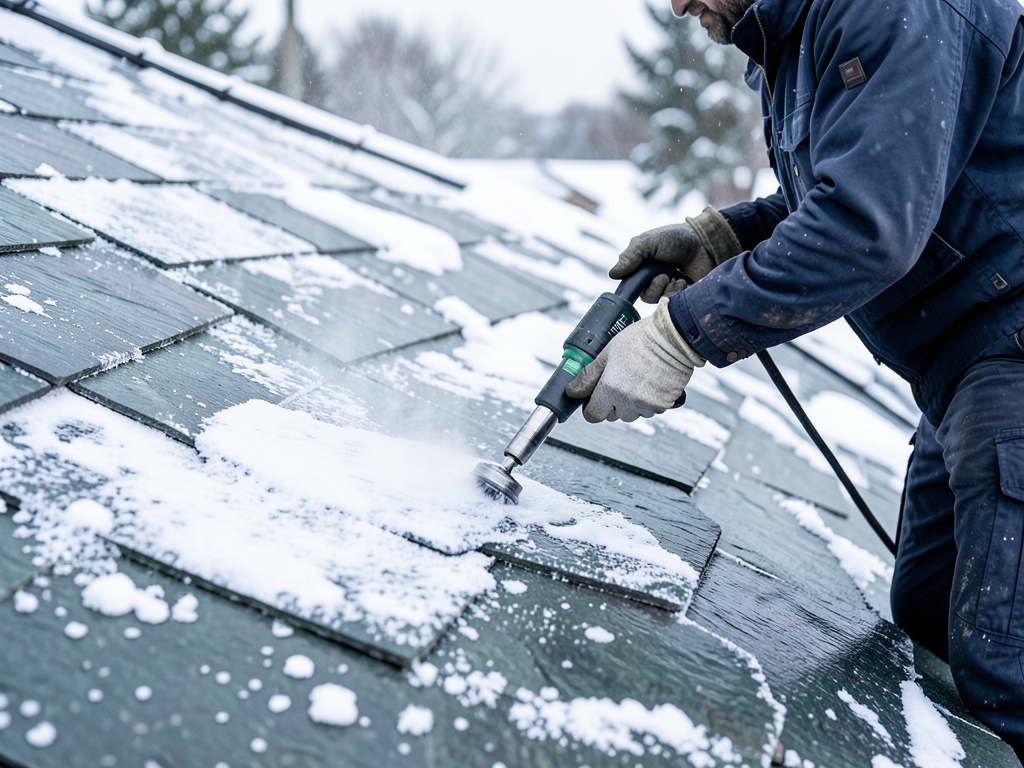
Surface preparation dictates coating adhesion. We power wash to remove biological growth, oxidized asphalt, and loose granules. We grind down blistered seams and fastener heads that protrude above the plane. Every penetration, HVAC curb, and parapet wall gets detailed with reinforcing fabric and mastic before we apply the base coat.

We select coatings based on your roof type and business needs. Silicone coatings excel on ponding water areas because they do not break down when submerged. Acrylic coatings offer superior dirt resistance and reflectivity for high-visibility retail centers. Urethane coatings provide impact resistance for roofs near airport flight paths or industrial zones with heavy particulate.

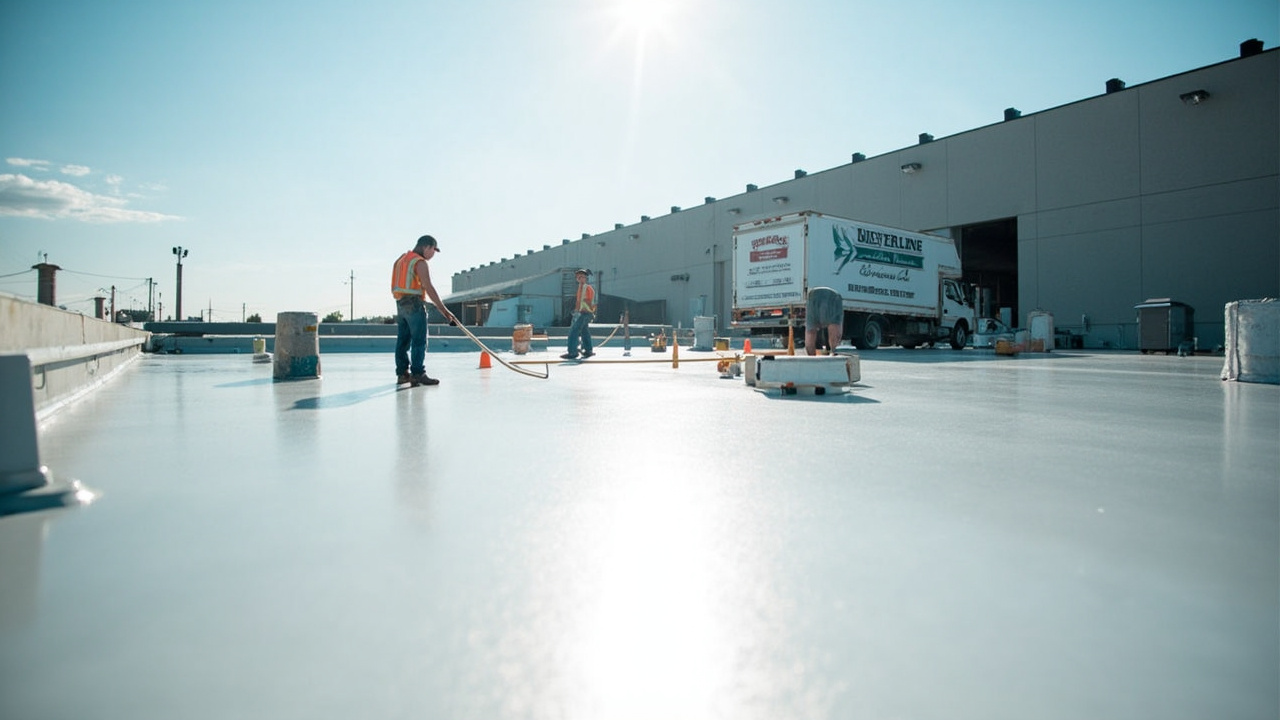
Application timing matters in Boston. We monitor dew point spreads and avoid coating when ambient temperatures drop below 50 degrees or when rain is forecast within the cure window. We apply coatings in multiple passes to achieve the specified dry mil thickness, typically 20 to 40 mils depending on warranty requirements.

Quality control includes wet mil gauge checks every 500 square feet and pull tests on cured samples. We document everything because your building engineer will need this data for future maintenance planning and insurance underwriting.

What Happens During Your Commercial Coating Application

Commercial Roof Coatings in Boston – Minimize Downtime with Industrial-Grade Restoration Systems
01

Roof Assessment and Moisture Mapping

We conduct infrared thermography scans after sunset when temperature differentials reveal moisture trapped in insulation layers. Our technicians core sample suspicious areas to confirm saturation levels and insulation type. We generate a conditions report with photos, moisture maps, and structural notes that your facilities team uses to budget the scope. This diagnostic phase prevents coating failures caused by hidden substrate damage.
02

Surface Prep and Detail Work

Our crews pressure wash the entire roof surface at 3,500 PSI to remove contaminants that block adhesion. We cut out and replace wet insulation, then install crickets or tapered systems to eliminate standing water. Every seam, penetration, and transition gets reinforced with polyester fabric embedded in mastic. We prime the substrate based on coating chemistry. This phase takes 40 to 60 percent of project time because shortcuts here cause system failure.
03

Coating Application and Quality Verification

We apply liquid applied roofing in two or three passes using airless spray equipment calibrated to manufacturer specifications. Our crew measures wet film thickness in real time to ensure proper mil build. We avoid application during temperature inversions or when humidity exceeds 85 percent. After cure, we conduct pull tests and provide you with a detailed warranty package tied to our application records and your maintenance plan.

Why Boston Building Managers Choose Silverline Roofing for Commercial Coating Projects

You need a contractor who understands Boston's commercial building stock. We have coated roofs on century-old brick warehouses in the Fort Point Channel district and modern glass office towers in the Seaport. We know how to flash around the mechanical penthouse configurations common in Boston's mid-rise construction. We have navigated the permitting process with the Inspectional Services Department enough times to avoid delays.

Boston's short construction season compresses your project window. A rainy September can push work into October when overnight temperatures drop below coating cure thresholds. We schedule strategically and mobilize fast when weather windows open. Our crews work extended days to maximize productivity during stable weather patterns.

Local code compliance is non-negotiable. Boston amended 780 CMR to require enhanced wind uplift ratings in coastal exposure zones. We specify coating systems tested to FM 4470 Class 1-90 or higher for buildings within a mile of the harbor. We pull permits and coordinate inspections so you are never exposed to stop-work orders or failed occupancy renewals.

We work around your operations. A distribution center cannot shut down for two weeks. A hospital cannot tolerate roof work above sterile surgical suites. We phase projects to keep critical areas operational. We coordinate with your tenants, schedule noisy work during off-hours, and maintain access to rooftop HVAC units that keep your building functional.

Our project managers communicate in the language of facilities management. We provide life-cycle cost analyses, energy savings projections, and warranty comparisons so you can justify the capital expenditure to ownership.

What to Expect When You Invest in a Commercial Roof Coating System

Project Timeline and Sequencing

A typical 30,000 square foot flat roof coating project takes seven to ten working days depending on weather and existing conditions. We compress schedules by running multiple prep crews ahead of application teams. You will see daily progress updates with photos and square footage completed. We avoid mid-project gaps that leave your roof vulnerable. If weather forces a delay, we secure all open areas with temporary waterproofing and reschedule immediately when conditions stabilize.

Pre-Application Roof Survey and Reporting

Our initial assessment includes a written report with roof age, existing membrane type, drainage performance, and a prioritized list of repairs needed before coating. We identify code violations, structural concerns, and areas where coating is not viable. You receive this documentation within 48 hours of the site visit. We walk your team through the findings and explain why certain details matter for long-term performance. This transparency prevents change orders and budget surprises.

Coating Performance and Longevity

A properly applied elastomeric roof coating lasts 10 to 20 years in Boston's climate. You gain a watertight, reflective surface that cuts cooling loads and stops leaks without the expense and disruption of tear-off and replacement. Energy savings typically range from 15 to 35 percent depending on coating color and building use. The coating remains flexible through freeze-thaw cycles and resists ponding water without degradation. You protect your capital investment and defer major replacement costs.

Maintenance Plans and Warranty Support

We provide a maintenance protocol that includes biannual inspections, drain cleaning, and minor touch-ups to protect your warranty. Most commercial roof restoration systems come with 10 to 20 year material and labor warranties if you follow the maintenance schedule. We document every application detail, store samples, and keep records that transfer to new building owners. Our service team responds within 24 hours if you suspect a coating failure or need documentation for an insurance claim.

Frequently Asked Questions

You Have Questions,
We Have Answers

How much does commercial roof coating cost? +

Commercial roof coating costs range from $1.50 to $4.00 per square foot in Boston, depending on substrate condition, coating type, and building accessibility. Silicone and polyurethane systems cost more than acrylic but offer superior performance in freeze-thaw cycles common to the region. Roof size, number of penetrations, and required surface prep impact final pricing. Multiple-story buildings or facilities in dense areas like the Seaport District add labor costs due to staging requirements. Request a detailed scope breakdown to compare liability protection and expected service life against traditional tear-off replacement costs.

What type of roof coating is best? +

The best commercial roof coating depends on your existing substrate and Boston climate demands. Silicone coatings excel in ponding water resistance and withstand freeze-thaw cycles without degrading. Polyurethane offers superior impact resistance for high-traffic roofs or facilities near the harbor exposed to wind-blown debris. Acrylic works well for sloped metal roofs but degrades faster in standing water. Modified bitumen roofs often benefit from aluminum coatings that reflect heat and reduce thermal expansion. A roof assessment identifies substrate compatibility, drainage issues, and code compliance requirements before selecting the optimal system for your facility.

What are the disadvantages of roof coatings? +

Roof coatings require proper substrate preparation and fail if applied over saturated insulation or advanced deterioration. They do not fix structural issues, penetration leaks, or poor drainage. Boston winters expose marginal installations to adhesion failure when moisture trapped under the coating freezes and expands. Coatings add minimal insulation value compared to full reroofing with updated R-values. They require reapplication every 10 to 20 years depending on system type. Facilities with frequent rooftop equipment modifications may damage coatings during HVAC or mechanical work. Coatings work best as preventive maintenance on sound substrates, not emergency repairs on failing roofs.

What is seal best roof coating? +

Seal Best is a brand of elastomeric roof coating marketed for residential and light commercial applications. It provides a waterproof membrane for metal, asphalt, and single-ply substrates. Performance in Boston climate conditions varies based on proper surface prep and application temperatures. Commercial facilities typically specify contractor-grade systems like Gaco, Tremco, or Polyglass that meet ASTM testing standards and offer technical support for large-scale projects. Verify the product meets Massachusetts building code requirements for your occupancy type and fire rating. Generic retail coatings often lack the durability and warranty support needed for commercial property management and liability protection.

How many years does roof coating last? +

Commercial roof coatings last 10 to 20 years depending on system type, application quality, and maintenance. Silicone coatings typically provide 15 to 20 years of service in Boston conditions due to superior UV and moisture resistance. Acrylic systems last 10 to 15 years but require more frequent recoating in areas with ponding water. Polyurethane offers 12 to 18 years with excellent abrasion resistance. Service life depends on proper surface prep, mil thickness, and routine inspections to address minor damage before it spreads. Facilities near the harbor face accelerated wear from salt air. Recoating extends life without tear-off costs or business interruption.

Can roofers make 100k a year? +

This question falls outside commercial roof coating scope. Commercial roofing project managers and estimators in Boston earn $70,000 to $110,000 depending on project volume and company size. Service technicians and foremen earn $50,000 to $80,000. Compensation reflects union scale in Massachusetts, project complexity, and overtime during peak season. Commercial coating projects require crew coordination, safety compliance, and technical knowledge of substrate compatibility. Focus on contractor qualifications, insurance coverage, and project references rather than individual earnings when evaluating service providers. ROI comes from minimizing downtime and extending asset life, not contractor profit margins.

Which roof coating lasts the longest? +

Silicone roof coatings last longest in Boston commercial applications, providing 15 to 20 years of waterproof protection. They resist ponding water, UV degradation, and freeze-thaw cycles without chalking or losing adhesion. Silicone maintains flexibility in subzero temperatures common during New England winters. Polyurethane coatings offer 12 to 18 years with superior impact resistance for high-traffic roofs or facilities exposed to wind-blown debris. Acrylic systems degrade faster in standing water and typically require recoating every 10 to 12 years. Longevity depends on proper mil thickness, substrate preparation, and addressing drainage issues before application. Regular inspections extend service life.

Which is better, EPDM or TPO? +

EPDM and TPO are single-ply membranes, not coatings, but both work well under Boston commercial roof coating systems. TPO offers better heat-weldable seams and higher reflectivity, reducing cooling costs in summer. EPDM provides superior flexibility in cold weather and costs less upfront. TPO degrades faster under ponding water without proper drainage. EPDM accepts a wider range of coating types for restoration projects. For new installations, TPO meets modern energy code requirements more easily. For existing EPDM roofs showing minor wear, silicone coatings extend life without tear-off costs or disrupting facility operations in dense urban areas like Downtown or Cambridge.

How much does Rhino RV roof coating cost? +

Rhino RV roof coating is a consumer product designed for recreational vehicles, not commercial buildings. Commercial facilities in Boston require contractor-grade systems that meet ASTM standards, fire ratings, and Massachusetts building codes. RV coatings lack the mil thickness, substrate compatibility testing, and warranty support needed for commercial property management. Facilities should specify systems from Gaco, Tremco, Karnak, or Polyglass with technical data sheets and installation guidelines. Commercial projects require proper surface prep, crew training, and liability insurance that RV product manufacturers do not provide. Focus on systems engineered for your specific substrate and occupancy classification.

How to tell if a roofer is lying? +

Verify contractor claims with documentation. Ask for proof of active insurance, references from commercial properties in Boston, and photos of completed projects on similar substrates. Roofers who avoid written scopes, pressure immediate decisions, or quote without roof access lack credibility. Check manufacturer certifications and verify crews are trained in the specified coating system. Request material data sheets and confirm products meet Massachusetts building codes. Contractors who blame previous work without diagnostic testing or recommend coatings for roofs with structural damage are deflecting. Legitimate contractors provide detailed assessments, explain substrate compatibility, and outline warranty limitations before starting work.

How Boston's Harbor Winds and Freeze-Thaw Cycles Impact Commercial Roof Coating Selection

Boston's coastal location subjects commercial roofs to salt spray that accelerates membrane oxidation and fastener corrosion. Buildings within two miles of Boston Harbor experience wind-driven rain events that test seam integrity and flashing details. The average 70 freeze-thaw cycles per winter expand and contract roofing substrates, causing aged membranes to crack and leak. Elastomeric roof coatings formulated for marine environments resist salt degradation and remain flexible at temperatures down to negative 20 degrees. Industrial roof coatings with high solids content bridge substrate cracks and create a monolithic barrier against wind-driven moisture intrusion.

Boston enforces the Massachusetts State Building Code with local amendments that mandate specific fire ratings and wind uplift performance for commercial roofing systems. The Inspectional Services Department requires documentation that proves coating systems meet Class A fire spread ratings and FM Global wind uplift standards. Contractors unfamiliar with these requirements cause permit delays and failed inspections. Silverline Roofing Boston maintains relationships with local inspectors and supplies the technical data sheets, application records, and third-party test reports that satisfy code officials. We understand how to navigate the approval process for historic buildings in neighborhoods like Beacon Hill where preservation guidelines add complexity.

Roofing Services in The Boston Area

We are proud to be a locally rooted business serving the entire Greater Boston area, from the North End to the South Shore, and all surrounding communities. Our centrally located office ensures we can rapidly deploy our expert crews for everything from routine repairs in Cambridge to full installations in Quincy. Use the interactive map below to see our main location and confirm that your property is within our primary service area. We look forward to connecting with you soon for your next reliable roofing project!

Address:
Silverline Roofing Boston, 100 Cambridge St, Boston, MA, 02114

Additional Services We Offer

Our news updates

Latest Articles & News from The Blogs

Why your manufacturer warranty won’t cover storm damage in Stoughton Stoughton homeowners often discover the hard way that their roof…

Why your manufacturer warranty won't cover storm damage in Stoughton

Why your manufacturer warranty won’t cover storm damage in Stoughton Stoughton homeowners often discover the hard way that their roof…

Does a brand-new roof actually increase your property tax assessment in Massachusetts?

Does a New Roof Increase Property Taxes in Massachusetts? A Boston Homeowner’s Guide Replacing your roof is one of the…

How to survive the chaos and noise of a roof replacement while working from home

How to survive the chaos and noise of a roof replacement while working from home Roof replacement noise can reach…

Contact Us

Stop reacting to leaks and start planning your roof's future. Call (857) 387-1711 to schedule a comprehensive roof assessment with moisture mapping and coating feasibility analysis. Our team provides a detailed report and cost comparison within 48 hours.