




Quincy sits on the Massachusetts coast where harsh weather puts roofs under constant attack. Salt air from Quincy Bay accelerates shingle deterioration and corrodes flashing faster than inland areas. Winter nor'easters bring heavy snow loads that stress roof structures, while ice dams form along eaves when warm attic air melts accumulated snow. Spring and fall bring wind-driven rain that finds any weak point in your roof system.
The city's mix of historic homes in Wollaston and Merrymount alongside newer construction in Marina Bay means roofs age differently across neighborhoods. Older homes often have multiple roof layers that trap moisture, while newer builds may have installation defects that only show up after the first major storm. Quincy's freeze-thaw cycles crack sealants and loosen fasteners. Humidity from the ocean promotes algae and moss growth that holds moisture against shingles.
Massachusetts building codes require specific wind ratings and ice dam protection, but many older Quincy roofs predate these requirements. When repairs become necessary, bringing the roof section up to current code protects your home and maintains your insurance coverage. Understanding these local conditions means knowing where problems start and how to fix them right.
Silverline Roofing Boston has protected homes throughout Quincy for years, building a reputation for fast response and quality work that holds up against coastal weather. We focus exclusively on roofing, which means our crews know roof systems inside and out. When you call with a leak or storm damage, we dispatch quickly to assess the situation and stop further damage before it spreads through your home.
Our approach starts with honest assessment. We inspect your entire roof system, not just the obvious damage, because coastal weather often creates problems in multiple areas. You get a clear explanation of what needs immediate repair, what can wait, and what your options are. We never push unnecessary work, but we also never hide problems that will get worse if ignored.
Insurance claims can be complicated, especially after major storms when adjusters are overwhelmed. We document damage thoroughly, provide detailed estimates that match insurance requirements, and communicate directly with adjusters to move claims forward. Most Quincy homeowners find this support invaluable when dealing with the stress of roof damage.
Our crews work efficiently without cutting corners. We follow manufacturer specifications and Massachusetts building codes on every job. Materials are ordered specifically for your roof, not pulled from leftover stock. We protect your property during work and clean up completely when finished. The roof goes on right the first time, with proper ventilation, flashing details, and fastener patterns that meet code requirements.
We stand behind our work because we plan to be here for years. When you need roof service down the road, we want you calling us first.

Roof leaks and storm damage demand immediate action to prevent water from destroying ceilings, insulation, and belongings. We dispatch crews quickly to tarp damaged areas, stop active leaks, and assess the full extent of damage. Fast response minimizes water intrusion and keeps small problems from becoming catastrophic. You get a roofing team that understands urgency and acts on it.

We handle insurance documentation, damage assessment reports, and adjuster communication to streamline your claim process. Our detailed estimates match insurance requirements and include proper scope of necessary repairs. We photograph damage extensively, note code compliance issues, and provide supporting documentation that helps get claims approved. This experience means less stress and faster claim resolution for Quincy homeowners.
Quincy's coastal location requires roofing materials and installation methods that withstand salt air, high winds, and heavy precipitation. We specify shingles rated for coastal exposure, install ice and water shield where code requires, and detail flashings to prevent wind-driven rain penetration. Our crews understand how weather moves across Quincy roofs and where problems typically start. This knowledge prevents premature failure.
Massachusetts building codes set specific requirements for roof systems, and Quincy enforces these standards during inspections. We follow current code on every project, including proper ventilation ratios, fastener schedules, and underlayment specifications. Our work passes inspection the first time because we know what inspectors look for and build to those standards. Code compliance protects your insurance coverage and home value.
Silverline Roofing Boston handles every type of roof work Quincy homeowners need, from emergency leak repair to complete roof replacement. Our service range covers urgent storm damage response, planned replacement projects, and ongoing maintenance that extends roof life. We work on all common roof types found throughout Quincy, including asphalt shingle roofs on most residential properties, flat roofs on garages and additions, and the occasional slate or tile roof on historic homes.
Each service category requires different skills and approaches. Emergency repairs focus on speed and damage control, stopping leaks before water destroys interior finishes. Replacement projects involve careful planning, material selection, and installation that meets warranty requirements. Maintenance and inspection services catch small problems before they become expensive repairs. Understanding these differences means matching the right solution to your specific situation and budget.
When your roof fails during a storm or develops a sudden leak, water damage starts immediately. We provide emergency tarping, temporary leak patches, and urgent repairs to stop water intrusion and protect your home. Our crews respond quickly with materials and equipment ready to work. Emergency repairs focus on damage control first, then permanent fixes once conditions allow. We document everything for insurance claims and provide clear next steps for complete restoration.
When your roof reaches the end of its service life or damage is too extensive for repair, complete replacement delivers a new roof system built to current codes. We remove old roofing down to the deck, inspect and repair sheathing as needed, then install new underlayment, drip edge, ice and water shield, and shingles according to manufacturer specifications. Replacement projects include proper ventilation upgrades, flashing replacement, and warranty registration. You get a roof system designed to protect your home for decades.
Regular roof inspection catches small problems before they cause leaks or require expensive repairs. We check for loose or damaged shingles, inspect flashing around chimneys and vents, clear debris from valleys, and assess overall roof condition. Maintenance services include minor repairs, sealant replacement, and gutter cleaning that prevents ice dam formation. Scheduled inspections after major storms identify hidden damage while insurance claims are still fresh. Preventive maintenance is the most cost-effective way to protect your roofing investment.
Quincy's coastal location and variable weather create specific roofing challenges that show up repeatedly across neighborhoods. Understanding these common problems helps homeowners recognize warning signs before minor issues become major damage. Most roofing failures start small, with subtle signs that are easy to miss until water appears on your ceiling. Salt air accelerates deterioration, winter storms test structural integrity, and humidity promotes biological growth that traps moisture against roof surfaces.
These problems vary in urgency. Some demand immediate attention to prevent catastrophic damage, while others can be monitored and addressed during planned maintenance. Knowing the difference helps you make informed decisions about when to call for service and what repairs are worth the investment.
Ice dams form when heat escaping through your roof melts snow, which refreezes at the cold eaves and creates a barrier. Water backs up behind this ice and seeps under shingles, causing leaks that damage ceilings and walls. Quincy's freeze-thaw cycles make ice dams common on poorly ventilated roofs. Proper attic insulation and ventilation prevent heat loss that causes melting. Emergency removal stops active damage during winter storms.
Coastal wind events tear shingles loose, especially on older roofs with brittle or poorly fastened shingles. Missing shingles expose underlayment to UV damage and leave roof sections vulnerable to water penetration. Wind also lifts shingle edges, breaking sealant bonds and creating entry points for rain. Quincy roofs need proper fastener patterns and wind-rated shingles to withstand nor'easters. Replacing damaged sections quickly prevents progressive failure across larger areas.
Chimneys, vents, skylights, and roof valleys require metal flashing to seal the junction between roofing and vertical surfaces. These flashings corrode from salt air exposure, separate from sealant failure, or loosen when fasteners back out during expansion and contraction cycles. Failed flashing allows water to run directly into wall cavities or attic spaces. Most leak calls trace back to flashing problems rather than shingle failure. Proper flashing installation and periodic inspection prevent these leaks.
Quincy's humidity and shade from mature trees create conditions where moss and algae thrive on roof surfaces. These organisms hold moisture against shingles, accelerating deterioration and reducing shingle life. Moss roots under shingle edges, lifting them and breaking sealant bonds. North-facing roof sections and areas under tree canopy show growth first. Regular cleaning and zinc strips discourage growth. Severe infestations require professional removal to avoid damaging shingles during cleaning.
Roof work is stressful, especially when you're dealing with damage or leaks. We focus on making the process as straightforward as possible by communicating clearly, working efficiently, and delivering what we promise. From your first call to final cleanup, you'll know what's happening, when crews will arrive, and what work is being done. We treat your property with respect, protect landscaping and siding during work, and leave your home cleaner than we found it.
Our approach centers on transparency. You receive detailed written estimates that break down labor and materials, explain what work is necessary versus optional, and outline warranty coverage. No surprise charges appear at project end. If we discover additional damage during tear-off, we stop work and discuss options before proceeding. This honesty builds trust and helps you make informed decisions about your roofing investment.
You'll have direct contact with the project manager handling your roof work, not a call center. We confirm appointment times the day before, arrive when promised, and update you on progress throughout the project. Weather delays happen with roofing work, and we notify you immediately when schedules change. After inspection or estimate appointments, you receive written documentation within 24 hours. Questions get answered promptly by people who understand your specific project, not generic customer service responses.
Our roofing crews are experienced professionals who focus on quality installation and proper technique. They arrive with appropriate equipment, follow safety protocols, and work efficiently without rushing. All work follows manufacturer installation requirements and Massachusetts building codes. We use proper fastener schedules, install underlayment correctly, and detail flashings to prevent leaks. Materials are staged to protect your property, and crews clean up daily so your yard stays safe and accessible. The finished roof looks professional and performs as designed.
Roofing work creates debris, but you shouldn't see evidence after we leave. We use magnetic rollers to collect metal fasteners from lawns and driveways, remove all material scraps, and haul away old roofing for proper disposal. Tarps protect landscaping during tear-off. Before leaving, we walk the property with you, show you the completed work, explain warranty coverage, and answer any questions. You receive all documentation including warranty information, material specifications, and care instructions.
Every roofing project follows a logical sequence designed to assess your needs, deliver quality work, and ensure your satisfaction. This process adapts to your situation, whether you need emergency repairs or planned replacement.
We start by examining your entire roof system, not just the visible problem. This includes checking shingles, flashing, ventilation, gutters, and attic spaces for moisture stains or structural issues. Photographs document current conditions. You receive a clear explanation of what we found, what needs attention now, and what can wait. For insurance claims, we provide detailed damage documentation and cost estimates formatted for adjuster review. The assessment gives you the information needed to make informed decisions.
Once you approve the scope and pricing, we schedule work based on urgency and weather conditions. Emergency repairs happen quickly to stop damage progression. Replacement projects are scheduled for optimal weather windows. Our crews arrive prepared with all materials and equipment needed. We protect your property, complete work according to specifications, and conduct daily cleanup. Project managers monitor progress and keep you updated on timeline. All work follows manufacturer requirements and building codes to ensure proper installation and warranty validity.
After work is completed, we conduct a final quality inspection, clean the property thoroughly, and walk through the finished project with you. You receive all warranty documentation, including manufacturer coverage on materials and our workmanship warranty. We explain what's covered, how long coverage lasts, and how to contact us if issues arise. Your file includes photographs of the completed work, material specifications, and installation details. This documentation supports future insurance claims and home sale requirements.
Massachusetts building codes establish minimum standards for roof systems, covering everything from underlayment specifications to ventilation requirements and fastener schedules. These codes exist to ensure roofs withstand the state's climate extremes and protect homes from water intrusion. Quincy enforces the Massachusetts State Building Code, which requires specific wind resistance ratings for coastal communities, ice and water shield installation along eaves, and proper attic ventilation ratios.
The International Building Code forms the basis for Massachusetts requirements, but the state adopts amendments specific to New England conditions. For roof replacement, codes require ice and water shield extending at least 24 inches inside the exterior wall line, though many contractors install it further up the roof for added protection. Asphalt shingles must meet ASTM D3462 or D7158 standards and carry wind resistance ratings appropriate for the exposure zone. Fastener patterns follow manufacturer specifications, with increased fastener requirements in high-wind coastal areas.
Ventilation codes specify net free ventilation area based on attic square footage, with balanced intake at soffits and exhaust at ridge or gable vents. Proper ventilation prevents moisture accumulation that rots sheathing and reduces the heat buildup that shortens shingle life. Many older Quincy homes lack adequate ventilation, and roof replacement provides the opportunity to upgrade to code-compliant systems.
Flashing requirements dictate materials and installation methods around chimneys, skylights, and roof penetrations. Step flashing must weave with shingle courses, and counter flashing must embed in masonry or lap over base flashing. Valley flashing requires either woven shingles, closed-cut valleys, or open metal valleys depending on roof slope and shingle type. These details prevent the leaks that plague improperly flashed roofs.
Understanding these requirements helps homeowners recognize quality work and avoid contractors who cut corners. Code compliance isn't optional, and proper installation following these standards determines whether your roof lasts its expected lifespan or fails prematurely.
Quincy's coastal location places most homes in wind exposure zones requiring enhanced wind resistance. Shingles must meet Class D or Class H wind ratings, tested to withstand wind speeds common during nor'easters. Proper fastener placement and adhesive strips create the mechanical and adhesive bonds that keep shingles attached during high winds. Starter strip installation and edge metal details prevent wind-driven rain penetration at vulnerable roof edges.
Roof replacement costs depend on roof size, pitch, complexity, material selection, and existing condition. Steeper roofs require additional safety equipment and slower work pace. Multiple valleys, dormers, and skylights increase labor time for proper flashing installation. Sheathing repairs add cost when old decking shows rot or damage. Premium shingles with longer warranties cost more than basic three-tab shingles but deliver better performance and appearance. These variables make accurate estimates impossible without site inspection.
Most residential roof replacements in Quincy complete in one to three days depending on size and complexity. Weather delays extend timelines since roofing requires dry conditions. Tear-off happens first, exposing sheathing briefly before new underlayment covers the deck. Homes remain weather-tight each night with all penetrations sealed. Complex roofs with multiple levels or extensive flashing work take longer. Emergency repairs often complete same-day, while full replacements require scheduling during favorable weather windows.
Major shingle manufacturers offer enhanced warranties when certified contractors install their products following specific requirements. These warranties cover both material defects and workmanship, extending beyond standard coverage. Certification requires training on proper installation techniques, minimum insurance coverage, and proven business stability. Enhanced warranties transfer to new homeowners, adding value during home sales. Not all roofing contractors maintain these certifications, which require ongoing training and quality standards compliance.
Comprehensive guide to roofing challenges facing Quincy, Massachusetts homeowners. Covers common roof damage from coastal weather including ice dams, wind damage, flashing failures, and biological growth. Explains Massachusetts building code requirements, proper roof repair versus replacement decisions, and what to expect during professional roof inspection. Features insights on roof system components, material selection for coastal exposure, and maintenance practices that extend roof life in marine environments.
Silverline Roofing Boston serves homeowners throughout Quincy and surrounding Norfolk County communities. Our service area covers established neighborhoods like Wollaston, where Victorian and early 20th century homes feature steep roof pitches and complex flashing details around bay windows and turrets. These historic properties require careful work to maintain architectural character while upgrading roof systems to current performance standards.
Merrymount and Adams Shore feature mid-century homes with lower pitch roofs and simpler layouts, though proximity to Quincy Bay means these roofs face constant salt air exposure that accelerates shingle deterioration. Marina Bay's newer construction includes townhomes and condominiums with flat or low-slope roof sections requiring different waterproofing approaches than traditional pitched roofs. These modern buildings benefit from updated building codes but still experience wind damage and flashing failures during severe weather.
North Quincy and Quincy Center contain mixed housing stock ranging from triple-deckers to single-family colonials. The density in these areas creates access challenges for roofing work, requiring careful material staging and debris management to avoid impacting neighbors. West Quincy near the Blue Hills offers elevation changes that create interesting roof line variations, with some properties featuring multiple roof levels that demand extra attention to valley and flashing details.
Norfolk County's building department enforces permit requirements for roof replacement, and we handle all permit applications and inspection scheduling as part of our service. Understanding local inspection priorities and code interpretation helps projects pass inspection the first time without delays or corrections.
We also serve nearby communities including Braintree, Weymouth, and Milton, where similar coastal weather patterns and housing types create comparable roofing challenges. Our familiarity with the region means we understand how weather moves across different areas, where wind exposure is most severe, and which neighborhoods experience the most ice dam problems during winter. This local knowledge informs material selection and installation techniques that match your specific exposure conditions.
Response times vary by distance, but emergency calls from Quincy receive priority dispatch since our service area concentration allows rapid response. We maintain material inventory for common repair needs, reducing the delay between initial call and completed emergency repairs. For planned projects, local presence means project managers can visit sites quickly for follow-up questions or change orders without scheduling conflicts.
Replacing a 2000 sq ft roof in Quincy typically depends on material choice, pitch complexity, and whether you need tear-off or overlay. Asphalt shingle projects vary widely based on product grade and the number of layers being removed. Metal roofing costs more upfront but handles coastal salt air and freeze-thaw cycles better. Factors like ice and water shield requirements, chimney flashing, and skylight integration also affect pricing. Homes near Quincy Bay or in Wollaston may need additional wind uplift protection. Get three written estimates that include material specs, labor breakdown, and disposal fees.
Roofing a 20x20 garage in Quincy depends on material selection, pitch angle, and existing decking condition. A simple gable roof with asphalt shingles will cost less than a gambrel or hip roof design. Factor in tear-off disposal, new underlayment, drip edge, and ridge vent installation. Garages near Adams Shore or Merrymount may need extra moisture barriers due to salt exposure. Detached garages sometimes require new sheathing if the existing plywood shows rot or delamination. Always confirm the contractor pulls proper permits with the City of Quincy Building Department.
A standard roofing job in Quincy varies based on square footage, material type, roof complexity, and structural repairs needed. Most single-family homes range from 1500 to 2500 sq ft and require complete tear-off due to freeze-thaw damage from coastal winters. Costs include materials, labor, disposal, flashing replacement, and ventilation upgrades. Homes in the Germantown or Montclair neighborhoods often have multiple dormers and valleys that increase labor time. Flat sections or low-slope areas may need modified bitumen or EPDM rubber instead of shingles. Always request itemized proposals.
Replacing a 2000 sq ft roof in Quincy typically depends on material choice, pitch complexity, and whether you need tear-off or overlay. Asphalt shingle projects vary widely based on product grade and the number of layers being removed. Metal roofing costs more upfront but handles coastal salt air and freeze-thaw cycles better. Factors like ice and water shield requirements, chimney flashing, and skylight integration also affect pricing. Homes near Quincy Bay or in Wollaston may need additional wind uplift protection. Get three written estimates that include material specs, labor breakdown, and disposal fees.
Roofing a 20x20 garage in Quincy depends on material selection, pitch angle, and existing decking condition. A simple gable roof with asphalt shingles will cost less than a gambrel or hip roof design. Factor in tear-off disposal, new underlayment, drip edge, and ridge vent installation. Garages near Adams Shore or Merrymount may need extra moisture barriers due to salt exposure. Detached garages sometimes require new sheathing if the existing plywood shows rot or delamination. Always confirm the contractor pulls proper permits with the City of Quincy Building Department.
A standard roofing job in Quincy varies based on square footage, material type, roof complexity, and structural repairs needed. Most single-family homes range from 1500 to 2500 sq ft and require complete tear-off due to freeze-thaw damage from coastal winters. Costs include materials, labor, disposal, flashing replacement, and ventilation upgrades. Homes in the Germantown or Montclair neighborhoods often have multiple dormers and valleys that increase labor time. Flat sections or low-slope areas may need modified bitumen or EPDM rubber instead of shingles. Always request itemized proposals.
A 500 sq ft asphalt roof is quite small, often covering a porch, shed, or addition rather than a full house. In Quincy, expect costs to include tear-off, disposal, underlayment, starter strip, and ridge cap shingles. Small jobs sometimes carry higher per-square pricing because mobilization and permit fees remain constant. Properties near Quincy Center or the Furnace Brook Parkway corridor may need compliance with Historic District guidelines if applicable. Confirm the contractor uses ice and water shield along eaves and valleys to prevent winter ice dam damage.
Late fall and winter are typically the cheapest times to replace a roof in Quincy. Contractors experience slower demand from November through February, which can translate to better pricing and faster scheduling. However, shingle installation requires temperatures above 40 degrees Fahrenheit for proper sealing, so mild winter days work best. Avoid scheduling during nor'easter season or heavy snowfall periods. Spring and summer see peak demand due to insurance claims and better weather, which drives prices up. Flexibility with timing can save you money without compromising quality.
Labor is typically the most expensive part of a roof replacement in Quincy. Skilled roofers command fair wages, and projects require multiple crew members working in coordination. Tear-off and disposal of old materials add significant labor hours, especially on multi-layer roofs common in older Quincy homes. Structural repairs to rotted decking, fascia, or soffit also inflate costs quickly. Complex roof designs with steep pitches, multiple chimneys, or skylights demand more time and precision. Material costs fluctuate, but labor remains the largest line item on most estimates.
Save money on roof replacement by scheduling during the off-season when contractors offer lower rates. Choose mid-grade asphalt shingles instead of premium architectural products if budget is tight. Handle small repairs like gutter replacement or painting separately to reduce bundled costs. Get at least three written estimates and compare material specs, not just bottom-line pricing. Avoid unnecessary upgrades like decorative ridge caps unless they add functional value. If decking is sound, confirm the contractor does not pad the estimate with unnecessary sheathing replacement. Verify permit fees are accurate.
This question is outside roofing scope, but a 20x20 concrete slab in Quincy involves excavation, gravel base, vapor barrier, rebar reinforcement, and finishing. Coastal properties near Quincy Bay may need deeper frost footings due to freeze-thaw cycles. Clay-heavy soil common in Houghs Neck and Squantum requires extra compaction to prevent settling. Concrete contractors price by square footage and thickness, typically four to six inches for residential slabs. Always confirm the contractor pulls permits with the City of Quincy and follows local building codes for drainage and setback requirements.
Roofing prices in 2025 will depend on raw material costs, labor availability, and demand fluctuations. Asphalt shingle prices stabilized after pandemic-era spikes, but tariffs on imported materials could drive costs up. In Quincy, demand remains steady due to aging housing stock and storm damage from coastal weather. Labor shortages in skilled trades may keep pricing elevated. If you need a roof replacement, waiting for a price drop is risky. Delaying repairs can lead to leaks, structural damage, and higher costs later. Get estimates now and plan accordingly.
Roofing prices are sometimes negotiable, but focus on value rather than chasing the lowest bid. Reputable contractors in Quincy price jobs based on material costs, labor, overhead, and profit margins. You can negotiate by adjusting scope, such as handling gutter removal yourself or scheduling during the off-season. Avoid contractors who drop their price significantly without explanation, as this often signals cut corners or substandard materials. Instead, ask for itemized estimates and compare material quality, warranty coverage, and payment terms. Fair pricing reflects quality workmanship and proper permits.
A 500 sq ft asphalt roof is quite small, often covering a porch, shed, or addition rather than a full house. In Quincy, expect costs to include tear-off, disposal, underlayment, starter strip, and ridge cap shingles. Small jobs sometimes carry higher per-square pricing because mobilization and permit fees remain constant. Properties near Quincy Center or the Furnace Brook Parkway corridor may need compliance with Historic District guidelines if applicable. Confirm the contractor uses ice and water shield along eaves and valleys to prevent winter ice dam damage.
Late fall and winter are typically the cheapest times to replace a roof in Quincy. Contractors experience slower demand from November through February, which can translate to better pricing and faster scheduling. However, shingle installation requires temperatures above 40 degrees Fahrenheit for proper sealing, so mild winter days work best. Avoid scheduling during nor'easter season or heavy snowfall periods. Spring and summer see peak demand due to insurance claims and better weather, which drives prices up. Flexibility with timing can save you money without compromising quality.
Labor is typically the most expensive part of a roof replacement in Quincy. Skilled roofers command fair wages, and projects require multiple crew members working in coordination. Tear-off and disposal of old materials add significant labor hours, especially on multi-layer roofs common in older Quincy homes. Structural repairs to rotted decking, fascia, or soffit also inflate costs quickly. Complex roof designs with steep pitches, multiple chimneys, or skylights demand more time and precision. Material costs fluctuate, but labor remains the largest line item on most estimates.
Save money on roof replacement by scheduling during the off-season when contractors offer lower rates. Choose mid-grade asphalt shingles instead of premium architectural products if budget is tight. Handle small repairs like gutter replacement or painting separately to reduce bundled costs. Get at least three written estimates and compare material specs, not just bottom-line pricing. Avoid unnecessary upgrades like decorative ridge caps unless they add functional value. If decking is sound, confirm the contractor does not pad the estimate with unnecessary sheathing replacement. Verify permit fees are accurate.
This question is outside roofing scope, but a 20x20 concrete slab in Quincy involves excavation, gravel base, vapor barrier, rebar reinforcement, and finishing. Coastal properties near Quincy Bay may need deeper frost footings due to freeze-thaw cycles. Clay-heavy soil common in Houghs Neck and Squantum requires extra compaction to prevent settling. Concrete contractors price by square footage and thickness, typically four to six inches for residential slabs. Always confirm the contractor pulls permits with the City of Quincy and follows local building codes for drainage and setback requirements.
Roofing prices in 2025 will depend on raw material costs, labor availability, and demand fluctuations. Asphalt shingle prices stabilized after pandemic-era spikes, but tariffs on imported materials could drive costs up. In Quincy, demand remains steady due to aging housing stock and storm damage from coastal weather. Labor shortages in skilled trades may keep pricing elevated. If you need a roof replacement, waiting for a price drop is risky. Delaying repairs can lead to leaks, structural damage, and higher costs later. Get estimates now and plan accordingly.
Roofing prices are sometimes negotiable, but focus on value rather than chasing the lowest bid. Reputable contractors in Quincy price jobs based on material costs, labor, overhead, and profit margins. You can negotiate by adjusting scope, such as handling gutter removal yourself or scheduling during the off-season. Avoid contractors who drop their price significantly without explanation, as this often signals cut corners or substandard materials. Instead, ask for itemized estimates and compare material quality, warranty coverage, and payment terms. Fair pricing reflects quality workmanship and proper permits.
We are proud to be a locally rooted business serving the entire Greater Boston area, from the North End to the South Shore, and all surrounding communities. Our centrally located office ensures we can rapidly deploy our expert crews for everything from routine repairs in Cambridge to full installations in Quincy. Use the interactive map below to see our main location and confirm that your property is within our primary service area. We look forward to connecting with you soon for your next reliable roofing project!
Address:
Quincy, MA, 2170
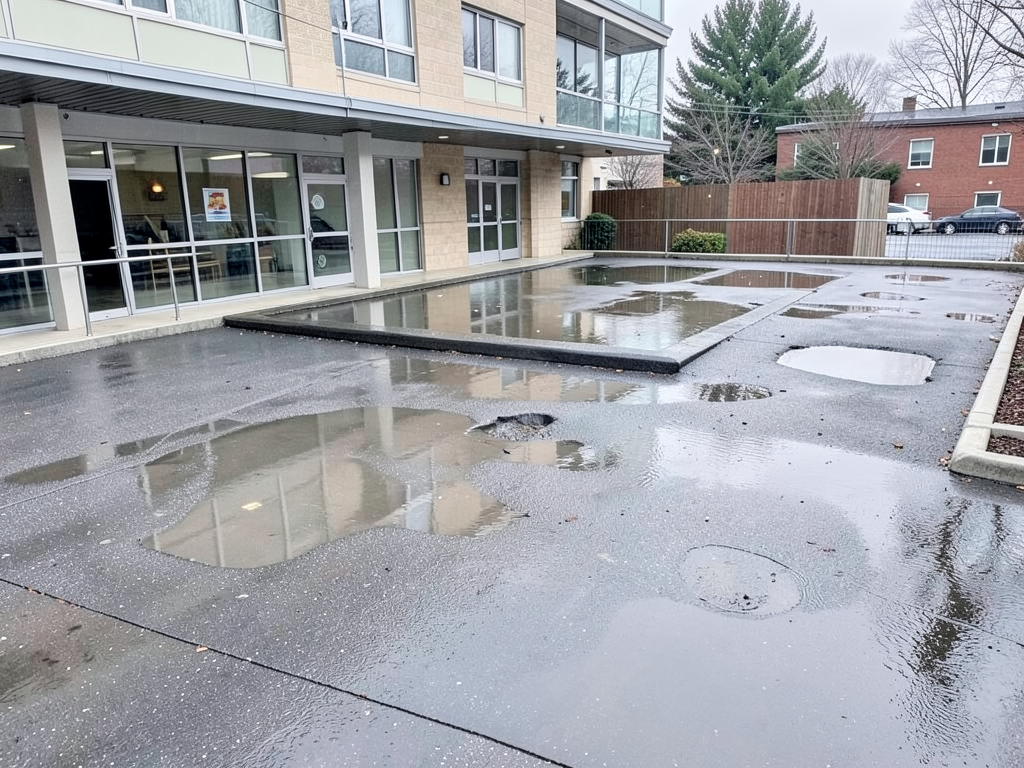
Dealing with roof ponding on older commercial storefronts in Roslindale Roof ponding threatens commercial properties in Roslindale's historic district where water accumulates on flat or low-slope roofs for more than 48 hours after rainfall. Many…

Choosing a roofing material that matches the specific aesthetic of historic homes in Salem \n\n…
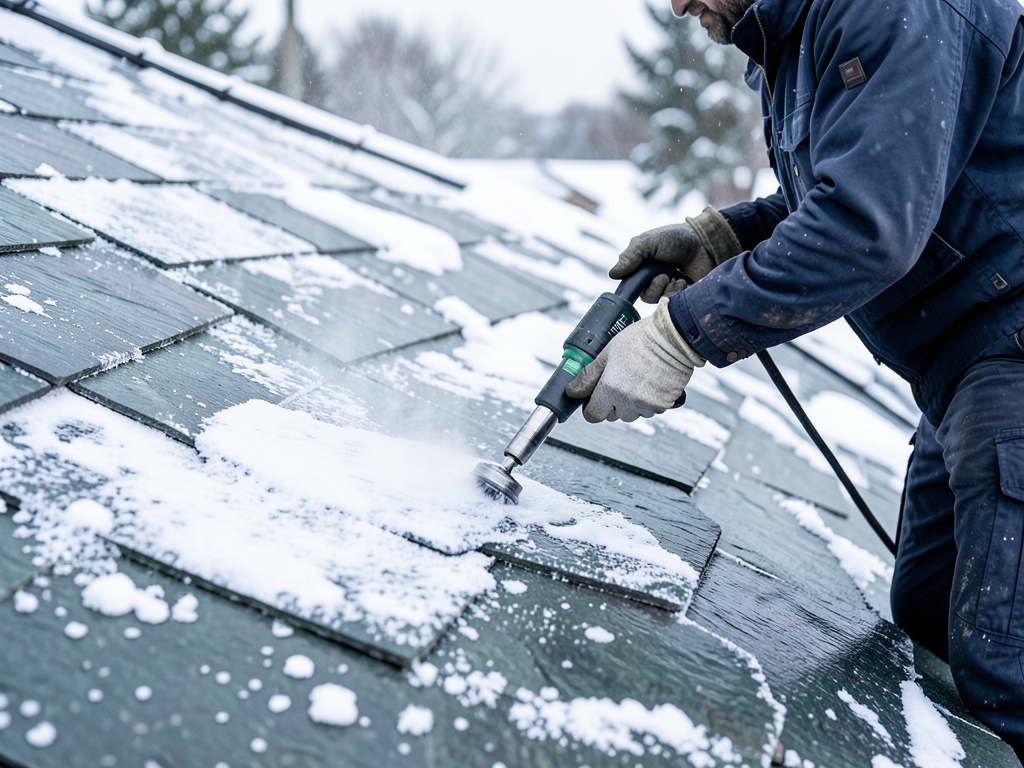
Why steaming is the only safe way to remove ice from a delicate slate roof…
The hidden cost of ignoring minor flashing issues on a Quincy waterfront home Waterfront homes…
Don't wait for small roof problems to become expensive damage. Call Silverline Roofing Boston at (857) 387-1711 for fast inspection, honest assessment, and quality repairs that protect your home. We respond quickly to emergencies and schedule planned projects around your needs.