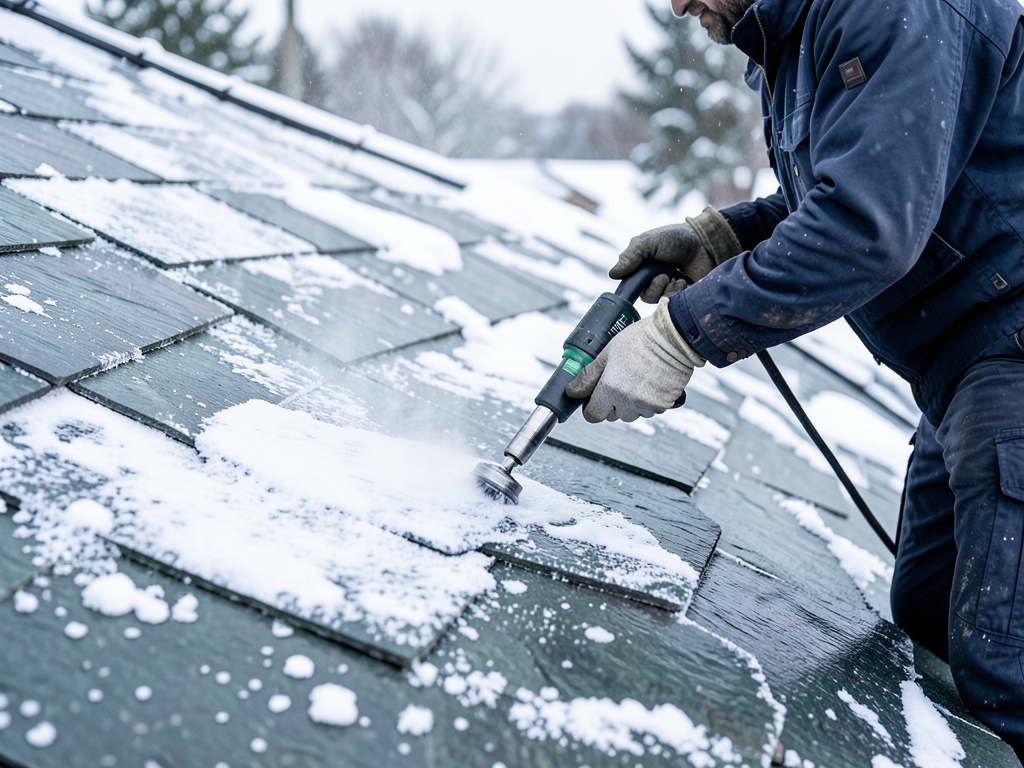







Boston experiences an average of 50 freeze-thaw cycles each winter, when daytime temperatures climb above 32 degrees and nighttime temperatures drop below freezing. This cycle causes water to expand and contract in roofing materials, creating stress that no other weather pattern matches. Asphalt shingles develop micro-cracks that widen with each cycle. Flashing materials experience thermal expansion that loosens fasteners and opens seams. A roofing inspection template designed for southern climates completely misses these failure modes because they simply do not occur there. Your roof check sheet must specifically address freeze-thaw damage indicators like lifted shingle tabs, separated flashing seams, and stress cracks at penetration points.
Massachusetts building code Chapter 34 mandates specific inspection protocols for residential structures, but enforcement varies by municipality. Boston's Inspectional Services Department requires compliance verification for certain repair types, meaning your roof assessment form must document code adherence. Local permit requirements affect even minor repairs in historic districts. Working with a roofing contractor who maintains current knowledge of Boston building code amendments and historic commission regulations protects you from compliance issues that delay projects or require expensive corrective work. Silverline Roofing Boston stays current with local regulatory changes that affect how we inspect, document, and repair roofs throughout the city.