




Fall River sits where Mount Hope Bay meets the Taunton River, creating a microclimate that destroys roofing materials. Salt air corrodes metal flashing and fasteners. High humidity keeps shingles damp, accelerating granule loss and algae growth. Winter winds from the southeast drive rain sideways under poorly sealed edges, soaking roof decks from the Flint neighborhood to the Highlands.
The city's housing stock includes thousands of triple-deckers and historic homes built before modern building codes. Original roof designs lack ice and water barrier protection. Shallow pitches common in older Fall River architecture trap water and snow, forcing moisture under shingles during freeze-thaw cycles. The city requires permits for roof replacement, and inspectors check for proper ventilation and fire-rated materials on multi-family buildings.
Homes near Battleship Cove and along President Avenue face direct wind exposure from the bay. Shingles lift, crack, and blow off during storms. Chimneys and skylights installed decades ago leak because flashing corrodes in salt air. Trees common in North End neighborhoods drop branches that puncture roofs during ice storms. Fall River roofs need stronger materials, better installation, and faster repairs than homes twenty miles inland.
Silverline Roofing Boston has repaired and replaced roofs across Fall River for years, from the historic homes in Highlands to the triple-deckers in Flint. We respond to emergency calls within hours because we know roof leaks spread fast in New England humidity. Our trucks carry tarps, sealants, and common repair materials so we can stop water damage immediately, then schedule permanent fixes when weather allows.
We only install roofing systems rated for coastal exposure. That means architectural shingles with algae-resistant granules, corrosion-resistant flashing, and ice and water barrier coverage that exceeds Massachusetts building code minimums. Our crews understand Fall River's permit requirements and inspection protocols. We handle paperwork, schedule inspections, and ensure your roof passes on the first review.
Most Fall River roofing companies send different crews for estimates, repairs, and replacements. We assign one project manager to your job from phone call to final cleanup. You get the same person's cell number, and that person oversees your entire project. No confusion about what was promised or when work happens.
We guarantee our work with transferable warranties that cover materials and labor. If shingles fail or flashing leaks within the warranty period, we fix it at no charge. That commitment keeps us focused on quality installation, not fast installation. Fall River homeowners need roofs that survive decades of coastal weather, and we build for the long term.

Roof leaks cause thousands in damage within 24 hours. We dispatch crews to Fall River homes the same day you call, carrying tarps and materials to stop water infiltration immediately. Emergency repairs protect your home while we schedule permanent solutions. No waiting, no excuses.

Standard shingles fail fast in Fall River's salt air and wind. We install architectural shingles with enhanced wind ratings, corrosion-resistant metal components, and algae-resistant granules. Every roof gets ice and water barrier protection beyond code minimums because coastal moisture demands better defense than inland installations.
You deal with one person from estimate through final inspection. Your project manager handles permits, schedules crews, orders materials, and coordinates inspections. No passing messages through office staff or wondering who's responsible. One number, one contact, complete accountability for your Fall River roofing project.
Our warranties cover materials and labor for years, and they transfer to new owners if you sell your Fall River home. That protection adds value and gives buyers confidence. We stand behind every installation because quality work survives coastal weather without callbacks or repairs.
Silverline Roofing Boston handles every roofing need Fall River property owners face. We repair storm damage, replace failing roofs, and maintain commercial buildings across the city. Our crews work on steep Victorian slopes in the Highlands, flat commercial roofs downtown, and multi-family buildings throughout Flint and the North End.
Emergency leak repairs stop water damage fast. Roof replacements use materials rated for coastal exposure and high winds. Maintenance programs catch small problems before they become expensive failures. We install skylights, replace flashing around chimneys, and upgrade ventilation systems that prevent ice dam formation.
Commercial property managers trust us for flat roof membrane replacement, drainage repairs, and regular inspections that extend roof life. Residential customers rely on us for insurance claims assistance, color-matched shingle replacements, and gutter installations that handle Fall River's heavy rainfall. Whether you need a patch job or a complete tear-off and replacement, we have the crew, materials, and expertise to protect your property.
Wind-blown shingles, tree damage, and flashing failures cause active leaks that destroy ceilings and insulation. We respond the same day with tarps and emergency patches to stop water infiltration. Our trucks carry common repair materials so we can seal leaks immediately, protecting your home while we schedule permanent repairs. We photograph damage for insurance claims and provide detailed estimates for complete restoration. Emergency repairs prevent minor storm damage from becoming major reconstruction projects.
Old roofs fail when shingles lose granules, flashing corrodes, and decking rots from moisture exposure. We remove existing roofing down to the deck, replace damaged plywood, install ice and water barrier protection, and apply new shingles rated for Fall River's coastal wind and weather. Every replacement includes proper ventilation, code-compliant flashing, and ridge venting that prevents heat and moisture buildup. We handle permits, inspections, and cleanup, leaving your property protected and your yard spotless.
Fall River's commercial buildings and triple-deckers need specialized roofing systems. We install and repair EPDM rubber membranes, TPO systems, and modified bitumen roofs designed for low-slope applications. Our services include drainage repairs, parapet flashing replacement, and regular maintenance programs that catch leaks before they damage inventory or tenant units. We work around business hours to minimize disruption and coordinate with property managers to schedule inspections and tenant notifications.
Fall River's location creates roofing challenges that inland Massachusetts cities rarely face. Coastal humidity keeps roof surfaces damp, promoting algae growth and accelerating shingle deterioration. Salt air corrodes metal components faster than normal weathering. Winter storms bring heavy snow followed by rapid temperature swings that create ice dams and force water under shingles.
Older Fall River homes were built before modern weatherproofing standards existed. Original installations lack adequate ventilation, proper flashing details, and ice dam protection. Triple-deckers and multi-family buildings share roof systems across multiple units, meaning one small leak can affect several families. The city's dense tree canopy drops leaves that clog gutters and branches that damage shingles during storms.
These problems compound over time. A small flashing leak spreads moisture through roof decking. Clogged gutters overflow and rot fascia boards. Missing shingles expose underlayment to UV damage and water infiltration. What starts as a minor issue becomes a major repair if ignored. Understanding these common problems helps Fall River homeowners spot trouble early and call for repairs before damage spreads.
Poor attic insulation and ventilation let heat escape through roofs, melting snow that refreezes at eaves and creates ice dams. Water backs up under shingles and leaks into walls. Fall River's freeze-thaw cycles make this problem severe. Proper ventilation and ice barrier installation prevent damming and protect roof edges from water infiltration.
Coastal winds lift and tear shingles, especially on older roofs where adhesive has failed. Missing shingles expose underlayment and decking to rain and UV damage. Water penetrates nail holes and spreads through roof layers. Quick replacement prevents leaks, but repeated wind damage signals the need for higher-rated shingles or complete roof replacement.
Salt air destroys standard galvanized flashing within years. Rust holes and separated seams let water flow directly into walls and attic spaces. Chimney flashing failures are common in Fall River's older homes. Stainless steel or copper flashing resists corrosion better than standard materials, but proper installation matters more than metal choice.
High humidity feeds algae that appears as black streaks on shingles. Algae holds moisture against shingle surfaces, accelerating granule loss and reducing roof life. Lost granules expose asphalt to UV damage and weathering. Algae-resistant shingles slow this process, but regular cleaning and proper ventilation help existing roofs resist growth and deterioration.
Roofing work disrupts your home and yard. We minimize that disruption through clear communication, careful planning, and respect for your property. From your first phone call, you know what to expect, when crews arrive, and how we protect your landscaping and belongings.
Your project manager explains every step before work begins. You see material samples, review warranty terms, and understand the installation timeline. We schedule around your needs and notify you of any weather delays immediately. Our crews arrive on time, park responsibly, and introduce themselves before starting work.
During installation, we protect gardens with plywood walkways and catch falling debris with tarps. Magnetic sweeps collect nails from driveways and lawns. We clean gutters, haul away old materials daily, and leave your property cleaner than we found it. After final inspection, your project manager walks the completed roof with you, explaining maintenance tips and answering questions about your new warranty coverage.
You receive a detailed written estimate that lists materials, labor, timeline, and total cost before we start work. No surprises, no change orders unless you request additional work. Your project manager provides a cell number and answers calls directly. We send text updates when crews are en route and notify you immediately if weather delays work. You always know what's happening with your Fall River roofing project.
Roofing creates debris and noise. We minimize impact by covering plants with tarps, protecting driveways with plywood, and using magnetic rollers to collect nails. Debris goes into dump trailers parked on-site, not scattered across your yard. We clean gutters and downspouts after installation, removing all construction dust and granules. Your landscaping, siding, and outdoor spaces stay protected throughout the project.
After city inspection approval, your project manager walks the completed roof with you. We explain flashing details, show proper attic ventilation, and demonstrate how new ridge vents function. You receive warranty documentation for materials and labor, plus care instructions that help your roof last decades. We photograph the completed installation for your records and answer any questions about maintenance or future inspections.
We designed our process to eliminate confusion and deliver quality results. Three clear phases take you from initial concern to completed roof with minimal stress.
Your project manager inspects your roof from ground and ladder, checking shingle condition, flashing integrity, and ventilation systems. We photograph damage and measure roof area. You receive a written estimate within 24 hours listing materials, labor, timeline, and cost. We explain what needs repair or replacement and why, using photos to show specific problems. Emergency repairs can start the same day if needed.
Our crews arrive on schedule with materials and equipment. We set up property protection, remove old roofing, replace damaged decking, and install new systems following manufacturer specifications. Every installation includes ice and water barrier, proper flashing, adequate ventilation, and code-compliant fastener patterns. Your project manager inspects work daily to ensure quality standards. We clean debris continuously and conduct final magnetic sweeps before leaving each day.
We schedule Fall River building inspection and accompany inspectors during review. After approval, you receive warranty documentation covering materials and labor. Your project manager provides maintenance guidelines and answers questions about your new roof system. We follow up 30 days later to ensure complete satisfaction and address any concerns. Your warranty includes our contact information for future questions or service needs.
Massachusetts building code establishes minimum standards for roof installations, but Fall River's coastal location demands higher specifications. The state requires ice and water barrier coverage at eaves extending 24 inches past interior walls. In Fall River's wind exposure zone, we extend that coverage to 36 inches and apply barrier around all penetrations including chimneys, skylights, and plumbing vents.
Wind ratings matter more near the coast. Standard three-tab shingles rated for 60 mph winds fail during nor'easters. We install architectural shingles rated for 110 to 130 mph winds, using enhanced fastener patterns that exceed code minimums. Each shingle receives six nails instead of four, and starter strips get doubled at rakes and eaves where wind uplift is strongest.
Ventilation requirements changed in recent code updates. Older Fall River homes lack adequate intake and exhaust ventilation, creating moisture problems and reducing shingle life. Modern installations require balanced airflow using soffit vents for intake and ridge vents for exhaust. The ratio must provide one square foot of ventilation per 150 square feet of attic space, split evenly between intake and exhaust. Improper ventilation voids shingle warranties and causes premature failure.
Fall River requires permits for roof replacement and repairs exceeding certain square footage thresholds. Inspectors check for proper flashing, adequate fastening, correct ventilation, and fire-rated materials on multi-family buildings. Failed inspections delay project completion and require rework. We pull permits, schedule inspections, and ensure compliance before inspectors arrive, avoiding delays and ensuring your roof meets all local and state requirements.
Code requires 24-inch eave coverage, but Fall River's freeze-thaw cycles demand 36-inch coverage and full valley protection. We apply self-adhering membrane at all vulnerable areas including chimneys, skylights, and vent penetrations. This barrier stops water infiltration when ice dams form or wind drives rain under shingles during coastal storms.
Fall River sits in a high wind zone requiring enhanced shingle ratings. We install architectural shingles rated for 110 mph minimum, using six nails per shingle instead of code-minimum four. Proper fastener placement and depth matter as much as quantity. Overdriven nails tear shingle material, while underdriven nails allow wind uplift and water penetration.
Balanced ventilation requires equal intake and exhaust airflow through attic spaces. Soffit vents provide intake, ridge vents provide exhaust. Blocked soffit vents or insufficient ridge length creates moisture buildup that rots decking and voids shingle warranties. We calculate required ventilation area and install systems that meet manufacturer specifications and building code ratios.
Fall River requires permits for most roofing work and inspects installations for code compliance. Inspectors check flashing details, fastener patterns, ventilation adequacy, and fire ratings on multi-family buildings. We handle all permit applications, schedule inspections at appropriate project phases, and ensure installations pass review on first submission. Proper planning prevents delays and rework.
This video explains common roofing problems facing Fall River homeowners due to coastal weather conditions. Learn about ice dam prevention, wind-rated shingle installation, proper ventilation requirements, and Massachusetts building code compliance. Silverline Roofing Boston demonstrates emergency leak repair techniques and explains how coastal salt air affects roofing materials differently than inland locations. The video covers triple-decker roofing challenges, flashing corrosion prevention, and material selection for high wind zones.
Silverline Roofing Boston serves every Fall River neighborhood, from historic homes in the Highlands to waterfront properties near Battleship Cove. We work throughout the Flint district, where triple-deckers and multi-family buildings require specialized roofing systems. The North End's tree-lined streets present unique challenges with branches overhanging roofs and clogging gutters during fall storms.
Homes near the waterfront along President Avenue and Ferry Street face direct wind exposure from Mount Hope Bay. Salt air corrodes flashing faster here than in inland neighborhoods. We install corrosion-resistant materials and enhanced fastener patterns to withstand coastal conditions. The Globe neighborhood's older housing stock often needs complete tear-offs because original installations lack modern weatherproofing.
The Corky Row area and South End neighborhoods include a mix of architectural styles requiring different roofing approaches. Victorian homes need careful flashing around decorative trim. Ranch homes benefit from improved ventilation systems. We adapt our methods to each property's specific needs and architectural features.
We also serve Somerset, Swansea, and Westport communities surrounding Fall River. These areas share the coastal climate challenges but sometimes face different permit requirements or inspection protocols. Our project managers understand municipal variations and ensure compliance regardless of location. Whether you live on a quiet street in the Highlands or near the busy Route 6 corridor, we bring the same quality materials, experienced crews, and attention to detail to every Fall River area roofing project.
Roof replacement expenses in Fall River vary based on several factors. Your roof size, material choice, and existing damage all influence the final investment. Asphalt shingle replacements typically represent the most budget-friendly option. Metal roofing and slate systems require higher upfront investment but last decades longer. Steep slopes and multiple stories add complexity and labor time. Most Fall River homeowners receive detailed written estimates from local contractors. The estimate should include material specifications, labor breakdown, and timeline expectations. Get at least three quotes from licensed local roofers to compare value and scope.
Fall River's coastal location demands materials resistant to salt air and moisture. Architectural asphalt shingles with algae-resistant coatings perform well in humid conditions. Metal roofing excels here because salt air and wind cause minimal damage. Standing seam metal systems shed water efficiently during heavy coastal storms. Synthetic slate and rubber roofing resist moisture penetration and maintain flexibility in temperature swings. Cedar shakes require more maintenance in coastal climates due to constant moisture exposure. Choose materials rated for high wind zones. Your roofing contractor should understand coastal challenges and recommend products with strong manufacturer warranties for marine environments.
Most residential roof installations in Fall River take three to five days. Single-story homes with straightforward layouts often finish in two to three days. Two-story homes or complex roof designs with multiple peaks and valleys need four to seven days. Weather delays extend timelines during Fall River's rainy spring and winter months. Your contractor should provide a specific timeline based on your home's square footage and roof complexity. Tear-off of old materials typically takes one day. New material installation follows immediately. Final cleanup and inspection complete the project. Communication with your contractor keeps expectations clear throughout the installation process.
Roof replacement expenses in Fall River vary based on several factors. Your roof size, material choice, and existing damage all influence the final investment. Asphalt shingle replacements typically represent the most budget-friendly option. Metal roofing and slate systems require higher upfront investment but last decades longer. Steep slopes and multiple stories add complexity and labor time. Most Fall River homeowners receive detailed written estimates from local contractors. The estimate should include material specifications, labor breakdown, and timeline expectations. Get at least three quotes from licensed local roofers to compare value and scope.
Fall River's coastal location demands materials resistant to salt air and moisture. Architectural asphalt shingles with algae-resistant coatings perform well in humid conditions. Metal roofing excels here because salt air and wind cause minimal damage. Standing seam metal systems shed water efficiently during heavy coastal storms. Synthetic slate and rubber roofing resist moisture penetration and maintain flexibility in temperature swings. Cedar shakes require more maintenance in coastal climates due to constant moisture exposure. Choose materials rated for high wind zones. Your roofing contractor should understand coastal challenges and recommend products with strong manufacturer warranties for marine environments.
Most residential roof installations in Fall River take three to five days. Single-story homes with straightforward layouts often finish in two to three days. Two-story homes or complex roof designs with multiple peaks and valleys need four to seven days. Weather delays extend timelines during Fall River's rainy spring and winter months. Your contractor should provide a specific timeline based on your home's square footage and roof complexity. Tear-off of old materials typically takes one day. New material installation follows immediately. Final cleanup and inspection complete the project. Communication with your contractor keeps expectations clear throughout the installation process.
Yes, Fall River requires building permits for roof replacements. The Fall River Building Department issues permits to ensure work meets Massachusetts building codes. Your roofing contractor typically handles permit applications and fees as part of their service. The permit process includes plan review and inspection upon completion. Permit requirements protect homeowners by ensuring proper installation methods and materials. Working without permits leads to fines and complications when selling your home. Inspectors verify proper flashing, ventilation, and structural support. Simple repairs often do not require permits, but full replacements always do. Check with the Building Department at Fall River City Hall for current requirements and fees.
Winter roof leaks in Fall River stem from several common causes. Ice dams form when heat escapes through your roof, melting snow that refreezes at the eaves. This ice blocks proper drainage and forces water under shingles. Wind-driven rain and snow penetrate vulnerable areas around chimneys, vents, and valleys. Aging or damaged flashing allows water infiltration during heavy storms. Clogged gutters overflow and send water back under roof edges. Missing or loose shingles create direct entry points for precipitation. Poor attic insulation and ventilation contribute to ice dam formation. Regular maintenance and proper insulation prevent most winter leak issues in Fall River homes.
Inspect your Fall River roof twice yearly, ideally in spring and fall. Spring inspections reveal winter storm damage before summer heat. Fall inspections prepare your roof for harsh winter weather ahead. After major storms or hurricanes, perform immediate visual checks from the ground. Look for missing shingles, damaged flashing, and debris accumulation. Professional inspections every three to five years identify problems you might miss. Older roofs need more frequent professional attention. Check your attic for water stains, mold, or daylight coming through boards. Clean gutters during inspections to prevent water backup. Early detection saves money by catching small problems before they become major repairs.
Many Fall River roofing companies offer emergency repair services on weekends and holidays. Emergency services address urgent problems like active leaks, storm damage, and exposed roof decking. Call local contractors who advertise 24/7 emergency response. Emergency repairs often involve temporary solutions like tarping until permanent fixes happen during business hours. Weekend emergency service typically focuses on stopping immediate damage to your home's interior. Keep contact information for reliable local roofers before emergencies occur. Response times vary based on weather conditions and demand. Severe storms create high call volumes, extending wait times. Emergency tarping and temporary patches protect your home until complete repairs proceed.
Architectural asphalt shingles with copper granules resist algae growth in Fall River's humid, salt-laden air. These shingles include moisture-resistant underlayment and enhanced wind ratings for coastal exposure. Metal roofing systems outperform all other materials in salty environments because corrosion-resistant coatings protect against oxidation. Aluminum and galvanized steel with proper finish coatings last 40 to 50 years near the coast. Synthetic slate products resist moisture absorption and maintain appearance despite salt exposure. Standard three-tab shingles deteriorate faster in coastal conditions. Choose products specifically rated for coastal applications. Your contractor should install proper underlayment and ventilation to combat humidity. Material warranties should cover coastal environment challenges.
Several signs indicate whether you need repair or full replacement. If damage affects less than 30 percent of your roof, repairs usually suffice. Widespread shingle loss, curling, or granule loss across the entire roof signals replacement time. Roofs over 20 years old typically need replacement rather than continued repairs. Multiple leaks in different areas indicate systemic failure. Sagging areas suggest structural problems requiring immediate attention. Check your attic for consistent daylight or water stains across large sections. Get professional assessments from multiple contractors. They will evaluate decking condition, ventilation adequacy, and remaining lifespan. Replacement makes financial sense when repair expenses approach half the replacement investment.
Homeowners insurance typically covers hurricane roof damage in Fall River, but coverage details vary by policy. Most policies cover sudden wind damage and fallen tree impacts. Review your policy's wind and hail deductible, which often differs from your standard deductible. Insurance usually excludes damage from deferred maintenance or pre-existing conditions. Document your roof's condition before hurricane season with photos. After hurricane damage, document everything immediately with photographs and detailed notes. Contact your insurance company promptly to start claims. Your adjuster will assess damage and determine coverage. Keep all contractor estimates and communications. Some policies limit coverage for roofs over certain ages or exclude cosmetic damage.
Yes, Fall River requires building permits for roof replacements. The Fall River Building Department issues permits to ensure work meets Massachusetts building codes. Your roofing contractor typically handles permit applications and fees as part of their service. The permit process includes plan review and inspection upon completion. Permit requirements protect homeowners by ensuring proper installation methods and materials. Working without permits leads to fines and complications when selling your home. Inspectors verify proper flashing, ventilation, and structural support. Simple repairs often do not require permits, but full replacements always do. Check with the Building Department at Fall River City Hall for current requirements and fees.
Winter roof leaks in Fall River stem from several common causes. Ice dams form when heat escapes through your roof, melting snow that refreezes at the eaves. This ice blocks proper drainage and forces water under shingles. Wind-driven rain and snow penetrate vulnerable areas around chimneys, vents, and valleys. Aging or damaged flashing allows water infiltration during heavy storms. Clogged gutters overflow and send water back under roof edges. Missing or loose shingles create direct entry points for precipitation. Poor attic insulation and ventilation contribute to ice dam formation. Regular maintenance and proper insulation prevent most winter leak issues in Fall River homes.
Inspect your Fall River roof twice yearly, ideally in spring and fall. Spring inspections reveal winter storm damage before summer heat. Fall inspections prepare your roof for harsh winter weather ahead. After major storms or hurricanes, perform immediate visual checks from the ground. Look for missing shingles, damaged flashing, and debris accumulation. Professional inspections every three to five years identify problems you might miss. Older roofs need more frequent professional attention. Check your attic for water stains, mold, or daylight coming through boards. Clean gutters during inspections to prevent water backup. Early detection saves money by catching small problems before they become major repairs.
Many Fall River roofing companies offer emergency repair services on weekends and holidays. Emergency services address urgent problems like active leaks, storm damage, and exposed roof decking. Call local contractors who advertise 24/7 emergency response. Emergency repairs often involve temporary solutions like tarping until permanent fixes happen during business hours. Weekend emergency service typically focuses on stopping immediate damage to your home's interior. Keep contact information for reliable local roofers before emergencies occur. Response times vary based on weather conditions and demand. Severe storms create high call volumes, extending wait times. Emergency tarping and temporary patches protect your home until complete repairs proceed.
Architectural asphalt shingles with copper granules resist algae growth in Fall River's humid, salt-laden air. These shingles include moisture-resistant underlayment and enhanced wind ratings for coastal exposure. Metal roofing systems outperform all other materials in salty environments because corrosion-resistant coatings protect against oxidation. Aluminum and galvanized steel with proper finish coatings last 40 to 50 years near the coast. Synthetic slate products resist moisture absorption and maintain appearance despite salt exposure. Standard three-tab shingles deteriorate faster in coastal conditions. Choose products specifically rated for coastal applications. Your contractor should install proper underlayment and ventilation to combat humidity. Material warranties should cover coastal environment challenges.
Several signs indicate whether you need repair or full replacement. If damage affects less than 30 percent of your roof, repairs usually suffice. Widespread shingle loss, curling, or granule loss across the entire roof signals replacement time. Roofs over 20 years old typically need replacement rather than continued repairs. Multiple leaks in different areas indicate systemic failure. Sagging areas suggest structural problems requiring immediate attention. Check your attic for consistent daylight or water stains across large sections. Get professional assessments from multiple contractors. They will evaluate decking condition, ventilation adequacy, and remaining lifespan. Replacement makes financial sense when repair expenses approach half the replacement investment.
Homeowners insurance typically covers hurricane roof damage in Fall River, but coverage details vary by policy. Most policies cover sudden wind damage and fallen tree impacts. Review your policy's wind and hail deductible, which often differs from your standard deductible. Insurance usually excludes damage from deferred maintenance or pre-existing conditions. Document your roof's condition before hurricane season with photos. After hurricane damage, document everything immediately with photographs and detailed notes. Contact your insurance company promptly to start claims. Your adjuster will assess damage and determine coverage. Keep all contractor estimates and communications. Some policies limit coverage for roofs over certain ages or exclude cosmetic damage.
We are proud to be a locally rooted business serving the entire Greater Boston area, from the North End to the South Shore, and all surrounding communities. Our centrally located office ensures we can rapidly deploy our expert crews for everything from routine repairs in Cambridge to full installations in Quincy. Use the interactive map below to see our main location and confirm that your property is within our primary service area. We look forward to connecting with you soon for your next reliable roofing project!
Address:
Fall River, MA, 2720
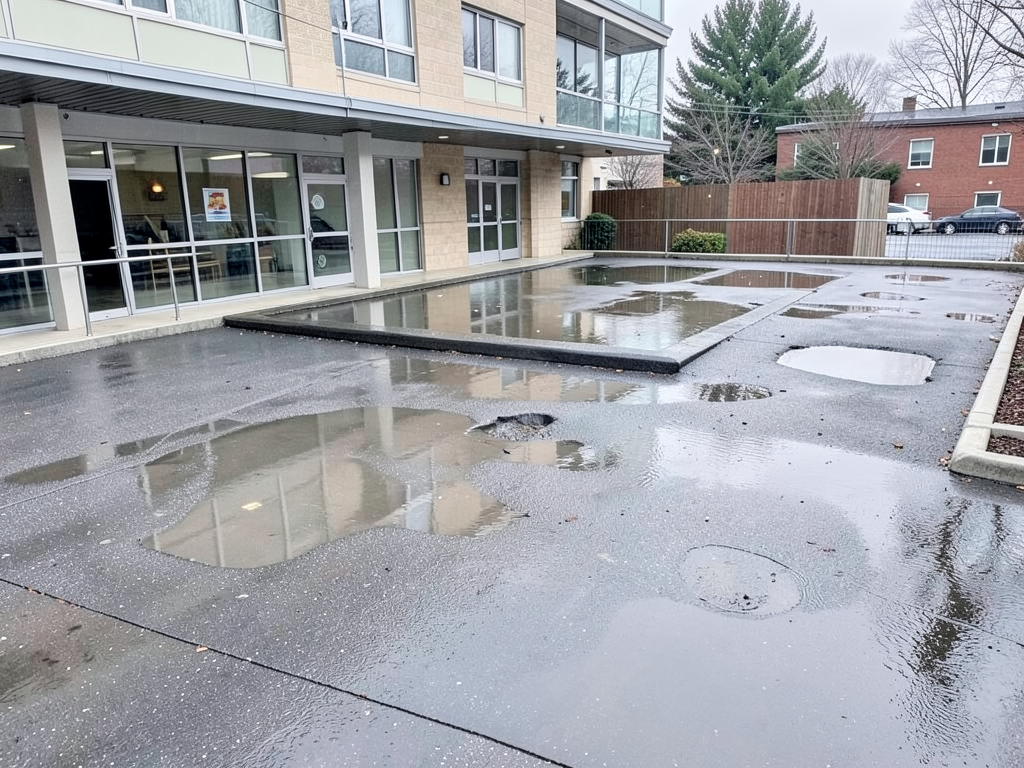
Dealing with roof ponding on older commercial storefronts in Roslindale Roof ponding threatens commercial properties in Roslindale's historic district where water accumulates on flat or low-slope roofs for more than 48 hours after rainfall. Many…

Choosing a roofing material that matches the specific aesthetic of historic homes in Salem \n\n…
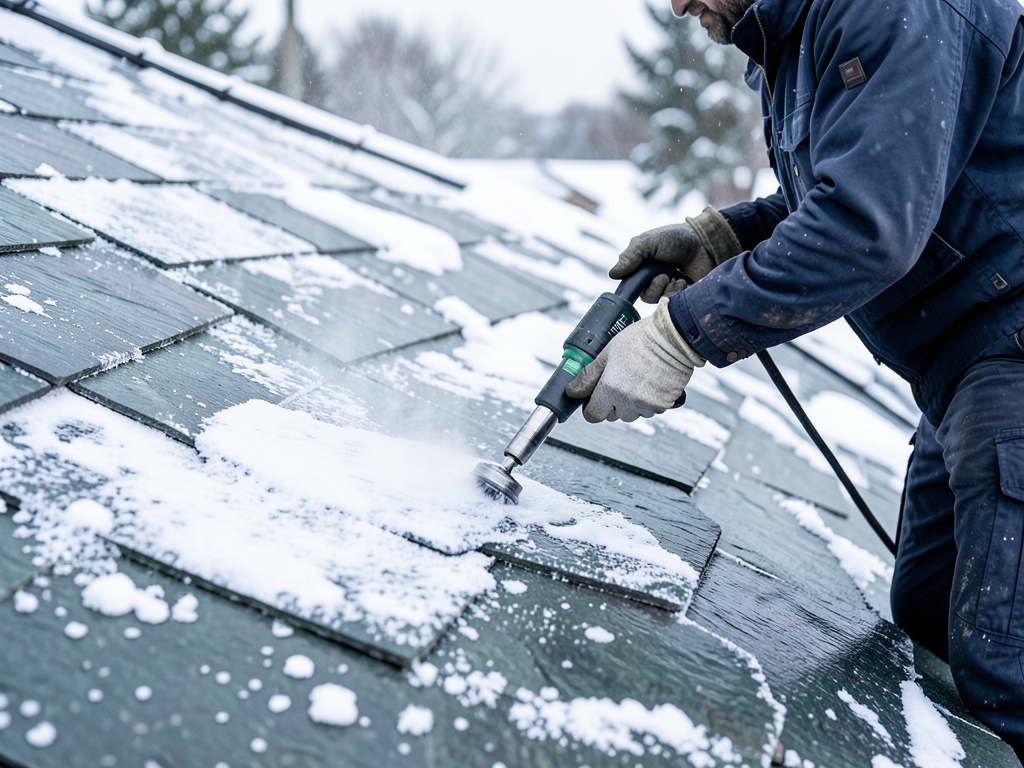
Why steaming is the only safe way to remove ice from a delicate slate roof…
The hidden cost of ignoring minor flashing issues on a Quincy waterfront home Waterfront homes…
Your roof protects everything inside your home. Small problems become expensive failures if ignored. Call Silverline Roofing Boston at (857) 387-1711 for a free inspection and written estimate. We respond the same day to emergency leaks and schedule new installations within days, not weeks. Protect your Fall River home before the next storm.