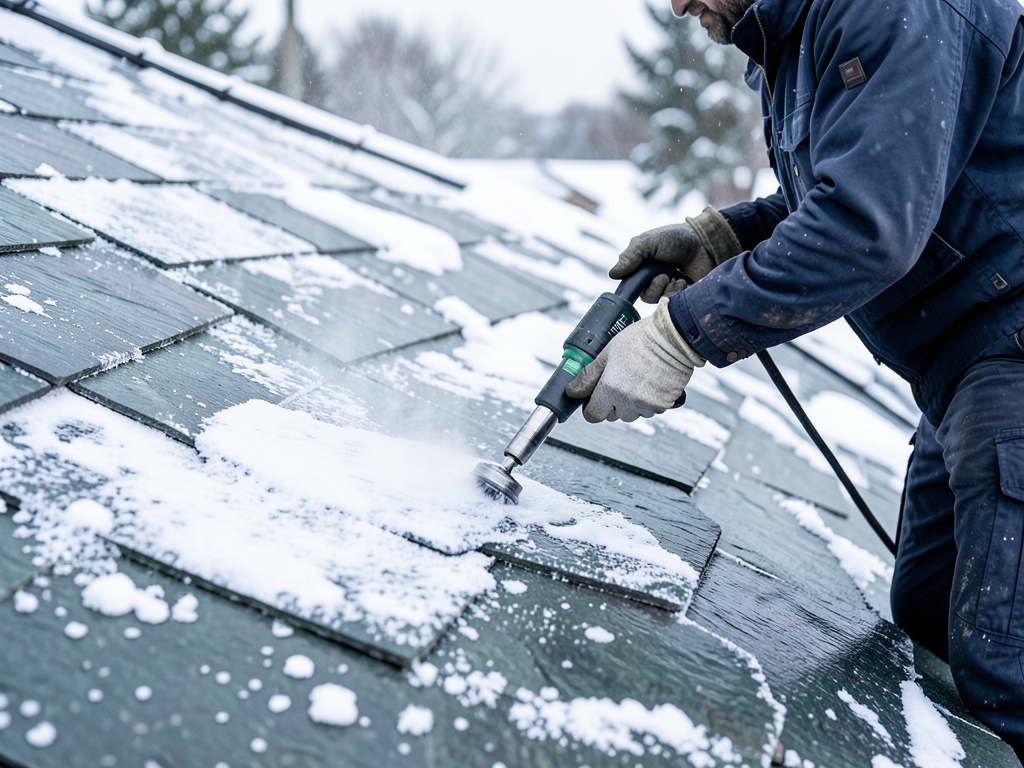







Boston experiences 60 to 80 freeze-thaw cycles annually, more than most East Coast cities. Temperatures swing from 38 degrees during afternoon sun to 22 degrees overnight throughout March and November. This constant expansion and contraction stresses every roof penetration. Skylight installers must account for thermal movement in both the frame and surrounding roofing materials. Properties in neighborhoods like Charlestown and the North End face additional salt air exposure that accelerates corrosion on metal flashing components. Skylight contractors who use galvanized steel instead of copper or stainless steel create failures within five to seven years. The city's dense urban canopy means many homes receive limited sun exposure, making proper condensation control critical for roof window services in shaded locations.
The Boston Landmarks Commission regulates exterior modifications in 10 local historic districts plus individual landmark properties. Skylight specialists working in these areas must submit detailed applications showing materials, dimensions, and placement. Approvals require 30 to 60 days and often mandate specific glass profiles or frame colors to maintain architectural consistency. Skylight companies unfamiliar with this process cause project delays and permit denials. Silverline Roofing Boston works regularly with preservation consultants and commission staff to navigate these requirements. We understand which skylight models meet historic guidelines while delivering modern energy performance. This local expertise matters when you need approvals for properties on Commonwealth Avenue, Beacon Street, or in Bay Village.