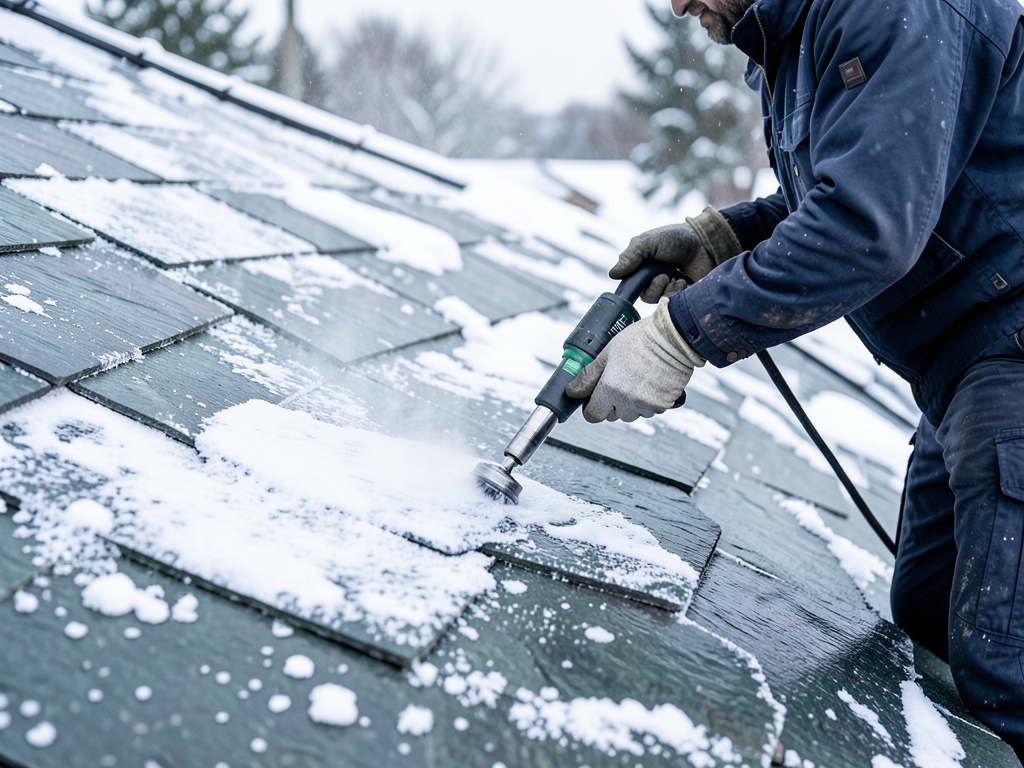








Boston sits at the convergence of three weather systems: Arctic air from Canada, warm Gulf Stream moisture, and Atlantic coastal storms. This creates temperature swings of 40 to 50 degrees within 24 hours during spring and fall. Tile roofing materials expand and contract with these temperature changes. Installations without proper expansion joints, flexible sealants, and engineered fastening systems develop cracks and leaks within the first year. The salt-laden humidity off Boston Harbor corrodes standard galvanized fasteners and metal flashings in just a few seasons, causing tiles to slip or blow off during wind events.
Massachusetts building code requires specific wind load calculations for roof assemblies within three miles of the coast. Most of Boston falls into this high-wind zone. Tile roofing contractors without local experience use fastening patterns designed for inland climates with lower wind requirements. These installations fail inspection or worse, fail catastrophically during nor'easters. Silverline Roofing Boston maintains relationships with local building inspectors and understands the documentation requirements for permit approval. We engineer tile roof systems that pass inspection the first time and protect your property for decades.