





New Bedford sits directly on Buzzards Bay, exposing homes to aggressive coastal conditions that destroy roofing materials faster than anywhere else in Massachusetts. Salt air corrodes metal flashing and fasteners within months. Atlantic storm systems bring wind-driven rain that penetrates even small gaps in shingle installations. Winter nor'easters create ice dams along roof edges, forcing water beneath shingles and into your attic space.
The freeze-thaw cycle hits New Bedford hard. Temperatures swing above and below freezing multiple times each week during winter months. This expansion and contraction cracks shingles, loosens nails, and opens seams in valley flashing. Historic homes throughout the North End and West End feature older roof systems that were never designed to handle modern weather patterns.
New Bedford's coastal location means your roof handles more moisture than inland homes. Morning fog condenses on cool roof surfaces. Afternoon sea breezes carry salt spray into roof valleys and under ridge caps. This constant moisture accelerates rot in roof decking, especially around chimneys and skylight installations. Homes near Clark's Point and Fort Rodman face even more aggressive salt exposure from direct ocean winds.
Silverline Roofing Boston has protected New Bedford homes for years with roofing systems engineered specifically for coastal exposure. We understand the difference between generic installations and roof systems that actually survive on the South Coast. Every crew member receives training on salt air corrosion protection, proper ice dam prevention, and wind uplift resistance required for coastal homes.
We use only materials rated for marine environments. Standard roofing products fail fast in New Bedford. Our shingles carry enhanced wind ratings for coastal zones. Metal components feature marine-grade coatings that resist salt corrosion. Underlayment products provide multiple layers of water protection because we know how wind-driven rain penetrates standard installations.
Our installation methods exceed manufacturer requirements because New Bedford demands it. We add extra fasteners in high-wind zones. We seal every penetration with marine-grade sealants. We install ice and water barrier at least six feet up from roof edges, not the minimum three feet most contractors use. These details cost us more in materials and labor, but they prevent the callback repairs that plague homeowners who chose the lowest bid.
Silverline Roofing Boston maintains full insurance coverage and worker's compensation for every crew member. When we're on your roof, you face zero liability. We pull proper permits for every installation and coordinate all required inspections. Our warranty covers both materials and workmanship because we stand behind every nail we drive.

New Bedford's salt air and nor'easter exposure requires specialized knowledge. We engineer every installation for wind uplift resistance and corrosion protection. Our crew understands how coastal weather destroys standard roofing systems and implements prevention methods that extend roof life by years.

We refuse to install standard products on coastal homes. Every component we use carries enhanced ratings for salt exposure and high winds. Metal flashing features protective coatings that resist corrosion. Fasteners use stainless steel in critical areas. This costs more upfront but prevents premature failure.
We exceed manufacturer requirements on every job. Extra fasteners in wind zones. Extended ice barrier coverage. Multiple sealant applications at every penetration. These enhanced methods prevent the water intrusion and wind damage that plague coastal roofs installed to minimum standards.
We maintain trucks and equipment in New Bedford for fast emergency response. Our crews know local neighborhoods and understand how exposure varies across the city. We coordinate with local inspectors and pull all required permits. Your neighbors trust us because we deliver what we promise.
Silverline Roofing Boston handles every aspect of residential roofing throughout New Bedford and the South Coast region. We provide emergency roof leak repair when storms damage your home. We install complete roof replacement systems engineered for coastal exposure. We perform preventive maintenance that extends roof life and prevents expensive damage.
Our service range covers roof damage repair after wind events, roof patching services for isolated problems, and complete roof tear-offs when your system reaches end of life. We work with all roofing materials common to New Bedford homes, from asphalt shingles to rubber membranes on flat roof sections. Every project receives the same attention to detail whether we're replacing two shingles or installing a complete roof system.
We understand that different situations require different approaches. Emergency leaks need immediate response to prevent water damage. Aging roofs need honest assessment about repair versus replacement. New installations need proper engineering for your specific exposure and home design. Our roofing repair specialists evaluate each situation and recommend solutions based on your actual needs, not what generates the biggest invoice.
New Bedford storms don't wait for business hours. When wind rips shingles off your roof or heavy rain reveals a hidden leak, you need immediate response to prevent water damage inside your home. Our emergency roof leak repair service deploys quickly to stop active leaks and secure damaged areas. We tarp exposed sections, seal penetrations, and implement temporary repairs that protect your home until permanent fixes can be completed. Every emergency call receives same-day response because we understand that water damage costs multiply by the hour.
When your roof reaches end of life, partial repairs waste money. Silverline Roofing Boston installs complete replacement systems engineered specifically for New Bedford's coastal environment. We remove all old materials down to roof decking, inspect and repair structural damage, then install new systems with enhanced wind resistance and corrosion protection. Every replacement includes marine-grade underlayment, extended ice barrier coverage, and stainless fasteners in critical areas. We coordinate permits, inspections, and debris removal so you experience zero hassle during the process.
Most roof leaks start as minor problems that homeowners never notice until water appears on ceilings. Our preventive maintenance program identifies small issues before they cause damage. We inspect flashing around chimneys and vents, check sealants at penetrations, clear debris from valleys, and examine shingles for wind damage or granule loss. Roof patching services address isolated problems immediately. Regular inspections extend roof life by years and prevent the expensive interior damage that happens when small leaks go undetected.
New Bedford's coastal location creates specific roofing problems that inland homes rarely experience. Salt air accelerates material deterioration. Constant wind loosens fasteners and lifts shingle edges. Temperature swings create ice dams that force water beneath roofing materials. Understanding these local challenges helps homeowners recognize problems early and prevent expensive damage.
Historic homes throughout New Bedford face additional challenges. Older roof designs lack proper ventilation, creating moisture problems in attic spaces. Original flashing installations used materials that corrode quickly in salt air. Roof slopes on older homes often fail to meet modern drainage requirements, allowing water to pool during heavy rain. These design limitations require specialized repair approaches that respect historic architecture while implementing modern weather protection.
Homes near the waterfront face the most aggressive exposure. Direct ocean winds carry salt spray that corrodes metal components within months. Morning fog creates constant moisture that prevents roof surfaces from drying completely. These conditions require enhanced materials and installation methods that standard roofing systems cannot provide.
New Bedford's freeze-thaw cycles create ice dams that trap water on your roof. Heat escaping through inadequate attic insulation melts snow on upper roof sections. Meltwater runs down and refreezes at cold roof edges, creating ice barriers. Water backs up behind these dams and seeps beneath shingles, causing leaks and interior damage.
Atlantic storm systems hit New Bedford with sustained winds that exceed shingle ratings on many homes. Wind gets beneath shingle edges and creates uplift forces that pull fasteners through roofing materials. Damaged shingles allow water penetration that spreads to surrounding areas. Homes near exposed waterfront locations face even stronger wind forces.
Metal flashing, fasteners, and trim pieces corrode rapidly in New Bedford's salt air. Standard galvanized materials develop rust within two years of installation. Corroded flashing loses its seal against water penetration. Rusted fasteners lose holding power, allowing wind to lift shingles. This corrosion happens invisibly until leaks develop.
Coastal fog and high humidity keep New Bedford roof systems damp for extended periods. Inadequate attic ventilation traps moisture against roof decking from below. This constant dampness causes wood rot that weakens structural support. Rotted decking cannot hold fasteners properly, allowing shingles to blow off during storms and creating dangerous structural conditions.
Silverline Roofing Boston delivers straightforward service without surprises. When you call about a roofing concern, we schedule a thorough inspection at your convenience. Our estimator examines your entire roof system, checks attic ventilation, inspects flashing details, and identifies all current and potential problems. You receive a detailed written estimate that explains exactly what work we recommend and why each item matters for your specific situation.
We never pressure you into unnecessary work. If your roof needs only minor repairs, we tell you that. If we find problems that will cause failure within months, we explain the risks of delaying replacement. Our goal is to give you accurate information so you can make informed decisions about your home.
Once you approve our estimate, we handle all permit applications and schedule inspections. Our project manager contacts you before crew arrival and remains available throughout the job. We protect landscaping with plywood walkways and tarps. We use magnetic sweeps to collect fallen nails. When work completes, your property looks exactly as it did before we arrived, except your roof actually works.
Our estimators earn salary, not commission. This eliminates the pressure to oversell services you don't need. We inspect your complete roof system and provide written documentation of all findings. Photographs show problem areas. Written estimates explain what work we recommend and what can wait. You receive honest advice about repair versus replacement based on your roof's actual condition, not what generates the biggest sale for us.
Your project manager contacts you before crew arrival each day. We explain what work happens that day and what to expect. If we discover hidden damage during tear-off, we photograph it and explain your options before proceeding. We never perform additional work without your approval. Our crew supervisors speak directly with homeowners and answer questions on site. You always know what's happening with your roof.
Roofing creates debris. We handle all material disposal and leave your property cleaner than we found it. Magnetic sweeps collect metal debris from lawns and driveways. We inspect gutters and downspouts to ensure no roofing debris blocks drainage. Final walkthrough with you confirms that all work meets our quality standards. You receive warranty documentation and maintenance recommendations that help your new roof deliver maximum service life.
Silverline Roofing Boston follows a proven process that delivers quality results without confusion or delays. We break every project into clear phases so you understand exactly what happens and when.
We examine your complete roof system from shingles to structural decking. Our inspector photographs problem areas and checks attic ventilation, flashing details, and drainage patterns. You receive a detailed written estimate that explains all recommended work with clear pricing for each component. We answer your questions and provide honest advice about timing and priorities. No pressure, just information you need to make good decisions.
Our experienced crews arrive on schedule and work efficiently to minimize disruption. We protect your property with tarps and walkways. Tear-off and disposal happen quickly. New installation follows manufacturer specifications with our enhanced coastal methods. We seal every penetration, add extra fasteners in wind zones, and install extended ice barrier protection. Your project manager remains available throughout installation to address any concerns immediately.
We walk the completed roof with you and verify that all work meets our quality standards. Magnetic sweeps remove metal debris from your property. We inspect gutters and ensure proper drainage. You receive complete warranty documentation covering both materials and our workmanship. We provide maintenance recommendations that help your new roof deliver decades of reliable weather protection.
New Bedford falls within coastal wind exposure zones that require enhanced roofing installation methods under Massachusetts building codes. The International Residential Code mandates increased fastener schedules and enhanced edge securement for homes within three miles of the Atlantic coastline. These requirements exist because standard installation methods fail quickly when exposed to sustained coastal winds and salt air exposure.
Wind uplift resistance depends on proper fastener placement and adequate penetration into roof decking. Each shingle requires a minimum of four fasteners for standard installations, but coastal zones demand six fasteners per shingle in edge and ridge areas. Fastener placement must avoid the adhesive strip to prevent compromising the seal between shingle layers. Proper nail depth drives fasteners flush with shingle surfaces without overdriving, which creates holes that allow water penetration.
Ice and water barrier requirements increase substantially in coastal regions. While inland homes need only three feet of coverage from roof edges, New Bedford installations should extend ice barrier at least six feet up from eaves to prevent ice dam damage. This self-adhering membrane creates a waterproof seal that stops water penetration even when ice forces water beneath shingles. Valley areas require full-length ice barrier coverage because these concentrations points for water flow create the highest leak risk.
Metal flashing materials must resist salt air corrosion to maintain long-term weather protection. Standard galvanized steel develops surface rust within months of exposure to coastal conditions. Aluminum flashing provides better corrosion resistance but lacks the structural strength needed for chimney and wall flashing applications. Copper offers the best combination of corrosion resistance and durability but costs significantly more than other options. Many coastal installations now use steel flashing with advanced polymer coatings that provide corrosion protection without copper pricing.
Proper attic ventilation prevents moisture accumulation that causes roof decking deterioration. New Bedford's high humidity creates conditions where inadequate ventilation leads to condensation on the underside of roof decking. This constant moisture promotes wood rot and mold growth that weakens structural integrity. Balanced ventilation systems with adequate intake vents at soffits and exhaust vents at ridge lines create air movement that removes moisture before damage occurs. The building code requires one square foot of ventilation for every 150 square feet of attic space.
Coastal installations require shingles rated for minimum 110 mph wind resistance. Proper fastener placement and quantity create mechanical attachment that prevents wind uplift. Edge zones within three feet of roof perimeters need additional fasteners because wind forces concentrate at these areas. Ridge cap shingles require specialized high-wind installation methods with enhanced sealant application.
Coastal roof systems cost more than inland installations because they require enhanced materials and additional labor. Marine-grade components resist corrosion but carry premium pricing. Extended ice barrier coverage doubles material costs for underlayment. Additional fasteners increase both material and installation time. These enhanced methods add 15 to 25 percent to project costs but prevent premature failure.
Quality coastal installations deliver 20 to 25 years of reliable service when properly maintained. Salt air exposure reduces service life compared to inland roofs by approximately five years. Regular inspections and minor repairs extend roof life by preventing small problems from becoming major failures. Homes with direct ocean exposure face more aggressive conditions that may reduce service life further.
New Bedford requires building permits for all roof replacements and most major repairs. Permit applications must include product specifications and installation details. City inspectors verify proper installation methods during rough inspection before shingle installation and final inspection after project completion. Permits ensure that work meets current building codes and provide documentation for future property sales.
This video explains common roofing problems that New Bedford homeowners face due to coastal weather exposure. Topics include ice dam formation from freeze-thaw cycles, wind damage from Atlantic storms, salt air corrosion of metal components, and moisture damage in roof decking. Silverline Roofing Boston demonstrates proper repair techniques and explains how marine-grade materials and enhanced installation methods prevent premature roof failure in coastal environments. Viewers learn what to look for during roof inspections and when professional roof damage repair becomes necessary.
Silverline Roofing Boston serves every neighborhood throughout New Bedford and the greater South Coast region. We maintain equipment and crews locally for fast response when you need emergency roof leak repair or storm damage assessment. Our service area extends from the historic waterfront districts through residential neighborhoods across the city and into surrounding communities throughout Bristol County.
The North End features many historic homes with older roof systems that require specialized repair approaches. These properties often have complex roof lines with multiple valleys, dormers, and architectural details that demand careful flashing work. We understand how to work with historic buildings while implementing modern weather protection that prevents water damage. Homes near Brooklawn Park and surrounding streets face typical coastal exposure with salt air that requires marine-grade materials.
West End neighborhoods include a mix of historic homes and newer construction. Properties near Buttonwood Park experience less direct ocean exposure but still face aggressive freeze-thaw cycles and wind-driven rain during nor'easters. Our roofing repair specialists frequently work in this area addressing ice dam damage and wind-related shingle loss. The tree cover in this neighborhood creates additional maintenance needs as falling branches damage shingles and leaves clog gutters.
The South End waterfront areas near Clark's Point and Fort Rodman face the most aggressive coastal conditions in New Bedford. Direct ocean winds carry salt spray that corrodes standard roofing materials rapidly. These locations require the most robust installations with enhanced corrosion protection and maximum wind resistance. We install only marine-grade components on homes in this exposure zone because standard materials fail quickly.
Downtown New Bedford and the historic whaling district include many multi-story buildings with flat roof sections and complex drainage systems. These commercial and mixed-use properties need specialized rubber membrane installations and proper drainage design. We handle both residential and commercial roofing throughout the downtown core and coordinate work to minimize disruption to businesses and residents.
Our service area extends beyond New Bedford proper to include Dartmouth, Fairhaven, Acushnet, and other South Coast communities. We understand how exposure varies across the region and adjust our installation methods accordingly. Homes near Route 195 experience different conditions than waterfront properties, and our estimates reflect these location-specific factors. Whether you're in the historic center of New Bedford or surrounding communities, Silverline Roofing Boston delivers the same quality installations engineered for your specific exposure.
New Bedford's coastal climate demands roofing materials built to withstand salt air, heavy rain, and strong winds. Asphalt shingles remain the most popular choice due to their affordability and adequate performance. Metal roofing gains popularity for its superior wind resistance and longevity. Your roof needs regular inspections every 12-18 months to catch damage early. Look for missing shingles, water stains inside your home, and sagging areas. Most residential roofs in the area last 15-25 years depending on material quality and maintenance. Schedule inspections after major storms to prevent small issues from becoming expensive repairs.
New Bedford experiences harsh weather patterns that accelerate roof wear. Salt air from Buzzards Bay corrodes metal components and degrades materials faster than inland areas. Winter ice dams form when snow melts and refreezes at roof edges, causing water backup under shingles. Wind speeds during nor'easters often exceed 50 mph, lifting and tearing shingles. Heavy rainfall tests your drainage system, and poor gutters lead to water infiltration. Humidity promotes moss and algae growth, which traps moisture against roofing materials. Choose materials rated for coastal environments and maintain proper attic ventilation to extend your roof's lifespan.
Get at least three written estimates from local contractors before deciding. Each estimate should detail material specifications, labor scope, timeline, and payment schedule. Check contractor references and review their recent projects in your neighborhood. Verify they carry workers' compensation coverage to protect you from liability. Ask about material warranties and workmanship guarantees. Spring and fall offer the best weather windows for installation, though quality contractors stay busy year-round. Avoid contractors who demand full payment upfront or pressure you into immediate decisions. Read all contracts thoroughly before signing.
New Bedford's coastal climate demands roofing materials built to withstand salt air, heavy rain, and strong winds. Asphalt shingles remain the most popular choice due to their affordability and adequate performance. Metal roofing gains popularity for its superior wind resistance and longevity. Your roof needs regular inspections every 12-18 months to catch damage early. Look for missing shingles, water stains inside your home, and sagging areas. Most residential roofs in the area last 15-25 years depending on material quality and maintenance. Schedule inspections after major storms to prevent small issues from becoming expensive repairs.
New Bedford experiences harsh weather patterns that accelerate roof wear. Salt air from Buzzards Bay corrodes metal components and degrades materials faster than inland areas. Winter ice dams form when snow melts and refreezes at roof edges, causing water backup under shingles. Wind speeds during nor'easters often exceed 50 mph, lifting and tearing shingles. Heavy rainfall tests your drainage system, and poor gutters lead to water infiltration. Humidity promotes moss and algae growth, which traps moisture against roofing materials. Choose materials rated for coastal environments and maintain proper attic ventilation to extend your roof's lifespan.
Get at least three written estimates from local contractors before deciding. Each estimate should detail material specifications, labor scope, timeline, and payment schedule. Check contractor references and review their recent projects in your neighborhood. Verify they carry workers' compensation coverage to protect you from liability. Ask about material warranties and workmanship guarantees. Spring and fall offer the best weather windows for installation, though quality contractors stay busy year-round. Avoid contractors who demand full payment upfront or pressure you into immediate decisions. Read all contracts thoroughly before signing.
Missing or curling shingles indicate your roof needs attention soon. Water stains on ceilings or walls mean active leaks requiring immediate repair. Granules accumulating in gutters show shingle deterioration. Sagging roof sections suggest structural problems needing urgent evaluation. Daylight visible through roof boards from your attic signals gaps where water enters. Increased energy bills often result from poor attic insulation or ventilation related to roof condition. Your roof age matters too. Most asphalt shingle roofs need replacement after 20 years. Address these warning signs quickly to prevent interior damage and higher repair expenses.
Asphalt shingles cost less upfront and work well for most New Bedford homes. They come in various colors and styles to match your aesthetic preferences. Metal roofing offers superior durability and wind resistance, lasting 40-70 years with minimal maintenance. Rubber membrane roofing works well for flat or low-slope roofs common in the area. Slate provides exceptional longevity but requires structural support due to its weight. Wood shakes offer natural beauty but need more maintenance in coastal climates. Consider your budget, home style, and long-term plans when selecting materials. Your contractor should recommend options suited to local conditions.
Most roofing projects in New Bedford take 1-3 days for standard residential homes. Complex roof designs or larger houses need 4-7 days. Weather delays extend timelines, especially during spring and fall when rain interrupts work. Your contractor should protect your home with tarps if weather threatens during installation. Preparation work includes removing old materials, repairing damaged decking, and installing underlayment. The installation process creates noise and vibration throughout your home. Move vehicles away from the work area to prevent damage from falling debris. Plan to stay home or arrange alternative accommodations if noise sensitivity is a concern.
Professional roof inspections identify problems before they cause serious damage. Inspectors examine shingles, flashing, gutters, vents, and chimneys for wear or damage. They check your attic for proper ventilation, insulation, and moisture issues. Most inspections take 45-90 minutes depending on roof size and complexity. You receive a detailed report with photos documenting current condition and recommended repairs. Schedule inspections after purchasing a home, before selling, and every 2-3 years for maintenance. Post-storm inspections help document damage for potential claims. Annual inspections make sense for roofs older than 15 years or after severe weather events.
Clean your gutters twice yearly to prevent water backup and ice dams. Trim overhanging tree branches that drop debris and scrape shingles during wind. Remove moss and algae growth promptly to prevent moisture retention. Check flashing around chimneys, vents, and skylights for separation or rust. Replace missing or damaged shingles immediately to prevent water infiltration. Ensure proper attic ventilation to reduce heat and moisture buildup. Never pressure wash your roof, as it damages shingles and reduces their lifespan. Inspect after major storms for wind or hail damage. These simple steps extend your roof's life and prevent expensive emergency repairs.
Document damage with photos immediately after a storm. Contact your insurance company to report the claim within your policy timeframe. Your insurer sends an adjuster to assess damage and determine coverage. Get independent contractor estimates to compare against the insurance assessment. Your deductible applies before insurance pays the remaining covered amount. Some policies cover full replacement while others pay actual cash value minus depreciation. Keep all receipts and documentation throughout the repair process. Understand your policy limits and coverage exclusions before filing. Work with contractors experienced in insurance claims to ensure proper documentation and fair settlements.
Flat roofs need specialized materials like EPDM rubber, TPO, or modified bitumen. These systems handle standing water better than sloped roof materials. Proper drainage is critical to prevent pooling and premature failure. Flat roofs require more frequent inspections because problems develop faster than on sloped roofs. Membrane seams and penetrations need careful attention during installation and maintenance. Expect flat roofs to last 10-25 years depending on material choice and maintenance quality. Budget for professional inspections twice yearly. Address small repairs quickly to prevent extensive water damage to your building structure and interior spaces.
Missing or curling shingles indicate your roof needs attention soon. Water stains on ceilings or walls mean active leaks requiring immediate repair. Granules accumulating in gutters show shingle deterioration. Sagging roof sections suggest structural problems needing urgent evaluation. Daylight visible through roof boards from your attic signals gaps where water enters. Increased energy bills often result from poor attic insulation or ventilation related to roof condition. Your roof age matters too. Most asphalt shingle roofs need replacement after 20 years. Address these warning signs quickly to prevent interior damage and higher repair expenses.
Asphalt shingles cost less upfront and work well for most New Bedford homes. They come in various colors and styles to match your aesthetic preferences. Metal roofing offers superior durability and wind resistance, lasting 40-70 years with minimal maintenance. Rubber membrane roofing works well for flat or low-slope roofs common in the area. Slate provides exceptional longevity but requires structural support due to its weight. Wood shakes offer natural beauty but need more maintenance in coastal climates. Consider your budget, home style, and long-term plans when selecting materials. Your contractor should recommend options suited to local conditions.
Most roofing projects in New Bedford take 1-3 days for standard residential homes. Complex roof designs or larger houses need 4-7 days. Weather delays extend timelines, especially during spring and fall when rain interrupts work. Your contractor should protect your home with tarps if weather threatens during installation. Preparation work includes removing old materials, repairing damaged decking, and installing underlayment. The installation process creates noise and vibration throughout your home. Move vehicles away from the work area to prevent damage from falling debris. Plan to stay home or arrange alternative accommodations if noise sensitivity is a concern.
Professional roof inspections identify problems before they cause serious damage. Inspectors examine shingles, flashing, gutters, vents, and chimneys for wear or damage. They check your attic for proper ventilation, insulation, and moisture issues. Most inspections take 45-90 minutes depending on roof size and complexity. You receive a detailed report with photos documenting current condition and recommended repairs. Schedule inspections after purchasing a home, before selling, and every 2-3 years for maintenance. Post-storm inspections help document damage for potential claims. Annual inspections make sense for roofs older than 15 years or after severe weather events.
Clean your gutters twice yearly to prevent water backup and ice dams. Trim overhanging tree branches that drop debris and scrape shingles during wind. Remove moss and algae growth promptly to prevent moisture retention. Check flashing around chimneys, vents, and skylights for separation or rust. Replace missing or damaged shingles immediately to prevent water infiltration. Ensure proper attic ventilation to reduce heat and moisture buildup. Never pressure wash your roof, as it damages shingles and reduces their lifespan. Inspect after major storms for wind or hail damage. These simple steps extend your roof's life and prevent expensive emergency repairs.
Document damage with photos immediately after a storm. Contact your insurance company to report the claim within your policy timeframe. Your insurer sends an adjuster to assess damage and determine coverage. Get independent contractor estimates to compare against the insurance assessment. Your deductible applies before insurance pays the remaining covered amount. Some policies cover full replacement while others pay actual cash value minus depreciation. Keep all receipts and documentation throughout the repair process. Understand your policy limits and coverage exclusions before filing. Work with contractors experienced in insurance claims to ensure proper documentation and fair settlements.
Flat roofs need specialized materials like EPDM rubber, TPO, or modified bitumen. These systems handle standing water better than sloped roof materials. Proper drainage is critical to prevent pooling and premature failure. Flat roofs require more frequent inspections because problems develop faster than on sloped roofs. Membrane seams and penetrations need careful attention during installation and maintenance. Expect flat roofs to last 10-25 years depending on material choice and maintenance quality. Budget for professional inspections twice yearly. Address small repairs quickly to prevent extensive water damage to your building structure and interior spaces.
We are proud to be a locally rooted business serving the entire Greater Boston area, from the North End to the South Shore, and all surrounding communities. Our centrally located office ensures we can rapidly deploy our expert crews for everything from routine repairs in Cambridge to full installations in Quincy. Use the interactive map below to see our main location and confirm that your property is within our primary service area. We look forward to connecting with you soon for your next reliable roofing project!
Address:
New Bedford, MA, 2744
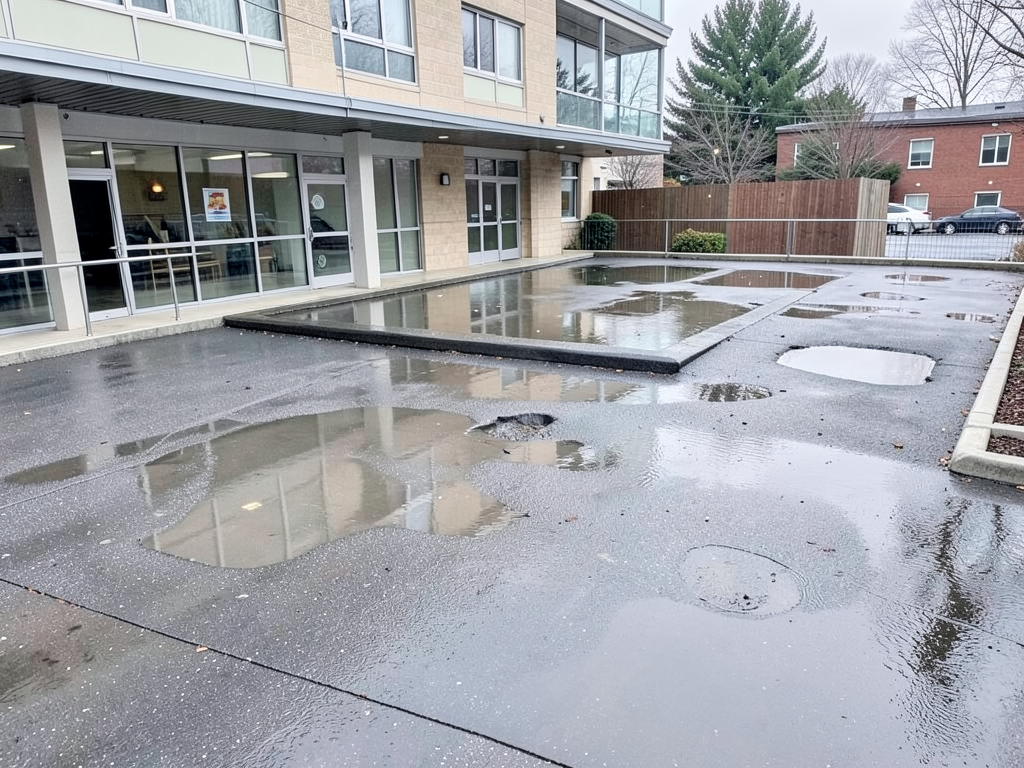
Dealing with roof ponding on older commercial storefronts in Roslindale Roof ponding threatens commercial properties in Roslindale's historic district where water accumulates on flat or low-slope roofs for more than 48 hours after rainfall. Many…

Choosing a roofing material that matches the specific aesthetic of historic homes in Salem \n\n…
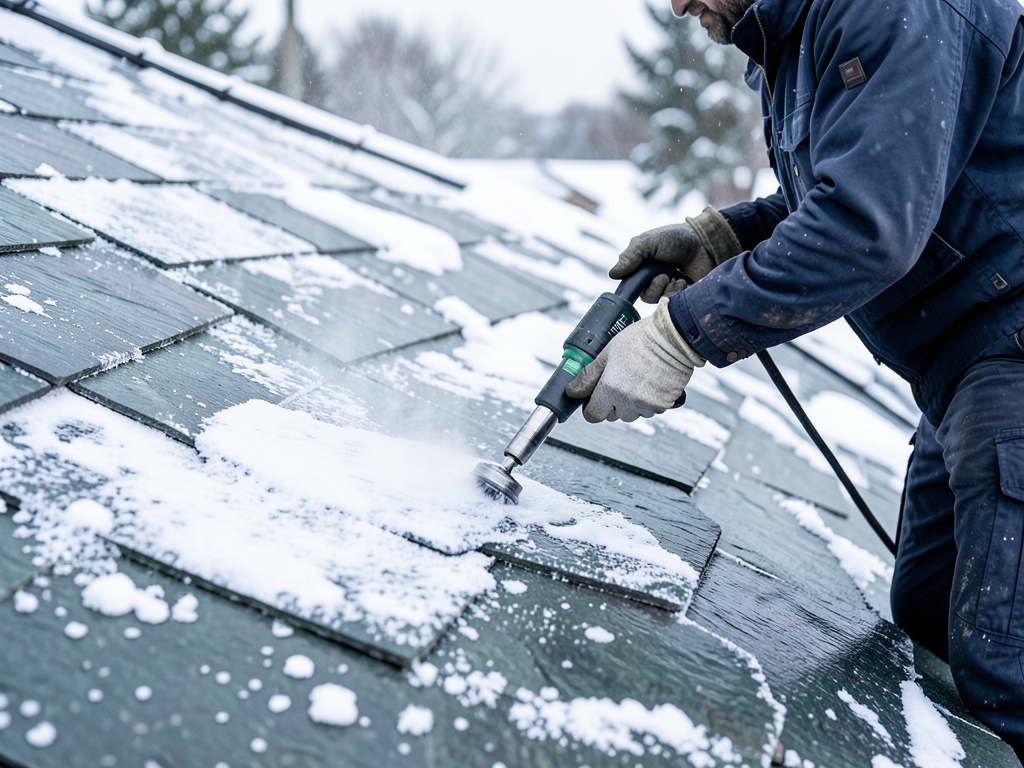
Why steaming is the only safe way to remove ice from a delicate slate roof…
The hidden cost of ignoring minor flashing issues on a Quincy waterfront home Waterfront homes…
Don't wait for a small problem to become expensive water damage. Call Silverline Roofing Boston at (857) 387-1711 for a thorough roof inspection and honest assessment. We serve all of New Bedford with fast response and quality workmanship you can trust.