





Boston's coastal location creates a brutal environment for roofing materials. Salt air from the harbor corrodes fasteners and metal flashing. Winter brings rapid freeze-thaw cycles that crack asphalt shingles and lift edges. Ice dams form when heat escapes through poorly ventilated attics, melting snow that refreezes at the eaves and forces water under shingles. Nor'easters drive rain sideways, testing every seal around chimneys and skylights.
The city's historic triple-deckers and row houses create unique challenges. Shared walls trap moisture. Flat roofs on South End brownstones pool water. Steep Victorian roofs in Jamaica Plain shed snow onto lower sections, creating stress points. Proximity to trees in neighborhoods like Brookline means constant debris and moss growth.
Massachusetts building codes require ice and water shield in vulnerable areas, but installation quality matters more than code minimum. A roof installed correctly in Newton might last 25 years. The same materials installed poorly in Charlestown might fail in 10. Wind uplift from coastal storms, UV exposure on south-facing slopes, and temperature swings from 95 degrees in summer to subzero in winter all accelerate wear. Your roof needs to handle conditions that homes in Worcester or Springfield never face.
Silverline Roofing Boston has protected Boston homes through decades of coastal weather. We learned roofing on triple-deckers in Southie and mansions in Chestnut Hill. We know how to flash chimneys on brick row houses, ventilate attics to prevent ice dams, and install standing seam metal on flat sections that pool water. We have replaced roofs damaged by the 2018 bomb cyclone and the 2015 blizzards that dumped nine feet of snow in three weeks.
Our crews understand Boston's architectural variety. We work on slate roofs in Back Bay, cedar shake in Wellesley, rubber membrane on South End row houses, and asphalt shingles on suburban colonials. We coordinate with historic commissions in Beacon Hill. We navigate the permitting requirements in Cambridge. We schedule around parking restrictions in the North End.
We use roofing materials rated for coastal exposure. Our underlayments resist salt air corrosion. Our ventilation systems prevent the attic heat that causes ice dams. We install drip edge and ice shields beyond code minimum because we have seen what happens when corners get cut. We warranty our work because we stand behind installations that last.
Other contractors treat Boston like any other city. We know the difference between a roof in Allston and a roof in Scituate. We have repaired damage from harbor wind and patched leaks caused by ice dams. We return calls fast because roof leaks do not wait. Choose a contractor who understands what Boston weather does to roofing systems.

Silverline Roofing Boston has installed and repaired roofs through nor'easters, blizzards, and hurricane remnants. We use fastening patterns engineered for coastal wind loads and flashing details that resist salt air corrosion. Your roof faces conditions that inland homes never see. We build systems that handle the abuse Boston delivers year after year.

Ice dams form when heat escapes through your attic, melting snow that refreezes at the eaves and forces water under shingles. We install proper ventilation and insulation to keep attic temperatures consistent. We add ice and water shield beyond code minimum in vulnerable areas. Preventing ice dams requires understanding building science, not just nailing shingles.
Boston's housing stock ranges from 1800s brownstones to modern condos. Silverline Roofing Boston has worked on Victorian mansions, triple-deckers, colonial revivals, and contemporary designs. We understand how to flash chimneys on brick row houses, ventilate low-slope additions, and match existing slate or cedar shake. Different buildings require different approaches. We adapt our methods to your home's construction.
Massachusetts requires specific wind ratings, ice dam protection, and underlayment standards. Boston, Cambridge, Brookline, and Newton each have additional permitting requirements. Historic districts add preservation guidelines. Silverline Roofing Boston navigates these regulations daily. We pull permits, coordinate inspections, and document installations to satisfy municipal requirements. You get a roof that meets all codes without delays.
Silverline Roofing Boston handles every roofing challenge Boston homeowners face. We install new roofing systems on additions and whole-house replacements. We repair storm damage, patch roof leaks, and stop ice dam damage before it ruins ceilings. We maintain flat roofs on row houses and inspect shingle roofs for insurance claims.
Our roof damage repair specialists respond to emergencies and schedule planned replacements. We work with insurance adjusters after storms. We coordinate with historic commissions in protected districts. Whether you need a roof patching service for a small leak or a complete tear-off and replacement, Silverline Roofing Boston delivers work that lasts.
Boston's climate demands different approaches for different problems. Emergency roof leak repair requires immediate tarping and temporary seals. Planned replacements allow proper material selection and ventilation upgrades. Preventive maintenance extends roof life by catching small problems before they become expensive failures. We match our service to your situation, using roofing repair contractors who understand what each job requires.
When your roof leaks during a nor'easter or ice dam water pours through your ceiling, Silverline Roofing Boston responds fast. We tarp damaged sections, seal active leaks, and prevent further water intrusion. Our emergency roof leak repair service stops damage immediately, then we return to complete permanent repairs. We document storm damage for insurance claims. Wind-lifted shingles, punctured membranes, and ice dam leaks require immediate attention. We arrive equipped to handle whatever caused the failure.
Roofs eventually wear out. Asphalt shingles last 20 to 25 years in Boston's climate. When your roof reaches end of life, Silverline Roofing Boston installs replacement systems engineered for coastal conditions. We tear off old materials, inspect and repair decking, install proper underlayment and ventilation, and apply new shingles or metal roofing. Our roofing repair contractors upgrade attic ventilation to prevent ice dams and install drip edge to protect fascia. Replacement is an opportunity to fix problems the original installation missed.
Regular maintenance extends roof life and catches problems early. Silverline Roofing Boston inspects flashing around chimneys and skylights, clears debris from valleys, seals minor cracks before they leak, and documents roof condition. We check attic ventilation, look for signs of ice dam damage, and identify shingles nearing failure. Preventive maintenance costs less than emergency repairs. Our roof patching services fix small problems before they become big leaks. Maintenance matters most on older roofs approaching replacement age.
Boston's coastal climate and architectural variety create specific roofing challenges. Freeze-thaw cycles crack shingles. Ice dams force water under flashing. Salt air corrodes metal components. Nor'easters lift shingles and tear off ridge vents. Flat roofs on row houses pool water. Steep Victorian roofs shed snow onto lower sections, creating stress and leaks.
Silverline Roofing Boston repairs damage from all these causes. We understand how Boston weather attacks roofing systems. We have patched leaks caused by ice dams in West Roxbury, replaced wind-damaged shingles in Revere, and sealed flat roofs in the South End. Each problem requires specific diagnosis and repair methods. Generic fixes fail fast. Our roofing repair specialists match solutions to the actual cause of failure, not just symptoms.
Ice dams form when escaping attic heat melts snow. Water runs down and refreezes at cold eaves, creating ice that backs water under shingles. This water leaks through ceilings, stains walls, and damages insulation. Ice dam damage happens fast during thaws. Silverline Roofing Boston stops active leaks, then fixes the ventilation and insulation problems that cause ice dams. Prevention requires proper attic airflow and temperature control.
Coastal wind catches shingle edges and tears them loose. Once a few shingles lift, wind gets underneath adjacent shingles and damage spreads. Nor'easters and hurricane remnants create uplift forces that test every fastener. Silverline Roofing Boston replaces wind-damaged sections and uses proper nailing patterns for coastal exposure. Shingles installed with insufficient fasteners fail first. We secure replacements to handle the wind Boston delivers.
Chimneys penetrate roofs and create vulnerable intersections. Flashing seals the gap between masonry and roofing. When flashing corrodes, separates, or was installed incorrectly, water leaks around chimneys. Boston's brick row houses and older homes have chimneys that require proper counter-flashing and step-flashing. Silverline Roofing Boston removes failed flashing, repairs masonry if needed, and installs new flashing that channels water away from the chimney base.
Many Boston row houses and additions have flat or low-slope roofs. These roofs pool water after rain or snowmelt. Standing water accelerates membrane deterioration and finds any weak seam or puncture. Silverline Roofing Boston repairs rubber membrane roofs, improves drainage, and seals leaking seams. Flat roofs require different materials and techniques than pitched roofs. We match repair methods to roof construction and identify why water is pooling.
Silverline Roofing Boston manages roofing projects with clear communication and quality focus. When you call about a roof leak or replacement, we schedule an inspection fast. We explain what we find in plain language. We provide written estimates that detail materials, labor, and timeline. We pull required permits and coordinate inspections.
During work, we protect your property with tarps and careful material handling. We complete projects efficiently without rushing quality. We clean up thoroughly and remove all debris. After completion, we walk you through the finished work and explain warranty coverage. You get a roof that performs and a process that respects your time and property.
Roof leaks and storm damage require immediate attention. Silverline Roofing Boston responds to emergency calls quickly. We assess damage, stop active water intrusion with tarps or temporary seals, and provide an estimate for permanent repairs. During busy storm seasons, we prioritize based on severity. If your ceiling is leaking, we treat it as urgent. We document damage for insurance claims and coordinate with adjusters. You get fast protection and a clear path to complete repair.
Silverline Roofing Boston inspects roofs from the attic to the ridge. We check ventilation, look for leak sources, assess material condition, and photograph damage. We explain what we find and recommend repairs based on actual needs, not upselling. Our written estimates detail materials, labor, permits, and timeline. We discuss options when multiple approaches work. You make informed decisions based on complete information about your roof's condition and repair costs.
During installation, Silverline Roofing Boston protects landscaping, siding, and windows. We work efficiently but never rush quality steps like flashing installation or ventilation setup. We follow manufacturer specifications for warranty compliance. After work completes, we remove all debris, sweep driveways, and use magnets to collect stray nails. We inspect the completed roof and walk you through the work. You get a roof that performs and a property that looks clean when we leave.
Silverline Roofing Boston makes the roofing process straightforward. You describe your roof issue, we inspect and diagnose the problem, and we complete repairs or replacement that lasts.
You call Silverline Roofing Boston to report a leak, schedule a replacement estimate, or request a roof inspection. We schedule an appointment and arrive on time. Our roofing repair specialists examine your roof from inside the attic and outside on the roof surface. We identify leak sources, assess material condition, check ventilation and flashing, and photograph problems. We explain what we found, what caused the problem, and what repairs will fix it permanently.
After you approve the estimate, we schedule your project. For repairs, we often complete work the same week. For replacements, we order materials and pull permits. On project day, our crew arrives with all materials and equipment. We protect your property, complete the roofing work to manufacturer specifications, pass required inspections, and verify quality. We keep you informed about progress and any unexpected conditions we find during tear-off or repair.
When work finishes, we clean your property completely. We walk you through the completed roof, explaining what we did and how to maintain it. We provide warranty documentation covering materials and labor. We answer questions about your new roof or repairs. If you ever have concerns after completion, call us. Silverline Roofing Boston stands behind every installation and repair. Your roof is protected and you have contact information for future needs.
Massachusetts building code requires roofing systems to meet specific wind resistance, fire ratings, and ice dam protection standards. The 9th Edition Massachusetts Building Code adopts International Residential Code provisions with state amendments addressing New England climate. Wind speed requirements vary by location, with coastal areas requiring higher uplift resistance. Boston falls in a 115 mph wind zone, requiring shingles rated for high wind and proper fastening patterns.
Ice and water shield must extend from the eave edge to at least 24 inches inside the exterior wall line. In Boston's climate, best practice extends ice shield further up the roof, particularly in valleys where ice dams form frequently. Underlayment must meet ASTM D226 or D4869 standards. Ventilation requirements specify net free ventilation area ratios to prevent moisture accumulation and ice dam formation.
Flashing around chimneys, skylights, and wall intersections must be installed per manufacturer specifications. Counter-flashing on masonry chimneys requires proper embedment in mortar joints. Step-flashing at wall intersections must interweave with each shingle course. Drip edge installation is required at eaves and rakes to protect fascia and direct water away from the building.
Permit requirements vary by municipality. Boston requires permits for roof replacement but not always for repairs under a certain square footage. Cambridge, Brookline, and Newton each have specific application processes. Historic districts require additional review by preservation commissions. Work in these areas must match existing materials or receive approval for changes. Silverline Roofing Boston handles permitting and coordinates required inspections to ensure code compliance.
Boston's coastal location requires shingles rated for high wind. Class F shingles resist winds up to 110 mph. Class H shingles handle 150 mph. Proper fastening matters as much as shingle rating. Six nails per shingle in a specific pattern prevents uplift. Shingles installed with four nails or improper placement fail in moderate wind. Silverline Roofing Boston uses fastening patterns engineered for coastal exposure.
Roofing costs depend on roof area, pitch, complexity, material choice, and existing condition. Steep roofs require additional safety equipment. Multiple valleys, skylights, and chimneys increase labor. Removing multiple old layers adds disposal costs. Decking repairs after tear-off affect price. Material choice ranges from standard asphalt shingles to architectural shingles to metal or slate. Proper ventilation and ice dam prevention add value but increase upfront cost.
Asphalt shingle roofs last 20 to 25 years in Boston's climate. Coastal exposure, south-facing slopes, and inadequate ventilation shorten lifespan. Architectural shingles outlast three-tab shingles. Metal roofing lasts 40 to 50 years. Slate can last 100 years if properly maintained. Installation quality affects longevity more than material grade. A roof installed correctly with proper ventilation reaches expected lifespan. Poor installation fails early regardless of shingle quality.
Homeowner insurance covers roof damage from wind, hail, and falling objects. Ice dam damage coverage varies by policy. Storm damage requires documentation with photos and professional assessment. Manufacturers warrant shingle materials for 25 to 50 years depending on grade. Labor warranties from contractors typically cover 5 to 10 years. Silverline Roofing Boston provides written warranties covering installation workmanship. We document installations to support manufacturer material warranties.
This video explains common roofing problems Boston homeowners face due to coastal weather conditions. Learn about ice dam formation, wind damage, flashing failures, and proper repair methods. Silverline Roofing Boston covers emergency roof leak repair, complete roof replacement, and preventive maintenance for homes throughout the greater Boston metro area. Topics include Massachusetts building code requirements, wind rating standards, proper ventilation systems, and material selection for coastal exposure.
Silverline Roofing Boston serves homeowners throughout the greater Boston metro area. We work in downtown neighborhoods like Back Bay, Beacon Hill, and the South End where historic row houses require careful flashing and preservation-compliant materials. We install and repair roofs in Charlestown and the North End where narrow streets and parking restrictions require coordinated logistics. Our crews handle projects in South Boston, Dorchester, and Roxbury on triple-deckers and multi-family buildings with shared roof systems.
West of the city, we serve Jamaica Plain, Roslindale, and West Roxbury where single-family homes face ice dam challenges on complex rooflines. We work throughout Cambridge, Somerville, and Medford where Victorian and colonial homes need roofing systems that match existing architecture. In Brookline, Newton, and Wellesley, we install premium roofing materials on larger homes and coordinate with local building departments on permit requirements.
North Shore communities like Revere, Chelsea, and Winthrop face intense coastal exposure. Salt air and harbor wind accelerate roofing material deterioration. We use fastening methods and flashing details engineered for this harsh environment. South Shore towns experience similar coastal conditions requiring specialized knowledge of wind uplift and corrosion resistance.
Each area presents unique challenges. Urban neighborhoods have parking restrictions and require protection of adjacent properties during tear-off. Suburban communities often have larger roofs with multiple levels and complex valleys. Historic districts require matching existing materials or obtaining approval for changes. Coastal areas demand wind-resistant installation and corrosion-resistant components.
Silverline Roofing Boston understands these local differences. We adapt our approach to your neighborhood's requirements, your home's architecture, and the specific weather challenges your location faces. Whether you live near the harbor, in the suburbs, or in a historic district, we deliver roofing work that protects your home and meets local standards. Call us for roofing service anywhere in metro Boston.
A 2000 square foot roof replacement in Boston typically involves multiple cost factors. Material choice drives the price: asphalt shingles run less than architectural shingles, while metal or slate cost significantly more. Boston's freeze-thaw cycles demand quality underlayment and ice dam protection, which adds to labor. Tear-off costs depend on existing layers. Complexity matters: dormers, chimneys, and steep pitches increase labor hours. Boston-area permits and disposal fees also factor in. Get three written estimates from licensed contractors who inspect your roof in person. Beware of quotes given over the phone without a site visit.
Boston roof replacement costs vary widely based on size, material, and structural complexity. A standard asphalt shingle roof on a ranch-style home costs less than a multi-story Victorian with multiple valleys and skylights. Boston's climate requires upgraded ice and water shield at eaves and valleys to prevent ice dam damage, which increases material costs. Labor rates in the metro area reflect local living costs. Permits from Boston's Inspectional Services Department add fees. Flashing replacement around chimneys and vents adds to the total. Request itemized estimates that break down materials, labor, permits, and disposal fees for accurate comparison.
Watch for these red flags. A roofer who skips a physical inspection and quotes over the phone lacks credibility. Pressure tactics like "today only" discounts signal desperation. Vague contracts without material specifications, start dates, or payment schedules hide problems. Ask for proof of Massachusetts Home Improvement Contractor registration and liability insurance. Check references in Boston neighborhoods similar to yours. A roofer who badmouths competitors instead of explaining their own process is deflecting. Request manufacturer certifications for the products they propose. Trust your gut: if answers feel evasive or too smooth, get a second opinion before signing anything.
A 2000 square foot roof replacement in Boston typically involves multiple cost factors. Material choice drives the price: asphalt shingles run less than architectural shingles, while metal or slate cost significantly more. Boston's freeze-thaw cycles demand quality underlayment and ice dam protection, which adds to labor. Tear-off costs depend on existing layers. Complexity matters: dormers, chimneys, and steep pitches increase labor hours. Boston-area permits and disposal fees also factor in. Get three written estimates from licensed contractors who inspect your roof in person. Beware of quotes given over the phone without a site visit.
Boston roof replacement costs vary widely based on size, material, and structural complexity. A standard asphalt shingle roof on a ranch-style home costs less than a multi-story Victorian with multiple valleys and skylights. Boston's climate requires upgraded ice and water shield at eaves and valleys to prevent ice dam damage, which increases material costs. Labor rates in the metro area reflect local living costs. Permits from Boston's Inspectional Services Department add fees. Flashing replacement around chimneys and vents adds to the total. Request itemized estimates that break down materials, labor, permits, and disposal fees for accurate comparison.
Watch for these red flags. A roofer who skips a physical inspection and quotes over the phone lacks credibility. Pressure tactics like "today only" discounts signal desperation. Vague contracts without material specifications, start dates, or payment schedules hide problems. Ask for proof of Massachusetts Home Improvement Contractor registration and liability insurance. Check references in Boston neighborhoods similar to yours. A roofer who badmouths competitors instead of explaining their own process is deflecting. Request manufacturer certifications for the products they propose. Trust your gut: if answers feel evasive or too smooth, get a second opinion before signing anything.
A 20-year-old asphalt shingle roof in Massachusetts nears the end of its lifespan. Boston's freeze-thaw cycles, ice dams, and nor'easters accelerate aging. Inspect for curling, missing granules, cracked shingles, or daylight visible through the attic. Check flashing around chimneys and vents for rust or gaps. If repairs exceed 30 percent of replacement cost, replace the entire roof. Consider your timeline: if you plan to sell within two years, a new roof boosts value. Insurance companies scrutinize older roofs and may limit coverage. Schedule a professional inspection to assess remaining life and prioritize replacement before leaks cause interior damage.
Late fall and early winter offer the best pricing in Boston. Demand drops after October as homeowners delay projects until spring. Roofers offer discounts to keep crews working through November and December. Avoid summer and early fall when demand peaks and schedules fill months ahead. Spring brings unpredictable weather that delays projects. Winter installations work fine for asphalt shingles if temperatures stay above freezing, though snow can pause work. January and February see the lowest demand but weather limits working days. Book during the off-season for better rates and faster scheduling, but confirm your contractor can handle Boston winter conditions safely.
Labor represents the largest single cost in roof replacement. Skilled roofers command fair wages in Boston's competitive market. Tear-off and disposal of old materials require significant labor hours and dump fees. Material costs follow closely: underlayment, ice and water shield, drip edge, and flashing add up quickly. Boston building codes require upgraded underlayment for ice dam prevention, increasing material expenses. Structural repairs discovered during tear-off, like rotted decking or truss damage, spike costs unexpectedly. Waste factor for complex roofs with valleys and hips increases material needs. Quality materials cost more upfront but last longer in New England weather, saving money long-term.
Asphalt shingles cost less upfront than metal roofing in Boston. A standard shingle roof runs significantly lower than standing seam metal. Metal roofs last 50-plus years compared to 20-25 for shingles, which shifts the value equation. Metal sheds snow easily, preventing ice dams common in Boston winters. It resists wind damage better during nor'easters. Factor in lifetime costs: you may replace shingles twice before metal needs attention. Metal roofs qualify for insurance discounts and boost resale value. Installation complexity makes metal labor-intensive. If you plan to stay long-term, metal pays off. For shorter ownership, shingles make financial sense.
Most Massachusetts insurance carriers flag roofs over 15-20 years old. Policies vary: some insurers drop coverage entirely on roofs exceeding 20 years, while others switch to actual cash value instead of replacement cost. This means depreciation reduces your payout after a claim. Carriers often require roof inspections at policy renewal for homes with older roofs. Boston-area insurers scrutinize coastal and urban properties more closely due to wind and weather exposure. A roof approaching 15 years should trigger a professional inspection. Document the condition with photos and maintenance records. Proactive replacement before the 20-year mark protects your coverage and claim eligibility.
Asphalt shingle roofs in Massachusetts last 20-25 years under normal conditions. Boston's harsh freeze-thaw cycles, ice dams, and coastal winds shorten lifespans compared to milder climates. Architectural shingles outlast three-tab shingles by several years. Proper attic ventilation and insulation extend roof life by preventing ice dams and heat buildup. South-facing slopes wear faster from sun exposure. Metal roofs last 50-plus years, while slate can exceed 100 years with maintenance. Quality installation matters: poor flashing or inadequate underlayment causes premature failure. Annual inspections catch small problems before they escalate. Expect shorter lifespans on complex roofs with multiple valleys and penetrations that trap debris and moisture.
Never say you are desperate or facing an emergency unless true. Contractors may inflate prices or rush quality. Do not mention your full budget upfront. Let them estimate based on scope, then negotiate. Avoid saying you will pay cash to dodge permits. This eliminates legal protections and code compliance. Do not ask them to work without insurance or proper licensing to save money. You assume massive liability. Never tell them you have not gotten other bids. Competition keeps pricing honest. Do not agree to pay the full amount upfront. Standard practice requires a deposit, progress payments, and final payment upon completion and inspection approval.
A 20-year-old asphalt shingle roof in Massachusetts nears the end of its lifespan. Boston's freeze-thaw cycles, ice dams, and nor'easters accelerate aging. Inspect for curling, missing granules, cracked shingles, or daylight visible through the attic. Check flashing around chimneys and vents for rust or gaps. If repairs exceed 30 percent of replacement cost, replace the entire roof. Consider your timeline: if you plan to sell within two years, a new roof boosts value. Insurance companies scrutinize older roofs and may limit coverage. Schedule a professional inspection to assess remaining life and prioritize replacement before leaks cause interior damage.
Late fall and early winter offer the best pricing in Boston. Demand drops after October as homeowners delay projects until spring. Roofers offer discounts to keep crews working through November and December. Avoid summer and early fall when demand peaks and schedules fill months ahead. Spring brings unpredictable weather that delays projects. Winter installations work fine for asphalt shingles if temperatures stay above freezing, though snow can pause work. January and February see the lowest demand but weather limits working days. Book during the off-season for better rates and faster scheduling, but confirm your contractor can handle Boston winter conditions safely.
Labor represents the largest single cost in roof replacement. Skilled roofers command fair wages in Boston's competitive market. Tear-off and disposal of old materials require significant labor hours and dump fees. Material costs follow closely: underlayment, ice and water shield, drip edge, and flashing add up quickly. Boston building codes require upgraded underlayment for ice dam prevention, increasing material expenses. Structural repairs discovered during tear-off, like rotted decking or truss damage, spike costs unexpectedly. Waste factor for complex roofs with valleys and hips increases material needs. Quality materials cost more upfront but last longer in New England weather, saving money long-term.
Asphalt shingles cost less upfront than metal roofing in Boston. A standard shingle roof runs significantly lower than standing seam metal. Metal roofs last 50-plus years compared to 20-25 for shingles, which shifts the value equation. Metal sheds snow easily, preventing ice dams common in Boston winters. It resists wind damage better during nor'easters. Factor in lifetime costs: you may replace shingles twice before metal needs attention. Metal roofs qualify for insurance discounts and boost resale value. Installation complexity makes metal labor-intensive. If you plan to stay long-term, metal pays off. For shorter ownership, shingles make financial sense.
Most Massachusetts insurance carriers flag roofs over 15-20 years old. Policies vary: some insurers drop coverage entirely on roofs exceeding 20 years, while others switch to actual cash value instead of replacement cost. This means depreciation reduces your payout after a claim. Carriers often require roof inspections at policy renewal for homes with older roofs. Boston-area insurers scrutinize coastal and urban properties more closely due to wind and weather exposure. A roof approaching 15 years should trigger a professional inspection. Document the condition with photos and maintenance records. Proactive replacement before the 20-year mark protects your coverage and claim eligibility.
Asphalt shingle roofs in Massachusetts last 20-25 years under normal conditions. Boston's harsh freeze-thaw cycles, ice dams, and coastal winds shorten lifespans compared to milder climates. Architectural shingles outlast three-tab shingles by several years. Proper attic ventilation and insulation extend roof life by preventing ice dams and heat buildup. South-facing slopes wear faster from sun exposure. Metal roofs last 50-plus years, while slate can exceed 100 years with maintenance. Quality installation matters: poor flashing or inadequate underlayment causes premature failure. Annual inspections catch small problems before they escalate. Expect shorter lifespans on complex roofs with multiple valleys and penetrations that trap debris and moisture.
Never say you are desperate or facing an emergency unless true. Contractors may inflate prices or rush quality. Do not mention your full budget upfront. Let them estimate based on scope, then negotiate. Avoid saying you will pay cash to dodge permits. This eliminates legal protections and code compliance. Do not ask them to work without insurance or proper licensing to save money. You assume massive liability. Never tell them you have not gotten other bids. Competition keeps pricing honest. Do not agree to pay the full amount upfront. Standard practice requires a deposit, progress payments, and final payment upon completion and inspection approval.
We are proud to be a locally rooted business serving the entire Greater Boston area, from the North End to the South Shore, and all surrounding communities. Our centrally located office ensures we can rapidly deploy our expert crews for everything from routine repairs in Cambridge to full installations in Quincy. Use the interactive map below to see our main location and confirm that your property is within our primary service area. We look forward to connecting with you soon for your next reliable roofing project!
Address:
Boston, MA, 2116
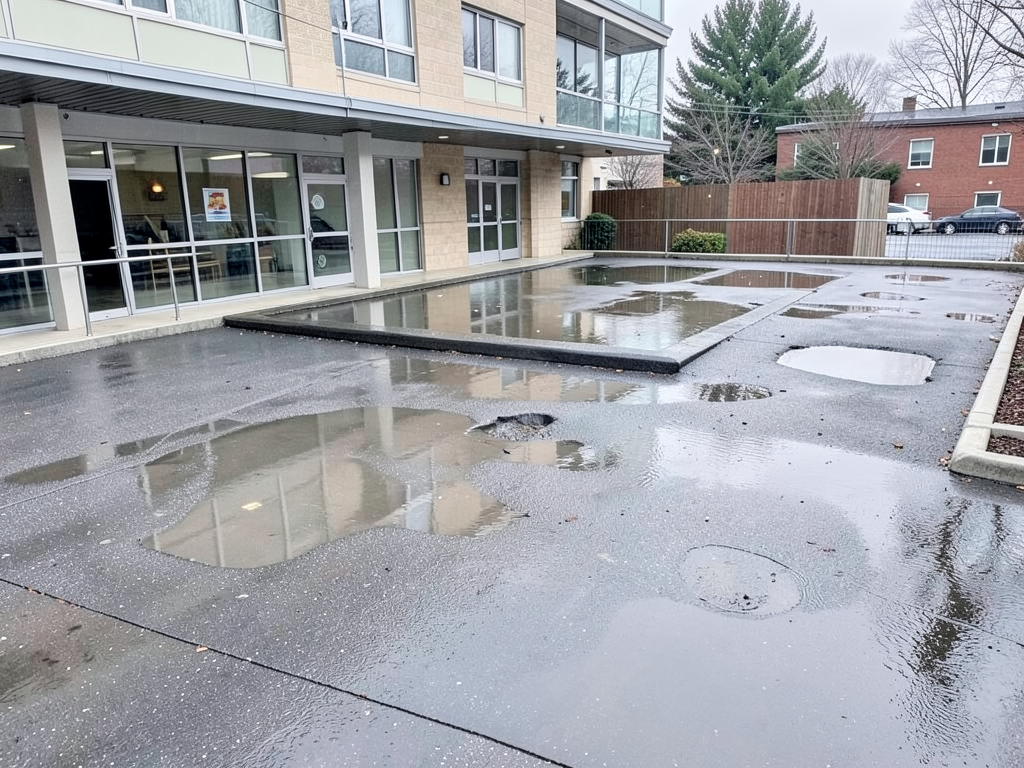
Dealing with roof ponding on older commercial storefronts in Roslindale Roof ponding threatens commercial properties in Roslindale's historic district where water accumulates on flat or low-slope roofs for more than 48 hours after rainfall. Many…

Choosing a roofing material that matches the specific aesthetic of historic homes in Salem \n\n…
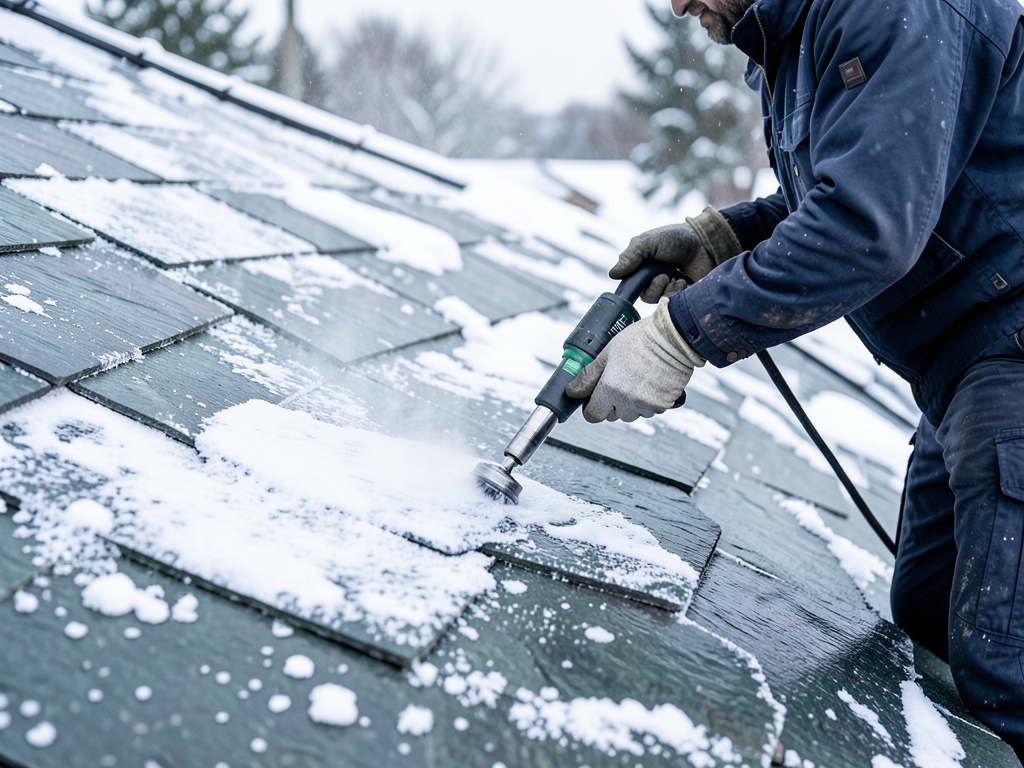
Why steaming is the only safe way to remove ice from a delicate slate roof…
The hidden cost of ignoring minor flashing issues on a Quincy waterfront home Waterfront homes…
Stop roof leaks, prevent ice dam damage, and install roofing systems built for coastal New England weather. Silverline Roofing Boston delivers quality work backed by local experience. Call (857) 387-1711 now to schedule your roof inspection or emergency repair.