Bringing Natural Light into Your South End Attic with Custom Skylights
South End homes often have dark attics that feel like wasted space. Installing custom skylights can transform that area into a bright, usable room while increasing your home’s value. In Boston’s climate, proper installation matters more than anywhere else because of snow loads, ice dams, and salt air exposure. This guide covers everything you need to know about bringing natural light into your South End attic with custom skylights.
Why South End Homes Need Custom Skylights
South End architecture features narrow row houses with limited exterior wall space. Most attics get minimal natural light through small gable vents or dormers. Custom skylights solve this problem by creating direct roof access for sunlight. The result is a dramatic improvement in both aesthetics and functionality.
South End homes built between 1850 and 1900 often have balloon-frame construction that requires careful structural assessment before cutting into roof rafters. Many properties fall within historic district guidelines, requiring specific materials and installation methods to preserve architectural integrity.
Types of Custom Skylights for Boston Homes
Choosing the right skylight depends on your attic’s purpose, roof pitch, and local building codes. Here are the main options available for South End properties.
| Style | Best For | Energy Efficiency | Installation Complexity |
|---|---|---|---|
| Fixed Skylight | Attic conversions, storage | High | Low |
| Venting Skylight | Living spaces, home offices | Medium | Medium |
| Solar-Powered Venting | Bedrooms, studios | Very High | High |
| Sun Tunnel | Hallways, closets | High | Low |
Fixed skylights provide maximum light without ventilation. Venting models allow fresh air circulation, crucial for attic spaces that become stuffy. Solar-powered options include rain sensors and remote controls. Sun tunnels work well for smaller spaces where traditional skylights won’t fit.
Boston Building Codes and Permit Requirements
Massachusetts State Building Code 780 CMR Section 36 governs skylight installations. South End properties must comply with both state codes and Boston Inspectional Services requirements. Key considerations include: Massachusetts State Building Code 780 CMR.
- Minimum 24-inch ice barrier extension from roof edges
- Structural load calculations for snow accumulation
- Energy Star compliance for Zone 5 climate
- Historic district approval when applicable
Boston requires building permits for any roof penetration. The process includes submitting structural drawings, energy calculations, and flashing details. South End historic district properties need additional approval from the Boston Landmarks Commission. Energy Star skylight ratings.
Climate-Specific Installation Considerations
Boston’s climate creates unique challenges for skylight installation. Heavy snow loads can exceed 50 pounds per square foot during severe winters. Ice dams form when attic heat melts snow, which refreezes at roof edges, potentially damaging flashing and creating leaks.
Proper installation includes ice and water shield extending at least 36 inches from the skylight perimeter. This creates a watertight barrier that prevents ice dam infiltration. The flashing system must accommodate thermal expansion and contraction, which can move roof materials up to 1/2 inch seasonally.
South End homes near the harbor face additional challenges from salt air corrosion. Stainless steel or copper flashing resists corrosion better than aluminum in these environments. The roof pitch also affects installation – steeper pitches shed snow faster but require more complex flashing details.
Energy Efficiency and Cost Savings
Modern skylights include Low-E glass with argon gas fills that reduce heat transfer by up to 30%. This matters in Boston where heating costs dominate energy bills. The right skylight can actually reduce energy consumption by providing passive solar heating in winter and reducing artificial lighting needs year-round.
Federal tax credits currently offer 30% of installation costs for qualifying solar-powered skylights with energy-efficient glazing. Massachusetts also provides additional incentives through Mass Save programs for energy-efficient home improvements.
UV-blocking coatings prevent furniture fading while still allowing visible light transmission. Some models include smart glass that tints automatically based on sun intensity, further improving energy performance.
Installation Process and Timeline
Professional skylight installation follows a specific sequence to ensure proper waterproofing and structural integrity. The process typically takes 2-3 days depending on weather and roof complexity.
- Initial Assessment
Technician measures roof structure, checks for obstructions, and evaluates attic space. This includes moisture meter testing to identify existing roof issues.
- Permit Acquisition
Submit plans to Boston Inspectional Services. Historic district properties require additional approval.
- Roof Preparation
Remove shingles, cut opening, install ice and water shield. Check for rot or damage.
- Frame Installation
Install rough opening framing, ensuring square and level alignment.
- Flashing Installation
Install manufacturer-specific flashing kit, critical for leak prevention.
- Glass Installation
Install skylight unit, check for proper fit and operation.
- Roofing Restoration
Replace shingles, seal all edges, clean work area.
- Interior Finishing
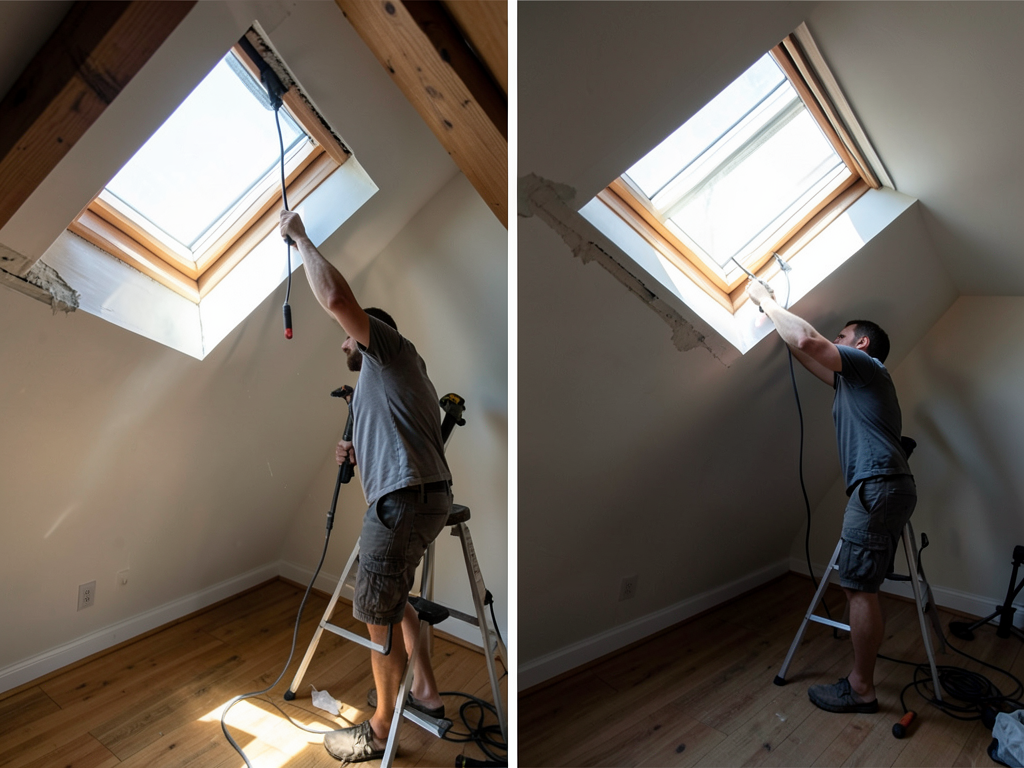
Install drywall, paint, and add trim as needed.
Weather delays are common in Boston’s unpredictable climate. Professional installers monitor forecasts and schedule work during favorable conditions. The ice and water shield installation is particularly weather-sensitive.
Maintenance Requirements for Boston Skylights
Regular maintenance extends skylight lifespan and prevents leaks. Boston’s climate creates specific maintenance needs that differ from other regions.
- Clean debris from flashing channels twice yearly
- Check seals and gaskets annually
- Inspect flashing after severe storms
- Clear snow from venting mechanisms in winter
Fall maintenance is critical because South End trees drop leaves that can clog drainage channels. Spring inspections check for winter damage from ice dams or falling icicles. Coastal properties need more frequent inspections due to salt air exposure.
Cost Factors and Investment Return
Several factors affect skylight installation costs in South End properties. Historic homes often require specialized techniques that increase labor costs. Roof accessibility affects equipment needs and timeline.
Quality skylights from manufacturers like Velux or Wasco typically cost $1,500-$3,000 per unit installed. Custom sizes or historic preservation requirements can increase this to $4,000-$6,000 per unit. The investment often returns 70-80% of costs through increased home value and energy savings.
Professional installation prevents costly water damage repairs. DIY attempts frequently result in leaks that damage ceilings, walls, and insulation. The peace of mind from professional installation justifies the initial investment.
Common Problems and Solutions
Even professionally installed skylights can develop issues over time. Understanding common problems helps you identify issues early.
| Problem | Cause | Solution |
|---|---|---|
| Leaks | Failed flashing or seals | Replace flashing kit, reseal |
| Condensation | Humidity imbalance | Improve ventilation, add dehumidifier |
| Fogging | Seal failure between panes | Replace glass unit |
| Difficult Operation | Dirt in tracks | Clean and lubricate mechanisms |
Early detection prevents minor issues from becoming major repairs. Annual inspections by qualified professionals catch problems before they cause damage.
Choosing the Right Contractor
Not all roofing contractors have skylight expertise. Look for these qualifications when selecting an installer for your South End home:
- Velux 5-Star Installer certification
- Massachusetts Construction Supervisor License
- Boston Inspectional Services permit experience
- Historic district project references
- Manufacturer training and certifications
Experience with South End architecture matters because these homes have unique structural and aesthetic requirements. Ask to see examples of similar projects in the neighborhood.
Frequently Asked Questions
How long do skylights typically last in Boston?
Quality skylights with proper installation typically last 20-25 years in Boston’s climate. The glazing units often outlast the flashing systems, which may need replacement after 15-20 years due to freeze-thaw cycling.
Can I install a skylight in a historic South End home?
Yes, but you need approval from the Boston Landmarks Commission. They typically approve skylights that maintain the home’s exterior appearance and use appropriate materials. Professional installers familiar with historic preservation can guide you through this process.
What size skylight do I need for my attic?
A general rule is that skylights should provide 5-10% of the room’s floor area in natural light. For a 200 square foot attic, this means 10-20 square feet of skylight area. Professional assessment considers roof structure and local codes.
How do I prevent ice dams around skylights?
Proper insulation and ventilation prevent ice dams. Install ice and water shield extending 36 inches from the skylight perimeter. Maintain attic temperatures close to outdoor temperatures through adequate ventilation and insulation.
Are solar-powered skylights worth the extra cost?
For South End homes, solar-powered skylights often justify their higher cost through energy savings and convenience. They eliminate wiring costs, include rain sensors that close automatically, and qualify for federal tax credits that offset much of the price difference.
Ready to Brighten Your South End Attic?
Installing custom skylights transforms dark attics into bright, usable spaces while adding value to your South End home. The process requires careful planning, proper permits, and professional installation to ensure long-term performance in Boston’s challenging climate.
Call (857) 387-1711 today to schedule your free skylight consultation. Our Velux 5-Star certified installers understand South End architecture and Boston building codes. We’ll assess your attic, explain your options, and provide a detailed proposal with no obligation.
Don’t wait for another dark winter to pass. Pick up the phone and call (857) 387-1711 before the next storm hits. Your bright, beautiful attic space is just a phone call away.
{
“@context”: “https://schema.org”,
“@type”: “BlogPosting”,
“headline”: “Bringing Natural Light into Your South End Attic with Custom Skylights”,
“description”: “Transform your South End attic with custom skylights. Learn about Boston-specific installation, energy efficiency, and local building codes from a Velux 5-Star Installer.”,
“wordCount”: 1459,
“datePublished”: “2026-02-25T09:19:00.000Z”,
“dateModified”: “2026-02-25T09:19:00.000Z”,
“inLanguage”: “en-US”,
“mainEntityOfPage”: {
“@type”: “WebPage”,
“@id”: “https://silverlineroofingboston.com”
},
“publisher”: {
“@type”: “LocalBusiness”,
“name”: “Silverline Roofing Boston”,
“url”: “https://silverlineroofingboston.com”
},
“author”: {
“@type”: “Organization”,
“name”: “Silverline Roofing Boston”,
“url”: “https://silverlineroofingboston.com”
},
“image”: {
“@type”: “ImageObject”,
“url”: “https://silverlineroofingboston.com/wp-content/uploads/2026/03/bringing-natural-light-into-your-south-end-attic-w-1.png”
}
}
{
“@context”: “https://schema.org”,
“@type”: “RoofingContractor”,
“name”: “Silverline Roofing Boston”,
“url”: “https://silverlineroofingboston.com”,
“address”: {
“@type”: “PostalAddress”,
“addressLocality”: “Boston”
},
“areaServed”: {
“@type”: “City”,
“name”: “Boston”
}
}
{
“@context”: “https://schema.org”,
“@type”: “FAQPage”,
“mainEntity”: [
{
“@type”: “Question”,
“name”: “How long do skylights typically last in Boston?”,
“acceptedAnswer”: {
“@type”: “Answer”,
“text”: “Quality skylights with proper installation typically last 20-25 years in Boston’s climate. The glazing units often outlast the flashing systems, which may need replacement after 15-20 years due to freeze-thaw cycling.”
}
},
{
“@type”: “Question”,
“name”: “Can I install a skylight in a historic South End home?”,
“acceptedAnswer”: {
“@type”: “Answer”,
“text”: “Yes, but you need approval from the Boston Landmarks Commission. They typically approve skylights that maintain the home’s exterior appearance and use appropriate materials. Professional installers familiar with historic preservation can guide you through this process.”
}
},
{
“@type”: “Question”,
“name”: “What size skylight do I need for my attic?”,
“acceptedAnswer”: {
“@type”: “Answer”,
“text”: “A general rule is that skylights should provide 5-10% of the room’s floor area in natural light. For a 200 square foot attic, this means 10-20 square feet of skylight area. Professional assessment considers roof structure and local codes.”
}
},
{
“@type”: “Question”,
“name”: “How do I prevent ice dams around skylights?”,
“acceptedAnswer”: {
“@type”: “Answer”,
“text”: “Proper insulation and ventilation prevent ice dams. Install ice and water shield extending 36 inches from the skylight perimeter. Maintain attic temperatures close to outdoor temperatures through adequate ventilation and insulation.”
}
},
{
“@type”: “Question”,
“name”: “Are solar-powered skylights worth the extra cost?”,
“acceptedAnswer”: {
“@type”: “Answer”,
“text”: “For South End homes, solar-powered skylights often justify their higher cost through energy savings and convenience. They eliminate wiring costs, include rain sensors that close automatically, and qualify for federal tax credits that offset much of the price difference.”
}
},
{
“@type”: “Question”,
“name”: “Ready to Brighten Your South End Attic?”,
“acceptedAnswer”: {
“@type”: “Answer”,
“text”: “Installing custom skylights transforms dark attics into bright, usable spaces while adding value to your South End home. The process requires careful planning, proper permits, and professional installation to ensure long-term performance in Boston’s challenging climate.”
}
}
]
}
{
“@context”: “https://schema.org”,
“@type”: “HowTo”,
“name”: “Skylight Installation Process”,
“step”: [
{
“@type”: “HowToStep”,
“position”: 1,
“name”: “Initial Assessment”,
“text”: “Technician measures roof structure, checks for obstructions, and evaluates attic space. This includes moisture meter testing to identify existing roof issues.”
},
{
“@type”: “HowToStep”,
“position”: 2,
“name”: “Permit Acquisition”,
“text”: “Submit plans to Boston Inspectional Services. Historic district properties require additional approval.”
},
{
“@type”: “HowToStep”,
“position”: 3,
“name”: “Roof Preparation”,
“text”: “Remove shingles, cut opening, install ice and water shield. Check for rot or damage.”
},
{
“@type”: “HowToStep”,
“position”: 4,
“name”: “Frame Installation”,
“text”: “Install rough opening framing, ensuring square and level alignment.”
},
{
“@type”: “HowToStep”,
“position”: 5,
“name”: “Flashing Installation”,
“text”: “Install manufacturer-specific flashing kit, critical for leak prevention.”
},
{
“@type”: “HowToStep”,
“position”: 6,
“name”: “Glass Installation”,
“text”: “Install skylight unit, check for proper fit and operation.”
},
{
“@type”: “HowToStep”,
“position”: 7,
“name”: “Roofing Restoration”,
“text”: “Replace shingles, seal all edges, clean work area.”
},
{
“@type”: “HowToStep”,
“position”: 8,
“name”: “Interior Finishing”,
“text”: “Install drywall, paint, and add trim as needed.”
}
],
“image”: “https://silverlineroofingboston.com/wp-content/uploads/2026/03/bringing-natural-light-into-your-south-end-attic-w-1.png”
}
{
“@context”: “https://schema.org”,
“@type”: “BreadcrumbList”,
“itemListElement”: [
{
“@type”: “ListItem”,
“position”: 1,
“name”: “Home”,
“item”: “https://silverlineroofingboston.com”
},
{
“@type”: “ListItem”,
“position”: 2,
“name”: “Blog”,
“item”: “https://silverlineroofingboston.com/blog”
},
{
“@type”: “ListItem”,
“position”: 3,
“name”: “Bringing Natural Light into Your South End Attic with Custom Skylights”
}
]
}
{
“@context”: “https://schema.org”,
“@type”: “Service”,
“serviceType”: “Roofing”,
“provider”: {
“@type”: “LocalBusiness”,
“name”: “Silverline Roofing Boston”,
“url”: “https://silverlineroofingboston.com”
},
“areaServed”: {
“@type”: “City”,
“name”: “Boston”
},
“description”: “Transform your South End attic with custom skylights. Learn about Boston-specific installation, energy efficiency, and local building codes from a Velux 5-Star Installer.”
}