
Keeping Your Top Floor Cool in Southie With Better Roof Venting Systems
If your top floor feels like a sauna every summer, the problem might not be your AC unit at all. In South Boston’s historic triple-deckers and brick row houses, trapped attic heat can push temperatures above 140 degrees, forcing your air conditioning to work overtime. The fix starts at the roof with a properly balanced venting system that moves hot air out and cool air in.
Southie’s coastal climate means high humidity, salt air exposure, and heavy winter snow loads all stress your roof structure. Without adequate ventilation, that heat buildup not only drives up your electric bill but also accelerates shingle wear and creates perfect conditions for ice dams when winter returns. A balanced system cuts cooling costs by up to 20 percent and can extend your roof’s life by five to ten years.
Call (857) 387-1711 today to schedule your free attic inspection and see exactly how much heat your roof is trapping.
Why Southie Homes Trap So Much Heat
South Boston’s classic triple-deckers were built before modern energy codes. Many have minimal or blocked soffit vents, and original construction often left attic spaces sealed tight. That design traps rising heat from your living spaces, and with no path for escape, temperatures soar. Add in the urban heat island effect from surrounding pavement and buildings, and your top floor can be 15 to 20 degrees hotter than the ground level.
Humidity makes it worse. New England’s muggy summers mean moist air enters the attic through leaks and condenses on cool surfaces. Over time, this moisture degrades insulation R-value and creates conditions for mold growth. In winter, the same trapped heat melts rooftop snow, which refreezes at the eaves and forms ice dams that can force water under shingles.
Golden Nugget: Southie’s older homes often have 2×4 roof rafters spaced 16 inches on center, limiting space for modern baffles and ridge vents. A professional inspection will check for blocked eave airflow and confirm whether your home meets the Massachusetts State Building Code 780 CMR 1310.0 requirement of 1 square foot of net free area (NFA) for every 300 square feet of attic floor.
The Science of Keeping Your Top Floor Cool
Heat moves in three ways: conduction through materials, radiation from hot surfaces, and convection through air movement. In your attic, convection is the key. As air warms, it rises and needs a place to escape. Without a continuous path from soffit intake to ridge exhaust, heat stagnates.
A balanced system uses the chimney effect. Cool air enters through soffit vents at the eaves, pushes upward through the attic space, and exits through ridge or other exhaust vents near the peak. This constant flow keeps attic temperatures within 10 to 15 degrees of the outdoor air, dramatically reducing heat transfer into your living space.
Golden Nugget: The 1:300 rule from the Massachusetts State Building Code means a 1,500-square-foot attic needs at least 5 square feet of net free vent area. Half should be intake (soffit), half exhaust (ridge or powered vents). Without this balance, you risk pulling conditioned air from your home, wasting energy.
Golden Nugget: In Southie’s coastal air, aluminum and galvanized steel vents corrode faster than polymer or copper alternatives. Choosing corrosion-resistant materials can double the lifespan of your venting system in this environment.
Top Roof Vent Types for Maximum Heat Release
Not all vents work the same way. Choosing the right mix depends on your roof pitch, attic size, and local weather patterns. Here’s how the most common options compare.
| Vent Type | Best For | Net Free Area (sq ft) | Maintenance |
|---|---|---|---|
| Ridge Vent | Continuous exhaust along roof peak | 12-15 per linear foot | Low, inspect annually |
| Solar Attic Fan | Power boost on sunny days | 1,000+ CFM per unit | Clean panel quarterly |
| Turbine Vent (Whirlybird) | Wind-powered exhaust | 50-75 per unit | Check bearings yearly |
| Gable Vent | Cross-ventilation on gable ends | 60-80 per vent | Clear debris seasonally |
| Soffit Vent | Intake air at eaves | 9-12 per linear foot | Keep clear of insulation |
Ridge vents provide the most consistent exhaust because they run the full length of the roof peak. Solar attic fans add mechanical pull on still days but require a clear south-facing exposure. Turbine vents spin with the wind but can rattle in high gusts common to Southie’s exposed coastal blocks. Gable vents work best in combination with soffit intake for cross-breeze flow.
Call (857) 387-1711 to find out which vent mix fits your roof pitch and attic layout.
Calculating Your Ventilation Needs
Getting the numbers right prevents under- or over-ventilation. Start by measuring your attic floor area. Multiply length by width to get square footage. Divide that number by 300 to find the minimum net free area required by code.
For example, a typical Southie triple-decker attic might be 30 feet by 25 feet, or 750 square feet. Divide 750 by 300 and you need 2.5 square feet of net free area. Split that evenly: 1.25 square feet for intake, 1.25 for exhaust.
Translate square feet to vent count using the manufacturer’s net free area rating. A standard 6-foot ridge vent provides about 72 square inches per linear foot, or 0.5 square feet per foot. For 1.25 square feet of exhaust, you’d need about 2.5 linear feet of ridge vent.
Intake vents are often the limiting factor in older homes. Original soffit vents may be painted shut or blocked by insulation. Installing new continuous soffit vents or retrofitting individual vents every 4 to 6 feet restores the intake path critical for the chimney effect.
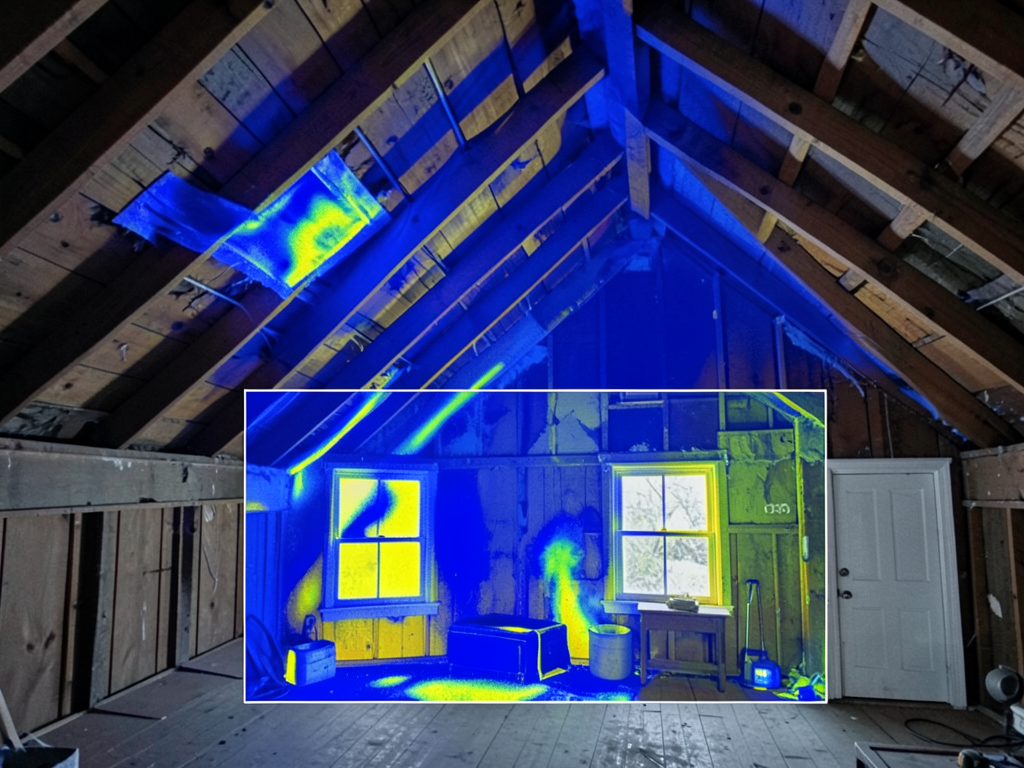
Golden Nugget: In homes with complex rooflines, like dormers or multiple valleys, you may need additional vents in problem areas. A thermal scan can reveal hot spots where airflow is restricted, guiding precise vent placement.
Beyond Heat: Why Ventilation Matters for Boston Winters
Ice dams form when warm attic air melts snow on the roof, which then refreezes at the colder eaves. The resulting ice wall forces water under shingles, causing leaks and interior damage. Proper ventilation keeps the roof deck cold, preventing that melt-refreeze cycle.
Massachusetts building code requires ice and water shield to extend at least 24 inches inside the exterior wall line, but even the best barrier can fail if attic heat is not controlled. A balanced vent system maintains uniform roof temperature, so snow melts evenly and drains off safely. Mass Save energy audits.
Humidity control is another winter benefit. Warm, moist air from your living space rises into the attic. Without ventilation, that moisture condenses on cold surfaces, soaking insulation and promoting mold. Keeping air moving flushes out moisture before it can do damage.
Golden Nugget: Southie’s older homes often have balloon-frame construction, where wall cavities run from basement to attic without fire stops. This design can pull warm air straight into the attic. Adding sealed attic hatches and insulating knee walls cuts that heat loss dramatically.
Golden Nugget: The National Roofing Contractors Association recommends a minimum of 1 inch of air space between insulation and roof sheathing for proper airflow. Baffles installed at the eaves keep that channel open even if insulation is piled high.
Cost vs. ROI of Roof Vent Upgrades in Massachusetts
Upgrading attic ventilation is one of the most cost-effective energy improvements you can make. A complete retrofit—new soffit vents, ridge vent, and baffles—typically runs between $1,500 and $3,500 depending on roof complexity. Solar attic fans add $300 to $600 per unit.
Energy savings can offset the cost in as little as two to three cooling seasons. By keeping attic temperatures down, your AC runs less, reducing electric bills by 10 to 20 percent. Over a decade, that can mean $2,000 to $4,000 in avoided cooling costs.
There’s also the roof lifespan benefit. Asphalt shingles in a hot attic can age twice as fast. By keeping the deck cooler, you may add five to ten years before a replacement is needed, saving $5,000 to $10,000 on a full reroof.
Massachusetts offers additional incentives. Mass Save provides free or discounted attic insulation upgrades, and some utilities offer rebates for solar-powered attic fans. A professional audit can identify all available savings.
Golden Nugget: Homes in Southie’s historic districts may require approval from the Boston Landmarks Commission before modifying rooflines. A local contractor familiar with these rules can handle permitting and ensure compliance.
Choosing the Right Venting System for Your Southie Home
The best system depends on your roof geometry, attic access, and budget. For most triple-deckers, a continuous ridge vent paired with new soffit vents provides the most reliable, low-maintenance solution. If your roof has limited ridge length, adding a solar attic fan can boost exhaust capacity.
Start with an inspection. A technician will measure attic floor area, check existing vent types and sizes, look for blocked soffits, and assess insulation levels. Thermal imaging can reveal hidden hot spots where airflow is restricted.
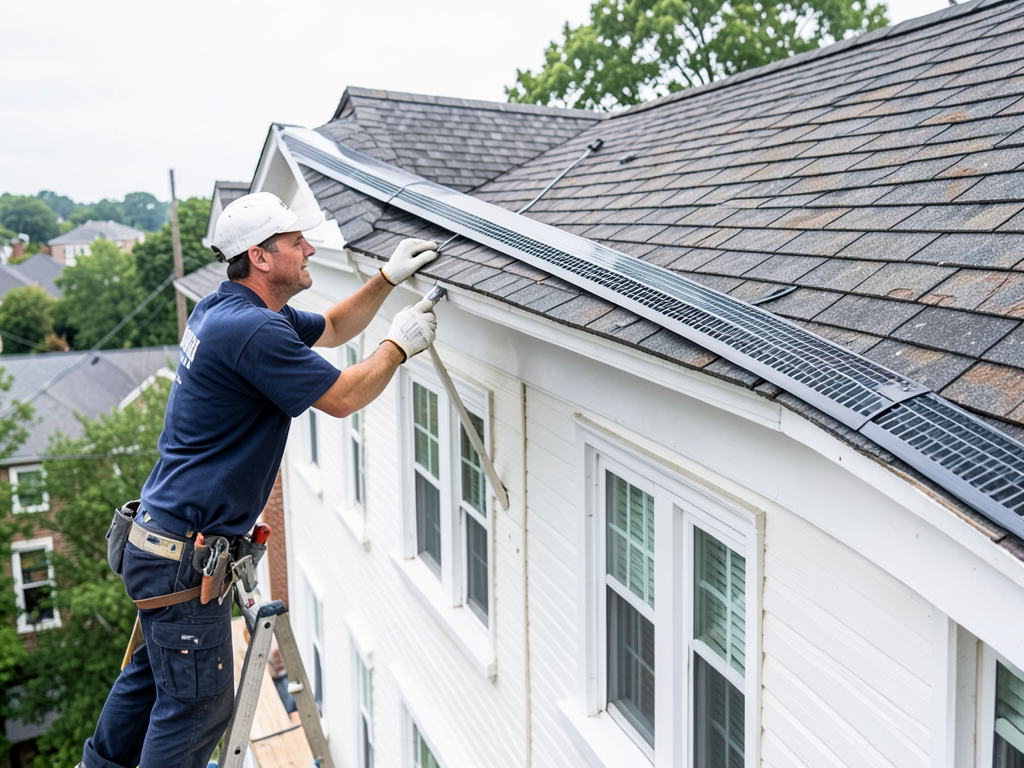
Installation usually takes one to two days. Soffit vent cutting and baffle installation happen from inside the attic. Ridge vent installation requires removing a narrow strip of shingles along the peak. Solar fans mount on the roof surface and need wiring to a small solar panel.
Maintenance is minimal. Once a year, check that soffit vents are clear of insulation and debris. Inspect ridge vents for animal intrusion. Clean solar panels to keep fans running at peak efficiency.
Call (857) 387-1711 to schedule your free attic inspection and get a customized venting plan for your Southie home.
Frequently Asked Questions
How do I know if my attic is under-ventilated?
Common signs include a hot second floor in summer, ice dams in winter, mold spots in the attic, and curling shingles. A quick test: if your attic feels warmer than the outdoor air on a sunny day, ventilation is likely inadequate.
Can I add vents without replacing my roof?
Yes. Soffit vents, gable vents, and solar fans can be added to an existing roof. Ridge vents require removing a strip of shingles but don’t require a full replacement. A professional can tell you which options fit your current roof condition.
Will more vents make my house colder in winter?
No. Ventilation removes excess heat and moisture, not the warm air you pay to heat. In fact, by preventing ice dams and moisture buildup, it can lower your heating costs and protect your insulation’s effectiveness.
How long does installation take?
Most residential retrofits are completed in one to two days. Soffit vent and baffle work is done from inside the attic, while ridge vent installation is done from the roof surface. Weather delays are rare since the work is quick and localized.
Are there any rebates available?
Mass Save offers free or discounted attic insulation, which pairs perfectly with new venting. Some utilities provide rebates for solar attic fans. A local contractor can help you identify and apply for all available incentives. For more information, visit National Roofing Contractors Association ventilation guidelines.
{
“@context”: “https://schema.org”,
“@type”: “BlogPosting”,
“headline”: “Keeping Your Top Floor Cool in Southie With Better Roof Venting Systems”,
“description”: “Hot second floor in Southie? Discover how proper attic ventilation reduces heat, cuts cooling costs, and prevents ice dams. Free Boston roof inspection.”,
“wordCount”: 1818,
“datePublished”: “2026-03-24T11:52:00.000Z”,
“dateModified”: “2026-03-24T11:52:00.000Z”,
“inLanguage”: “en-US”,
“mainEntityOfPage”: {
“@type”: “WebPage”,
“@id”: “https://silverlineroofingboston.com”
},
“publisher”: {
“@type”: “LocalBusiness”,
“name”: “Silverline Roofing Boston”,
“url”: “https://silverlineroofingboston.com”
},
“author”: {
“@type”: “Organization”,
“name”: “Silverline Roofing Boston”,
“url”: “https://silverlineroofingboston.com”
},
“image”: {
“@type”: “ImageObject”,
“url”: “https://silverlineroofingboston.com/wp-content/uploads/2026/03/keeping-your-top-floor-cool-in-southie-with-better-1.png”
}
}
{
“@context”: “https://schema.org”,
“@type”: “RoofingContractor”,
“name”: “Silverline Roofing Boston”,
“url”: “https://silverlineroofingboston.com”,
“address”: {
“@type”: “PostalAddress”,
“addressLocality”: “Boston”
},
“areaServed”: {
“@type”: “City”,
“name”: “Boston”
}
}
{
“@context”: “https://schema.org”,
“@type”: “FAQPage”,
“mainEntity”: [
{
“@type”: “Question”,
“name”: “How do I know if my attic is under-ventilated?”,
“acceptedAnswer”: {
“@type”: “Answer”,
“text”: “Common signs include a hot second floor in summer, ice dams in winter, mold spots in the attic, and curling shingles. A quick test: if your attic feels warmer than the outdoor air on a sunny day, ventilation is likely inadequate.”
}
},
{
“@type”: “Question”,
“name”: “Can I add vents without replacing my roof?”,
“acceptedAnswer”: {
“@type”: “Answer”,
“text”: “Yes. Soffit vents, gable vents, and solar fans can be added to an existing roof. Ridge vents require removing a strip of shingles but don’t require a full replacement. A professional can tell you which options fit your current roof condition.”
}
},
{
“@type”: “Question”,
“name”: “Will more vents make my house colder in winter?”,
“acceptedAnswer”: {
“@type”: “Answer”,
“text”: “No. Ventilation removes excess heat and moisture, not the warm air you pay to heat. In fact, by preventing ice dams and moisture buildup, it can lower your heating costs and protect your insulation’s effectiveness.”
}
},
{
“@type”: “Question”,
“name”: “How long does installation take?”,
“acceptedAnswer”: {
“@type”: “Answer”,
“text”: “Most residential retrofits are completed in one to two days. Soffit vent and baffle work is done from inside the attic, while ridge vent installation is done from the roof surface. Weather delays are rare since the work is quick and localized.”
}
},
{
“@type”: “Question”,
“name”: “Are there any rebates available?”,
“acceptedAnswer”: {
“@type”: “Answer”,
“text”: “Mass Save offers free or discounted attic insulation, which pairs perfectly with new venting. Some utilities provide rebates for solar attic fans. A local contractor can help you identify and apply for all available incentives. For more information, visit National Roofing Contractors Association ventilation guidelines.”
}
}
]
}
{
“@context”: “https://schema.org”,
“@type”: “BreadcrumbList”,
“itemListElement”: [
{
“@type”: “ListItem”,
“position”: 1,
“name”: “Home”,
“item”: “https://silverlineroofingboston.com”
},
{
“@type”: “ListItem”,
“position”: 2,
“name”: “Blog”,
“item”: “https://silverlineroofingboston.com/blog”
},
{
“@type”: “ListItem”,
“position”: 3,
“name”: “Keeping Your Top Floor Cool in Southie With Better Roof Venting Systems”
}
]
}
{
“@context”: “https://schema.org”,
“@type”: “Service”,
“serviceType”: “Roofing”,
“provider”: {
“@type”: “LocalBusiness”,
“name”: “Silverline Roofing Boston”,
“url”: “https://silverlineroofingboston.com”
},
“areaServed”: {
“@type”: “City”,
“name”: “Boston”
},
“description”: “Hot second floor in Southie? Discover how proper attic ventilation reduces heat, cuts cooling costs, and prevents ice dams. Free Boston roof inspection.”
}