The Right Way to Remove Snow From Your Roof Without Causing Permanent Damage
Heavy snow accumulation on Boston roofs creates serious risks including ice dams, water infiltration, and potential structural collapse. The Massachusetts State Building Code requires residential roofs to support 30 pounds per square foot of snow load in most areas, but coastal zones face higher wind and drift loads that can exceed safe limits. Professional snow removal using low-pressure steam equipment prevents damage while protecting your roof’s integrity and your family’s safety. Massachusetts State Building Code.
Understanding Boston’s Snow Load Risks
New England winters bring heavy wet snow that can weigh up to 20 pounds per cubic foot. A 1,000 square foot roof with just 12 inches of typical snow can hold over 15,000 pounds of weight. When combined with ice layers and drifting from nor’easters, this stress can cause ceiling cracks, stuck doors, and in extreme cases, roof collapse. The danger increases in older homes with balloon framing or homes built before current code requirements.
Ice dams form when heat escapes through the attic, melting snow on the roof surface. Water runs down to the colder eaves where it refreezes, creating a dam that forces water under shingles. This leads to interior leaks, damaged insulation, and mold growth. The freeze-thaw cycle common to Boston’s climate makes ice dam prevention critical for every homeowner.
Safe Snow Removal Methods That Protect Your Roof
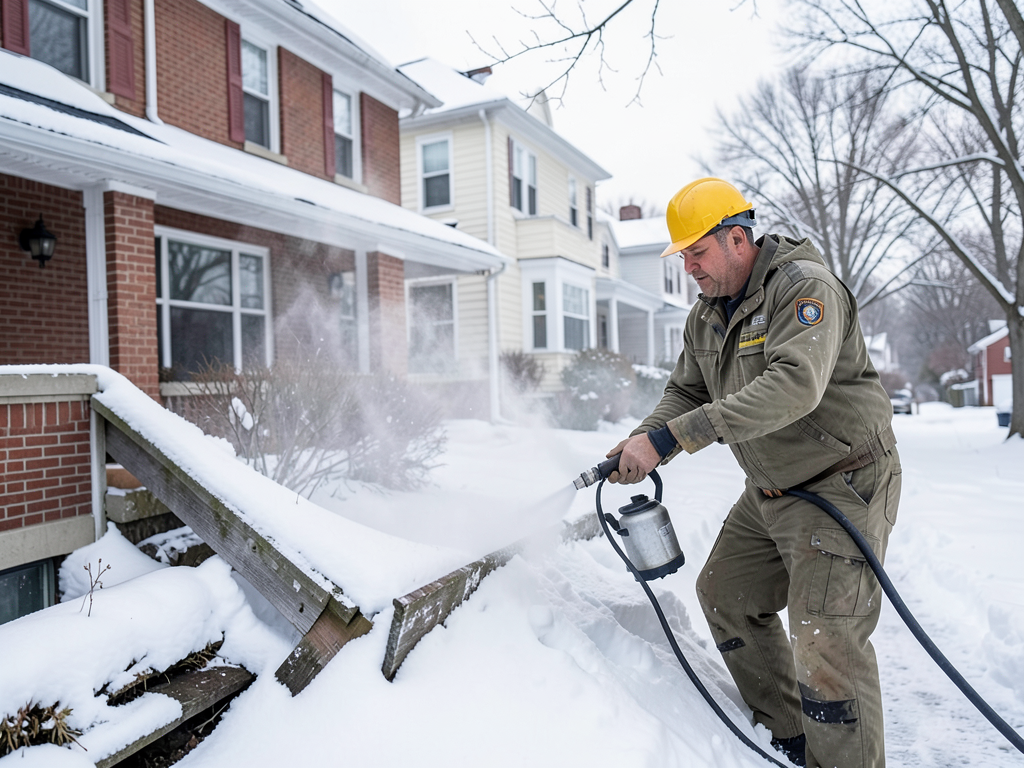
Professional roof snow removal requires specialized equipment and training. The gold standard is low-pressure steam removal, which melts ice and snow without damaging shingles or flashing. Steam operates at 250-300 degrees Fahrenheit and 150-300 PSI, hot enough to cut through ice but gentle enough to preserve roofing materials. This method is especially important for historic homes in Beacon Hill or Back Bay with slate or copper roofing. Why Metal Roofing is Becoming a Top Choice for Coastal East Boston Homes.
Mechanical removal using plastic roof rakes can work for light snow under 6 inches, but requires careful technique. Start from the edge and work upward, never pulling down on the roof surface. Avoid metal tools that can gouge asphalt shingles or puncture membranes. Never walk on a snow-covered roof due to slip hazards and the risk of creating pressure points that damage the structure.
Chemical de-icers like calcium chloride can help prevent ice formation but must be used carefully. Rock salt damages metal flashing and can kill nearby plants. Professional-grade ice melt products are safer but still require proper application to avoid staining or material degradation. Never use hot water to melt ice as the rapid temperature change can crack shingles or flashings.
DIY vs Professional Snow Removal: When to Call (857) 387-1711
Homeowners can safely remove light snow from ground level using proper roof rakes with wheels or bumpers that prevent shingle contact. However, several situations require professional help immediately. If you notice ceiling cracks, doors that stick, or loud popping sounds from your roof, these indicate dangerous structural stress. Call (857) 387-1711 for emergency assessment. 24/7 Emergency Roof Repair.
Professional services become essential when snow exceeds 12 inches, when ice layers exceed 2 inches, or when your roof has a pitch over 7:12. Steep roofs increase fall risks, while heavy snow loads require careful weight distribution during removal. Historic districts like Newton have strict requirements for roof work, making professional expertise necessary to maintain compliance. Tile Roofing Services.
Insurance considerations also matter. Many policies cover ice dam damage but may deny claims if removal methods caused additional harm. Professional companies carry liability insurance and worker’s compensation, protecting you from accidents. They also understand how to work around solar panels, skylights, and other roof-mounted equipment without causing damage.
Preventing Ice Dams Through Proper Attic Management
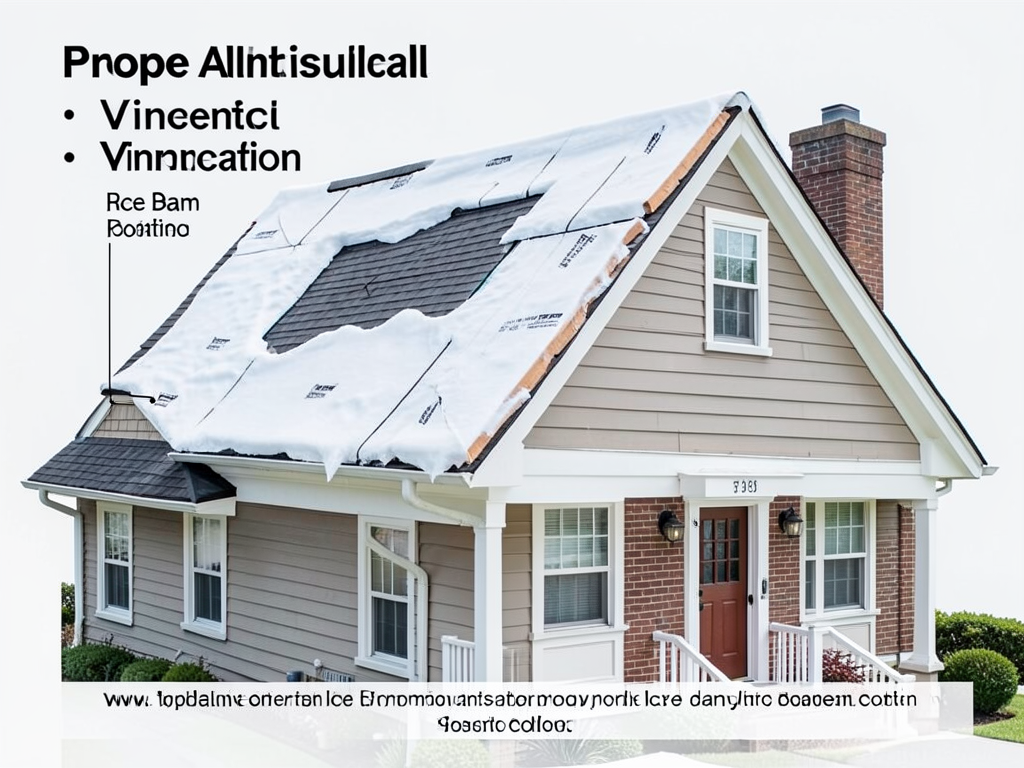
The best snow removal is preventing accumulation through proper attic insulation and ventilation. Massachusetts building code requires R-49 insulation in attics, but many Boston homes have only R-19 or less. Heat escaping through the roof melts snow from below, creating the freeze-thaw cycle that forms ice dams. Adding insulation and sealing attic bypasses can reduce heat loss by 30% or more.
Attic bypasses include gaps around chimneys, plumbing vents, recessed lights, and attic hatches. These small openings allow massive heat transfer. Professional energy audits use infrared cameras to identify these leaks. Sealing them with spray foam or weatherstripping, then adding proper ventilation through soffit and ridge vents, keeps the roof cold and prevents snow melt.
Roof ventilation works on the principle of continuous airflow. Cold air enters through soffit vents, warms slightly in the attic, then exits through ridge vents. This cycle maintains uniform roof temperature and prevents the hot spots that cause ice dams. Homes in coastal areas like Revere and Lynn face additional challenges from salt air corrosion of ventilation components.
Cost Factors for Professional Snow Removal in Boston
Professional snow removal costs vary based on roof size, pitch, and accessibility. A typical one-story ranch might cost $250-400 for complete removal, while a three-story Victorian in Brookline could run $600-900. Steep roofs, multiple stories, and difficult access increase costs due to safety equipment requirements and longer labor times.
Emergency services after major storms command premium rates. Companies often charge 50-100% more for same-day service during active snowfall. However, waiting can lead to ice dam formation that requires more extensive and expensive removal. Many companies offer annual contracts that provide priority service and reduced rates for regular customers.
Insurance may cover snow removal if it prevents structural damage, but documentation is critical. Take photos before and after removal, keep receipts, and notify your insurance company promptly. Some policies have specific requirements for snow removal contractors, including licensing and insurance verification.
Warning Signs That Require Immediate Action
Certain warning signs indicate dangerous snow loads requiring immediate professional intervention. Interior doors that suddenly stick or won’t close properly suggest frame warping from roof stress. New cracks appearing in drywall or plaster ceilings indicate structural movement. Loud creaking or popping sounds from the roof mean materials are under extreme stress.
Water stains on ceilings or walls, even without active dripping, signal ice dam formation. Icicles hanging from gutters, while picturesque, indicate heat loss and potential ice dam formation. If you notice any of these signs, clear snow from the lower 3-6 feet of your roof edge using a roof rake, then call (857) 387-1711 for professional assessment. The Best Way to Keep Gutters Clog-Free in Wooded West Roxbury Neighborhoods.
Carbon monoxide detectors triggering unexpectedly can indicate blocked roof vents from snow accumulation. Furnace and water heater vents must remain clear for safe operation. Check all roof penetrations after heavy snow, and never attempt to clear vents while standing on a ladder in snow or ice.
Protecting Your Home During Snow Removal
Professional snow removal includes protecting your property during the process. Companies use drop cloths to protect landscaping, plywood to shield decks and patios, and temporary barriers to prevent snow piles from damaging foundation plantings. They also ensure downspouts remain clear to prevent basement flooding when snow melts.
Roof valleys and skylights require special attention during removal. Valleys channel water and can become ice dams quickly. Technicians use steam or plastic tools around these sensitive areas to prevent damage. Skylights need protection from falling ice chunks that can crack the glass or damage seals.
Post-removal inspection is part of professional service. Technicians check for damaged shingles, loose flashing, or other issues that snow removal might have revealed. They also look for signs of ice dam damage that may require additional repairs. This inspection can prevent minor issues from becoming major problems.
Emergency Response and 24/7 Availability
Winter storms in Boston often strike at night or during weekends when most contractors are unavailable. Professional snow removal companies maintain 24/7 emergency response teams specifically for these situations. When you call (857) 387-1711 after hours, you reach trained dispatchers who can assess your situation and dispatch crews immediately.
Emergency response includes priority dispatch for active leaks, structural concerns, or homes with vulnerable occupants like elderly residents or young children. Companies maintain standby equipment and personnel during major storm warnings, ensuring rapid response when minutes matter. They also coordinate with local emergency services for homes with medical equipment that requires continuous power.
Documentation for insurance purposes is part of emergency service. Companies provide detailed reports of conditions found, work performed, and recommendations for preventing future issues. This documentation supports insurance claims and helps identify long-term solutions for recurring problems.
Long-Term Solutions for Boston Homes
While snow removal addresses immediate threats, long-term solutions prevent recurring problems. Heat cables installed in roof valleys and along eaves can prevent ice dam formation in problem areas. These electric heating elements maintain temperatures above freezing, allowing water to drain freely. Professional installation ensures proper coverage and electrical safety.
Roof upgrades may be necessary for homes with chronic ice dam problems. Improved attic insulation, enhanced ventilation systems, and ice and water shield underlayment provide multiple layers of protection. Homes in historic districts may qualify for special preservation grants that offset upgrade costs while maintaining architectural integrity.
Regular maintenance prevents emergency situations. Annual roof inspections identify potential problems before winter. Gutter cleaning in fall ensures proper drainage. Tree trimming prevents branches from falling on roofs under snow load. These preventive measures cost far less than emergency repairs after a collapse.
Frequently Asked Questions
How much snow is too much for my roof?
Snow exceeding 12 inches of wet snow or 18 inches of dry snow creates structural concerns. However, factors like roof age, design, and local wind patterns affect safe loads. If you notice warning signs like sticking doors or ceiling cracks, call (857) 387-1711 regardless of snow depth.
Can I use a leaf blower to remove snow?
Leaf blowers work only for very light, dry snow under 2 inches. They cannot remove ice or wet snow and may blow snow into areas where it creates new problems. For effective removal, use proper roof rakes or call professionals for heavier accumulation.
How long does professional snow removal take?
Most residential jobs take 2-4 hours depending on roof size and snow conditions. Emergency calls during active storms may take longer due to travel conditions. Companies prioritize safety over speed, ensuring thorough removal without property damage.
Will snow removal damage my shingles?
Professional removal using proper equipment and techniques will not damage shingles. DIY removal with metal tools or aggressive scraping often causes damage. Always use plastic tools with protective bumpers or hire professionals who understand proper techniques.
Do I need snow removal if I have a new roof?
New roofs still face snow load risks and ice dam formation. Modern materials resist some damage better, but proper removal prevents structural issues and extends roof life. Even new roofs benefit from professional snow management in Boston’s climate.
Take Action Before the Next Storm Hits
Don’t wait for water to drip through your ceiling or for structural damage to appear. Boston’s winter storms can dump several feet of snow in hours, creating dangerous conditions that worsen by the minute. Professional snow removal prevents costly damage and protects your family’s safety.
Call (857) 387-1711 today to schedule your roof assessment or emergency snow removal service. Our trained technicians understand Boston’s unique climate challenges and use proven methods that protect your roof while eliminating dangerous snow loads. We serve all Greater Boston communities with 24/7 emergency response when you need it most.
Whether you need immediate help or want to prevent future problems, we’re here to help. Don’t risk your home’s structure or your family’s safety with DIY methods that often cause more harm than good. Pick up the phone and call (857) 387-1711 before the next storm hits. For more information, visit OSHA safety standards for roof work.
{
“@context”: “https://schema.org”,
“@type”: “BlogPosting”,
“headline”: “The Right Way to Remove Snow From Your Roof Without Causing Permanent Damage”,
“description”: “Professional snow removal in Boston prevents ice dams and structural damage. Learn safe removal techniques, cost factors, and when to call (857) 387-1711 for 24/7 emergency service.”,
“wordCount”: 1957,
“datePublished”: “2026-03-19T11:09:00.000Z”,
“dateModified”: “2026-03-19T11:09:00.000Z”,
“inLanguage”: “en-US”,
“mainEntityOfPage”: {
“@type”: “WebPage”,
“@id”: “https://silverlineroofingboston.com”
},
“publisher”: {
“@type”: “LocalBusiness”,
“name”: “Silverline Roofing Boston”,
“url”: “https://silverlineroofingboston.com”
},
“author”: {
“@type”: “Organization”,
“name”: “Silverline Roofing Boston”,
“url”: “https://silverlineroofingboston.com”
},
“image”: {
“@type”: “ImageObject”,
“url”: “https://silverlineroofingboston.com/wp-content/uploads/2026/03/the-right-way-to-remove-snow-from-your-roof-withou-1.png”
}
}
{
“@context”: “https://schema.org”,
“@type”: “RoofingContractor”,
“name”: “Silverline Roofing Boston”,
“url”: “https://silverlineroofingboston.com”,
“address”: {
“@type”: “PostalAddress”,
“addressLocality”: “Boston”
},
“areaServed”: {
“@type”: “City”,
“name”: “Boston”
}
}
{
“@context”: “https://schema.org”,
“@type”: “FAQPage”,
“mainEntity”: [
{
“@type”: “Question”,
“name”: “How much snow is too much for my roof?”,
“acceptedAnswer”: {
“@type”: “Answer”,
“text”: “Snow exceeding 12 inches of wet snow or 18 inches of dry snow creates structural concerns. However, factors like roof age, design, and local wind patterns affect safe loads. If you notice warning signs like sticking doors or ceiling cracks, call (857) 387-1711 regardless of snow depth.”
}
},
{
“@type”: “Question”,
“name”: “Can I use a leaf blower to remove snow?”,
“acceptedAnswer”: {
“@type”: “Answer”,
“text”: “Leaf blowers work only for very light, dry snow under 2 inches. They cannot remove ice or wet snow and may blow snow into areas where it creates new problems. For effective removal, use proper roof rakes or call professionals for heavier accumulation.”
}
},
{
“@type”: “Question”,
“name”: “How long does professional snow removal take?”,
“acceptedAnswer”: {
“@type”: “Answer”,
“text”: “Most residential jobs take 2-4 hours depending on roof size and snow conditions. Emergency calls during active storms may take longer due to travel conditions. Companies prioritize safety over speed, ensuring thorough removal without property damage.”
}
},
{
“@type”: “Question”,
“name”: “Will snow removal damage my shingles?”,
“acceptedAnswer”: {
“@type”: “Answer”,
“text”: “Professional removal using proper equipment and techniques will not damage shingles. DIY removal with metal tools or aggressive scraping often causes damage. Always use plastic tools with protective bumpers or hire professionals who understand proper techniques.”
}
},
{
“@type”: “Question”,
“name”: “Do I need snow removal if I have a new roof?”,
“acceptedAnswer”: {
“@type”: “Answer”,
“text”: “New roofs still face snow load risks and ice dam formation. Modern materials resist some damage better, but proper removal prevents structural issues and extends roof life. Even new roofs benefit from professional snow management in Boston’s climate.”
}
}
]
}
{
“@context”: “https://schema.org”,
“@type”: “BreadcrumbList”,
“itemListElement”: [
{
“@type”: “ListItem”,
“position”: 1,
“name”: “Home”,
“item”: “https://silverlineroofingboston.com”
},
{
“@type”: “ListItem”,
“position”: 2,
“name”: “Blog”,
“item”: “https://silverlineroofingboston.com/blog”
},
{
“@type”: “ListItem”,
“position”: 3,
“name”: “The Right Way to Remove Snow From Your Roof Without Causing Permanent Damage”
}
]
}
{
“@context”: “https://schema.org”,
“@type”: “Service”,
“serviceType”: “Roofing”,
“provider”: {
“@type”: “LocalBusiness”,
“name”: “Silverline Roofing Boston”,
“url”: “https://silverlineroofingboston.com”
},
“areaServed”: {
“@type”: “City”,
“name”: “Boston”
},
“description”: “Professional snow removal in Boston prevents ice dams and structural damage. Learn safe removal techniques, cost factors, and when to call (857) 387-1711 for 24/7 emergency service.”
}