
Why Your Roof Valleys Are the Most Vulnerable Spot on Your Medford Home
Roof valleys collect water like a gutter on your roof, making them the most leak-prone area of your entire roofing system. In Medford, where heavy snow loads and ice dam formation are common during New England winters, these critical junctions between roof planes face constant stress from water pooling, debris accumulation, and freeze-thaw cycles. Understanding why valleys fail and how to protect them is essential for Medford homeowners who want to prevent costly water damage to their ceilings, walls, and insulation. Why Metal Roofing is Becoming a Top Choice for Coastal East Boston Homes.
Medford’s historic neighborhoods, from the Colonial-era homes near Tufts University to the mid-century ranches in South Medford, all share one common vulnerability: roof valleys that weren’t designed to handle our region’s harsh climate. When water finds its way under compromised valley flashing or through deteriorated underlayment, the damage spreads quickly through your home’s structure, often going unnoticed until stains appear on interior ceilings or walls.
The good news is that valley failures follow predictable patterns that experienced Boston roofing contractors can identify and repair before major damage occurs. By understanding the specific challenges Medford homes face and the proper repair techniques required by Massachusetts building codes, you can make informed decisions about protecting your home’s most vulnerable roofing component. Massachusetts State Building Code.
How Roof Valleys Fail in Medford’s Climate
Roof valleys in Medford homes fail through several distinct mechanisms, each accelerated by our local weather patterns and building practices. The most common failure starts with ice dam formation, where melting snow refreezes at the valley’s edge, creating a barrier that forces water under shingles and flashing. This process, known as capillary action, can draw water uphill against gravity, penetrating even properly installed roofing materials. The Best Roofing Strategies for Multi-Family Property Owners in Savin Hill.
During summer months, Medford’s valleys become collection points for leaves, pine needles, and other debris that wash down from the roof surface. This organic material traps moisture against the flashing and underlayment, accelerating corrosion and creating ideal conditions for algae and moss growth. The trapped moisture also increases the weight load on the valley structure, particularly dangerous when combined with heavy snow loads common in our area.
Thermal expansion and contraction represent another significant threat to Medford roof valleys. Our region experiences temperature swings of 40-50 degrees between winter nights and sunny afternoons, causing metal flashing and roofing materials to expand and contract repeatedly. Over time, this movement breaks the seals between materials, creating gaps where water can penetrate. Homes with poor attic ventilation experience even more severe thermal cycling, as heat buildup in the attic causes the roof deck to expand and contract independently of the exterior materials. Roofing Quincy.
Structural settling also contributes to valley failure in older Medford homes. Many properties in our area were built on clay soils that expand and contract with moisture content, causing gradual foundation movement that translates to stress on roof structures. This movement can create gaps between flashing and the roof deck, or cause valleys to sag slightly, creating low spots where water pools instead of draining properly.
Common Signs Your Medford Valley Needs Repair
Identifying valley problems early can save Medford homeowners thousands in repair costs. The most obvious sign is water staining on interior ceilings or walls directly below roof valleys. These stains often appear as brown or yellow discoloration and may grow larger after heavy rain or snow melt. By the time you see these stains, water has already penetrated through multiple layers of your roofing system and into your home’s interior structure. EPA Roofing Fact Sheet.
Granule loss on shingles near valleys indicates accelerated wear from water flow and debris accumulation. When you notice bare spots on shingles or find excessive granules in your gutters, it suggests the valley area is experiencing more water flow than it was designed to handle. This accelerated wear creates thin spots in your roof’s protective layer, making it more vulnerable to water penetration. The Best Way to Keep Gutters Clog-Free in Wooded West Roxbury Neighborhoods.
Visible corrosion on metal flashing represents another clear warning sign. Medford’s coastal proximity means salt air accelerates metal deterioration, particularly in valleys where moisture tends to linger. Look for white, chalky deposits on aluminum flashing or reddish-brown rust on steel components. Once corrosion begins, it spreads rapidly as the protective coatings break down and expose more metal to the elements.
Missing or lifted shingles in valley areas suggest underlying problems with the valley’s water management system. Shingles that appear to be curling away from the valley centerline or showing signs of lifting at the edges indicate that water is getting underneath and causing the adhesive strips to fail. This creates a cascading failure where each storm event makes the problem worse.
The sound of water rushing through your valley during rainstorms can indicate improper water flow design. While some noise is normal, loud rushing sounds suggest water is hitting the valley bottom with excessive force, potentially causing erosion of the protective materials. This increased velocity also means more water is being directed to specific points along the valley, creating stress concentrations that lead to leaks.
Valley Repair vs Replacement: Making the Right Choice
Deciding between repairing a damaged valley or replacing the entire roof section requires careful evaluation of several factors specific to Medford homes. Minor valley damage affecting less than 10% of the total valley length can often be repaired effectively using modern materials and techniques. However, widespread deterioration, multiple leak points, or damage extending beyond the valley into adjacent roof planes usually indicates the need for more comprehensive work.
Age plays a crucial role in this decision. Most asphalt shingle roofs in Medford last 15-20 years under our climate conditions, while valley components typically need attention after 10-15 years. If your roof is approaching the end of its service life and the valleys show significant wear, a complete replacement often makes more economic sense than patching individual problems that will likely reappear within a few years.
The type of valley construction also influences repair decisions. Open metal valleys, common in many Medford homes, can be repaired by replacing the metal liner and associated flashing. However, closed-cut or woven valleys require more extensive work since the repair must integrate with the existing shingle pattern. In some cases, converting a closed valley to an open metal design during repair can provide better long-term performance.
Building code requirements in Massachusetts have evolved significantly over the past decade, particularly regarding ice and water shield installation. If your existing valley was installed before 2010, it likely doesn’t meet current standards for ice barrier protection. Upgrading to meet current code during repair ensures your home complies with Medford’s building regulations and provides better protection against ice dam formation.
Cost considerations vary significantly between repair and replacement options. Simple valley repairs typically cost $500-1,500 depending on the extent of damage and materials required. However, if the repair requires removing and replacing surrounding shingles, the cost can increase to $2,000-4,000. Complete valley replacement with upgraded materials and proper ice barrier installation often ranges from $3,000-8,000, but provides 15-20 years of reliable service when properly executed.
Professional Valley Repair Process for Medford Homes
Professional valley repair follows a systematic process that addresses both the visible damage and the underlying causes of failure. The first step involves thorough inspection using moisture meters and thermal imaging to identify all affected areas, including hidden water damage in the roof deck and surrounding structures. This diagnostic phase is critical for Medford homes, where ice dam damage often extends beyond the immediately visible problem area.
Removal of damaged materials must be done carefully to avoid damaging surrounding shingles and roof structures. Experienced Boston roofing contractors use specialized tools to cut through sealant and remove old flashing without disturbing adjacent roofing components. This careful removal process is particularly important in Medford’s historic districts, where preserving the appearance of original materials is often required by local preservation guidelines. Tile Roofing Services.
Installation of ice and water shield represents a critical upgrade for Medford valleys. Massachusetts building code requires ice barrier extending at least 24 inches inside the exterior wall line, but professional contractors often exceed this minimum in valley areas. The shield material, typically a rubberized asphalt membrane, creates a watertight seal that prevents capillary action from drawing water under the roofing materials even during severe ice dam conditions.
Flashing installation requires precise fitting and sealing to ensure proper water diversion. Copper flashing, while more expensive than aluminum or galvanized steel, offers superior longevity and develops a protective patina that resists corrosion in Medford’s coastal environment. The flashing must be installed with appropriate expansion gaps to accommodate thermal movement, and all seams must be properly sealed or soldered depending on the material chosen.
Shingle weaving or installation around the repaired valley requires matching the existing roof pattern and ensuring proper water shedding. For woven valleys, each shingle must be carefully interlaced with its counterpart from the adjacent roof plane to create a continuous water-shedding surface. This process requires skill and patience to achieve both the functional and aesthetic requirements of a professional repair.
Final inspection and testing verify that the repair meets both functional requirements and local building codes. This includes checking all seals, verifying proper drainage slope, and ensuring that the repair integrates seamlessly with the surrounding roof structure. Many Medford homeowners also request documentation of the work for insurance purposes or future home sale considerations.
Cost Factors for Valley Repair in the Greater Boston Area
Valley repair costs in Medford and surrounding Boston suburbs reflect several unique local factors that influence pricing. Labor rates for qualified roofing contractors in Suffolk County average 15-20% higher than national averages due to the specialized skills required for New England weather conditions and the higher cost of doing business in the Boston metropolitan area. This premium ensures you’re working with contractors who understand our specific climate challenges and building code requirements.
Material costs vary significantly based on the type of valley construction and the quality of materials selected. Standard aluminum flashing costs $3-5 per linear foot, while copper flashing ranges from $15-25 per linear foot. However, copper’s 50+ year lifespan often makes it more economical than replacing cheaper materials multiple times. Ice and water shield costs approximately $0.75-1.25 per square foot, but this investment prevents far more expensive water damage repairs.
Accessibility factors unique to Medford can impact repair costs. Many homes in our area feature steep roof pitches, multiple stories, or complex roof designs that require additional safety equipment and labor time. Historic homes with delicate architectural features may require special handling to preserve original materials, adding to the overall project cost but ensuring compliance with local preservation standards.
Permit requirements in Medford and surrounding communities add another cost layer that varies by municipality. While simple valley repairs sometimes qualify for minor work exemptions, most municipalities require permits for any work affecting the roof’s waterproofing system. Permit fees typically range from $50-200, but expedited processing during emergency situations may cost more.
Seasonal timing affects both availability and pricing for valley repairs. Emergency repairs during winter months often cost 25-40% more due to weather challenges, limited daylight hours, and increased demand following storm events. Planning repairs during late spring or early fall can result in better pricing and more flexible scheduling options from qualified contractors.
Additional repairs discovered during the valley work can significantly impact the final cost. Common findings include damaged roof decking, deteriorated underlayment, or ventilation problems that contributed to the valley failure. While addressing these issues increases upfront costs, it prevents recurring problems and often extends the life of the entire roofing system.
Preventing Future Valley Problems in Your Medford Home
Prevention strategies for Medford roof valleys focus on addressing the specific climate challenges our region presents. Proper attic insulation and ventilation represent the most effective long-term prevention strategy, as they minimize ice dam formation by keeping the roof deck cold and preventing snow melt from refreezing at the eaves and valleys. Current building codes require minimum ventilation ratios, but many Medford homes built before 2000 fall short of these standards.
Regular maintenance schedule should include valley cleaning at least twice yearly, typically in late spring and early fall. This cleaning removes debris that traps moisture and provides inspection opportunities to identify early signs of wear or damage. For homes near wooded areas or with significant tree coverage, quarterly cleaning may be necessary to prevent debris buildup that accelerates valley deterioration.
Gutter maintenance directly impacts valley performance by ensuring proper water drainage from the roof system. Clogged gutters cause water to back up under shingles and overflow into valleys, creating the same water penetration problems as ice dams. Installing gutter guards can reduce maintenance requirements while improving overall roof drainage performance.
Professional inspections every 2-3 years help identify developing problems before they cause significant damage. These inspections should include moisture scanning of the roof deck, evaluation of flashing conditions, and assessment of ventilation systems. Many Boston roofing contractors offer maintenance agreements that include regular inspections and priority service for discovered issues.
Upgrading to impact-resistant shingles in valley areas provides additional protection against damage from falling branches, hail, and wind-driven debris. While these shingles cost 15-20% more than standard materials, they often last 30-50% longer in high-stress areas like valleys, making them cost-effective over the long term.
Consider installing heat cables in valleys prone to severe ice dam formation. These cables, when properly installed and controlled, prevent ice buildup by maintaining temperatures above freezing in critical areas. While they require electricity to operate, modern heat cables with thermostatic controls use minimal energy while providing significant protection during severe winter events.
Emergency Valley Repairs During Winter Storms
Winter emergencies require immediate action to prevent extensive water damage to your Medford home. When you discover a valley leak during a storm, the first priority is containing interior water damage using buckets, towels, and plastic sheeting to protect floors and furniture. Quick action can prevent thousands in damage while you arrange for professional emergency repairs.
Temporary exterior protection involves creating a water diversion barrier using heavy plastic sheeting and roofing nails or battens. This barrier should extend beyond the damaged area and be secured to prevent wind damage. While this provides only temporary relief, it can keep water out of your home until permanent repairs can be made when weather conditions improve.
Professional emergency services in Boston understand the urgency of winter valley repairs and typically offer 24/7 response for active leaks. These services prioritize preventing further damage over cosmetic repairs, focusing on creating watertight seals and addressing the immediate source of water penetration. Expect to pay premium rates for emergency winter service, but consider this cost against potential interior damage from delayed repairs.
Insurance considerations become important during winter emergencies. Document all damage with photos and keep receipts for temporary repairs and emergency services. Many homeowner insurance policies cover ice dam damage, but coverage details vary significantly between providers. Contact your insurance company promptly to understand your coverage and any required documentation procedures.
Post-emergency evaluation should include a comprehensive assessment of why the failure occurred and what preventive measures could prevent recurrence. This evaluation often reveals ventilation problems, insulation deficiencies, or design flaws that contributed to the emergency situation. Addressing these root causes prevents future emergencies and may qualify for insurance premium discounts in some cases.
Long-term solutions for winter emergency prevention include upgrading to ice and water shield throughout the roof area, improving attic insulation to meet current energy codes, and ensuring proper ventilation to maintain uniform roof temperatures. These improvements cost more upfront but provide peace of mind during severe winter weather events common in our region.
Valley Materials Comparison for Medford Homes
| Material Type | Cost per Linear Foot | Lifespan | Best For | Maintenance Needs |
|---|---|---|---|---|
| Aluminum Flashing | $3-5 | 15-20 years | Standard residential | Low |
| Copper Flashing | $15-25 | 50+ years | Historic homes | Very low |
| Galvanized Steel | $4-7 | 20-25 years | Commercial | Medium |
| Ice and Water Shield | $0.75-1.25/sq ft | 25-30 years | All valley repairs | None |
Valley Repair Timeline for Medford Properties
| Repair Phase | Duration | Key Activities | Weather Considerations |
|---|---|---|---|
| Initial Assessment | 1-2 hours | Inspection, moisture scanning | Any weather |
| Permit Acquisition | 1-5 days | Submit plans, review | Indoor process |
| Material Preparation | 1-3 days | Order materials, staging | Indoor process |
| Active Repair | 1-3 days | Removal, installation, finishing | Dry conditions ideal |
| Final Inspection | 2-4 hours | Quality check, cleanup | Any weather |
Frequently Asked Questions
How do I know if my valley needs professional repair?
Professional repair is needed when you see water stains on ceilings below valleys, notice missing or damaged shingles in valley areas, observe corrosion on flashing, or experience recurring leaks during storms. If your roof is over 15 years old and has never had valley work, preventive inspection is recommended.
Can I repair a roof valley myself?
Valley repairs require specialized knowledge of waterproofing systems, building codes, and proper flashing techniques. DIY repairs often fail because they don’t address underlying issues like ice dam formation or proper underlayment installation. Professional repairs include warranties and ensure compliance with Massachusetts building codes.
How long does a valley repair take?
Most valley repairs take 1-3 days depending on the extent of damage and weather conditions. Simple repairs might be completed in a single day, while complex repairs involving multiple valleys or structural issues require additional time. Emergency repairs can often be started within 24 hours.
What building codes apply to valley repairs in Medford?
Massachusetts building code requires ice and water shield extending at least 24 inches inside the exterior wall line, proper flashing installation per ASTM standards, and compliance with local zoning requirements. Medford may have additional requirements for historic districts or specific neighborhoods.
How much does valley repair cost in the Boston area?
Valley repair costs in Medford typically range from $500-8,000 depending on the extent of damage, materials used, and whether the repair meets current building codes. Simple repairs start around $500, while complete valley replacement with upgraded materials can cost $3,000-8,000.
Should I replace my entire roof if the valleys are bad?
If your roof is over 15 years old and valleys show significant wear, complete replacement often makes more economic sense than patching individual problems. However, if the rest of your roof is in good condition, targeted valley repairs can provide 15-20 years of additional service life.
What’s the best material for valley flashing in Medford?
Copper flashing offers the best longevity and corrosion resistance for Medford’s coastal environment, lasting 50+ years. Aluminum provides good value for standard applications, while galvanized steel works well for commercial properties. Ice and water shield is essential regardless of flashing material choice.
How can I prevent ice dam damage to my valleys?
Prevent ice dams by ensuring proper attic insulation (R-49 minimum), adequate ventilation to maintain cold roof temperatures, and installing ice and water shield in all valleys. Heat cables can provide additional protection in problem areas, but proper insulation and ventilation are more effective long-term solutions.
Protecting Your Medford Home’s Most Vulnerable Roofing Component
Roof valleys represent the critical intersection between your home’s protection and the harsh New England weather we experience in Medford. These water collection points, while essential for proper roof drainage, become the most vulnerable spots when snow loads, ice dams, and freeze-thaw cycles test your roofing system’s limits. Understanding valley vulnerabilities and taking proactive steps to address them can prevent the water damage that threatens your home’s structural integrity and your family’s comfort.
The key to successful valley protection lies in combining proper materials, professional installation, and regular maintenance tailored to our local climate conditions. Massachusetts building codes provide minimum standards, but experienced Boston roofing contractors often exceed these requirements to provide enhanced protection against the severe weather patterns common in our region. Whether you’re dealing with an active leak or planning preventive maintenance, choosing the right approach for your specific situation requires understanding both the technical requirements and the local factors that influence valley performance.
Don’t wait for water stains to appear on your ceiling before addressing valley problems. The damage caused by failed valleys extends far beyond the immediately visible areas, often affecting insulation, structural components, and interior finishes. Professional inspection can identify developing problems before they cause major damage, potentially saving thousands in repair costs and preventing the stress of emergency situations during severe weather events.
Ready to protect your Medford home from valley-related water damage? Call (857) 387-1711 today to schedule your comprehensive valley inspection. Our experienced Boston roofing team understands the unique challenges Medford homes face and provides solutions that meet both your protection needs and local building code requirements. Don’t let another storm put your home at risk – pick up the phone and call (857) 387-1711 before the next Nor’easter hits.
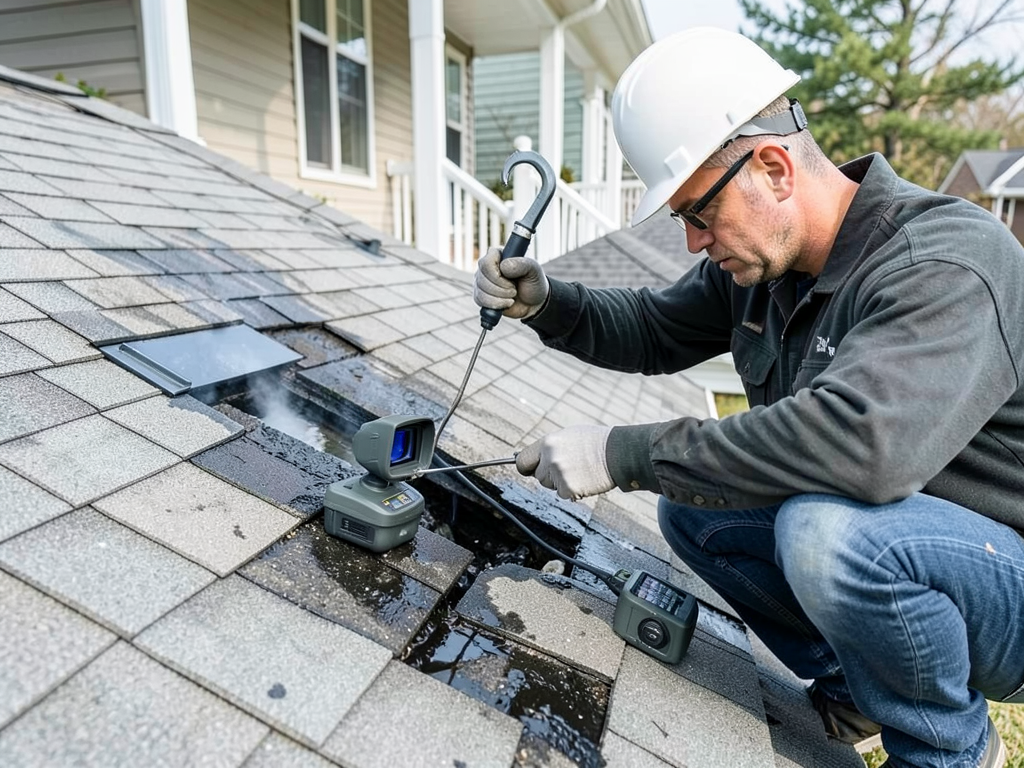
Diagram showing how water flows through a roof valley and where ice dams typically form during winter storms.
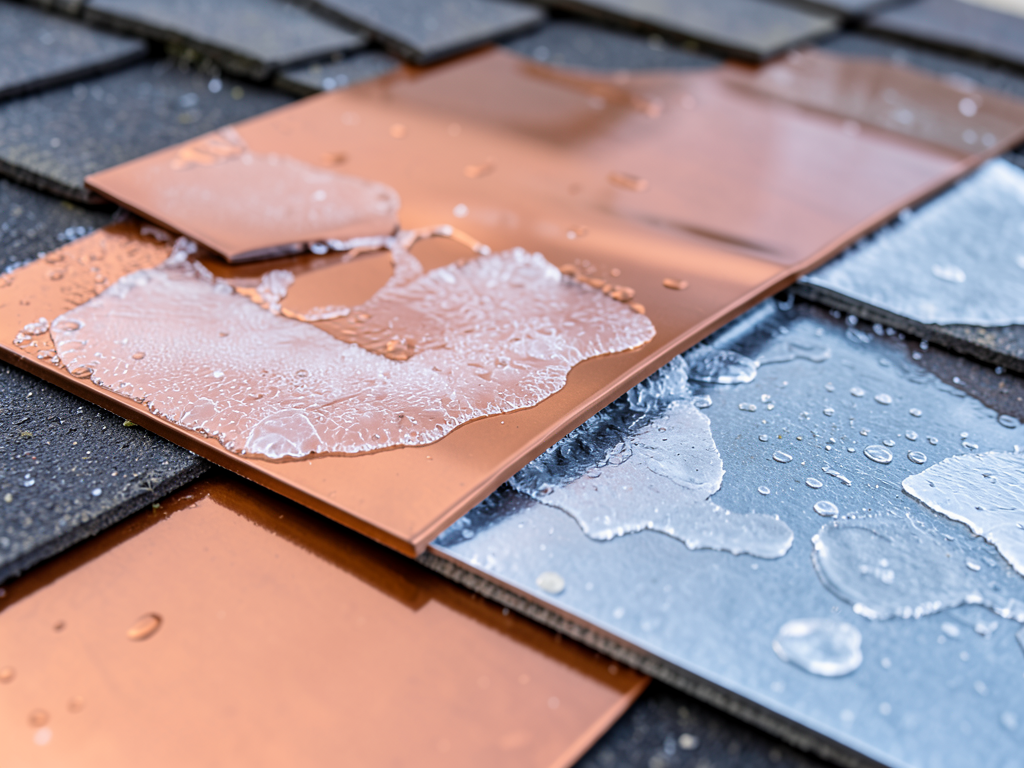
Photo of corroded valley flashing with visible damage to surrounding shingles and underlayment.
Step-by-step sequence of professional valley repair installation, showing proper ice and water shield application and flashing integration.
{
“@context”: “https://schema.org”,
“@type”: “BlogPosting”,
“headline”: “Why Your Roof Valleys Are the Most Vulnerable Spot on Your Medford Home”,
“description”: “Learn why roof valleys leak in Medford homes and how to protect your home from water damage. Get expert valley repair services from Silverline Roofing.”,
“wordCount”: 3520,
“datePublished”: “2026-03-23T15:59:00.000Z”,
“dateModified”: “2026-03-23T15:59:00.000Z”,
“inLanguage”: “en-US”,
“mainEntityOfPage”: {
“@type”: “WebPage”,
“@id”: “https://silverlineroofingboston.com”
},
“publisher”: {
“@type”: “LocalBusiness”,
“name”: “Silverline Roofing Boston”,
“url”: “https://silverlineroofingboston.com”
},
“author”: {
“@type”: “Organization”,
“name”: “Silverline Roofing Boston”,
“url”: “https://silverlineroofingboston.com”
},
“image”: {
“@type”: “ImageObject”,
“url”: “https://silverlineroofingboston.com/wp-content/uploads/2026/03/why-your-roof-valleys-are-the-most-vulnerable-spot-1.png”
}
}
{
“@context”: “https://schema.org”,
“@type”: “RoofingContractor”,
“name”: “Silverline Roofing Boston”,
“url”: “https://silverlineroofingboston.com”,
“address”: {
“@type”: “PostalAddress”,
“addressLocality”: “Boston”
},
“areaServed”: {
“@type”: “City”,
“name”: “Boston”
}
}
{
“@context”: “https://schema.org”,
“@type”: “FAQPage”,
“mainEntity”: [
{
“@type”: “Question”,
“name”: “How do I know if my valley needs professional repair?”,
“acceptedAnswer”: {
“@type”: “Answer”,
“text”: “Professional repair is needed when you see water stains on ceilings below valleys, notice missing or damaged shingles in valley areas, observe corrosion on flashing, or experience recurring leaks during storms. If your roof is over 15 years old and has never had valley work, preventive inspection is recommended.”
}
},
{
“@type”: “Question”,
“name”: “Can I repair a roof valley myself?”,
“acceptedAnswer”: {
“@type”: “Answer”,
“text”: “Valley repairs require specialized knowledge of waterproofing systems, building codes, and proper flashing techniques. DIY repairs often fail because they don’t address underlying issues like ice dam formation or proper underlayment installation. Professional repairs include warranties and ensure compliance with Massachusetts building codes.”
}
},
{
“@type”: “Question”,
“name”: “How long does a valley repair take?”,
“acceptedAnswer”: {
“@type”: “Answer”,
“text”: “Most valley repairs take 1-3 days depending on the extent of damage and weather conditions. Simple repairs might be completed in a single day, while complex repairs involving multiple valleys or structural issues require additional time. Emergency repairs can often be started within 24 hours.”
}
},
{
“@type”: “Question”,
“name”: “What building codes apply to valley repairs in Medford?”,
“acceptedAnswer”: {
“@type”: “Answer”,
“text”: “Massachusetts building code requires ice and water shield extending at least 24 inches inside the exterior wall line, proper flashing installation per ASTM standards, and compliance with local zoning requirements. Medford may have additional requirements for historic districts or specific neighborhoods.”
}
},
{
“@type”: “Question”,
“name”: “How much does valley repair cost in the Boston area?”,
“acceptedAnswer”: {
“@type”: “Answer”,
“text”: “Valley repair costs in Medford typically range from $500-8,000 depending on the extent of damage, materials used, and whether the repair meets current building codes. Simple repairs start around $500, while complete valley replacement with upgraded materials can cost $3,000-8,000.”
}
},
{
“@type”: “Question”,
“name”: “Should I replace my entire roof if the valleys are bad?”,
“acceptedAnswer”: {
“@type”: “Answer”,
“text”: “If your roof is over 15 years old and valleys show significant wear, complete replacement often makes more economic sense than patching individual problems. However, if the rest of your roof is in good condition, targeted valley repairs can provide 15-20 years of additional service life.”
}
},
{
“@type”: “Question”,
“name”: “What’s the best material for valley flashing in Medford?”,
“acceptedAnswer”: {
“@type”: “Answer”,
“text”: “Copper flashing offers the best longevity and corrosion resistance for Medford’s coastal environment, lasting 50+ years. Aluminum provides good value for standard applications, while galvanized steel works well for commercial properties. Ice and water shield is essential regardless of flashing material choice.”
}
},
{
“@type”: “Question”,
“name”: “How can I prevent ice dam damage to my valleys?”,
“acceptedAnswer”: {
“@type”: “Answer”,
“text”: “Prevent ice dams by ensuring proper attic insulation (R-49 minimum), adequate ventilation to maintain cold roof temperatures, and installing ice and water shield in all valleys. Heat cables can provide additional protection in problem areas, but proper insulation and ventilation are more effective long-term solutions.”
}
}
]
}
{
“@context”: “https://schema.org”,
“@type”: “BreadcrumbList”,
“itemListElement”: [
{
“@type”: “ListItem”,
“position”: 1,
“name”: “Home”,
“item”: “https://silverlineroofingboston.com”
},
{
“@type”: “ListItem”,
“position”: 2,
“name”: “Blog”,
“item”: “https://silverlineroofingboston.com/blog”
},
{
“@type”: “ListItem”,
“position”: 3,
“name”: “Why Your Roof Valleys Are the Most Vulnerable Spot on Your Medford Home”
}
]
}
{
“@context”: “https://schema.org”,
“@type”: “Service”,
“serviceType”: “Roofing”,
“provider”: {
“@type”: “LocalBusiness”,
“name”: “Silverline Roofing Boston”,
“url”: “https://silverlineroofingboston.com”
},
“areaServed”: {
“@type”: “City”,
“name”: “Boston”
},
“description”: “Learn why roof valleys leak in Medford homes and how to protect your home from water damage. Get expert valley repair services from Silverline Roofing.”
}