Maintenance Tips for Keeping Your Wellesley Cedar Shake Roof in Peak Condition
Your cedar shake roof is more than just a covering for your Wellesley home—it’s a significant investment that requires specialized care to withstand New England’s harsh climate. Unlike asphalt shingles, cedar shakes demand consistent maintenance to prevent premature deterioration from moisture, UV exposure, and the freeze-thaw cycles that characterize Massachusetts winters. Cedar Shake & Shingle Bureau maintenance guidelines.
Cedar shake roofs in Wellesley face unique challenges due to the area’s mature tree canopy, high humidity levels, and significant snowfall. Without proper maintenance, these beautiful natural wood roofs can develop moss, algae, and wood rot within just a few years, potentially reducing their lifespan from the expected 30-40 years to less than 15. This guide provides essential maintenance strategies specifically tailored to Wellesley’s climate and building conditions. The Best Roofing Strategies for Multi-Family Property Owners in Savin Hill.
The Unique Challenges of the Boston Climate on Cedar Shingles
Wellesley’s location just west of Boston exposes cedar shake roofs to a perfect storm of damaging conditions. The area receives an average of 48 inches of snowfall annually, with snow often lingering on roof surfaces for weeks during the winter months. This prolonged moisture exposure creates ideal conditions for fungal growth and wood deterioration.
The freeze-thaw cycles common in Massachusetts cause tremendous stress on cedar shakes. When water penetrates the wood and freezes, it expands by approximately 9%, creating microscopic cracks that widen with each cycle. Over time, this process can split shakes and compromise the roof’s structural integrity.
Wellesley’s dense tree canopy, particularly in neighborhoods like Wellesley Hills and Babson Park, creates shaded areas where moisture lingers and moss thrives. The combination of shade, moisture, and organic debris creates a microclimate that accelerates wood decay. Additionally, the area’s proximity to the coast means salt air can penetrate inland, affecting roofs in higher elevations.
According to the Massachusetts State Building Code 780 CMR, cedar shake roofs in Wellesley must meet specific fire-resistance requirements and installation standards to ensure safety and longevity. These codes recognize the unique properties of wood roofing materials and establish guidelines for proper ventilation and moisture barriers.
5 Essential Steps for Cedar Roof Longevity
Maintaining a cedar shake roof requires a systematic approach that addresses the material’s specific vulnerabilities. Here are five critical maintenance steps that will protect your investment and extend your roof’s lifespan.
1. Debris Removal and Gutter Maintenance
Organic debris accumulation is the primary enemy of cedar shake roofs. Leaves, pine needles, and small branches trap moisture against the wood surface, creating perfect conditions for moss and fungal growth. In Wellesley’s wooded neighborhoods, this debris can accumulate rapidly, especially during fall months.
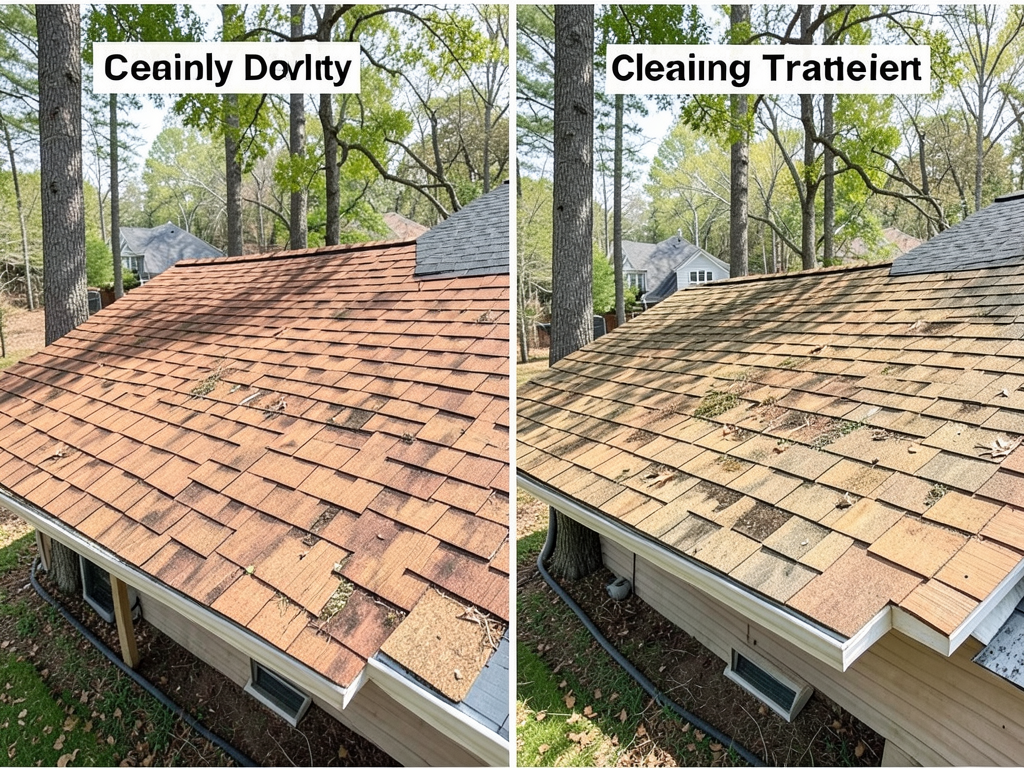
Professional debris removal should occur at least twice annually—once in late spring after pollen season and again in late fall after leaves drop. The process involves carefully removing debris by hand or with specialized tools that won’t damage the wood surface. Power washing is never recommended for cedar shakes, as it can erode the wood fibers and accelerate deterioration.
Gutter systems play a crucial role in cedar roof maintenance. Clogged gutters cause water to back up under the shakes, leading to rot at the roof edge. In Wellesley’s historic districts, where many homes feature complex rooflines and multiple valleys, proper gutter maintenance becomes even more critical.
2. Moss and Algae Treatment
Moss and algae growth on cedar shakes is more than an aesthetic issue—it’s a sign of moisture retention that can lead to wood rot. Wellesley’s humid summers and shaded conditions create perfect environments for these organisms to thrive, particularly on north-facing roof slopes.
Professional moss treatment involves applying specialized solutions that kill existing growth without damaging the wood. The most effective treatments use zinc or copper-based compounds that create an inhospitable environment for moss and algae. These treatments typically need reapplication every 2-3 years in Wellesley’s climate.
Prevention is equally important. Installing zinc or copper strips near the roof ridge can help prevent moss growth by releasing trace amounts of metal with each rainfall. This creates a protective barrier that inhibits moss and algae establishment without harming the cedar.
3. Wood Preservation and Treatment
Cedar contains natural preservatives that make it resistant to insects and decay, but these properties diminish over time, especially in New England’s harsh climate. Professional wood preservation treatments can restore these protective qualities and extend your roof’s lifespan by 10-15 years.
The preservation process involves cleaning the wood surface to remove dirt and mildew, then applying specialized treatments that penetrate the wood fibers. These treatments typically contain fungicides, UV inhibitors, and water repellents that work together to protect the wood from the elements.
In Wellesley’s coastal-influenced climate, choosing the right treatment is crucial. Oil-based treatments generally perform better than water-based products in high-humidity environments, as they penetrate deeper and provide longer-lasting protection. However, they must be applied by professionals who understand proper ventilation requirements during application.
4. Minor Repair and Shake Replacement
Even with excellent maintenance, individual cedar shakes will eventually split, curl, or deteriorate. Prompt replacement of damaged shakes prevents water infiltration that can damage the underlying roof structure. In Wellesley’s older neighborhoods, where many cedar roofs are 20+ years old, regular inspection for damage is essential.
Professional cedar shake replacement requires matching the existing material in terms of thickness, taper, and grade. Using inferior materials or improper installation techniques can create weak points that fail prematurely. The replacement process involves carefully removing damaged shakes without disturbing surrounding materials, then installing new shakes with proper spacing and fastening.
Beyond individual shake replacement, professional maintenance includes addressing issues like loose fasteners, damaged flashing, and deteriorated underlayment. These components work together to create a weatherproof system, and failure of any component can compromise the entire roof.
5. Ventilation Assessment and Improvement
Proper attic ventilation is critical for cedar shake roof longevity. In winter, inadequate ventilation allows warm, moist air to accumulate in the attic, causing snow on the roof to melt and refreeze at the eaves—creating ice dams that force water under the shakes. In summer, poor ventilation traps heat that can dry out and crack the wood.
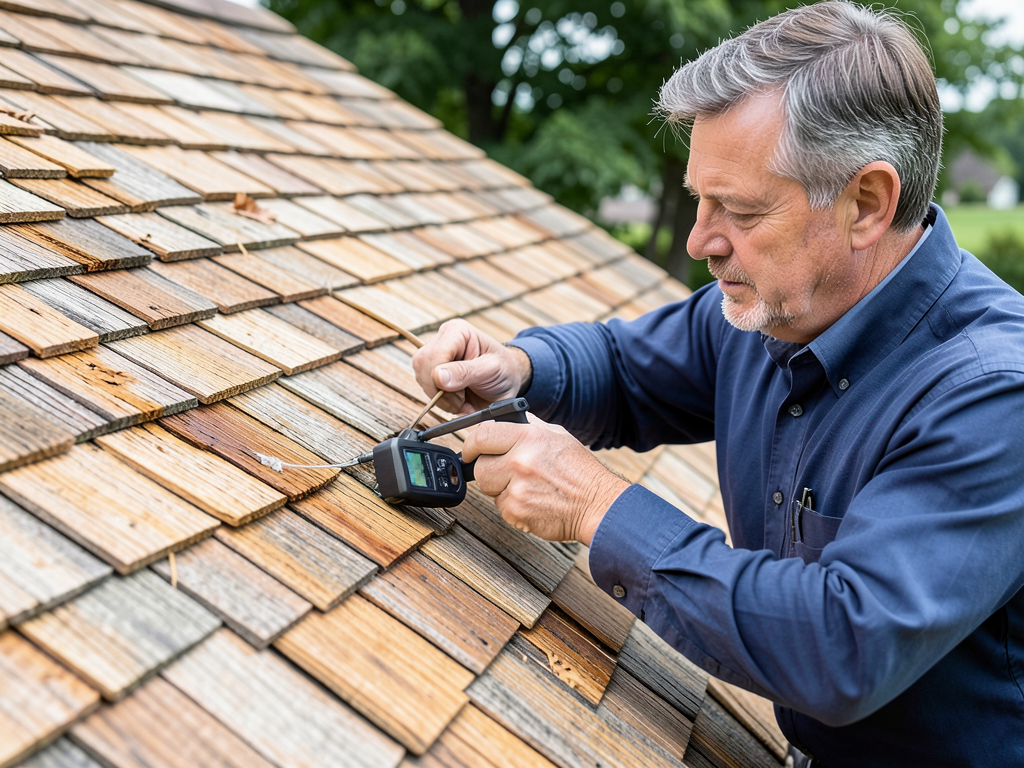
Wellesley homes, particularly those built before 1980, often have inadequate ventilation for modern cedar roof systems. Professional assessment includes measuring attic temperature and humidity levels, inspecting existing vents, and calculating the ventilation area needed based on roof size and local building codes.
Improving ventilation might involve adding ridge vents, soffit vents, or gable vents to create proper air circulation. The goal is to maintain attic temperatures within 10-15 degrees of outdoor temperatures while keeping humidity levels below 60%.
Professional Maintenance vs. DIY: What Boston Homeowners Need to Know
While some cedar roof maintenance tasks can be handled by homeowners, the complexity and risks involved make professional service the smarter choice for most Wellesley residents. Understanding the differences between DIY and professional approaches can help you make informed decisions about your roof’s care.
DIY maintenance typically involves basic debris removal and gutter cleaning. While these tasks are important, they represent only a fraction of what’s needed to properly maintain a cedar shake roof. More importantly, DIY approaches often miss early warning signs of serious problems that can lead to costly repairs if left unaddressed. 24/7 Emergency Roof Repair.
Professional cedar roof maintenance involves specialized equipment and expertise that most homeowners don’t possess. Professionals use low-pressure cleaning systems specifically designed for wood roofing, apply commercial-grade treatments unavailable to consumers, and understand how to identify and address problems before they become emergencies. Roofing Quincy.
The risks of DIY cedar roof maintenance are significant. Walking on cedar shakes requires specific techniques to avoid damaging the wood or creating safety hazards. Many homeowners inadvertently cause more harm than good by using pressure washers, harsh chemicals, or improper cleaning techniques that accelerate wood deterioration.
Professional services also provide documentation of work performed, which can be valuable for insurance purposes and when selling your home. Many Wellesley homeowners find that professional maintenance actually increases their home’s value by preserving the roof’s appearance and extending its functional life. Tile Roofing Services.
How Often Should You Service Your Cedar Roof in New England?
The maintenance frequency for cedar shake roofs in Wellesley depends on several factors, including tree coverage, roof pitch, and exposure to sun and wind. However, a general schedule can help you plan for proper care and budget for maintenance costs.
Annual inspections are essential for all cedar shake roofs in the Boston area. These inspections should occur in early spring, after the harshest winter weather but before summer storms begin. Professional inspectors look for winter damage, check for moss and algae growth, and assess the overall condition of the roof system.
Professional cleaning and treatment should occur every 3-5 years, depending on your roof’s specific conditions. Homes in heavily wooded areas or those with significant shade may need more frequent service, while roofs with good sun exposure might go longer between treatments.
Minor repairs and shake replacement should be addressed as needed, typically every 2-3 years for roofs over 15 years old. Waiting to address small problems often leads to more extensive and expensive repairs later.
Wood preservation treatments generally last 3-5 years, but this varies based on the specific product used and environmental conditions. Homes near bodies of water or in areas with high humidity may need more frequent treatments.
The key to effective cedar roof maintenance is consistency. Skipping scheduled maintenance to save money often results in premature roof failure and the need for complete replacement years earlier than necessary.
Signs Your Cedar Shake Roof Needs Immediate Attention
Recognizing the warning signs of cedar roof problems can help you address issues before they cause serious damage to your Wellesley home. Some problems are obvious, while others require professional inspection to identify.
Curling or cupping shakes indicate moisture problems and potential structural issues. When cedar shakes begin to curl at the edges, they can no longer effectively shed water, leading to leaks and accelerated deterioration. This problem often starts at the roof edges and progresses inward.
Splitting shakes are another serious concern. While some splitting is normal in aging cedar, extensive splitting or large cracks indicate structural problems. Split shakes allow water to penetrate the roof system, potentially damaging the underlayment and roof deck.
Wood rot is perhaps the most serious cedar roof problem. Rot typically appears as soft, spongy areas on the shake surface or along the butt edge where shakes overlap. In advanced stages, rot can cause shakes to crumble when touched. This problem often develops in areas with poor drainage or where debris accumulates.
Fuzzing or surface deterioration occurs when the wood fibers begin to break down due to UV exposure and weathering. While some surface fuzzing is normal in aging cedar, excessive fuzzing indicates that the wood is losing its structural integrity and may need replacement.
Missing or loose shakes are immediate red flags that require professional attention. Even a single missing shake can allow significant water infiltration during a storm, potentially causing damage to the roof deck and interior of your home.
Interior signs of roof problems shouldn’t be ignored. Water stains on ceilings or walls, particularly after rain or snow events, often indicate roof leaks. Musty odors in the attic or upper floors can signal moisture problems that may be related to roof issues.
Ice dam formation is a common problem in Wellesley during winter months. While some ice damming is normal, excessive ice buildup or ice that extends far up the roof slope indicates ventilation or insulation problems that need professional attention.
Frequently Asked Questions About Cedar Roof Care
Can you walk on a cedar shake roof without causing damage?
Walking on cedar shakes requires specific techniques to avoid damage. Professionals use special footwear and walking patterns that distribute weight evenly across multiple shakes. DIY walking often causes splitting or cracking, especially in older shakes. If you must access your roof, use a ladder extended to the roof surface rather than walking on the shakes.
How long does a cedar shake roof typically last in Wellesley’s climate?
With proper maintenance, cedar shake roofs in Wellesley typically last 30-40 years. However, without regular maintenance, lifespan can be reduced to 15-20 years. Factors affecting longevity include roof pitch, sun exposure, tree coverage, and the quality of initial installation and underlayment.
Are cedar shake roofs more expensive to maintain than asphalt shingles?
Yes, cedar shake roofs require more frequent and specialized maintenance than asphalt shingles. Annual maintenance costs typically range from $500-$1,500, while professional cleaning and treatment every 3-5 years costs $1,500-$3,000. However, when properly maintained, cedar roofs often outlast asphalt by 10-15 years.
Can moss and algae growth be completely prevented on cedar roofs?
While complete prevention is difficult in Wellesley’s humid climate, growth can be significantly minimized through proper maintenance. This includes installing zinc or copper strips, ensuring good roof ventilation, removing debris promptly, and applying preventative treatments every 2-3 years.
What’s the difference between cedar shakes and cedar shingles?
Cedar shakes are thicker, rougher, and more irregular than cedar shingles. Shakes are typically split on one or both sides, while shingles are sawn smooth. Shakes provide better insulation and a more rustic appearance but are more expensive and require more maintenance than shingles.
How do I know if my cedar roof needs replacement rather than repair?
Consider replacement if more than 30% of your shakes show significant damage, if the underlayment is deteriorated, or if your roof is over 30 years old with multiple maintenance issues. Professional inspection can help determine whether repair or replacement is the most cost-effective option.
Does homeowner’s insurance cover cedar roof maintenance?
Standard homeowner’s insurance policies typically don’t cover routine maintenance. However, they may cover damage from specific events like storms or falling trees. Some insurers offer premium discounts for well-maintained cedar roofs, as they’re often more durable than asphalt when properly cared for.
Should I treat my cedar roof with a fire retardant?
In Massachusetts, many municipalities require fire-retardant treatment for wood roofs, particularly in areas with higher fire risk. Even when not required, fire retardant treatment can provide additional safety and may be required by your insurance company. Professional application ensures proper coverage and effectiveness.
Call (857) 387-1711 today to schedule your inspection. Don’t wait until small problems become expensive repairs. Our certified technicians understand the unique challenges of maintaining cedar shake roofs in Wellesley’s climate and can help you protect your investment for years to come.
Maintaining a cedar shake roof requires expertise, consistency, and attention to detail that most homeowners simply don’t have time to provide. By partnering with professionals who understand the specific challenges of New England’s climate, you can ensure your roof continues to protect your home while maintaining its natural beauty for decades.
Ready to protect your cedar shake roof? Call (857) 387-1711 before the next storm hits. Our team provides comprehensive cedar roof maintenance services throughout Wellesley and the greater Boston area. We’ll help you develop a maintenance plan that fits your roof’s specific needs and your budget, ensuring your home stays protected through every season.
- Schedule Annual Professional Inspection
Have a certified roofing professional inspect your cedar shake roof each spring to identify winter damage, moss growth, and structural issues before they become serious problems.
- Remove Debris Promptly
Clear leaves, pine needles, and other organic debris from your roof surface and gutters at least twice yearly to prevent moisture retention and moss growth.
- Apply Professional Treatments
Have your roof professionally cleaned and treated with wood preservatives every 3-5 years to restore natural oils and protect against UV damage and moisture.
- Address Repairs Immediately
Replace split, curled, or rotted shakes as soon as they’re identified to prevent water infiltration and more extensive damage to your roof structure.
- Ensure Proper Ventilation
Verify that your attic ventilation meets current building codes to prevent ice dams in winter and excessive heat buildup in summer that can damage cedar shakes.
Additional Resources for Wellesley Homeowners
Maintaining a cedar shake roof is just one aspect of protecting your Wellesley home. Consider these related topics to ensure comprehensive home protection:
- Skylight Installation and Maintenance
- Alternative Roofing Materials for Massachusetts Homes
- Gutter Maintenance for Wooded Properties
- Comprehensive Roof Inspection Checklist
Remember that cedar shake roof maintenance is an investment in your home’s future. While it requires more attention than other roofing materials, the natural beauty, insulation properties, and longevity of a well-maintained cedar roof make it worthwhile for many Wellesley homeowners.
For personalized advice about your specific cedar roof situation, call (857) 387-1711 to speak with our cedar roof specialists. We’ll help you understand your roof’s condition and develop a maintenance plan that protects your investment while fitting your budget.
{
“@context”: “https://schema.org”,
“@type”: “BlogPosting”,
“headline”: “Maintenance Tips for Keeping Your Wellesley Cedar Shake Roof in Peak Condition”,
“description”: “Expert cedar shake roof maintenance for Wellesley homes. Learn how to protect your investment from New England weather, prevent moss and rot, and extend your roof’s lifespan.”,
“wordCount”: 2783,
“datePublished”: “2026-03-18T08:50:00.000Z”,
“dateModified”: “2026-03-18T08:50:00.000Z”,
“inLanguage”: “en-US”,
“mainEntityOfPage”: {
“@type”: “WebPage”,
“@id”: “https://silverlineroofingboston.com”
},
“publisher”: {
“@type”: “LocalBusiness”,
“name”: “Silverline Roofing Boston”,
“url”: “https://silverlineroofingboston.com”
},
“author”: {
“@type”: “Organization”,
“name”: “Silverline Roofing Boston”,
“url”: “https://silverlineroofingboston.com”
},
“image”: {
“@type”: “ImageObject”,
“url”: “https://silverlineroofingboston.com/wp-content/uploads/2026/03/maintenance-tips-for-keeping-your-wellesley-cedar-1.png”
}
}
{
“@context”: “https://schema.org”,
“@type”: “RoofingContractor”,
“name”: “Silverline Roofing Boston”,
“url”: “https://silverlineroofingboston.com”,
“address”: {
“@type”: “PostalAddress”,
“addressLocality”: “Boston”
},
“areaServed”: {
“@type”: “City”,
“name”: “Boston”
}
}
{
“@context”: “https://schema.org”,
“@type”: “FAQPage”,
“mainEntity”: [
{
“@type”: “Question”,
“name”: “How Often Should You Service Your Cedar Roof in New England?”,
“acceptedAnswer”: {
“@type”: “Answer”,
“text”: “The maintenance frequency for cedar shake roofs in Wellesley depends on several factors, including tree coverage, roof pitch, and exposure to sun and wind. However, a general schedule can help you plan for proper care and budget for maintenance costs.”
}
},
{
“@type”: “Question”,
“name”: “Can you walk on a cedar shake roof without causing damage?”,
“acceptedAnswer”: {
“@type”: “Answer”,
“text”: “Walking on cedar shakes requires specific techniques to avoid damage. Professionals use special footwear and walking patterns that distribute weight evenly across multiple shakes. DIY walking often causes splitting or cracking, especially in older shakes. If you must access your roof, use a ladder extended to the roof surface rather than walking on the shakes.”
}
},
{
“@type”: “Question”,
“name”: “How long does a cedar shake roof typically last in Wellesley’s climate?”,
“acceptedAnswer”: {
“@type”: “Answer”,
“text”: “With proper maintenance, cedar shake roofs in Wellesley typically last 30-40 years. However, without regular maintenance, lifespan can be reduced to 15-20 years. Factors affecting longevity include roof pitch, sun exposure, tree coverage, and the quality of initial installation and underlayment.”
}
},
{
“@type”: “Question”,
“name”: “Are cedar shake roofs more expensive to maintain than asphalt shingles?”,
“acceptedAnswer”: {
“@type”: “Answer”,
“text”: “Yes, cedar shake roofs require more frequent and specialized maintenance than asphalt shingles. Annual maintenance costs typically range from $500-$1,500, while professional cleaning and treatment every 3-5 years costs $1,500-$3,000. However, when properly maintained, cedar roofs often outlast asphalt by 10-15 years.”
}
},
{
“@type”: “Question”,
“name”: “Can moss and algae growth be completely prevented on cedar roofs?”,
“acceptedAnswer”: {
“@type”: “Answer”,
“text”: “While complete prevention is difficult in Wellesley’s humid climate, growth can be significantly minimized through proper maintenance. This includes installing zinc or copper strips, ensuring good roof ventilation, removing debris promptly, and applying preventative treatments every 2-3 years.”
}
},
{
“@type”: “Question”,
“name”: “What’s the difference between cedar shakes and cedar shingles?”,
“acceptedAnswer”: {
“@type”: “Answer”,
“text”: “Cedar shakes are thicker, rougher, and more irregular than cedar shingles. Shakes are typically split on one or both sides, while shingles are sawn smooth. Shakes provide better insulation and a more rustic appearance but are more expensive and require more maintenance than shingles.”
}
},
{
“@type”: “Question”,
“name”: “How do I know if my cedar roof needs replacement rather than repair?”,
“acceptedAnswer”: {
“@type”: “Answer”,
“text”: “Consider replacement if more than 30% of your shakes show significant damage, if the underlayment is deteriorated, or if your roof is over 30 years old with multiple maintenance issues. Professional inspection can help determine whether repair or replacement is the most cost-effective option.”
}
},
{
“@type”: “Question”,
“name”: “Does homeowner’s insurance cover cedar roof maintenance?”,
“acceptedAnswer”: {
“@type”: “Answer”,
“text”: “Standard homeowner’s insurance policies typically don’t cover routine maintenance. However, they may cover damage from specific events like storms or falling trees. Some insurers offer premium discounts for well-maintained cedar roofs, as they’re often more durable than asphalt when properly cared for.”
}
},
{
“@type”: “Question”,
“name”: “Should I treat my cedar roof with a fire retardant?”,
“acceptedAnswer”: {
“@type”: “Answer”,
“text”: “In Massachusetts, many municipalities require fire-retardant treatment for wood roofs, particularly in areas with higher fire risk. Even when not required, fire retardant treatment can provide additional safety and may be required by your insurance company. Professional application ensures proper coverage and effectiveness.”
}
}
]
}
{
“@context”: “https://schema.org”,
“@type”: “HowTo”,
“name”: “How to Maintain Your Cedar Shake Roof”,
“step”: [
{
“@type”: “HowToStep”,
“position”: 1,
“name”: “Schedule Annual Professional Inspection”,
“text”: “Have a certified roofing professional inspect your cedar shake roof each spring to identify winter damage, moss growth, and structural issues before they become serious problems.”
},
{
“@type”: “HowToStep”,
“position”: 2,
“name”: “Remove Debris Promptly”,
“text”: “Clear leaves, pine needles, and other organic debris from your roof surface and gutters at least twice yearly to prevent moisture retention and moss growth.”
},
{
“@type”: “HowToStep”,
“position”: 3,
“name”: “Apply Professional Treatments”,
“text”: “Have your roof professionally cleaned and treated with wood preservatives every 3-5 years to restore natural oils and protect against UV damage and moisture.”
},
{
“@type”: “HowToStep”,
“position”: 4,
“name”: “Address Repairs Immediately”,
“text”: “Replace split, curled, or rotted shakes as soon as they’re identified to prevent water infiltration and more extensive damage to your roof structure.”
},
{
“@type”: “HowToStep”,
“position”: 5,
“name”: “Ensure Proper Ventilation”,
“text”: “Verify that your attic ventilation meets current building codes to prevent ice dams in winter and excessive heat buildup in summer that can damage cedar shakes.”
}
],
“image”: “https://silverlineroofingboston.com/wp-content/uploads/2026/03/maintenance-tips-for-keeping-your-wellesley-cedar-1.png”
}
{
“@context”: “https://schema.org”,
“@type”: “BreadcrumbList”,
“itemListElement”: [
{
“@type”: “ListItem”,
“position”: 1,
“name”: “Home”,
“item”: “https://silverlineroofingboston.com”
},
{
“@type”: “ListItem”,
“position”: 2,
“name”: “Blog”,
“item”: “https://silverlineroofingboston.com/blog”
},
{
“@type”: “ListItem”,
“position”: 3,
“name”: “Maintenance Tips for Keeping Your Wellesley Cedar Shake Roof in Peak Condition”
}
]
}
{
“@context”: “https://schema.org”,
“@type”: “Service”,
“serviceType”: “Roofing”,
“provider”: {
“@type”: “LocalBusiness”,
“name”: “Silverline Roofing Boston”,
“url”: “https://silverlineroofingboston.com”
},
“areaServed”: {
“@type”: “City”,
“name”: “Boston”
},
“description”: “Expert cedar shake roof maintenance for Wellesley homes. Learn how to protect your investment from New England weather, prevent moss and rot, and extend your roof’s lifespan.”
}