
Common Places Small Roof Leaks Hide in Older Homes Near Roslindale
Small roof leaks in Roslindale’s historic homes often start where you least expect them. The combination of aging materials, harsh New England winters, and the unique architectural features of century-old homes creates perfect conditions for water intrusion. Before a minor leak becomes a major structural problem, understanding where to look can save you thousands in repairs. Roof Inspection Checklist.
Common Signs of Interior Water Damage
Water rarely appears directly below the entry point on your roof. By the time you notice a ceiling stain or bubbling paint, the water has traveled along rafters, insulation, or drywall. Early warning signs include:
- Musty odors in the attic or upper rooms
- Dark spots on ceilings or walls that grow after rain
- Peeling paint or wallpaper near roof lines
- Damp insulation in the attic
- Ice dam formations along roof edges in winter
The ‘Up-Slope’ Rule: Why the Leak Isn’t Always Where the Drip Is
Water follows the path of least resistance, often traveling horizontally along roof sheathing before finding a vertical drop point. This means a leak near your chimney might manifest as a stain over your living room. Understanding this principle helps you trace problems back to their source rather than just treating symptoms.
Boston-Specific Leak Culprits
Roslindale’s historic homes face unique challenges that newer construction doesn’t encounter. The freeze-thaw cycles common to Massachusetts create expansion and contraction in roofing materials, while the area’s mature tree canopy contributes to debris accumulation in critical areas. Massachusetts Residential Code.
The neighborhood’s mix of Victorian, Colonial, and early 20th-century homes often features original slate or cedar shake roofing that’s now 80-100 years old. These materials, while beautiful, become brittle and prone to cracking at the fasteners. Additionally, many homes have undergone multiple roof replacements, creating layers where proper sealing becomes compromised. Why Metal Roofing is Becoming a Top Choice for Coastal East Boston Homes.
Step-by-Step Attic Inspection Guide
Before calling a professional, you can perform a preliminary inspection to identify potential leak sources. Always use proper safety equipment and never walk on ceiling joists without support.
- Bring a bright flashlight and check during daylight hours
- Look for daylight penetration through roof boards
- Identify ‘shiners’ – nails that missed the rafters and frost over in winter
- Check around all roof penetrations: chimneys, vents, and plumbing stacks
- Examine the underside of roof sheathing for water stains or mold
- Feel for soft spots that indicate rot
The Garden Hose Test
When you suspect a leak but can’t find the source, the garden hose test provides a controlled way to simulate rainfall. This method requires two people and should only be done during dry weather.
Start at the lowest roof area and work upward in sections, having someone inside watch for water entry. This systematic approach helps isolate the exact entry point without causing additional damage to already compromised areas.
Professional Leak Detection Tools
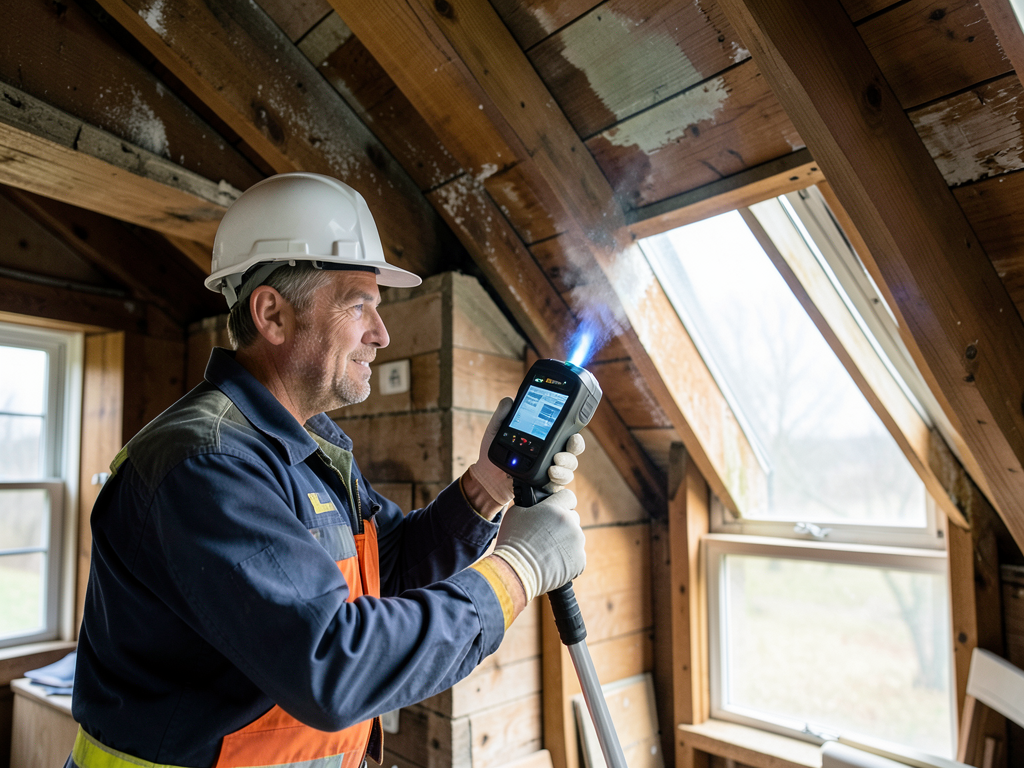
Professional roofers use specialized equipment that goes beyond visual inspection. Thermal imaging cameras detect temperature variations that indicate moisture presence, even through roofing materials. Moisture meters measure the exact water content in wood and insulation, helping determine the extent of damage. Moisture Control in Homes.
Infrared scanning can reveal hidden leaks in flat roof sections common in some Roslindale commercial buildings. This technology identifies problem areas before they become visible from inside the structure.
When to Call a Boston Roofing Professional
While some minor repairs might seem manageable, certain situations require immediate professional attention. If you notice active water intrusion during rainfall, see extensive mold growth, or observe sagging roof sections, these indicate structural compromise that demands expert evaluation.
Roslindale’s older homes often have complex roof geometries with multiple valleys and dormers. These intricate designs create numerous potential failure points that require experienced assessment. Additionally, working on steep roofs common in historic districts poses significant safety risks for untrained individuals.
Common Leak Locations in Roslindale Homes
Understanding the most vulnerable areas helps you monitor for problems. Here are the top locations where small leaks develop and grow into major issues:
| Location | Common Cause | Warning Signs |
|---|---|---|
| Chimney flashing | Corrosion, separation from brick | Water stains on walls near fireplace |
| Valley areas | Debris buildup, ice dam formation | Water entry during heavy rain |
| Plumbing vents | Cracked rubber boots, rusted collars | Musty odors near bathroom fixtures |
| Skylights | Failed seals, cracked glazing | Drips during wind-driven rain |
| Roof valleys | Gravel loss, membrane deterioration | Interior water spots after storms |
Ice Dam Prevention and Detection
Massachusetts building code requires ice barrier underlayment extending 24 inches inside the exterior wall line in snow-prone areas. However, many Roslindale homes predate these requirements, making them vulnerable to ice dam formation.
Ice dams occur when heat escapes through the roof, melting snow that refreezes at the colder eaves. This creates a barrier that forces water under shingles. Proper attic ventilation and adequate insulation prevent this cycle, but existing homes may need retrofitting to meet current standards.
Material-Specific Vulnerabilities
Different roofing materials have unique failure patterns. Asphalt shingles, common in many Roslindale homes, typically last 20-25 years in Massachusetts’ climate. Signs of aging include curling edges, missing granules, and cracked surfaces. The Best Roofing Strategies for Multi-Family Property Owners in Savin Hill.
Historic slate roofs require specialized inspection. Individual slates can crack or slide out of position, creating gaps that allow water infiltration. The underlying felt may also deteriorate, even when the slate appears intact from street level.
Emergency Steps for Active Leaks
When you discover active water intrusion, quick action prevents extensive damage. Place buckets under drips, move furniture away from affected areas, and if safe, cover the source with a tarp from inside the attic.
Document all damage with photos for insurance purposes. Many homeowner policies require prompt mitigation to prevent claim denial. Keep receipts for any emergency repairs, as these are often reimbursable under your coverage.
Cost Factors for Leak Repairs
Repair costs vary significantly based on the leak’s location, extent of damage, and roofing material. Simple flashing repairs might cost a few hundred dollars, while structural repairs involving rotted decking can run into thousands. Roofing Quincy.
Historic district requirements in some Roslindale areas may mandate specific materials or installation methods, potentially increasing costs. However, these requirements help preserve the neighborhood’s character and often result in longer-lasting repairs.
Preventive Maintenance Schedule
Regular maintenance prevents most leak problems. Schedule professional inspections every two years, or annually for homes over 50 years old. Clean gutters twice yearly, inspect after major storms, and address minor issues before they escalate. The Best Way to Keep Gutters Clog-Free in Wooded West Roxbury Neighborhoods.
Late fall inspections prepare your roof for winter, while spring checks identify any damage from ice or snow loads. This seasonal approach catches problems when they’re easiest and least expensive to fix.
Frequently Asked Questions
How can I tell if my roof leak is serious?
Active dripping, multiple water spots, or visible sagging indicates serious problems requiring immediate professional attention. Even small, persistent leaks can cause extensive hidden damage over time.
Can I repair a roof leak myself?
Minor sealant applications might be DIY-appropriate, but most roof repairs require professional expertise. Working on roofs poses serious injury risks, and improper repairs often void warranties or create larger problems.
How much does professional leak detection cost?
Professional leak detection typically ranges from $200-500, depending on roof complexity and inspection methods used. This cost is often credited toward repair work if you proceed with the same company.
Call (857) 387-1711 Today to Schedule Your Inspection
Don’t wait for a small leak to become a major structural problem. Our experienced Boston roofing team understands the unique challenges of Roslindale’s historic homes and provides thorough inspections using professional diagnostic equipment. Call (857) 387-1711 today to schedule your comprehensive roof evaluation before the next storm hits. Tile Roofing Services.
Early detection saves money and prevents the stress of emergency repairs during harsh New England weather. Our team provides clear, honest assessments and stands behind our work with quality guarantees that protect your investment for years to come.
{
“@context”: “https://schema.org”,
“@type”: “BlogPosting”,
“headline”: “Common Places Small Roof Leaks Hide in Older Homes Near Roslindale”,
“description”: “Find hidden roof leaks in Roslindale’s historic homes before they cause major damage. Learn warning signs, inspection tips, and when to call (857) 387-1711.”,
“wordCount”: 1342,
“datePublished”: “2026-03-21T10:31:00.000Z”,
“dateModified”: “2026-03-21T10:31:00.000Z”,
“inLanguage”: “en-US”,
“mainEntityOfPage”: {
“@type”: “WebPage”,
“@id”: “https://silverlineroofingboston.com”
},
“publisher”: {
“@type”: “LocalBusiness”,
“name”: “Silverline Roofing Boston”,
“url”: “https://silverlineroofingboston.com”
},
“author”: {
“@type”: “Organization”,
“name”: “Silverline Roofing Boston”,
“url”: “https://silverlineroofingboston.com”
},
“image”: {
“@type”: “ImageObject”,
“url”: “https://silverlineroofingboston.com/wp-content/uploads/2026/03/common-places-small-roof-leaks-hide-in-older-homes-1.png”
}
}
{
“@context”: “https://schema.org”,
“@type”: “RoofingContractor”,
“name”: “Silverline Roofing Boston”,
“url”: “https://silverlineroofingboston.com”,
“address”: {
“@type”: “PostalAddress”,
“addressLocality”: “Boston”
},
“areaServed”: {
“@type”: “City”,
“name”: “Boston”
}
}
{
“@context”: “https://schema.org”,
“@type”: “FAQPage”,
“mainEntity”: [
{
“@type”: “Question”,
“name”: “How can I tell if my roof leak is serious?”,
“acceptedAnswer”: {
“@type”: “Answer”,
“text”: “Active dripping, multiple water spots, or visible sagging indicates serious problems requiring immediate professional attention. Even small, persistent leaks can cause extensive hidden damage over time.”
}
},
{
“@type”: “Question”,
“name”: “Can I repair a roof leak myself?”,
“acceptedAnswer”: {
“@type”: “Answer”,
“text”: “Minor sealant applications might be DIY-appropriate, but most roof repairs require professional expertise. Working on roofs poses serious injury risks, and improper repairs often void warranties or create larger problems.”
}
},
{
“@type”: “Question”,
“name”: “How much does professional leak detection cost?”,
“acceptedAnswer”: {
“@type”: “Answer”,
“text”: “Professional leak detection typically ranges from $200-500, depending on roof complexity and inspection methods used. This cost is often credited toward repair work if you proceed with the same company.”
}
}
]
}
{
“@context”: “https://schema.org”,
“@type”: “BreadcrumbList”,
“itemListElement”: [
{
“@type”: “ListItem”,
“position”: 1,
“name”: “Home”,
“item”: “https://silverlineroofingboston.com”
},
{
“@type”: “ListItem”,
“position”: 2,
“name”: “Blog”,
“item”: “https://silverlineroofingboston.com/blog”
},
{
“@type”: “ListItem”,
“position”: 3,
“name”: “Common Places Small Roof Leaks Hide in Older Homes Near Roslindale”
}
]
}
{
“@context”: “https://schema.org”,
“@type”: “Service”,
“serviceType”: “Roofing”,
“provider”: {
“@type”: “LocalBusiness”,
“name”: “Silverline Roofing Boston”,
“url”: “https://silverlineroofingboston.com”
},
“areaServed”: {
“@type”: “City”,
“name”: “Boston”
},
“description”: “Find hidden roof leaks in Roslindale’s historic homes before they cause major damage. Learn warning signs, inspection tips, and when to call (857) 387-1711.”
}