Can Your Seaport Condo Building Actually Support a Living Green Roof
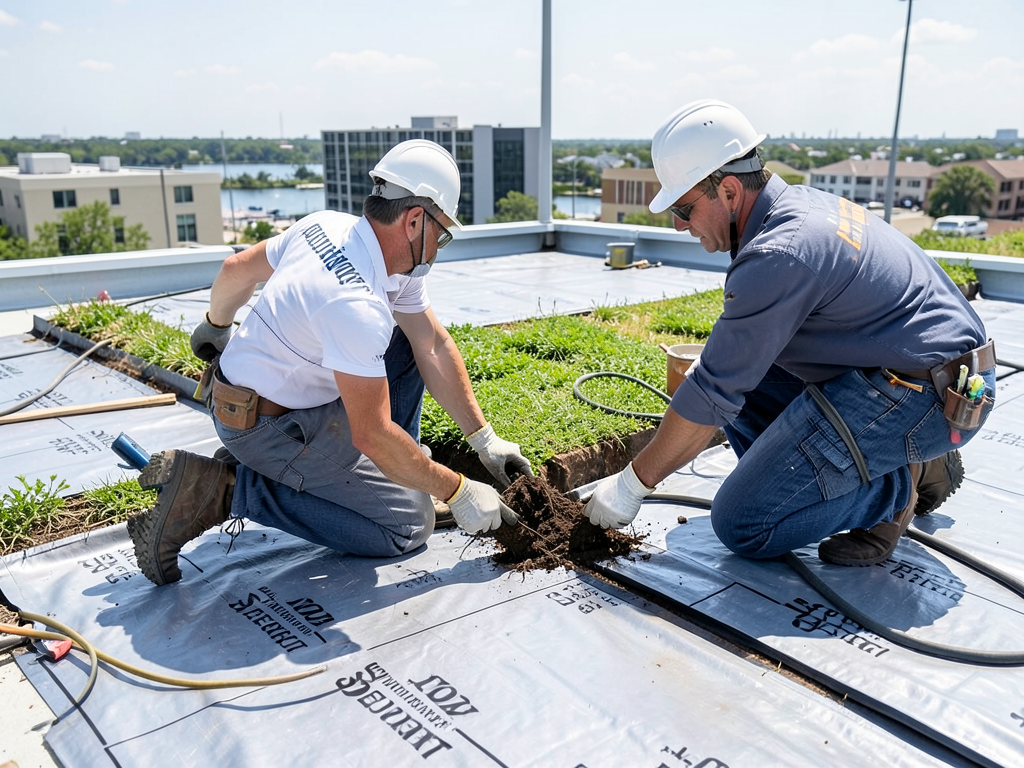
Living green roofs are gaining traction in Boston’s Seaport District but not every building can handle the weight. Before you commit to that rooftop garden you need to know if your structure can actually support the load of soil plants and water retention systems. The Seaport’s modern high-rises were built with different priorities than today’s sustainability goals. Boston’s Building Energy Reporting and Disclosure Ordinance (BERDO 2.0).
Your building’s structural capacity is the first and most critical factor. Most Seaport condos were designed for traditional roofing systems not the 20-30 pounds per square foot that a fully saturated green roof can weigh. That’s heavier than many people realize and retrofitting requires engineering analysis from a licensed structural engineer familiar with Boston’s building codes. Why Metal Roofing is Becoming a Top Choice for Coastal East Boston Homes.
The good news is that many newer Seaport buildings were constructed with future green roof installations in mind. Developers in the area have been increasingly incorporating sustainable design elements to meet BERDO 2.0 requirements and appeal to environmentally conscious buyers. But older buildings especially those converted from industrial spaces may need significant reinforcement before they can safely support a living roof system.
Understanding Structural Requirements for Seaport Buildings
Structural engineers evaluate several key factors when assessing green roof feasibility. Dead load capacity includes the permanent weight of the roof structure itself while live load capacity accounts for variable weights like people snow and the green roof system. Most residential buildings need at least 35-40 pounds per square foot of live load capacity to support a standard extensive green roof system.
The Seaport’s proximity to the harbor means buildings must also meet strict wind load requirements. Living roofs add surface area that can catch wind creating uplift forces that stress the building envelope. Engineers calculate these forces based on your building’s height and exposure to ensure the green roof system won’t compromise structural integrity during coastal storms.
Waterproofing becomes even more critical in the Seaport’s freeze-thaw climate. The area experiences significant temperature swings throughout the year which can cause expansion and contraction in roofing materials. A living roof adds another layer of complexity since roots can penetrate compromised membranes over time. Professional installation includes root barrier systems and redundant waterproofing layers specifically designed for Boston’s harsh winters. The Best Roofing Strategies for Multi-Family Property Owners in Savin Hill.
BERDO 2.0 Compliance and Green Roof Benefits
Boston’s Building Energy Reporting and Disclosure Ordinance (BERDO 2.0) creates strong incentives for green infrastructure. Large buildings in the Seaport must reduce emissions 50% by 2030 and reach net zero by 2050. Green roofs contribute to these goals by providing natural insulation reducing heating and cooling costs and managing stormwater runoff that would otherwise overwhelm the city’s aging drainage systems. Bringing Natural Light into Your South End Attic with Custom Skylights.
The ordinance specifically rewards buildings that implement sustainable roofing solutions. Properties with green roofs can earn points toward compliance reducing the need for expensive mechanical upgrades. For condo associations this translates to lower common area utility costs and potentially higher property values as buyers increasingly prioritize sustainability. Roofing Quincy.
Stormwater management represents another major benefit in the Seaport where combined sewer overflow events are common during heavy rains. A typical extensive green roof can retain 60-80% of rainfall reducing the burden on municipal systems and preventing basement flooding in nearby properties. This capability becomes especially valuable as climate change brings more intense precipitation events to the region.
Plant Selection for Boston’s Harsh Climate
Not all plants can survive Boston’s USDA Hardiness Zone 6b conditions. The Seaport’s coastal location subjects vegetation to salt spray high winds and dramatic temperature fluctuations. Successful green roofs in this area rely on hardy native species that have evolved to handle these stresses without requiring extensive maintenance or irrigation.
Sedum varieties dominate most extensive green roof installations because they store water in their leaves and can survive extended dry periods. Species like Sedum spurium and Sedum album provide excellent ground cover while requiring minimal soil depth. These plants go dormant during winter months but quickly green up again in spring requiring no special protection from snow loads.
Native grasses and wildflowers can add biodiversity and visual interest to intensive green roof systems. Switchgrass (Panicum virgatum) and little bluestem (Schizachyrium scoparium) develop deep root systems that help stabilize soil while providing habitat for pollinators. These species also handle the Seaport’s occasional drought conditions better than many traditional garden plants.
Installation Costs and ROI Considerations
Green roof installation costs in the Seaport typically range from $15-35 per square foot depending on system complexity. Extensive systems with shallow soil and hardy plants fall on the lower end while intensive systems with deeper soil deeper soil and diverse plantings cost significantly more. These figures don’t include potential structural upgrades which can add $10-20 per square foot if needed.
The return on investment calculation extends beyond simple energy savings. While reduced heating and cooling costs provide immediate benefits the most significant returns often come from increased property values and BERDO 2.0 compliance points. Buildings with green infrastructure typically command 5-7% higher rental rates and sell 10-15% faster than comparable properties without sustainable features.
Maintenance represents an ongoing cost that many property owners underestimate. Extensive systems need 2-3 inspections annually plus occasional weeding and fertilization. Intensive systems require monthly maintenance during growing season including irrigation pruning and pest management. These costs typically range from $0.75-2.00 per square foot annually but vary based on system complexity and local labor rates.
Navigating Boston’s Permitting Process
Green roof installations in Boston require multiple permits from different agencies. The Boston Planning and Development Agency reviews projects for zoning compliance while the Inspectional Services Department ensures structural and fire safety standards are met. Additional permits may be needed from the Massachusetts Department of Environmental Protection if the project affects wetlands or coastal zones. Mass Save energy efficiency programs.
The permitting timeline typically spans 3-6 months depending on project complexity and agency workload. Simple extensive systems on existing buildings may move through review quickly while intensive systems requiring structural modifications face longer approval processes. Working with contractors experienced in Boston’s specific requirements can prevent costly delays and revisions.
Fire safety regulations require specific design elements for green roofs in urban areas. The Massachusetts State Building Code mandates Class A fire ratings for roofing assemblies and requires defensible space around roof edges and penetrations. These requirements influence plant selection and layout ensuring the system doesn’t create fire hazards for the building or neighboring properties. Tile Roofing Services.
Common Failure Points and How to Avoid Them
Waterproofing failures represent the most expensive green roof problems. When membranes fail roots can penetrate and cause extensive interior damage before visible signs appear on the roof surface. The solution involves redundant waterproofing layers proper root barrier installation and regular moisture testing using specialized equipment that detects problems before they become catastrophic.
Weight miscalculations during the planning phase can lead to dangerous structural overloading. Some property owners try to save money by using lighter soil mixes or reducing plant coverage only to discover their building can’t safely support even the reduced load. Professional structural analysis before installation prevents these costly mistakes and ensures long-term safety.
Improper drainage design causes many green roof failures especially in Boston’s freeze-thaw climate. When water pools and freezes it expands creating pressure that can lift plants damage waterproofing and stress the building structure. Quality installations include tapered insulation layers perimeter drainage systems and overflow scuppers that prevent water accumulation even during severe storms.
Comparing System Types for Seaport Condos
| System Type | Soil Depth | Weight Range | Maintenance Level | Best For |
|---|---|---|---|---|
| Extensive | 2-6 inches | 15-25 psf | Low | Most condos |
| Semi-Intensive | 6-12 inches | 25-35 psf | Medium | Roof gardens |
| Intensive | 12+ inches | 35+ psf | High | Large buildings |
Extensive systems work best for most Seaport condos because they provide environmental benefits without requiring major structural modifications. These lightweight systems use specialized growing media that weighs less than traditional soil while still supporting healthy plant growth. The shallow depth also means faster installation and lower upfront costs making them more attractive for budget-conscious associations.
Semi-intensive systems offer a middle ground for buildings with moderate structural capacity. These systems can support small trees shrubs and diverse plantings while still maintaining reasonable weight loads. They work well for buildings that want to create rooftop amenity spaces without the full cost and complexity of intensive systems.
Intensive systems transform rooftops into true gardens but require significant structural reinforcement. These systems can support trees walkways and even small ponds but the weight and maintenance requirements make them impractical for most residential buildings. They’re better suited for large commercial properties or mixed-use developments with dedicated maintenance staff.
Energy Efficiency and Urban Heat Island Effect
Green roofs provide substantial energy savings by creating an additional insulation layer that reduces heat transfer through the building envelope. In summer months the plants and growing medium absorb solar radiation that would otherwise heat the roof surface. This natural cooling can reduce air conditioning costs by 20-30% in buildings with extensive green roof coverage.
Winter benefits include reduced heat loss through the roof assembly. The growing medium and plants trap air creating an insulating effect that keeps warm air inside the building. While the impact is less dramatic than summer cooling savings many buildings see 10-15% reductions in heating costs after green roof installation.
The Seaport’s dense urban environment makes it particularly vulnerable to the urban heat island effect where built surfaces absorb and radiate heat creating temperatures 5-7 degrees warmer than surrounding areas. Green roofs help mitigate this effect by replacing heat-absorbing surfaces with vegetation that cools through evapotranspiration. This cooling benefit extends beyond individual buildings improving comfort for the entire neighborhood.
Winter Maintenance and Snow Load Management
Boston’s heavy snowfall creates unique challenges for green roof systems. While the plants themselves are dormant and can handle snow loads the additional weight of saturated growing media plus snow can exceed safe structural limits. Most systems are designed to handle 30-40 pounds per square foot of snow load but extreme storms may require temporary removal of snow from certain areas.
Ice formation poses another winter hazard. When water freezes in the growing medium it expands potentially damaging plant roots and stressing the waterproofing membrane. Quality installations include drainage layers that channel water away before it can freeze and materials that accommodate the natural expansion and contraction of freezing soil.
Spring maintenance becomes critical after winter’s harsh conditions. Dead plant material needs removal to prevent disease and make way for new growth. The growing medium may need replenishment if erosion occurred during winter storms. These tasks require specialized knowledge since disturbing the system incorrectly can damage the waterproofing or create drainage problems.
Finding Qualified Green Roof Contractors in Boston
Not all roofing contractors have experience with green roof systems. The specialized knowledge required includes understanding structural engineering principles waterproofing technology and plant horticulture. Look for contractors with specific green roof certifications from organizations like Green Roofs for Healthy Cities or the National Roofing Contractors Association.
Local experience matters significantly in Boston’s unique climate. Contractors familiar with the area understand how to design systems that handle nor’easters salt spray and freeze-thaw cycles. They also know local permitting requirements and have relationships with structural engineers familiar with Seaport building codes and BERDO 2.0 compliance strategies.
Ask potential contractors about their warranty coverage and maintenance programs. Quality green roof installations should include at least a 20-year waterproofing warranty and a multi-year plant establishment guarantee. The best contractors also offer ongoing maintenance programs that ensure your investment continues to perform as expected throughout its lifespan.
Financial Incentives and Grant Programs
Massachusetts offers several financial incentives for green infrastructure projects. The Massachusetts Department of Energy Resources provides grants through the Clean Energy Center that can cover up to 40% of green roof installation costs for qualifying projects. These grants prioritize buildings in environmental justice communities and those demonstrating significant energy savings potential.
Federal tax incentives through the Inflation Reduction Act include credits for sustainable building improvements. Green roofs qualify for energy efficiency tax credits that can offset 30% of eligible costs. These credits apply to both material and labor expenses making them particularly valuable for larger commercial installations in the Seaport.
Utility companies like National Grid offer rebates for energy efficiency improvements that reduce peak demand. Green roofs qualify for these programs because they reduce cooling loads during summer months when electricity demand is highest. These rebates typically range from $0.50-2.00 per square foot of green roof area depending on the projected energy savings.
Case Studies from the Seaport District
The Seaport’s Innovation and Design Building installed a 60,000 square foot extensive green roof in 2019. The system uses native sedums and grasses to create a low-maintenance landscape that reduces the building’s energy consumption by an estimated 15% annually. The project qualified for multiple grants and now serves as a demonstration site for other developers considering green infrastructure.
A newer luxury condo building at 22 Boston Wharf Road incorporated green roof technology from the initial design phase. The developers worked with structural engineers to ensure the building could support intensive garden areas including trees and shrubs. This forward-thinking approach helped the property achieve LEED Gold certification and command premium rental rates in a competitive market.
Several older warehouse conversions in the Fort Point Channel area have successfully added green roofs through careful structural analysis and targeted reinforcement. These projects demonstrate that even buildings not originally designed for green infrastructure can often accommodate sustainable upgrades with proper engineering and planning.
Future Trends in Urban Green Infrastructure
Boston’s sustainability goals are driving rapid innovation in green roof technology. New modular systems allow for easier installation and replacement of individual components reducing maintenance costs and extending system lifespans. These pre-planted modules can be installed year-round and swapped out if plants fail providing flexibility traditional built-in-place systems can’t match.
Smart technology integration represents another emerging trend. Sensors monitor soil moisture nutrient levels and plant health sending alerts when intervention is needed. This data-driven approach optimizes water usage prevents plant loss and reduces maintenance costs while providing valuable information about the system’s environmental benefits.
Integration with solar panels creates hybrid systems that maximize rooftop utility. The cooling effect of green roofs actually improves solar panel efficiency by 5-10% while the panels provide shade that helps plants thrive during hot summer months. These combined systems represent the future of sustainable urban development in Boston’s growing Seaport district.
Making the Right Decision for Your Building
The decision to install a green roof requires balancing multiple factors including structural capacity BERDO 2.0 compliance goals and budget constraints. Start with a professional structural assessment to determine your building’s actual load-bearing capacity. This analysis will reveal whether you need minor modifications extensive reinforcement or if a green roof simply isn’t feasible for your specific building.
Consider your long-term property goals when evaluating green roof options. If you plan to hold the property for many years the energy savings and increased property values may justify higher upfront costs. If you’re planning to sell soon focus on systems that provide immediate visual appeal and marketability without requiring major structural work.
Green roofs represent a significant investment but they also offer unique benefits that traditional roofing systems can’t match. From reducing your carbon footprint to creating usable outdoor space these systems transform underutilized roof areas into valuable assets. The key is working with experienced professionals who can guide you through the complex process of evaluating your building’s capabilities and selecting the right system for your specific needs.
Frequently Asked Questions
How much does a green roof cost in Boston?
Green roof installation in Boston typically costs $15-35 per square foot for the basic system. Extensive systems with shallow soil and hardy plants fall on the lower end while intensive systems with deeper soil and diverse plantings cost more. These prices don’t include potential structural upgrades which can add $10-20 per square foot if needed.
Can any building support a green roof?
No, not every building can support a green roof. Most residential buildings need at least 35-40 pounds per square foot of live load capacity to support a standard extensive green roof system. Older buildings especially converted industrial spaces often require significant structural reinforcement before they can safely support a living roof system.
What plants work best for Boston green roofs?
Sedum varieties dominate most extensive green roof installations in Boston because they store water in their leaves and can survive extended dry periods. Native species like Sedum spurium and Sedum album provide excellent ground cover while requiring minimal soil depth. These plants go dormant during winter but quickly green up again in spring.
How long do green roofs last?
Quality green roof systems can last 40-50 years or more with proper maintenance. The waterproofing membrane typically comes with a 20-year warranty but often lasts much longer when protected by the growing medium and plants. Regular inspections and maintenance can significantly extend the system’s lifespan beyond the warranty period.
Do green roofs require a lot of maintenance?
Maintenance requirements vary by system type. Extensive systems need 2-3 inspections annually plus occasional weeding and fertilization. Intensive systems require monthly maintenance during growing season including irrigation pruning and pest management. These costs typically range from $0.75-2.00 per square foot annually depending on system complexity.
Will a green roof help with Boston’s harsh winters?
Yes, green roofs provide insulation that reduces heat loss through the roof assembly during winter months. The growing medium and plants trap air creating an insulating effect that keeps warm air inside the building. While the impact is less dramatic than summer cooling savings many buildings see 10-15% reductions in heating costs.
Ready to find out if your Seaport condo can support a living green roof? Call (857) 387-1711 today to schedule your structural assessment and take the first step toward sustainable urban living.
Additional Resources
Learn more about sustainable roofing options and energy efficiency improvements for your Boston property. Understanding your building’s capabilities and the available incentives can help you make informed decisions about green infrastructure investments.
Explore our other resources on roofing solutions for Boston’s unique climate and building requirements. From traditional installations to cutting-edge sustainable systems we provide the expertise you need to protect your investment and improve your property’s performance.
Contact us today to discuss your specific needs and schedule a consultation with our experienced team. We’ll help you navigate the complexities of green roof installation and ensure your project meets all local requirements while delivering the environmental and financial benefits you expect.
Call (857) 387-1711 now to speak with a green roof specialist about your Seaport condo building’s potential for sustainable transformation.
{
“@context”: “https://schema.org”,
“@type”: “BlogPosting”,
“headline”: “Can Your Seaport Condo Building Actually Support a Living Green Roof”,
“description”: “Discover if your Seaport condo can handle a living green roof. Learn Boston’s structural requirements, BERDO 2.0 compliance, and local plant selection for sustainable urban living.”,
“wordCount”: 3132,
“datePublished”: “2026-03-22T09:32:00.000Z”,
“dateModified”: “2026-03-22T09:32:00.000Z”,
“inLanguage”: “en-US”,
“mainEntityOfPage”: {
“@type”: “WebPage”,
“@id”: “https://silverlineroofingboston.com”
},
“publisher”: {
“@type”: “LocalBusiness”,
“name”: “Silverline Roofing Boston”,
“url”: “https://silverlineroofingboston.com”
},
“author”: {
“@type”: “Organization”,
“name”: “Silverline Roofing Boston”,
“url”: “https://silverlineroofingboston.com”
},
“image”: {
“@type”: “ImageObject”,
“url”: “https://silverlineroofingboston.com/wp-content/uploads/2026/03/can-your-seaport-condo-building-actually-support-a-1.png”
}
}
{
“@context”: “https://schema.org”,
“@type”: “RoofingContractor”,
“name”: “Silverline Roofing Boston”,
“url”: “https://silverlineroofingboston.com”,
“address”: {
“@type”: “PostalAddress”,
“addressLocality”: “Boston”
},
“areaServed”: {
“@type”: “City”,
“name”: “Boston”
}
}
{
“@context”: “https://schema.org”,
“@type”: “FAQPage”,
“mainEntity”: [
{
“@type”: “Question”,
“name”: “How much does a green roof cost in Boston?”,
“acceptedAnswer”: {
“@type”: “Answer”,
“text”: “Green roof installation in Boston typically costs $15-35 per square foot for the basic system. Extensive systems with shallow soil and hardy plants fall on the lower end while intensive systems with deeper soil and diverse plantings cost more. These prices don’t include potential structural upgrades which can add $10-20 per square foot if needed.”
}
},
{
“@type”: “Question”,
“name”: “Can any building support a green roof?”,
“acceptedAnswer”: {
“@type”: “Answer”,
“text”: “No, not every building can support a green roof. Most residential buildings need at least 35-40 pounds per square foot of live load capacity to support a standard extensive green roof system. Older buildings especially converted industrial spaces often require significant structural reinforcement before they can safely support a living roof system.”
}
},
{
“@type”: “Question”,
“name”: “What plants work best for Boston green roofs?”,
“acceptedAnswer”: {
“@type”: “Answer”,
“text”: “Sedum varieties dominate most extensive green roof installations in Boston because they store water in their leaves and can survive extended dry periods. Native species like Sedum spurium and Sedum album provide excellent ground cover while requiring minimal soil depth. These plants go dormant during winter but quickly green up again in spring.”
}
},
{
“@type”: “Question”,
“name”: “How long do green roofs last?”,
“acceptedAnswer”: {
“@type”: “Answer”,
“text”: “Quality green roof systems can last 40-50 years or more with proper maintenance. The waterproofing membrane typically comes with a 20-year warranty but often lasts much longer when protected by the growing medium and plants. Regular inspections and maintenance can significantly extend the system’s lifespan beyond the warranty period.”
}
},
{
“@type”: “Question”,
“name”: “Do green roofs require a lot of maintenance?”,
“acceptedAnswer”: {
“@type”: “Answer”,
“text”: “Maintenance requirements vary by system type. Extensive systems need 2-3 inspections annually plus occasional weeding and fertilization. Intensive systems require monthly maintenance during growing season including irrigation pruning and pest management. These costs typically range from $0.75-2.00 per square foot annually depending on system complexity.”
}
},
{
“@type”: “Question”,
“name”: “Will a green roof help with Boston’s harsh winters?”,
“acceptedAnswer”: {
“@type”: “Answer”,
“text”: “Yes, green roofs provide insulation that reduces heat loss through the roof assembly during winter months. The growing medium and plants trap air creating an insulating effect that keeps warm air inside the building. While the impact is less dramatic than summer cooling savings many buildings see 10-15% reductions in heating costs.”
}
}
]
}
{
“@context”: “https://schema.org”,
“@type”: “BreadcrumbList”,
“itemListElement”: [
{
“@type”: “ListItem”,
“position”: 1,
“name”: “Home”,
“item”: “https://silverlineroofingboston.com”
},
{
“@type”: “ListItem”,
“position”: 2,
“name”: “Blog”,
“item”: “https://silverlineroofingboston.com/blog”
},
{
“@type”: “ListItem”,
“position”: 3,
“name”: “Can Your Seaport Condo Building Actually Support a Living Green Roof”
}
]
}
{
“@context”: “https://schema.org”,
“@type”: “Service”,
“serviceType”: “Roofing”,
“provider”: {
“@type”: “LocalBusiness”,
“name”: “Silverline Roofing Boston”,
“url”: “https://silverlineroofingboston.com”
},
“areaServed”: {
“@type”: “City”,
“name”: “Boston”
},
“description”: “Discover if your Seaport condo can handle a living green roof. Learn Boston’s structural requirements, BERDO 2.0 compliance, and local plant selection for sustainable urban living.”
}