
The Problem with Nail Pops and Why They Keep Showing Up on Your Older Medford Roof
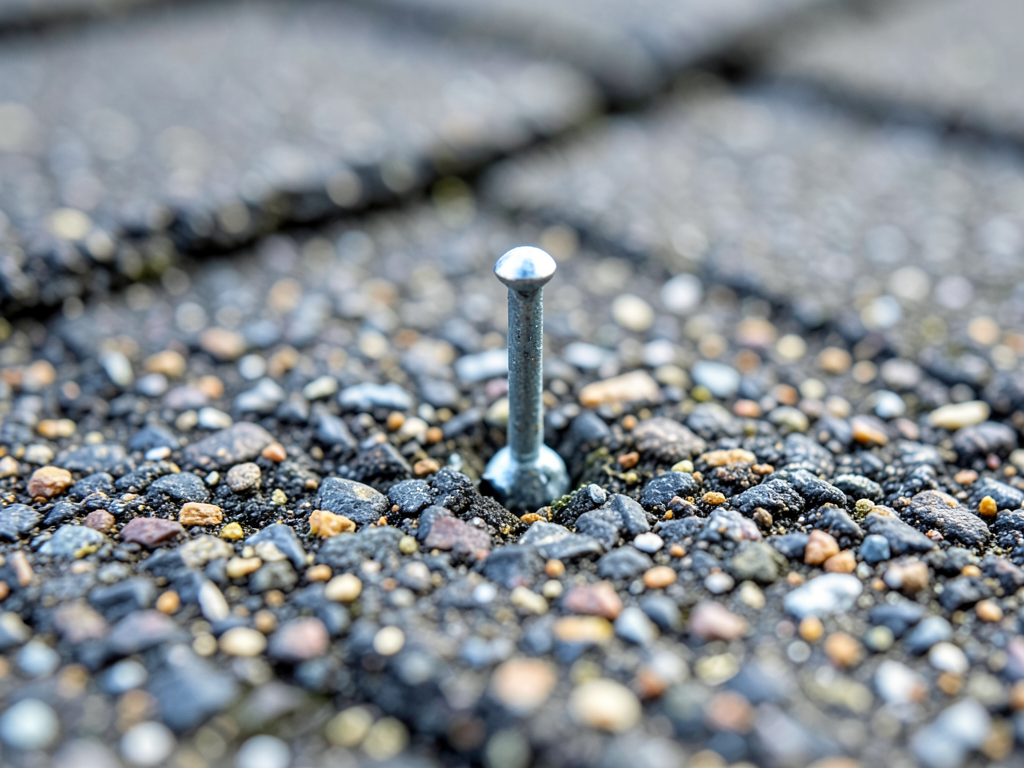
If you notice small bumps or raised shingles on your Medford roof, you are likely dealing with nail pops. These are one of the most common roofing issues in older New England homes. Nail pops happen when roofing nails push through or lift the shingles above them. In Medford’s climate, where temperatures swing dramatically between seasons, this problem shows up more often than you might expect. Why Metal Roofing is Becoming a Top Choice for Coastal East Boston Homes.
Nail pops create more than just cosmetic issues. When nails push through shingles, they break the protective seal that keeps water out. This leaves your roof deck exposed to moisture, which can lead to leaks, rot, and expensive interior damage. The freeze-thaw cycles in Medford make this problem worse because water gets into tiny gaps, freezes, expands, and pushes nails even higher.
How Medford’s Weather Makes Nail Pops Worse
Medford sits in a zone where winter temperatures regularly drop below freezing and summer heat can exceed 90 degrees. This 60-degree temperature swing causes roofing materials to expand and contract. Over time, this movement loosens nails and weakens their grip on the roof deck. The Best Roofing Strategies for Multi-Family Property Owners in Savin Hill.
The freeze-thaw cycle is particularly damaging. When snow melts during the day and refreezes at night, it seeps into microscopic spaces around nails. As water freezes, it expands by about 9 percent, creating pressure that pushes nails upward. This cycle repeats all winter, gradually lifting nails higher with each freeze.
Medford’s humidity also plays a role. High moisture levels in the air can cause roof decking materials to swell slightly. When combined with temperature changes, this swelling creates additional stress on nail connections. The result is nails that work their way out over months or years.
Why Older Medford Homes Are More Vulnerable
Many homes in Medford were built between 1920 and 1960. These houses often have original or aging roof systems that are more susceptible to nail pops. The roof decks in these older homes may be made of wood boards rather than modern plywood or OSB, which can warp or split over decades.
Older roofing installations may have used shorter nails or fewer nails per shingle than current building standards require. Massachusetts State Building Code 780 CMR now requires specific nail lengths and spacing patterns that older roofs did not follow. This means older roofs simply were not built to withstand today’s weather patterns as effectively. Massachusetts State Building Code 780 CMR.
Many Medford homes have undergone previous repairs or partial re-roofing. If these repairs used different materials or installation methods, they can create weak points where nails are more likely to pop. The transitions between old and new roofing materials are particularly vulnerable. EPA Moisture Control Guidance.
How to Spot Nail Pops on Your Roof
Nail pops are usually easy to spot once you know what to look for. The most obvious sign is a small bump or raised area on your shingles. These bumps often appear in straight lines, following the pattern of nail rows across the roof.
Sometimes nail pops create shadows on your roof. When nails push shingles up slightly, they create tiny gaps that catch light differently than flat shingles. This can make your roof look uneven or wavy from the street.
Inside your home, nail pops can cause ceiling stains or water spots. When nails push through, they create entry points for water. This water can travel down roof rafters and appear as stains on your ceiling, often near exterior walls.
During heavy rain, you might notice drips or moisture in your attic. This happens when water enters through nail holes and runs down to the attic floor. A flashlight inspection in your attic can reveal daylight through nail holes or moisture trails on rafters.. Read more about Why It Might Be Time to Consider a Full Tear Off Instead of a Simple Roof Layover.
The Real Cost of Ignoring Nail Pops
Many homeowners think nail pops are just a cosmetic issue. This is a dangerous misconception. Each nail pop is a potential leak waiting to happen. In Medford’s wet climate, even small openings can let significant water into your home.
Water entering through nail pops can cause roof deck rot. When plywood or OSB gets wet repeatedly, it loses structural integrity. A rotted roof deck cannot support the weight of new roofing materials, which means expensive replacement becomes necessary. Roofing Quincy.
Interior damage from nail pop leaks can be extensive. Water can ruin attic insulation, damage ceiling drywall, and create conditions for mold growth. Mold remediation in Massachusetts can cost thousands of dollars, especially if it spreads through HVAC systems.
Energy efficiency suffers when nail pops create gaps in your roof system. These gaps let conditioned air escape and outside air enter, forcing your heating and cooling systems to work harder. This increases utility bills month after month.
DIY Repair vs. Professional Service: What You Need to Know
Some homeowners try to fix nail pops themselves using roofing cement. While this might seem like a quick fix, it often creates more problems than it solves. Roofing cement applied over nail heads can trap moisture and accelerate deterioration of surrounding shingles. Tile Roofing Services.
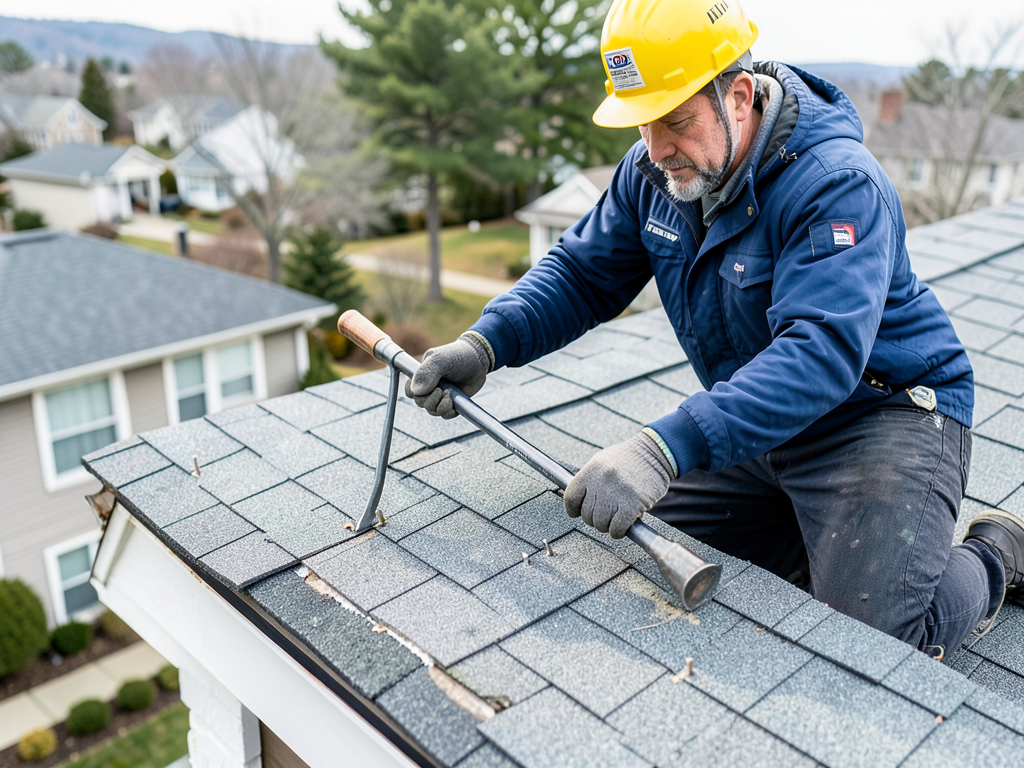
Professional repair involves carefully lifting the affected shingle, removing the popped nail, and either resetting it properly or replacing it with a longer, ring-shank nail. The area is then sealed with proper roofing sealant that allows for material movement.
Safety is a major concern with DIY roof work. Medford homes often have steep roof pitches that become extremely slippery when wet or covered with leaves. Falls from roofs cause serious injuries every year. Professional roofers have the proper safety equipment and training.
Professional inspections can identify related issues that DIY repairs miss. A trained eye can spot early signs of deck rot, flashing problems, or ventilation issues that contribute to nail pops. Fixing these underlying causes prevents future problems.. Read more about Why Step Flashing is the Most Likely Culprit Behind That Water Stain on Your Ceiling.
How Professionals Fix Nail Pops the Right Way
The repair process starts with a thorough inspection to locate all nail pops and assess the extent of damage. Not all bumps are nail pops; some might be blisters or hail damage that require different treatment.
Technicians use a flat pry bar to carefully lift affected shingles without breaking them. This requires skill because asphalt shingles become brittle with age, especially after exposure to Medford’s temperature extremes.
Once the shingle is lifted, the popped nail is removed. If the nail hole is damaged or enlarged, a larger or longer nail is used. Ring-shank nails provide better holding power than smooth nails because the rings bite into wood fibers.
The new nail is driven at the correct angle and depth. Too deep and it breaks the shingle seal; too shallow and it risks popping again. The nail head should sit flush with the shingle surface without crushing it.
Roofing sealant is applied under the shingle tabs and around the nail head. This creates a watertight seal while allowing the shingle to flex with temperature changes. The sealant used must be compatible with asphalt shingles and UV-resistant.
After sealing, the shingle is carefully pressed back into place. The repair should be invisible from the ground and restore the roof’s protective barrier.
Preventing Future Nail Pops in Your Medford Home
Proper attic ventilation is crucial for preventing nail pops. When attics trap heat and moisture, it affects the entire roof structure. Good ventilation allows hot, moist air to escape, reducing temperature extremes that cause material movement.
Soffit vents along the eaves and ridge vents at the roof peak create natural airflow. This passive ventilation system can reduce attic temperatures by 20 to 30 degrees in summer and prevent moisture buildup in winter. Bringing Natural Light into Your South End Attic with Custom Skylights.
Checking your roof deck from the attic can reveal early warning signs. Look for dark spots, water stains, or areas where the wood feels soft. These indicate moisture problems that can lead to nail pops and other damage.
When it’s time for a new roof, choose quality materials and proper installation. Modern architectural shingles are more resistant to nail pops than traditional three-tab shingles. They also provide better wind resistance for Medford’s occasional strong storms.
Ask about ring-shank nails or screws for roofing installations. These fasteners resist pulling out better than smooth nails. Some contractors now use screws with rubber washers for maximum holding power in extreme climates.
When to Call a Medford Roofing Professional
Not every nail pop requires immediate professional attention, but certain signs indicate you should call right away. Multiple nail pops in a concentrated area suggest widespread problems. If you see 10 or more in one section of roof, the underlying issue needs professional diagnosis.
Interior water stains always warrant a professional inspection. By the time water appears inside your home, the damage may be more extensive than visible from the outside. A moisture meter can detect hidden water in roof decking.
Age matters when deciding about repairs. If your roof is over 20 years old and developing nail pops, it may be nearing the end of its service life. A professional can assess whether repairs make sense or if replacement is more cost-effective.
Storm damage can worsen existing nail pops or create new ones. After severe weather, have your roof inspected even if you don’t see obvious damage. High winds can loosen nails that seem fine until the next storm.
Professional inspections are valuable even without visible problems. An annual roof check can catch nail pops and other issues while they’re still minor. This preventative approach saves money by avoiding emergency repairs and interior damage.
Cost Factors for Nail Pop Repair in Medford
Repair costs vary based on several factors. The number of nail pops affects total price, but most contractors charge a minimum service fee that covers the first hour of work and several repairs.
Roof accessibility impacts cost. Single-story ranches are easier to access than multi-story homes common in Medford’s older neighborhoods. Steep roofs require additional safety equipment and time.
The extent of damage matters. Simple nail pops that only need resetting are less expensive than those that have caused water damage or require shingle replacement.
Emergency repairs during rainy or winter conditions cost more due to hazardous working conditions and the need for temporary leak protection measures.
Most nail pop repairs in the Medford area range from $150 to $500 for typical residential jobs. This is far less than the cost of interior water damage repairs, which can run thousands of dollars.
Local Building Code Requirements for Repairs
Massachusetts State Building Code 780 CMR Section 36 sets specific requirements for roofing repairs. Any repair affecting more than 100 square feet of roof area requires a permit from the Medford building department.
The code requires that all repairs use materials meeting current ASTM standards. This means replacement shingles must match the fire rating and wind resistance of existing roofing.
Ice and water shield requirements apply to repair areas near roof edges. The code mandates this protective membrane in zones where ice dams commonly form, which includes most Medford roofs due to the area’s winter conditions.
Proper fastening is critical for code compliance. The current standard requires six nails per architectural shingle in high-wind zones, which includes most of eastern Massachusetts.
Working with a licensed contractor ensures your repairs meet these requirements. Unpermitted work can cause problems when selling your home and may void manufacturer warranties.
Understanding the Relationship Between Nail Pops and Ice Dams
Ice dams and nail pops often occur together because they share common causes. Poor attic ventilation leads to uneven roof temperatures, which causes snow to melt and refreeze at roof edges, forming ice dams.
Ice dams create backup water that can enter through existing nail pops or create enough pressure to push nails upward. The combination of water weight and freeze-thaw cycling accelerates nail pop formation.
Medford’s location near the coast means it experiences both heavy snow and freeze-thaw cycles. These conditions are perfect for creating both ice dams and nail pops in the same roofing system.
Addressing ventilation issues helps prevent both problems. When your attic stays closer to the outdoor temperature, snow melts more evenly and ice dams are less likely to form.
Proper insulation also plays a role. When heat from your living space escapes into the attic, it creates warm spots on your roof that melt snow unevenly. This contributes to both ice dam formation and the freeze-thaw cycles that cause nail pops.
The Long-Term Value of Professional Roof Maintenance
Regular roof maintenance prevents small issues like nail pops from becoming major problems. A maintenance program typically includes twice-yearly inspections, gutter cleaning, and minor repairs as needed.
Professional maintenance catches nail pops early when they’re easy and inexpensive to fix. It also identifies other developing issues like cracked flashing, worn sealant, or ventilation problems.
Many Medford homeowners find that maintenance programs pay for themselves by preventing costly emergency repairs and extending roof life by several years.
Documentation from professional maintenance can be valuable when selling your home. Buyers and home inspectors look for evidence of regular roof care, and a well-maintained roof can be a selling point.
Insurance companies sometimes offer premium discounts for homes with documented professional maintenance. This can offset the cost of the maintenance program itself.
Making the Right Choice for Your Medford Home
Nail pops are a common issue in Medford’s older homes, but they don’t have to lead to major problems. Understanding what causes them and how to address them properly can save you thousands of dollars in potential damage.
The key is recognizing that nail pops are symptoms of underlying issues with your roofing system. Whether it’s age, ventilation problems, or installation issues, the popping nails are telling you something needs attention.
Professional inspection and repair ensure the job is done right the first time. This prevents the cycle of temporary fixes that often makes roofing problems worse over time.
Your roof protects everything in your home. Investing in proper repair and maintenance of issues like nail pops protects your entire investment and gives you peace of mind during New England’s challenging weather seasons.
Frequently Asked Questions
How long can I wait to fix nail pops on my roof?
Minor nail pops without interior water stains can typically wait 30 to 60 days for repair. However, if you see ceiling stains or during rainy seasons, immediate repair is recommended. Water entering through nail holes can cause rot within weeks, turning a simple repair into a major project.
Can I fix nail pops myself with roofing cement?
While roofing cement might seem like a quick fix, it often traps moisture and can void shingle warranties. Professional repair involves properly resetting or replacing nails and using compatible sealants. DIY fixes might last months but usually fail within one to two years, especially in Medford’s freeze-thaw climate.
How many nail pops is too many for repair vs. replacement?
If your roof has 20 or more nail pops scattered across different areas, replacement might be more cost-effective than repair. Also consider your roof’s age. If it’s over 20 years old with multiple issues, replacement often makes more financial sense than extensive repairs.
Will my homeowner’s insurance cover nail pop repairs?
Standard policies typically don’t cover nail pops because they’re considered maintenance issues rather than sudden damage. However, if nail pops lead to leaks that cause interior damage, that damage might be covered. Always check with your insurance provider about specific coverage details.
How can I prevent nail pops when getting a new roof?
Choose a contractor who uses ring-shank nails or screws, ensures proper attic ventilation, and follows Massachusetts building codes for fastening patterns. Ask about the nail type and spacing they plan to use. Quality installation with proper materials prevents most nail pop issues for the life of your roof.
- Visual Inspection
Look for raised bumps or wavy areas on your roof from the ground using binoculars. Check for straight lines of bumps following nail patterns.
- Interior Check
Examine your attic for daylight through roof deck, water stains, or soft spots in the wood. Check ceilings for water spots near exterior walls.
- Seasonal Monitoring
After severe weather or seasonal changes, look for new nail pops. Temperature swings often cause existing nail pops to become more noticeable.
Don’t let nail pops turn into major roof damage. Call (857) 387-1711 today to schedule your professional inspection. Our Medford roofing experts will identify all problem areas and provide lasting solutions that protect your home through every New England season.
Pick up the phone and call (857) 387-1711 before the next storm hits. We offer fast, reliable service throughout Medford and surrounding communities, with emergency repairs available when you need them most.
You may also find this helpful. How Damp Roof Trim and Rotted Soffits Can Attract Carpenter Ants to Your Home in Medford.
{
“@context”: “https://schema.org”,
“@type”: “BlogPosting”,
“headline”: “The Problem with Nail Pops and Why They Keep Showing Up on Your Older Medford Roof”,
“description”: “Nail pops are common in Medford’s older homes due to freeze-thaw cycles and aging roof decks. Learn what causes them and when to call for professional repair.”,
“wordCount”: 2801,
“datePublished”: “2026-04-12T09:26:00.000Z”,
“dateModified”: “2026-04-12T09:26:00.000Z”,
“inLanguage”: “en-US”,
“mainEntityOfPage”: {
“@type”: “WebPage”,
“@id”: “https://silverlineroofingboston.com”
},
“publisher”: {
“@type”: “LocalBusiness”,
“name”: “Silverline Roofing Boston”,
“url”: “https://silverlineroofingboston.com”
},
“author”: {
“@type”: “Organization”,
“name”: “Silverline Roofing Boston”,
“url”: “https://silverlineroofingboston.com”
},
“image”: {
“@type”: “ImageObject”,
“url”: “https://silverlineroofingboston.com/wp-content/uploads/2026/03/the-problem-with-nail-pops-and-why-they-keep-showi-1.png”
}
}
{
“@context”: “https://schema.org”,
“@type”: “RoofingContractor”,
“name”: “Silverline Roofing Boston”,
“url”: “https://silverlineroofingboston.com”,
“address”: {
“@type”: “PostalAddress”,
“addressLocality”: “Boston”
},
“areaServed”: {
“@type”: “City”,
“name”: “Boston”
}
}
{
“@context”: “https://schema.org”,
“@type”: “FAQPage”,
“mainEntity”: [
{
“@type”: “Question”,
“name”: “How long can I wait to fix nail pops on my roof?”,
“acceptedAnswer”: {
“@type”: “Answer”,
“text”: “Minor nail pops without interior water stains can typically wait 30 to 60 days for repair. However, if you see ceiling stains or during rainy seasons, immediate repair is recommended. Water entering through nail holes can cause rot within weeks, turning a simple repair into a major project.”
}
},
{
“@type”: “Question”,
“name”: “Can I fix nail pops myself with roofing cement?”,
“acceptedAnswer”: {
“@type”: “Answer”,
“text”: “While roofing cement might seem like a quick fix, it often traps moisture and can void shingle warranties. Professional repair involves properly resetting or replacing nails and using compatible sealants. DIY fixes might last months but usually fail within one to two years, especially in Medford’s freeze-thaw climate.”
}
},
{
“@type”: “Question”,
“name”: “How many nail pops is too many for repair vs. replacement?”,
“acceptedAnswer”: {
“@type”: “Answer”,
“text”: “If your roof has 20 or more nail pops scattered across different areas, replacement might be more cost-effective than repair. Also consider your roof’s age. If it’s over 20 years old with multiple issues, replacement often makes more financial sense than extensive repairs.”
}
},
{
“@type”: “Question”,
“name”: “Will my homeowner’s insurance cover nail pop repairs?”,
“acceptedAnswer”: {
“@type”: “Answer”,
“text”: “Standard policies typically don’t cover nail pops because they’re considered maintenance issues rather than sudden damage. However, if nail pops lead to leaks that cause interior damage, that damage might be covered. Always check with your insurance provider about specific coverage details.”
}
},
{
“@type”: “Question”,
“name”: “How can I prevent nail pops when getting a new roof?”,
“acceptedAnswer”: {
“@type”: “Answer”,
“text”: “Choose a contractor who uses ring-shank nails or screws, ensures proper attic ventilation, and follows Massachusetts building codes for fastening patterns. Ask about the nail type and spacing they plan to use. Quality installation with proper materials prevents most nail pop issues for the life of your roof.”
}
}
]
}
{
“@context”: “https://schema.org”,
“@type”: “HowTo”,
“name”: “How to Check for Nail Pops”,
“step”: [
{
“@type”: “HowToStep”,
“position”: 1,
“name”: “Visual Inspection”,
“text”: “Look for raised bumps or wavy areas on your roof from the ground using binoculars. Check for straight lines of bumps following nail patterns.”
},
{
“@type”: “HowToStep”,
“position”: 2,
“name”: “Interior Check”,
“text”: “Examine your attic for daylight through roof deck, water stains, or soft spots in the wood. Check ceilings for water spots near exterior walls.”
},
{
“@type”: “HowToStep”,
“position”: 3,
“name”: “Seasonal Monitoring”,
“text”: “After severe weather or seasonal changes, look for new nail pops. Temperature swings often cause existing nail pops to become more noticeable.”
}
],
“image”: “https://silverlineroofingboston.com/wp-content/uploads/2026/03/the-problem-with-nail-pops-and-why-they-keep-showi-1.png”
}
{
“@context”: “https://schema.org”,
“@type”: “BreadcrumbList”,
“itemListElement”: [
{
“@type”: “ListItem”,
“position”: 1,
“name”: “Home”,
“item”: “https://silverlineroofingboston.com”
},
{
“@type”: “ListItem”,
“position”: 2,
“name”: “Blog”,
“item”: “https://silverlineroofingboston.com/blog”
},
{
“@type”: “ListItem”,
“position”: 3,
“name”: “The Problem with Nail Pops and Why They Keep Showing Up on Your Older Medford Roof”
}
]
}
{
“@context”: “https://schema.org”,
“@type”: “Service”,
“serviceType”: “Roofing”,
“provider”: {
“@type”: “LocalBusiness”,
“name”: “Silverline Roofing Boston”,
“url”: “https://silverlineroofingboston.com”
},
“areaServed”: {
“@type”: “City”,
“name”: “Boston”
},
“description”: “Nail pops are common in Medford’s older homes due to freeze-thaw cycles and aging roof decks. Learn what causes them and when to call for professional repair.”
}