
Is a Genuine Slate Roof Worth the Extra Cost for Your Boston Area Home?
Thinking about investing in a genuine slate roof for your Boston home? The upfront cost can be 3-5 times higher than asphalt shingles but the material lasts 75-100+ years with minimal maintenance. For historic neighborhoods like Beacon Hill and Back Bay where architectural integrity matters, genuine slate often becomes the only viable option to meet Boston Landmark Commission requirements. But is the premium truly worth it for your specific situation? Let’s break down the real costs, benefits, and considerations that affect Boston homeowners specifically. Boston Landmarks Commission.
Understanding Slate Roofing Costs in Boston
Natural slate roofing costs in Boston typically range from $25 to $45 per square foot installed, depending on the slate grade and origin. Vermont slate, known for its durability and rich color variations, commands the highest prices at the premium end. Virginia Buckingham slate offers a more budget-friendly option while still providing excellent longevity. These prices include specialized labor from master slaters who understand New England’s freeze-thaw cycles and Boston’s specific building requirements. Bringing Natural Light into Your South End Attic with Custom Skylights.
Beyond material costs, Boston homeowners face additional expenses including structural assessment fees to verify roof deck capacity, historic district permit fees that can add $500-$2,000 to your project, and specialized copper flashing that’s essential for slate installations. The weight of natural slate (800-1,500 pounds per square) means many older Boston homes require roof deck reinforcement before installation can begin.
Natural vs. Synthetic Slate: The Price Comparison
Synthetic slate alternatives like DaVinci and EcoStar cost significantly less at $12 to $20 per square foot installed. These polymer-based materials mimic the appearance of natural slate while weighing only 200-300 pounds per square. For homes in non-historic areas or where budget constraints are primary concerns, synthetic slate provides an attractive middle ground between premium natural slate and standard asphalt.
However, synthetic slate typically lasts only 40-50 years compared to natural slate’s century-plus lifespan. In Boston’s harsh climate with heavy snow loads and frequent freeze-thaw cycles, the long-term value proposition shifts. A natural slate roof installed today could easily outlast two or three synthetic installations, potentially making it the more economical choice over a 100-year timeframe.
Hidden Costs That Affect Your Slate Roof Budget
Many Boston homeowners underestimate the structural requirements for slate roofing. Older triple-deckers and brownstones built before 1950 often need complete roof deck replacement and joist reinforcement. This structural work can add $5,000 to $15,000 to your project cost but is non-negotiable for safety and code compliance. Why Metal Roofing is Becoming a Top Choice for Coastal East Boston Homes.
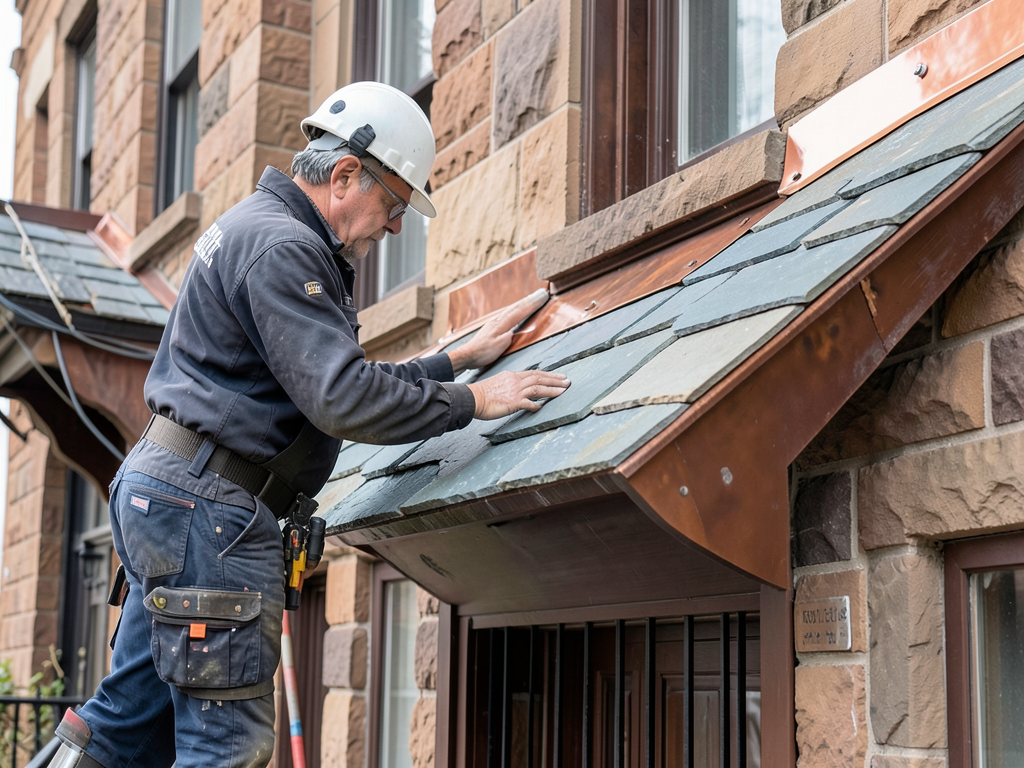
Copper flashing and valleys represent another significant cost factor. Unlike asphalt installations where aluminum flashing suffices, slate requires copper components that won’t corrode or degrade over decades. Copper flashing alone can cost $3,000 to $8,000 depending on roof complexity and typically represents 15-20% of your total material costs.
Historic district requirements in Boston add another layer of complexity and cost. The Boston Landmarks Commission mandates specific slate colors, installation patterns, and even nail types for properties within designated districts. These requirements often mean working with specialized suppliers and craftsmen familiar with historic preservation standards, which drives up both material and labor costs.
Historic District Requirements in Boston Neighborhoods
Properties within Boston’s historic districts face strict material and installation requirements. The Beacon Hill Architectural Commission, for example, maintains approved slate color palettes and requires documentation of slate origin for approval. Many districts mandate Vermont slate specifically due to its historical authenticity and proven performance in New England’s climate.
Permit fees for historic properties typically range from $500 to $2,000 and require detailed submittals including slate samples, installation plans, and sometimes even photographs of existing conditions. The approval process can take 4-8 weeks, extending your project timeline significantly compared to non-historic installations.
Neighborhoods like Back Bay, Beacon Hill, and parts of the South End have some of the most stringent requirements. These areas often require third-party historic preservation consultants to review plans before permits are issued. While this adds upfront costs, it ensures your investment maintains neighborhood character and property values.
Structural Considerations for Boston Homes
Massachusetts State Building Code 780 CMR Section 1504.1.11 requires structural evaluation for any roofing material exceeding 10 pounds per square foot dead load. Natural slate easily exceeds this threshold, making structural assessment mandatory before installation. This evaluation includes examining existing roof joists, rafters, and the overall framing system. Massachusetts State Building Code.
Many Boston homes built between 1890 and 1950 used lighter roofing materials like cedar shakes or asphalt, meaning their structural systems weren’t designed for slate’s weight. Engineers typically recommend adding support posts in attic spaces or sistering existing joists with new lumber. These modifications, while costly, are essential for long-term safety and code compliance. The Best Roofing Strategies for Multi-Family Property Owners in Savin Hill.
The evaluation process itself costs $500 to $1,500 and includes detailed measurements, load calculations, and recommendations for any necessary reinforcements. Some homes require complete roof deck replacement with CDX plywood or OSB to provide adequate support for slate installation.
Long-term ROI and Value Considerations
While the initial investment in natural slate is substantial, the long-term return on investment can be compelling for Boston homeowners. A properly installed natural slate roof can increase property values by 5-10% in historic neighborhoods where architectural authenticity drives premium prices. This appreciation often exceeds the initial installation cost over a 20-30 year period.
Insurance companies frequently offer premium discounts for homes with impact-resistant roofing like slate. In Boston’s storm-prone climate, this discount can range from 5-15% annually, potentially saving thousands over the roof’s lifetime. Some insurers also view slate as a protective feature that reduces liability from falling debris. Roofing Quincy.
Maintenance costs for natural slate are minimal compared to other roofing materials. Unlike asphalt that requires replacement every 15-20 years, slate typically needs only occasional repairs for cracked or broken tiles. Annual inspections cost $200-$400 and can identify issues before they become major problems, extending your roof’s already impressive lifespan. Tile Roofing Services.
Installation Quality and Craftsmanship
The success of any slate roof depends heavily on installation quality. Boston’s freeze-thaw cycles demand specific installation techniques including proper headlap (typically 3 inches minimum), correct nail placement, and adequate ventilation beneath the slate. Improper installation can lead to premature failure regardless of slate quality.
Master slaters in the Boston area typically charge $75 to $125 per hour due to their specialized skills and the physical demands of working with heavy materials. A typical slate installation crew includes 3-4 experienced workers and takes 2-3 weeks for an average home, compared to 2-3 days for asphalt shingles.
Quality indicators include proper copper flashing installation, correct slate overlap patterns, and appropriate use of snow guards in Boston’s snowy climate. Reputable contractors provide detailed installation specifications and often warranty their work for 20-25 years, though the slate itself carries manufacturer warranties of 50-100 years.
Climate Considerations for New England
Boston’s climate presents unique challenges for roofing materials. Heavy snow loads, ice dam formation, and frequent freeze-thaw cycles test any roofing system’s durability. Natural slate excels in these conditions due to its density and resistance to moisture penetration. Unlike asphalt that can become brittle in extreme cold, slate maintains its structural integrity throughout New England’s temperature swings.
Ice dam prevention requires proper installation of ice and water shield extending at least 24 inches inside the exterior wall line, as mandated by Massachusetts building code. This underlayment costs $500 to $1,500 depending on roof size but is essential for preventing water infiltration during winter months.
Snow guards represent another climate-specific consideration. These devices prevent dangerous snow slides from slate roofs and typically cost $1,000 to $3,000 installed. While optional in some regions, they’re considered essential in Boston’s snowy climate and are often required by local building departments.
Maintenance and Repair Costs
Natural slate requires minimal maintenance compared to other roofing materials, but repairs can be expensive when needed. Individual slate replacement costs $50 to $150 per tile, including labor and materials. Most slate roofs need 5-10 tile replacements over a 50-year period, typically due to impact damage or improper foot traffic during maintenance.
Annual inspections by qualified professionals cost $200 to $400 and should include checking flashing, examining slate condition, and ensuring proper drainage. These inspections can identify potential issues before they require costly repairs, making them a worthwhile investment for protecting your premium roofing system.
Gutter maintenance becomes more critical with slate roofs due to their weight and the potential for ice dam formation. Professional gutter cleaning twice yearly costs $150 to $300 and helps prevent water backup that could damage both the roof and your home’s interior.
Financing and Payment Options
The substantial cost of slate roofing often requires creative financing solutions. Many Boston homeowners use home equity lines of credit or specialized home improvement loans to fund their projects. Interest rates for home improvement loans typically range from 6-12% depending on credit score and loan terms.
Some contractors offer payment plans that spread costs over 12-24 months, though these often include interest charges of 8-15%. While convenient, these financing options can significantly increase your total project cost compared to upfront payment or traditional bank financing.
Energy efficiency improvements associated with slate roofing may qualify for federal tax credits or local incentives. While slate itself doesn’t provide significant insulation benefits, the comprehensive roof replacement often includes upgrades to ventilation and insulation that can reduce heating and cooling costs by 10-15% annually.
Making the Final Decision
The decision to invest in genuine slate roofing ultimately depends on your specific circumstances. Historic homeowners in Boston’s landmark districts often have little choice due to regulatory requirements. For others, the decision involves weighing upfront costs against long-term value, maintenance requirements, and aesthetic preferences.
Consider your planned ownership timeline. If you plan to stay in your home for 10+ years, natural slate’s longevity and appreciation potential make it increasingly attractive. For shorter ownership periods, synthetic slate or premium asphalt might provide better value while still offering aesthetic appeal.
Your home’s architectural style also influences the decision. Victorian, Colonial, and other historic styles benefit most from natural slate’s authenticity. Contemporary homes might achieve similar aesthetics with synthetic alternatives at a fraction of the cost.
Frequently Asked Questions
How long does a genuine slate roof last in Boston?
A properly installed natural slate roof typically lasts 75-100+ years in Boston’s climate. Vermont slate often exceeds 100 years with minimal maintenance, while Virginia slate generally lasts 75-90 years. This longevity far exceeds asphalt shingles (15-20 years) or synthetic slate (40-50 years).
Can my old Boston home support a slate roof?
Many pre-1950 Boston homes require structural reinforcement to support slate’s weight. A structural engineer must evaluate your roof framing before installation. Reinforcement costs vary widely but often add $5,000 to $15,000 to your project budget.
What permits are required for slate roofing in Boston?
Standard building permits are required for all roofing projects in Boston. Historic district properties need additional approval from the Boston Landmarks Commission, which can take 4-8 weeks and requires detailed submittals including slate samples and installation plans.
Ready to Invest in Your Home’s Future?
Choosing the right roofing material is a significant decision that affects your home’s value, appearance, and protection for decades to come. Natural slate represents the pinnacle of roofing quality but requires careful consideration of costs, structural requirements, and local regulations.
Don’t let uncertainty about costs and requirements prevent you from making an informed decision. Our team has extensive experience with both natural and synthetic slate installations throughout Boston’s historic and modern neighborhoods. We understand the unique challenges of New England’s climate and Boston’s specific building requirements.
Call (857) 387-1711 today to schedule your free consultation and structural assessment. We’ll provide detailed pricing options, explain historic district requirements if applicable, and help you determine if genuine slate is the right investment for your Boston home. Don’t wait until winter weather reveals your current roof’s limitations.
Pick up the phone and call (857) 387-1711 before the next storm hits. Your home deserves the best protection available, and we’re here to help you make the right choice for your specific situation.
{
“@context”: “https://schema.org”,
“@type”: “BlogPosting”,
“headline”: “Is a Genuine Slate Roof Worth the Extra Cost for Your Boston Area Home?”,
“description”: “Discover if a genuine slate roof is worth the premium cost in Boston. Compare natural vs synthetic slate, Boston historic district requirements, and long-term ROI for New England homes.”,
“wordCount”: 2036,
“datePublished”: “2026-02-23T12:20:00.000Z”,
“dateModified”: “2026-02-23T12:20:00.000Z”,
“inLanguage”: “en-US”,
“mainEntityOfPage”: {
“@type”: “WebPage”,
“@id”: “https://silverlineroofingboston.com”
},
“publisher”: {
“@type”: “LocalBusiness”,
“name”: “Silverline Roofing Boston”,
“url”: “https://silverlineroofingboston.com”
},
“author”: {
“@type”: “Organization”,
“name”: “Silverline Roofing Boston”,
“url”: “https://silverlineroofingboston.com”
},
“image”: {
“@type”: “ImageObject”,
“url”: “https://silverlineroofingboston.com/wp-content/uploads/2026/03/is-a-genuine-slate-roof-worth-the-extra-cost-for-y-1.png”
}
}
{
“@context”: “https://schema.org”,
“@type”: “RoofingContractor”,
“name”: “Silverline Roofing Boston”,
“url”: “https://silverlineroofingboston.com”,
“address”: {
“@type”: “PostalAddress”,
“addressLocality”: “Boston”
},
“areaServed”: {
“@type”: “City”,
“name”: “Boston”
}
}
{
“@context”: “https://schema.org”,
“@type”: “FAQPage”,
“mainEntity”: [
{
“@type”: “Question”,
“name”: “How long does a genuine slate roof last in Boston?”,
“acceptedAnswer”: {
“@type”: “Answer”,
“text”: “A properly installed natural slate roof typically lasts 75-100+ years in Boston’s climate. Vermont slate often exceeds 100 years with minimal maintenance, while Virginia slate generally lasts 75-90 years. This longevity far exceeds asphalt shingles (15-20 years) or synthetic slate (40-50 years).”
}
},
{
“@type”: “Question”,
“name”: “Can my old Boston home support a slate roof?”,
“acceptedAnswer”: {
“@type”: “Answer”,
“text”: “Many pre-1950 Boston homes require structural reinforcement to support slate’s weight. A structural engineer must evaluate your roof framing before installation. Reinforcement costs vary widely but often add $5,000 to $15,000 to your project budget.”
}
},
{
“@type”: “Question”,
“name”: “What permits are required for slate roofing in Boston?”,
“acceptedAnswer”: {
“@type”: “Answer”,
“text”: “Standard building permits are required for all roofing projects in Boston. Historic district properties need additional approval from the Boston Landmarks Commission, which can take 4-8 weeks and requires detailed submittals including slate samples and installation plans.”
}
},
{
“@type”: “Question”,
“name”: “Ready to Invest in Your Home’s Future?”,
“acceptedAnswer”: {
“@type”: “Answer”,
“text”: “Choosing the right roofing material is a significant decision that affects your home’s value, appearance, and protection for decades to come. Natural slate represents the pinnacle of roofing quality but requires careful consideration of costs, structural requirements, and local regulations.”
}
}
]
}
{
“@context”: “https://schema.org”,
“@type”: “BreadcrumbList”,
“itemListElement”: [
{
“@type”: “ListItem”,
“position”: 1,
“name”: “Home”,
“item”: “https://silverlineroofingboston.com”
},
{
“@type”: “ListItem”,
“position”: 2,
“name”: “Blog”,
“item”: “https://silverlineroofingboston.com/blog”
},
{
“@type”: “ListItem”,
“position”: 3,
“name”: “Is a Genuine Slate Roof Worth the Extra Cost for Your Boston Area Home?”
}
]
}
{
“@context”: “https://schema.org”,
“@type”: “Service”,
“serviceType”: “Roofing”,
“provider”: {
“@type”: “LocalBusiness”,
“name”: “Silverline Roofing Boston”,
“url”: “https://silverlineroofingboston.com”
},
“areaServed”: {
“@type”: “City”,
“name”: “Boston”
},
“description”: “Discover if a genuine slate roof is worth the premium cost in Boston. Compare natural vs synthetic slate, Boston historic district requirements, and long-term ROI for New England homes.”
}