Managing Roof Repairs for Semi-Detached Houses and Duplexes in Arlington
Managing roof repairs for semi-detached houses and duplexes in Arlington requires specialized knowledge of shared-wall structures, local building codes, and the specific weather challenges that affect two-family homes in this historic suburb. These properties face unique logistical challenges since damage to one unit’s roof can quickly impact the neighboring unit, creating both structural and interpersonal complications that demand careful coordination. 24/7 Emergency Roof Repair.
The first step in any semi-detached roof repair project involves a thorough assessment of the shared roofline, common flashing points, and the structural connection between units. Unlike single-family homes, these properties require synchronized repair schedules, coordinated material selection, and clear communication between all stakeholders to prevent future issues.
Arlington’s historic neighborhoods like Arlington Heights and East Arlington contain hundreds of these two-family homes built between 1900 and 1950, many featuring slate or asphalt shingle roofs that have reached the end of their service life. The town’s strict preservation guidelines for these structures add another layer of complexity to repair decisions.
Call (857) 387-1711 today to schedule your inspection and get a coordinated repair plan that protects both units and maintains your property’s value.
Understanding Arlington’s Semi-Detached Housing Stock
Arlington’s semi-detached housing stock represents a significant portion of the town’s residential architecture, particularly in areas like the Spy Pond area and along Massachusetts Avenue. These two-family homes typically feature shared party walls that extend through the roof structure, creating a continuous roof plane that requires unified repair approaches. Massachusetts State Building Code 780 CMR.
The architectural style common in Arlington’s duplexes often includes complex roof geometries with multiple valleys, dormers, and varying pitch sections. This complexity increases repair difficulty and requires technicians who understand how water flows across interconnected roof planes during heavy rain or snowmelt.
Many of these structures were built using balloon framing techniques that create continuous cavities from basement to attic. This construction method can accelerate the spread of water damage between units if roof leaks aren’t addressed promptly and comprehensively.
Common Issues in Arlington’s Two-Family Homes
New England’s harsh climate creates specific challenges for Arlington’s semi-detached housing. Ice dams form readily on these structures due to their age and often inadequate attic insulation. The freeze-thaw cycles common in Arlington’s winters cause expansion and contraction that stress roof joints and flashing details.
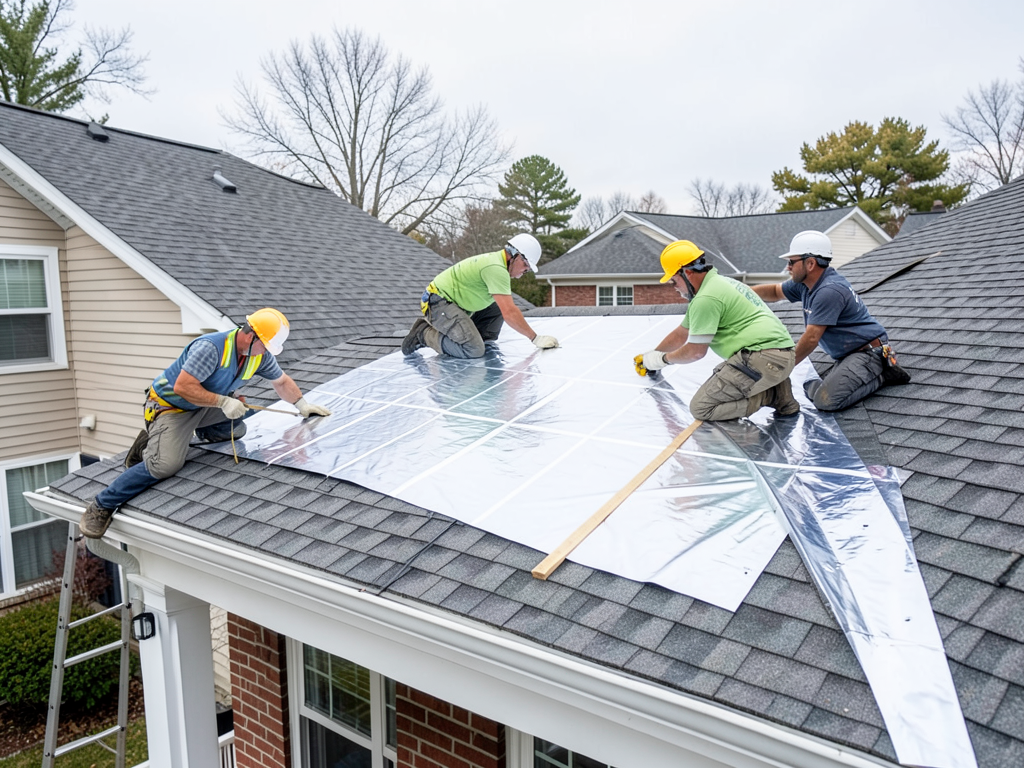
According to the Massachusetts State Building Code 780 CMR Section 1507.2.8, ice barrier underlayment must extend from the roof edge to a point at least 24 inches inside the exterior wall line. This requirement is critical for Arlington’s two-family homes where ice dam formation can affect both units simultaneously.
Storm damage presents particular challenges in Arlington’s tree-lined neighborhoods. Mature oak and maple trees common in areas like Morningside can drop heavy limbs during nor’easters, creating damage that affects both units’ roof structures. The interconnected nature of these roofs means damage to one section often compromises adjacent areas.
Coordinating Repairs Between Multiple Stakeholders
Managing roof repairs for duplexes requires exceptional coordination skills. Property owners must agree on repair scope, material selection, and scheduling. Tenants need notification about access requirements and potential noise disruptions. Insurance companies may have different coverage interpretations for shared structures.
The diagnostic process for these properties typically involves moisture mapping to identify the full extent of water intrusion. Using thermal imaging cameras and moisture meters at multiple depths helps technicians locate hidden damage that might not be visible from the surface. This thorough approach prevents the common mistake of addressing only visible damage while missing underlying structural issues.
Communication becomes critical when one unit experiences a leak but the source originates from the shared roof area. Technicians must trace water paths across the entire roof plane to identify the actual failure point, which may be several feet away from where water appears inside.
Material Selection for Shared Structures
Material selection for Arlington’s semi-detached homes requires balancing historical accuracy, durability, and cost considerations for both property owners. Many of these structures feature original slate roofs that, while beautiful, require specialized repair techniques and significant investment.
Asphalt architectural shingles offer a cost-effective alternative that can match the appearance of original materials while providing modern weather resistance. The key is selecting colors and textures that complement the neighborhood’s historic character while meeting current building code requirements.
Flashing details deserve special attention in these repairs. The points where roof sections meet party walls require custom-fabricated flashing that creates waterproof transitions between different roof planes. These details must accommodate building movement while maintaining watertight seals for decades.
Navigating Arlington Building Permits and Inspections
Arlington’s building department maintains specific requirements for multi-family dwelling repairs. The Town of Arlington Inspectional Services Department requires permits for any roof replacement exceeding 100 square feet, and two-family homes almost always trigger this threshold. Tile Roofing Services.
Permit applications must include detailed roof plans showing existing conditions, proposed repairs, and material specifications. The town’s historic district guidelines may require additional approvals if the property falls within designated preservation areas, particularly in neighborhoods like Arlington Heights.
Inspections occur at multiple stages: initial site assessment, rough framing if structural repairs are needed, and final inspection after completion. Coordinating these inspections for shared structures requires clear documentation of which repairs benefit each unit and how costs are allocated.
Emergency Response for Semi-Detached Properties
Emergency roof repairs for Arlington’s duplexes demand rapid response due to the potential for cascading damage between units. When severe storms damage one section of a shared roof, the interconnected structure means water can quickly spread to affect both units’ living spaces.
Our 24/7 emergency response team arrives equipped to perform temporary stabilization while assessing the full extent of damage. This includes deploying tarps that cover the entire shared roof section, not just the visibly damaged area, to prevent wind-driven rain from exploiting adjacent vulnerabilities.
The emergency response protocol includes immediate moisture assessment of both units’ interior spaces, documentation for insurance purposes, and coordination with both property owners to establish repair priorities. This comprehensive approach minimizes secondary damage and accelerates the permanent repair process.
Ice Dam Prevention Strategies
Ice dam prevention represents one of the most critical aspects of roof management for Arlington’s semi-detached homes. These structures are particularly vulnerable due to their age, often inadequate attic ventilation, and the complex roof geometries that create areas where snow accumulates and melts unevenly.
Effective ice dam prevention starts with improving attic insulation to R-49 or higher, as recommended by the Department of Energy for Massachusetts’ climate zone. This reduces heat loss through the roof deck, preventing the freeze-thaw cycles that create ice dams.
Proper ventilation is equally important. A balanced system with intake vents at the soffits and exhaust vents at the ridge creates continuous airflow that maintains uniform roof deck temperatures. This prevents the localized melting that leads to ice dam formation at the eaves.
Heat cables installed along the roof edges provide additional protection for problem areas, particularly on north-facing slopes that receive less direct sunlight. These systems activate when temperatures drop below freezing, creating channels for meltwater to drain safely.
Cost Factors and Insurance Considerations
Repair costs for Arlington’s semi-detached homes vary significantly based on the extent of damage, material selection, and the complexity of coordinating between multiple stakeholders. Simple repairs to isolated sections might cost $2,000-$5,000, while complete roof replacements for shared structures can exceed $15,000-$25,000.
Insurance coverage for these properties requires careful documentation of the shared nature of the structure. Many policies treat semi-detached homes as single structures for coverage purposes, but the allocation of repair costs between units can become contentious if not clearly established in the policy.
Documentation becomes critical for insurance claims. Detailed photographs, moisture readings, and contractor assessments help establish the extent and cause of damage, particularly when proving that a leak affecting one unit originated from a shared roof section.
Preventative Maintenance Programs
Preventative maintenance programs specifically designed for Arlington’s semi-detached housing can extend roof life by 5-10 years while preventing costly emergency repairs. These programs include twice-yearly inspections, gutter cleaning, and minor repairs that address issues before they escalate.
Spring inspections focus on winter damage assessment, checking for lifted shingles, damaged flashing, and gutter system integrity. Fall inspections prepare the roof for winter by ensuring proper drainage, securing loose materials, and addressing any ventilation issues that could contribute to ice dam formation.
Documentation of maintenance activities creates a valuable record for both property owners and future buyers. This documentation demonstrates responsible property management and can help justify higher rental rates or property values.
Choosing the Right Contractor
Selecting a contractor for semi-detached roof repairs requires evaluating experience with shared structures, familiarity with Arlington’s building codes, and the ability to coordinate multiple stakeholders effectively. The ideal contractor understands the unique challenges of two-family homes and has established relationships with local building officials.
Experience with Massachusetts’ specific weather conditions is crucial. Contractors who understand how nor’easters affect roof structures, how ice dams form in Arlington’s climate, and how to select materials that withstand freeze-thaw cycles provide better long-term value.
References from similar properties in Arlington provide valuable insight into a contractor’s ability to handle the logistical challenges of shared-structure repairs. Ask specifically about experiences with duplexes in neighborhoods like East Arlington or the Morningside area.
Case Studies: Successful Arlington Repairs
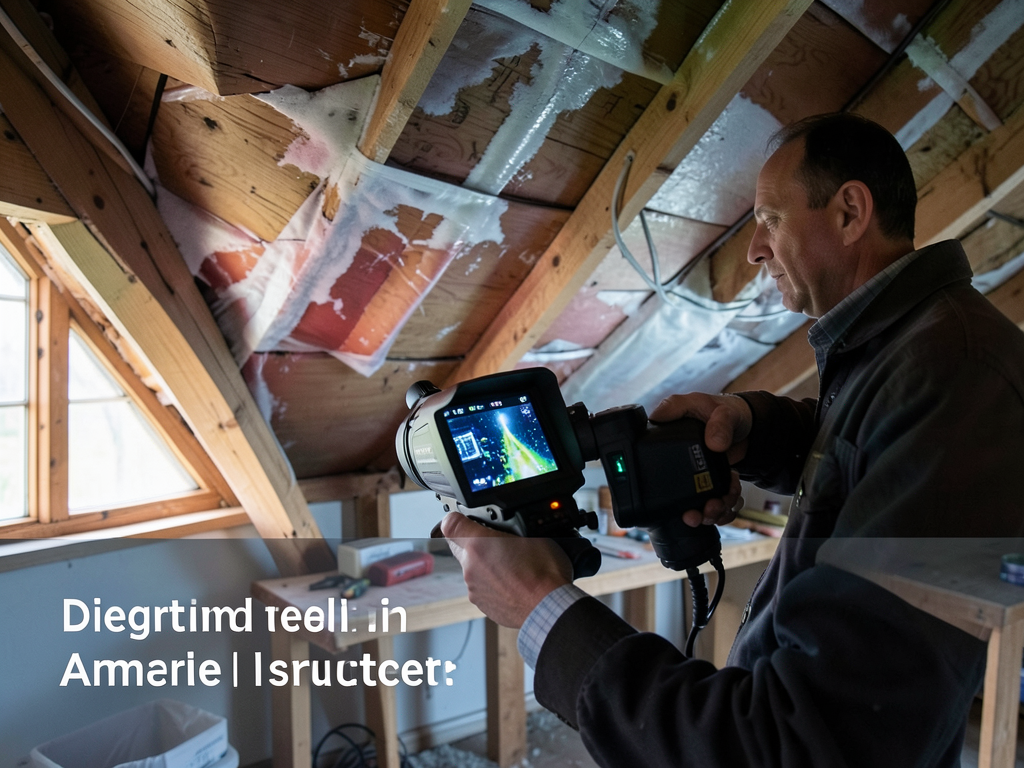
A recent project in Arlington Heights involved a 1920s semi-detached home where one unit experienced a severe leak during a winter storm. The diagnostic process revealed that ice dam formation at the shared ridge line was causing water to back up under shingles on both units’ roof sections.
The repair solution involved installing enhanced ice and water shield underlayment across the entire shared roof section, improving attic ventilation, and replacing damaged sheathing. Both property owners participated in the decision-making process, resulting in a coordinated repair that prevented future issues.
Another project in East Arlington addressed a more complex situation where structural damage from a fallen tree affected the shared roof structure. The repair required temporary shoring of the roof framing, coordination with structural engineers, and phased repairs that allowed both units to remain occupied during the restoration process.
Future-Proofing Your Roof Investment
Future-proofing roof repairs for Arlington’s semi-detached homes involves selecting materials and installation techniques that anticipate climate change impacts. This includes choosing shingles rated for higher wind speeds, installing enhanced underlayment systems, and incorporating smart monitoring technology that can detect early signs of roof distress. Why Metal Roofing is Becoming a Top Choice for Coastal East Boston Homes.
Smart roof monitoring systems use sensors to track moisture levels, temperature variations, and structural movement. These systems can alert property owners to developing issues before they cause visible damage, allowing for proactive maintenance that extends roof life and prevents costly emergency repairs.
Material innovations continue to improve roof performance in challenging climates. Impact-resistant shingles, advanced synthetic underlayment, and improved flashing materials provide better protection against the severe weather events becoming more common in Massachusetts.
Frequently Asked Questions
How long does a typical semi-detached roof repair take in Arlington?
Most semi-detached roof repairs in Arlington take 2-5 days depending on the extent of damage and weather conditions. Simple repairs might be completed in a single day, while complete replacements require 3-5 days including permitting and inspections.
Who is responsible for roof repairs in a semi-detached house?
Responsibility for roof repairs in semi-detached houses depends on the specific property arrangement and local laws. In most cases, both property owners share responsibility for the shared roof structure, though individual leases or ownership agreements may specify different arrangements.
Can I stay in my unit during roof repairs?
Yes, in most cases you can remain in your unit during roof repairs. However, there will be noise, limited access to certain areas, and potential temporary utility interruptions. The contractor should provide a detailed schedule of any disruptions.
What permits are required for roof repairs in Arlington?
Arlington requires building permits for most roof repairs exceeding 100 square feet. The town’s Inspectional Services Department reviews plans for compliance with building codes, historic district requirements, and zoning regulations before issuing permits.
Protecting Your Investment
Managing roof repairs for semi-detached houses and duplexes in Arlington requires a comprehensive approach that addresses both the technical aspects of roofing and the interpersonal dynamics of shared property ownership. Success depends on choosing experienced contractors who understand these unique challenges and can coordinate effectively between all stakeholders. The Best Roofing Strategies for Multi-Family Property Owners in Savin Hill.
The investment in proper roof repair extends beyond immediate protection from weather damage. A well-executed repair maintains property values, prevents tenant displacement, and reduces long-term maintenance costs for both units. This makes professional assessment and coordinated repair planning essential for every semi-detached property owner in Arlington.
Don’t wait for the next storm to reveal hidden roof damage. Call (857) 387-1711 today to schedule your comprehensive roof inspection and get a coordinated repair plan that protects both units and maintains your property’s value for years to come.
Additional Resources
For more information about Arlington’s building requirements and historic preservation guidelines, visit the Town of Arlington Inspectional Services Department website. The Massachusetts Department of Energy Resources also provides valuable information about energy-efficient roofing options suitable for New England’s climate.
The National Association of Certified Home Inspectors offers resources for property owners seeking to understand roof inspection standards and maintenance best practices. These resources can help you make informed decisions about your semi-detached home’s roof maintenance and repair needs.
{
“@context”: “https://schema.org”,
“@type”: “BlogPosting”,
“headline”: “Managing Roof Repairs for Semi-Detached Houses and Duplexes in Arlington”,
“description”: “Expert roof repair services for Arlington’s semi-detached houses and duplexes. Fast response, local code compliance, and shared-wall solutions. Call (857) 387-1711.”,
“wordCount”: 2232,
“datePublished”: “2026-04-22T13:23:00.000Z”,
“dateModified”: “2026-04-22T13:23:00.000Z”,
“inLanguage”: “en-US”,
“mainEntityOfPage”: {
“@type”: “WebPage”,
“@id”: “https://silverlineroofingboston.com”
},
“publisher”: {
“@type”: “LocalBusiness”,
“name”: “Silverline Roofing Boston”,
“url”: “https://silverlineroofingboston.com”
},
“author”: {
“@type”: “Organization”,
“name”: “Silverline Roofing Boston”,
“url”: “https://silverlineroofingboston.com”
},
“image”: {
“@type”: “ImageObject”,
“url”: “https://silverlineroofingboston.com/wp-content/uploads/2026/03/managing-roof-repairs-for-semi-detached-houses-and-1.png”
}
}
{
“@context”: “https://schema.org”,
“@type”: “RoofingContractor”,
“name”: “Silverline Roofing Boston”,
“url”: “https://silverlineroofingboston.com”,
“address”: {
“@type”: “PostalAddress”,
“addressLocality”: “Boston”
},
“areaServed”: {
“@type”: “City”,
“name”: “Boston”
}
}
{
“@context”: “https://schema.org”,
“@type”: “FAQPage”,
“mainEntity”: [
{
“@type”: “Question”,
“name”: “How long does a typical semi-detached roof repair take in Arlington?”,
“acceptedAnswer”: {
“@type”: “Answer”,
“text”: “Most semi-detached roof repairs in Arlington take 2-5 days depending on the extent of damage and weather conditions. Simple repairs might be completed in a single day, while complete replacements require 3-5 days including permitting and inspections.”
}
},
{
“@type”: “Question”,
“name”: “Who is responsible for roof repairs in a semi-detached house?”,
“acceptedAnswer”: {
“@type”: “Answer”,
“text”: “Responsibility for roof repairs in semi-detached houses depends on the specific property arrangement and local laws. In most cases, both property owners share responsibility for the shared roof structure, though individual leases or ownership agreements may specify different arrangements.”
}
},
{
“@type”: “Question”,
“name”: “Can I stay in my unit during roof repairs?”,
“acceptedAnswer”: {
“@type”: “Answer”,
“text”: “Yes, in most cases you can remain in your unit during roof repairs. However, there will be noise, limited access to certain areas, and potential temporary utility interruptions. The contractor should provide a detailed schedule of any disruptions.”
}
},
{
“@type”: “Question”,
“name”: “What permits are required for roof repairs in Arlington?”,
“acceptedAnswer”: {
“@type”: “Answer”,
“text”: “Arlington requires building permits for most roof repairs exceeding 100 square feet. The town’s Inspectional Services Department reviews plans for compliance with building codes, historic district requirements, and zoning regulations before issuing permits.”
}
}
]
}
{
“@context”: “https://schema.org”,
“@type”: “BreadcrumbList”,
“itemListElement”: [
{
“@type”: “ListItem”,
“position”: 1,
“name”: “Home”,
“item”: “https://silverlineroofingboston.com”
},
{
“@type”: “ListItem”,
“position”: 2,
“name”: “Blog”,
“item”: “https://silverlineroofingboston.com/blog”
},
{
“@type”: “ListItem”,
“position”: 3,
“name”: “Managing Roof Repairs for Semi-Detached Houses and Duplexes in Arlington”
}
]
}
{
“@context”: “https://schema.org”,
“@type”: “Service”,
“serviceType”: “Roofing”,
“provider”: {
“@type”: “LocalBusiness”,
“name”: “Silverline Roofing Boston”,
“url”: “https://silverlineroofingboston.com”
},
“areaServed”: {
“@type”: “City”,
“name”: “Boston”
},
“description”: “Expert roof repair services for Arlington’s semi-detached houses and duplexes. Fast response, local code compliance, and shared-wall solutions. Call (857) 387-1711.”
}