
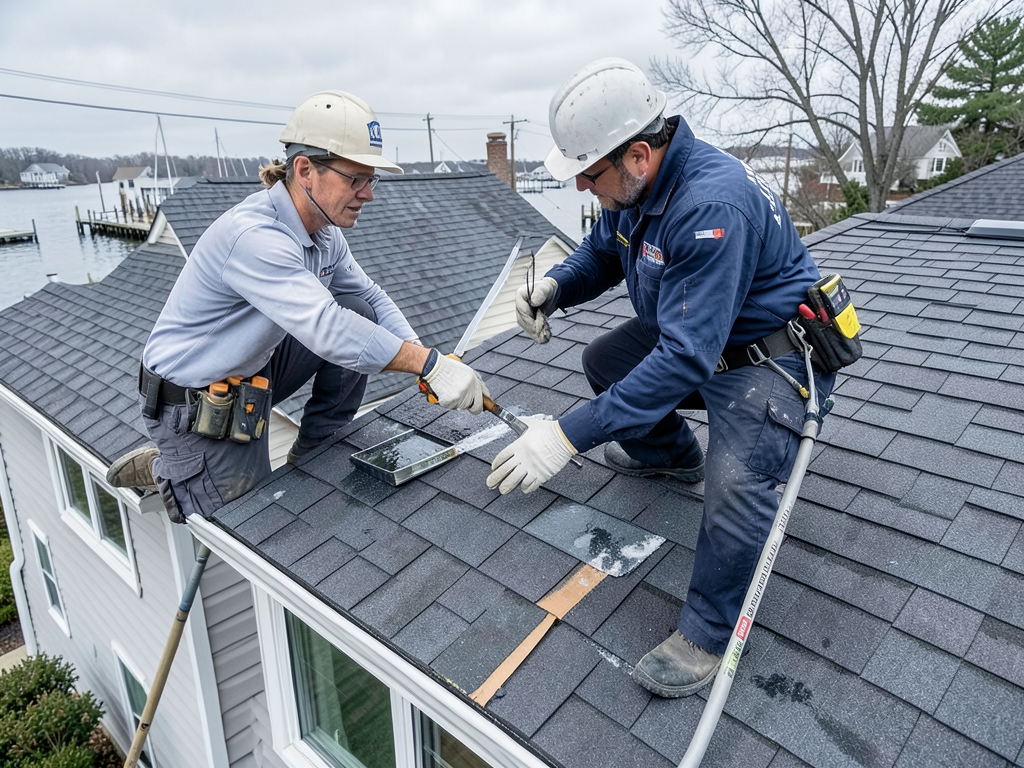
Protecting Your Hingham Waterfront Home from Hurricane Force Winds
Hingham waterfront homeowners face a unique threat from Atlantic storms that can send winds exceeding 100 mph across the harbor. These powerful forces don’t just damage roofs—they compromise your entire home’s structural integrity. Understanding how to protect your property starts with recognizing that standard roofing systems simply aren’t built to withstand the sustained battering of a major nor’easter or hurricane-force wind event. Why Metal Roofing is Becoming a Top Choice for Coastal East Boston Homes.
The combination of salt air, high humidity, and extreme wind uplift creates a perfect storm of conditions that accelerate roof deterioration. Without proper protection, your home becomes vulnerable to catastrophic failure when the next big storm hits. The good news is that modern storm-resistant roofing systems can provide the protection you need, but only when installed according to specific coastal building standards. The Best Roofing Strategies for Multi-Family Property Owners in Savin Hill.
The Unique Storm Threats Facing Hingham’s Coastal Homes
Hingham’s location along the South Shore exposes homes to several distinct weather patterns that create specific roofing challenges. Understanding these threats helps you make informed decisions about protection. Roofing Quincy.
Nor’easters represent the most common and destructive storm type for Hingham homeowners. These powerful systems can last for days, subjecting roofs to sustained high winds that gradually work fasteners loose and create pressure differentials that lift entire sections of roofing material. The constant wind-driven rain also finds its way through even small vulnerabilities, causing water damage that compounds over time.
Salt spray from the harbor accelerates corrosion of metal components, including nails, flashing, and even some synthetic materials. This corrosion weakens the entire roofing system from the inside out, making it more susceptible to wind damage even in moderate storms.
Ice dam formation during Massachusetts winters creates another layer of risk. When snow melts on warm roof sections and refreezes at the edges, it creates barriers that force water under shingles. Combined with high winds, this creates ideal conditions for roof failure.
Impact-Resistant Roofing Materials That Stand Up to Hurricane Force
Choosing the right roofing material is your first line of defense against hurricane-force winds. Not all materials are created equal when it comes to wind resistance and impact protection.
Class 4 impact-resistant shingles represent the gold standard for storm protection. These shingles undergo rigorous testing where steel balls are dropped from increasing heights to simulate hail impact. The best Class 4 shingles can withstand impacts that would shatter standard asphalt shingles. In Hingham’s coastal environment, this extra durability translates to years of additional service life.
Standing seam metal roofing offers superior wind resistance due to its interlocking design and minimal exposed fasteners. When properly installed with hurricane clips, metal roofs can withstand winds up to 140 mph. The smooth surface also sheds snow and ice more effectively than traditional materials, reducing the risk of ice dam formation.
Synthetic slate provides the aesthetic appeal of natural slate without the weight and fragility. Modern synthetic slate products incorporate impact-resistant polymers that can withstand Class 4 impacts while maintaining the classic New England look that complements Hingham’s historic architecture. Bringing Natural Light into Your South End Attic with Custom Skylights.
Installation Standards That Make the Difference
Even the best materials fail when installation shortcuts are taken. The difference between a storm-resistant roof and a standard installation often comes down to specific techniques that address coastal wind uplift.
The six-nail fastening pattern provides significantly more wind resistance than the standard four-nail method. Each additional fastener increases the holding power exponentially, creating a roofing system that resists uplift forces rather than simply hoping to survive them.
High-temperature ice and water shield installation extends beyond code minimums in coastal areas. While Massachusetts building code requires ice and water shield extending 24 inches inside the exterior wall line, coastal installations benefit from extending this protection to 36 inches or more. This additional coverage prevents wind-driven rain from penetrating at the most vulnerable points.
Reinforced flashing systems use heavier gauge metal and additional fasteners to prevent wind from lifting flashing away from chimneys, vents, and roof edges. The flashing must be integrated with the underlayment system to create a continuous water barrier.
Hingham Building Code Requirements for Coastal Roofing
Massachusetts building codes establish minimum standards, but coastal areas like Hingham often require additional measures to ensure storm resistance. Understanding these requirements helps you verify that your contractor is following proper procedures.
The Massachusetts State Building Code (780 CMR) requires specific wind uplift ratings for roofing systems based on location and building height. Hingham’s coastal zone typically requires Class D or higher wind resistance, which translates to specific testing and certification requirements for materials and installation methods.
Historical district requirements in parts of Hingham may limit material choices but don’t exempt homes from wind resistance requirements. Working with a contractor familiar with both historical preservation and modern storm protection ensures compliance without sacrificing protection.
Permit requirements for roof replacement in Hingham include specific documentation of wind uplift calculations and material certifications. These permits aren’t just bureaucratic hurdles—they ensure your roof meets the minimum standards needed to protect your home during severe weather events.
Secondary Protection Systems That Complete Your Defense
Even the best primary roofing system benefits from additional protection layers that address specific vulnerabilities exposed during high-wind events.
Secondary water barriers installed over the entire roof deck provide backup protection if primary materials fail. These self-adhering membranes create a continuous waterproof layer that prevents water intrusion even if shingles are damaged or displaced by wind.
Enhanced ridge and hip cap systems use specialized materials and installation methods to prevent wind from lifting these vulnerable areas. The ridge cap represents one of the highest stress points during wind events, making proper reinforcement critical.
Gutter protection systems prevent debris accumulation that can create wind resistance and water backup. Clean, properly secured gutters also ensure that wind-driven rain flows away from your home rather than backing up under roofing materials. The Best Way to Keep Gutters Clog-Free in Wooded West Roxbury Neighborhoods.
Maintenance Strategies for Long-Term Storm Resistance
Storm resistance isn’t just about initial installation—it requires ongoing maintenance to ensure your roof continues to perform when you need it most.
Annual inspections should include checking all fasteners for corrosion, especially in coastal areas where salt air accelerates deterioration. Loose or corroded fasteners should be replaced immediately rather than waiting for the next storm.
Flashing inspections should verify that all joints remain sealed and that no sections have lifted due to wind or thermal expansion. Even small gaps in flashing can become entry points for wind-driven rain during severe storms.
Tree trimming around your home reduces the risk of falling branches during high winds. A single large branch can cause catastrophic damage to even the most well-installed roofing system.
Cost Considerations for Storm-Resistant Roofing
Investing in storm-resistant roofing requires understanding the cost factors that influence both initial installation and long-term performance.
Material costs for Class 4 impact-resistant shingles typically run 15-25% higher than standard shingles, but this premium is often offset by extended warranties and reduced maintenance costs over the system’s lifetime.
Installation costs increase with the complexity of storm-resistant techniques. The six-nail fastening pattern requires more time and precision, while additional ice and water shield coverage adds material costs. However, these investments pay dividends when your roof survives a storm that would destroy a standard installation.
Insurance premium reductions may be available for homes with certified storm-resistant roofing systems. Many insurance companies offer discounts of 5-15% for homes that meet specific wind resistance standards, helping offset the initial investment over time.
Emergency Response and Storm Damage Prevention
Even with the best preparation, severe storms can cause unexpected damage. Having a plan in place ensures you can respond quickly to minimize further damage.
Emergency tarping services should be available 24/7 for coastal homeowners. When a storm damages your roof, immediate temporary protection prevents water damage from spreading throughout your home while permanent repairs are arranged.
Insurance claim assistance helps navigate the complex process of documenting damage and working with adjusters. Many homeowners discover that proper documentation and understanding of building codes significantly impacts claim outcomes.
Comparing Storm-Resistant Roofing Options
| Material Type | Wind Rating (mph) | Impact Resistance | Lifespan (years) | Cost vs Standard |
|---|---|---|---|---|
| Class 4 Asphalt Shingles | 130 | Class 4 | 25-30 | 15-25% higher |
| Standing Seam Metal | 140 | Class 4 | 40-50 | 50-100% higher |
| Synthetic Slate | 110 | Class 3-4 | 30-40 | 30-50% higher |
| Traditional Slate | 100 | Class 3 | 75-100 | 100-200% higher |
Installation Process for Maximum Storm Protection
- Deck Preparation
Inspect and repair roof deck, ensuring all panels are secure and properly spaced to prevent uplift.
- Underlayment Installation
Apply high-temperature ice and water shield extending 36 inches inside exterior walls, plus secondary barrier over entire deck.
- Starter Strip Application
Install specialized starter strips with enhanced adhesive strips to prevent wind uplift at roof edges.
- Shingle or Material Installation
Apply using six-nail fastening pattern with corrosion-resistant fasteners, ensuring proper alignment and overlap.
- Flashing and Edge Details
Install reinforced flashing at all penetrations and edges, sealing all joints with compatible sealants.
Real-World Performance in Hingham’s Coastal Environment
Hingham homeowners who have invested in storm-resistant roofing report significantly better performance during severe weather events. Homes with properly installed Class 4 shingles and enhanced fastening patterns show minimal damage even during storms that cause widespread destruction in neighboring areas.
The investment in storm-resistant roofing pays dividends not just in avoided damage costs, but in peace of mind during hurricane season and throughout the winter months when nor’easters are most common. When the next big storm approaches, you’ll know your home is prepared to withstand whatever nature throws at it.
Frequently Asked Questions
How much does storm-resistant roofing cost compared to standard roofing?
Storm-resistant roofing typically costs 15-50% more than standard installation, depending on the materials chosen. While the upfront investment is higher, the extended lifespan and reduced damage risk often provide better long-term value.
Does insurance cover storm damage to roofs in Hingham?
Most homeowner’s insurance policies cover wind and storm damage, but coverage details vary significantly. Many insurers offer premium discounts for homes with certified storm-resistant roofing systems, potentially offsetting some of the higher installation costs.
How long does storm-resistant roofing installation take?
Installation typically takes 3-7 days for a standard home, depending on roof complexity and weather conditions. The additional time required for enhanced fastening patterns and secondary protection systems adds minimal time compared to the years of added protection they provide.
Can I install storm-resistant roofing on a historical home in Hingham?
Yes, but historical district requirements may limit material choices. Working with contractors experienced in both historical preservation and modern storm protection ensures compliance while maximizing protection. Many historical homes benefit from enhanced installation techniques even when using traditional materials.
Take Action Before the Next Storm Hits
Don’t wait until the next hurricane-force wind event threatens your Hingham waterfront home. The time to invest in storm-resistant roofing is before damage occurs, not after you’re dealing with emergency repairs and insurance claims.
Call (857) 387-1711 today to schedule your free storm-ready roof inspection. Our coastal roofing experts will evaluate your current system and provide specific recommendations for protecting your home against hurricane-force winds. With proper preparation, your home can weather the next big storm while your neighbors face costly repairs.
Pick up the phone and call (857) 387-1711 before the next storm hits. Every day you wait increases your risk of catastrophic damage when severe weather strikes Hingham’s vulnerable coastal areas. For more information, visit FEMA. For more information, visit ASHRAE.
{
“@context”: “https://schema.org”,
“@type”: “BlogPosting”,
“headline”: “Protecting Your Hingham Waterfront Home from Hurricane Force Winds”,
“description”: “Learn how to protect your Hingham waterfront home from hurricane-force winds with impact-resistant roofing, proper installation, and coastal storm preparation.”,
“wordCount”: 1925,
“datePublished”: “2026-03-16T15:16:00.000Z”,
“dateModified”: “2026-03-16T15:16:00.000Z”,
“inLanguage”: “en-US”,
“mainEntityOfPage”: {
“@type”: “WebPage”,
“@id”: “https://silverlineroofingboston.com”
},
“publisher”: {
“@type”: “LocalBusiness”,
“name”: “Silverline Roofing Boston”,
“url”: “https://silverlineroofingboston.com”
},
“author”: {
“@type”: “Organization”,
“name”: “Silverline Roofing Boston”,
“url”: “https://silverlineroofingboston.com”
},
“image”: {
“@type”: “ImageObject”,
“url”: “https://silverlineroofingboston.com/wp-content/uploads/2026/03/protecting-your-hingham-waterfront-home-from-hurri-1.png”
}
}
{
“@context”: “https://schema.org”,
“@type”: “RoofingContractor”,
“name”: “Silverline Roofing Boston”,
“url”: “https://silverlineroofingboston.com”,
“address”: {
“@type”: “PostalAddress”,
“addressLocality”: “Boston”
},
“areaServed”: {
“@type”: “City”,
“name”: “Boston”
}
}
{
“@context”: “https://schema.org”,
“@type”: “FAQPage”,
“mainEntity”: [
{
“@type”: “Question”,
“name”: “How much does storm-resistant roofing cost compared to standard roofing?”,
“acceptedAnswer”: {
“@type”: “Answer”,
“text”: “Storm-resistant roofing typically costs 15-50% more than standard installation, depending on the materials chosen. While the upfront investment is higher, the extended lifespan and reduced damage risk often provide better long-term value.”
}
},
{
“@type”: “Question”,
“name”: “Does insurance cover storm damage to roofs in Hingham?”,
“acceptedAnswer”: {
“@type”: “Answer”,
“text”: “Most homeowner’s insurance policies cover wind and storm damage, but coverage details vary significantly. Many insurers offer premium discounts for homes with certified storm-resistant roofing systems, potentially offsetting some of the higher installation costs.”
}
},
{
“@type”: “Question”,
“name”: “How long does storm-resistant roofing installation take?”,
“acceptedAnswer”: {
“@type”: “Answer”,
“text”: “Installation typically takes 3-7 days for a standard home, depending on roof complexity and weather conditions. The additional time required for enhanced fastening patterns and secondary protection systems adds minimal time compared to the years of added protection they provide.”
}
},
{
“@type”: “Question”,
“name”: “Can I install storm-resistant roofing on a historical home in Hingham?”,
“acceptedAnswer”: {
“@type”: “Answer”,
“text”: “Yes, but historical district requirements may limit material choices. Working with contractors experienced in both historical preservation and modern storm protection ensures compliance while maximizing protection. Many historical homes benefit from enhanced installation techniques even when using traditional materials.”
}
}
]
}
{
“@context”: “https://schema.org”,
“@type”: “HowTo”,
“name”: “Storm-Resistant Roof Installation”,
“step”: [
{
“@type”: “HowToStep”,
“position”: 1,
“name”: “Deck Preparation”,
“text”: “Inspect and repair roof deck, ensuring all panels are secure and properly spaced to prevent uplift.”
},
{
“@type”: “HowToStep”,
“position”: 2,
“name”: “Underlayment Installation”,
“text”: “Apply high-temperature ice and water shield extending 36 inches inside exterior walls, plus secondary barrier over entire deck.”
},
{
“@type”: “HowToStep”,
“position”: 3,
“name”: “Starter Strip Application”,
“text”: “Install specialized starter strips with enhanced adhesive strips to prevent wind uplift at roof edges.”
},
{
“@type”: “HowToStep”,
“position”: 4,
“name”: “Shingle or Material Installation”,
“text”: “Apply using six-nail fastening pattern with corrosion-resistant fasteners, ensuring proper alignment and overlap.”
},
{
“@type”: “HowToStep”,
“position”: 5,
“name”: “Flashing and Edge Details”,
“text”: “Install reinforced flashing at all penetrations and edges, sealing all joints with compatible sealants.”
}
],
“image”: “https://silverlineroofingboston.com/wp-content/uploads/2026/03/protecting-your-hingham-waterfront-home-from-hurri-1.png”
}
{
“@context”: “https://schema.org”,
“@type”: “BreadcrumbList”,
“itemListElement”: [
{
“@type”: “ListItem”,
“position”: 1,
“name”: “Home”,
“item”: “https://silverlineroofingboston.com”
},
{
“@type”: “ListItem”,
“position”: 2,
“name”: “Blog”,
“item”: “https://silverlineroofingboston.com/blog”
},
{
“@type”: “ListItem”,
“position”: 3,
“name”: “Protecting Your Hingham Waterfront Home from Hurricane Force Winds”
}
]
}
{
“@context”: “https://schema.org”,
“@type”: “Service”,
“serviceType”: “Roofing”,
“provider”: {
“@type”: “LocalBusiness”,
“name”: “Silverline Roofing Boston”,
“url”: “https://silverlineroofingboston.com”
},
“areaServed”: {
“@type”: “City”,
“name”: “Boston”
},
“description”: “Learn how to protect your Hingham waterfront home from hurricane-force winds with impact-resistant roofing, proper installation, and coastal storm preparation.”
}