
Repairing and Rebuilding Historic Wood Box Gutters in Jamaica Plain
Historic wood box gutters are a defining architectural feature of Jamaica Plain’s Victorian and Colonial homes, but they require specialized knowledge to repair and maintain. These built-in gutter systems, often hidden beneath the roofline, handle heavy New England precipitation while preserving the home’s historic character. When properly restored, they can last decades; when neglected, they cause extensive water damage to historic structures. The Best Way to Keep Gutters Clog-Free in Wooded West Roxbury Neighborhoods.
The unique challenge of Jamaica Plain’s historic district means that any gutter work must comply with Boston Landmarks Commission guidelines while addressing the specific vulnerabilities of wood construction in our freeze-thaw climate. This article explains the diagnostic process, restoration techniques, and materials that protect these architectural treasures. Boston Landmarks Commission.
Understanding Jamaica Plain’s Historic Box Gutter Architecture
Jamaica Plain’s wood box gutters typically date from the late 1800s through the 1920s, built into the roof structure where the roof meets the exterior wall. Unlike modern K-style gutters that hang from the fascia, these built-in systems form a trough that’s integrated into the roof assembly itself.
The construction usually involves a wooden trough lined with metal—originally tin, later copper or lead-coated copper. The trough sits on the roof deck, extends beyond the exterior wall, and drains through scuppers or downspouts. Many JP homes feature ornate cornice work that conceals the gutter structure, making water damage difficult to detect until it’s severe. Why Metal Roofing is Becoming a Top Choice for Coastal East Boston Homes.
Common failure points include wood rot at the seams where the gutter meets the roof deck, deteriorated metal lining, and compromised drainage due to debris accumulation. The freeze-thaw cycles in Jamaica Plain accelerate deterioration, as water trapped in the wood expands when frozen, creating cracks and separation.
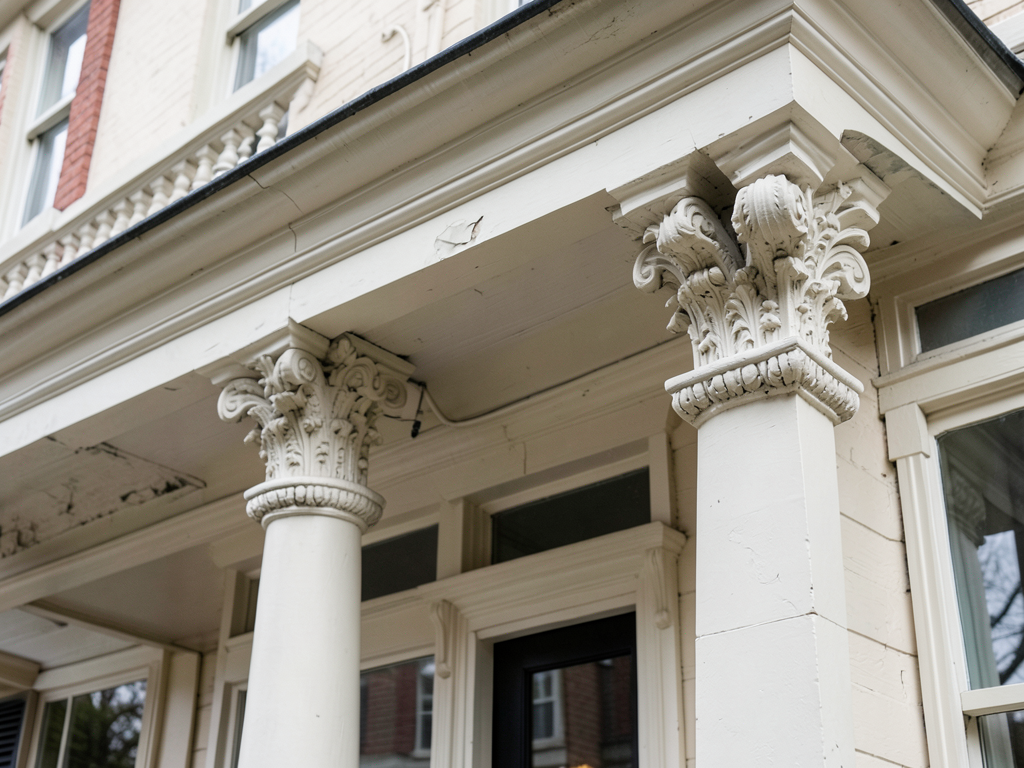
Diagram showing cross-section of a historic wood box gutter system with water flow paths and common failure points highlighted.
Signs Your Historic Box Gutters Need Immediate Attention
Early detection prevents costly structural damage to your historic home. Here are the diagnostic signs we look for during inspections:
- Interior water stains on exterior walls – Water backing up in the gutter system often appears as discoloration on interior walls near the roofline
- Peeling exterior paint or bubbling – Moisture trapped behind paint indicates water infiltration through compromised gutter materials
- Visible wood rot or soft spots – Press gently on fascia boards near the gutter; if they feel spongy, rot has set in
- Ice dam formation along roof edges – Poor drainage causes ice buildup, which forces water under shingles and into the gutter system
- Musty odors in attic spaces – Hidden moisture creates ideal conditions for mold growth behind walls
The Massachusetts Building Code (780 CMR) requires that any gutter repairs on historic structures maintain the architectural integrity while providing adequate waterproofing. This often means using modern materials that can be concealed within the historic framework. Massachusetts State Building Code (780 CMR).
Our Box Gutter Restoration Process for Jamaica Plain Homes
Restoring historic box gutters requires a methodical approach that balances preservation with modern waterproofing technology. Here’s our step-by-step process: The Best Roofing Strategies for Multi-Family Property Owners in Savin Hill.
- Comprehensive Inspection and Documentation
We document existing conditions with photos, measure dimensions, and assess structural integrity. This includes checking for rot using a moisture meter at multiple depths and examining the condition of any existing metal lining.
- Debris Removal and Cleaning
Years of leaf litter and debris are removed using specialized vacuum systems that prevent damage to historic materials. We inspect downspouts for blockages that could cause backup.
- Wood Structure Assessment
Using the “screwdriver test,” we probe wood surfaces to identify soft spots indicating rot. Any compromised wood is carefully removed and replaced with rot-resistant materials that match the original dimensions.
- Modern Waterproofing Installation
We install EPDM rubber lining or liquid-applied membranes that provide superior waterproofing while remaining hidden from view. These materials comply with Boston Landmarks Commission requirements for reversible modifications. Roofing Quincy.
- Metal Lining and Flashing
For copper or lead-coated copper lining, we use traditional soldering techniques to create watertight seams. All joints are tested under simulated rainfall conditions.
- Integration with Existing Drainage
We ensure proper slope for drainage, typically 1/8 inch per foot, and verify that scuppers and downspouts are clear and properly sized for the roof area.
The entire process typically takes 3-5 days for a standard home, though complex restorations may require additional time. We coordinate with the Boston Landmarks Commission when necessary to ensure compliance with historic preservation standards.
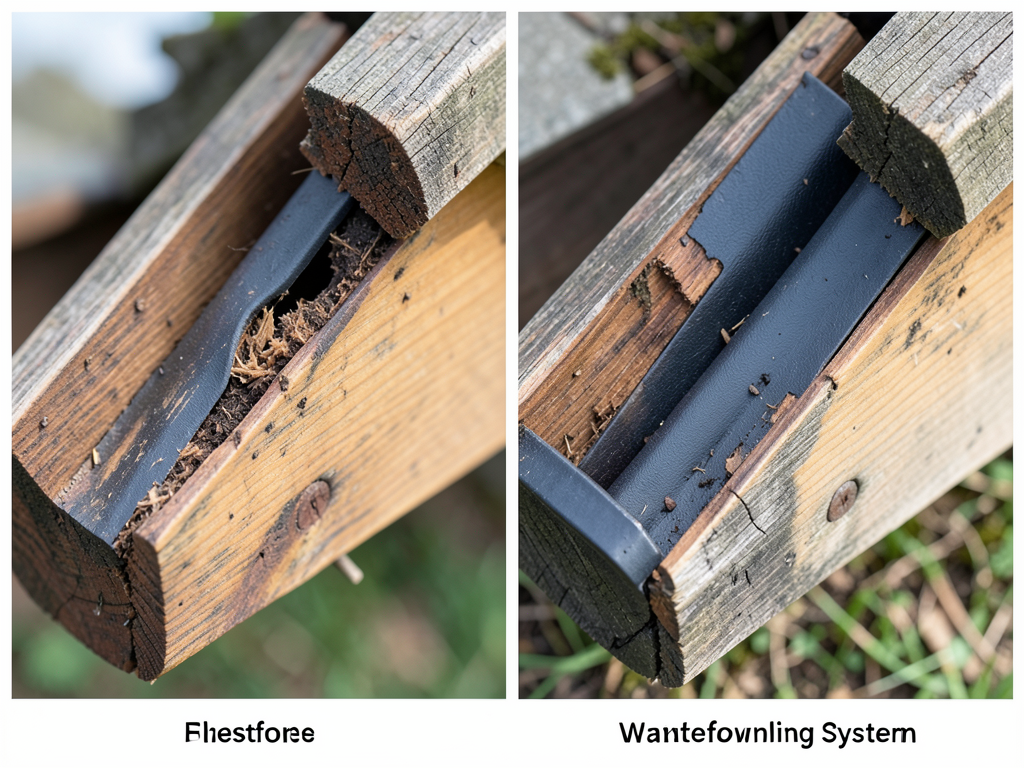
Before and after photos showing wood rot removal and modern EPDM lining installation in a historic Jamaica Plain box gutter.
Material Comparison: Modern Solutions for Historic Gutters
Choosing the right materials is critical for both preservation and performance. Here’s how modern options compare for historic box gutter restoration:
| Material Type | Lifespan | Cost Range | Preservation Compatibility |
|---|---|---|---|
| EPDM Rubber Lining | 20-30 years | $$ | Excellent – completely concealed |
| Liquid-Applied Membrane | 15-25 years | $$ | Excellent – seamless application |
| Copper Lining | 50+ years | $$$ | Good – visible but historically accurate |
| Lead-Coated Copper | 50+ years | $$$$ | Excellent – traditional appearance |
EPDM rubber has become the preferred choice for many historic restorations in Jamaica Plain because it provides superior waterproofing while being completely hidden from view. The material flexes with temperature changes, reducing the stress that causes traditional metal linings to fail. Tile Roofing Services.
Copper remains popular for its longevity and the beautiful patina it develops over time. However, it requires skilled soldering and is more expensive than synthetic alternatives. For homes where the gutter structure is visible from the ground, copper may be the better choice for maintaining historical accuracy.
Navigating Boston’s Historic District Requirements
Working in Jamaica Plain’s historic district requires understanding and complying with Boston Landmarks Commission guidelines. These regulations protect the architectural character of our neighborhood while allowing for necessary repairs and improvements.
The commission requires that any visible changes maintain the historic appearance of the structure. For box gutters, this typically means that any new materials or repairs must be concealed from public view. The commission also requires that original materials be preserved when possible, with replacement only when absolutely necessary.
Before beginning any work, we submit detailed plans showing the proposed restoration approach. This includes material specifications, methods for preserving original features, and how the work will be concealed. The commission reviews these plans to ensure they meet preservation standards.
Key considerations include maintaining the original roof pitch, preserving decorative elements like corbels and brackets, and ensuring that any new drainage systems don’t alter the building’s exterior appearance. We’ve found that working proactively with the commission often results in faster approvals and better outcomes for homeowners.
According to the Boston Landmarks Commission’s design guidelines, “reversible” modifications are strongly preferred for historic structures. This means using materials and techniques that can be removed without damaging the original construction—a principle we strictly follow in all our restoration work.
Ice Dam Prevention for Historic Box Gutters
Jamaica Plain’s severe New England winters create unique challenges for historic box gutters. Ice dams form when heat escaping from the house melts snow on the roof, which then refreezes at the colder eaves. This ice buildup can force water under shingles and into the gutter system.
Prevention starts with proper attic insulation and ventilation. The Massachusetts State Building Code (780 CMR) requires specific R-values for insulation in our climate zone, and proper ventilation helps maintain consistent roof temperatures. We recommend inspecting your attic’s insulation levels and ensuring soffit vents are clear.
For existing ice dam problems, we install ice and water shield barriers that extend at least 24 inches inside the exterior wall line, as required by current building codes. This self-adhering membrane provides an additional layer of protection beneath the shingles.
During restoration, we also ensure proper roof pitch and drainage slope to prevent water from pooling and freezing. Sometimes, we recommend heat cables in severe cases, though these must be installed discreetly to maintain the historic appearance.
The freeze-thaw cycles in Jamaica Plain are particularly damaging because they cause expansion and contraction that widens existing cracks. That’s why our restoration work includes expansion joints in metal linings and flexible sealants that can accommodate these movements.
Cost Factors and Investment Considerations
The cost of restoring historic box gutters varies significantly based on several factors. Understanding these variables helps homeowners make informed decisions about their investment.
Size and accessibility are primary cost drivers. A typical Jamaica Plain Victorian might have 40-60 linear feet of box gutter that needs restoration. Homes with complex rooflines or multiple levels require more labor and specialized equipment.
Material selection significantly impacts the budget. EPDM rubber lining typically costs $15-25 per linear foot installed, while copper lining can range from $35-60 per linear foot. The choice often depends on whether the gutter structure is visible and the homeowner’s preservation goals.
The extent of wood rot discovered during the project also affects costs. What starts as a simple relining job can become more complex if significant structural repairs are needed. We always include a contingency in our estimates for unexpected wood damage.
While restoration costs may seem high compared to replacing with modern gutters, preserving historic box gutters maintains your home’s architectural integrity and can actually increase property value in Jamaica Plain’s historic districts. Many homeowners find that the investment pays off through improved protection and preserved character.
Why Professional Restoration Matters
Historic box gutter restoration isn’t a DIY project or something for general contractors. The specialized knowledge required includes understanding historic construction methods, modern waterproofing technology, and preservation regulations.
We’ve seen cases where improper repairs actually accelerated deterioration. For example, using the wrong type of sealant can trap moisture, or failing to provide proper drainage slope can cause water to pool and accelerate rot.
Our team includes craftsmen who understand both historic preservation and modern building science. We know how to work with materials like old-growth lumber that’s no longer available, and we understand the thermal properties of different lining materials in our climate.
Professional restoration also includes proper documentation for insurance purposes and future reference. We provide homeowners with detailed reports showing the work completed, materials used, and maintenance recommendations.
Most importantly, professional work ensures compliance with Boston’s historic district regulations. Violations can result in fines and mandatory removal of non-compliant work, making it crucial to get it right the first time.
Maintenance Tips for Long-Term Performance
After restoration, proper maintenance extends the life of your historic box gutters significantly. Here are our recommended maintenance practices:
- Annual cleaning – Remove debris in late fall after leaves have dropped to prevent ice dam formation
- Bi-annual inspection – Check for signs of water infiltration, especially after severe storms
- Prompt repairs – Address small issues before they become major problems
- Proper attic ventilation – Ensure soffit vents remain clear to prevent ice dam formation
- Tree trimming – Keep branches at least 10 feet from the roof to reduce debris
We recommend scheduling a professional inspection every 3-5 years, even if no problems are apparent. Early detection of issues like minor leaks or developing rot can prevent costly structural damage.
During these inspections, we check the integrity of the lining material, examine wood structures for signs of moisture, and verify that drainage systems are functioning properly. We also look for signs of pest infestation, which can compromise wood structures.
Frequently Asked Questions
How long does historic box gutter restoration take?
Most restoration projects take 3-5 days for a standard home. Complex restorations or those requiring historic commission approval may take longer. We provide detailed timelines before beginning work.
Can I just replace my box gutters with modern K-style gutters?
While possible, this typically requires significant alteration to your home’s exterior and may not comply with historic district regulations. Box gutters are integrated into the roof structure, so replacement often involves more extensive work than restoration.
How much does box gutter restoration cost?
Costs vary based on materials, extent of damage, and home size. EPDM lining typically ranges from $15-25 per linear foot, while copper can cost $35-60 per linear foot. We provide detailed estimates after inspection.
Will restoration work be visible from the street?
No. Our restoration work is designed to be completely concealed within the existing structure, maintaining your home’s historic appearance while providing modern waterproofing performance.
Do I need permits for box gutter work?
Work in historic districts typically requires approval from the Boston Landmarks Commission. We handle all permitting and compliance documentation as part of our service.
Close-up photo showing the detailed craftsmanship of soldered copper seams in a restored historic box gutter system.
Protect Your Historic Home Today
Historic wood box gutters are both a beautiful architectural feature and a critical protection system for your Jamaica Plain home. When they fail, the damage can be extensive and costly, affecting everything from your roof structure to your interior walls.
Don’t wait for the next storm to discover problems with your historic gutters. Our specialized restoration process combines traditional craftsmanship with modern waterproofing technology to protect your home while preserving its historic character.
Call (857) 387-1711 today to schedule your comprehensive box gutter inspection. We’ll evaluate your system’s condition, provide detailed recommendations, and help you understand your restoration options. Our team understands the unique requirements of Jamaica Plain’s historic homes and works closely with preservation authorities to ensure compliance.
Pick up the phone and call (857) 387-1711 before the next storm hits. Your historic home deserves specialized care from craftsmen who understand both preservation and performance. Let us help you protect your architectural legacy for generations to come.
Silverline Roofing Boston – Serving Jamaica Plain and all of Greater Boston with expert historic home restoration services.
{
“@context”: “https://schema.org”,
“@type”: “BlogPosting”,
“headline”: “Repairing and Rebuilding Historic Wood Box Gutters in Jamaica Plain”,
“description”: “Expert repair and restoration of historic wood box gutters in Jamaica Plain. Serving Victorian homes with specialized craftsmanship and Boston preservation compliance.”,
“wordCount”: 2289,
“datePublished”: “2026-04-23T12:00:00.000Z”,
“dateModified”: “2026-04-23T12:00:00.000Z”,
“inLanguage”: “en-US”,
“mainEntityOfPage”: {
“@type”: “WebPage”,
“@id”: “https://silverlineroofingboston.com”
},
“publisher”: {
“@type”: “LocalBusiness”,
“name”: “Silverline Roofing Boston”,
“url”: “https://silverlineroofingboston.com”
},
“author”: {
“@type”: “Organization”,
“name”: “Silverline Roofing Boston”,
“url”: “https://silverlineroofingboston.com”
},
“image”: {
“@type”: “ImageObject”,
“url”: “https://silverlineroofingboston.com/wp-content/uploads/2026/03/repairing-and-rebuilding-historic-wood-box-gutters-1.png”
}
}
{
“@context”: “https://schema.org”,
“@type”: “RoofingContractor”,
“name”: “Silverline Roofing Boston”,
“url”: “https://silverlineroofingboston.com”,
“address”: {
“@type”: “PostalAddress”,
“addressLocality”: “Boston”
},
“areaServed”: {
“@type”: “City”,
“name”: “Boston”
}
}
{
“@context”: “https://schema.org”,
“@type”: “FAQPage”,
“mainEntity”: [
{
“@type”: “Question”,
“name”: “How long does historic box gutter restoration take?”,
“acceptedAnswer”: {
“@type”: “Answer”,
“text”: “Most restoration projects take 3-5 days for a standard home. Complex restorations or those requiring historic commission approval may take longer. We provide detailed timelines before beginning work.”
}
},
{
“@type”: “Question”,
“name”: “Can I just replace my box gutters with modern K-style gutters?”,
“acceptedAnswer”: {
“@type”: “Answer”,
“text”: “While possible, this typically requires significant alteration to your home’s exterior and may not comply with historic district regulations. Box gutters are integrated into the roof structure, so replacement often involves more extensive work than restoration.”
}
},
{
“@type”: “Question”,
“name”: “How much does box gutter restoration cost?”,
“acceptedAnswer”: {
“@type”: “Answer”,
“text”: “Costs vary based on materials, extent of damage, and home size. EPDM lining typically ranges from $15-25 per linear foot, while copper can cost $35-60 per linear foot. We provide detailed estimates after inspection.”
}
},
{
“@type”: “Question”,
“name”: “Will restoration work be visible from the street?”,
“acceptedAnswer”: {
“@type”: “Answer”,
“text”: “No. Our restoration work is designed to be completely concealed within the existing structure, maintaining your home’s historic appearance while providing modern waterproofing performance.”
}
},
{
“@type”: “Question”,
“name”: “Do I need permits for box gutter work?”,
“acceptedAnswer”: {
“@type”: “Answer”,
“text”: “Work in historic districts typically requires approval from the Boston Landmarks Commission. We handle all permitting and compliance documentation as part of our service.”
}
}
]
}
{
“@context”: “https://schema.org”,
“@type”: “HowTo”,
“name”: “Historic Box Gutter Restoration Process”,
“step”: [
{
“@type”: “HowToStep”,
“position”: 1,
“name”: “Comprehensive Inspection and Documentation”,
“text”: “We document existing conditions with photos, measure dimensions, and assess structural integrity. This includes checking for rot using a moisture meter at multiple depths and examining the condition of any existing metal lining.”
},
{
“@type”: “HowToStep”,
“position”: 2,
“name”: “Debris Removal and Cleaning”,
“text”: “Years of leaf litter and debris are removed using specialized vacuum systems that prevent damage to historic materials. We inspect downspouts for blockages that could cause backup.”
},
{
“@type”: “HowToStep”,
“position”: 3,
“name”: “Wood Structure Assessment”,
“text”: “Using the \”screwdriver test,\” we probe wood surfaces to identify soft spots indicating rot. Any compromised wood is carefully removed and replaced with rot-resistant materials that match the original dimensions.”
},
{
“@type”: “HowToStep”,
“position”: 4,
“name”: “Modern Waterproofing Installation”,
“text”: “We install EPDM rubber lining or liquid-applied membranes that provide superior waterproofing while remaining hidden from view. These materials comply with Boston Landmarks Commission requirements for reversible modifications. Roofing Quincy.”
},
{
“@type”: “HowToStep”,
“position”: 5,
“name”: “Metal Lining and Flashing”,
“text”: “For copper or lead-coated copper lining, we use traditional soldering techniques to create watertight seams. All joints are tested under simulated rainfall conditions.”
},
{
“@type”: “HowToStep”,
“position”: 6,
“name”: “Integration with Existing Drainage”,
“text”: “We ensure proper slope for drainage, typically 1/8 inch per foot, and verify that scuppers and downspouts are clear and properly sized for the roof area.”
}
],
“image”: “https://silverlineroofingboston.com/wp-content/uploads/2026/03/repairing-and-rebuilding-historic-wood-box-gutters-1.png”
}
{
“@context”: “https://schema.org”,
“@type”: “BreadcrumbList”,
“itemListElement”: [
{
“@type”: “ListItem”,
“position”: 1,
“name”: “Home”,
“item”: “https://silverlineroofingboston.com”
},
{
“@type”: “ListItem”,
“position”: 2,
“name”: “Blog”,
“item”: “https://silverlineroofingboston.com/blog”
},
{
“@type”: “ListItem”,
“position”: 3,
“name”: “Repairing and Rebuilding Historic Wood Box Gutters in Jamaica Plain”
}
]
}
{
“@context”: “https://schema.org”,
“@type”: “Service”,
“serviceType”: “Roofing”,
“provider”: {
“@type”: “LocalBusiness”,
“name”: “Silverline Roofing Boston”,
“url”: “https://silverlineroofingboston.com”
},
“areaServed”: {
“@type”: “City”,
“name”: “Boston”
},
“description”: “Expert repair and restoration of historic wood box gutters in Jamaica Plain. Serving Victorian homes with specialized craftsmanship and Boston preservation compliance.”
}