
How to Properly Tie a New Porch Roof into the Existing Structure of Your Home in Melrose
Adding a porch roof to your Melrose home requires careful planning and precise construction to prevent leaks and ensure structural integrity. The process involves more than simply attaching lumber to your house wall. You need to understand proper flashing techniques, load-bearing requirements, and local building codes that address New England’s heavy snow loads and freeze-thaw cycles.
The most critical factor is creating a watertight connection between the new porch roof and your existing home structure. This means installing proper flashing that channels water away from the wall-roof junction, using the correct fasteners rated for Massachusetts weather conditions, and ensuring the connection can handle both the weight of snow and the uplift forces from strong coastal winds that affect Melrose. Massachusetts State Building Code.
Understanding Porch Roof Connection Methods for Melrose Homes
Melrose features many historic homes from the late 1800s and early 1900s with specific architectural details that affect how you connect a porch roof. Victorian-era homes often have decorative trim and narrow eaves that require special consideration when installing ledger boards. The connection method you choose depends on your home’s construction type, the porch size, and local weather conditions.
The two primary methods for connecting a porch roof are ledger board attachment and free-standing support. Ledger boards attach directly to the house wall and provide a clean look but require careful flashing to prevent water intrusion. Free-standing designs use independent posts and beams, eliminating the need to penetrate the house wall but requiring more foundation work.

Before beginning any porch roof project in Melrose, you must check with the Melrose Inspectional Services Department about permit requirements. Most porch additions require building permits that ensure your design meets Massachusetts snow load requirements of 30 pounds per square foot minimum. This is crucial since Melrose experiences significant snowfall each winter that creates substantial weight on roof structures. EPA Water Efficiency Guidelines.
Step-by-Step Porch Roof Connection Process
The connection process starts with removing siding in the area where the porch roof will tie into the house. This exposes the structural wall sheathing where you’ll install the ledger board. In Melrose’s older homes, you might find original wood siding or plaster walls that require careful handling to avoid damage.
Install the ledger board using lag bolts that penetrate at least 2 inches into the structural studs or rim joist. The bolts should be spaced 16 inches apart maximum and staggered in a zigzag pattern for optimal load distribution. Use galvanized or stainless steel fasteners rated for exterior use to prevent corrosion from salt air exposure that affects coastal-adjacent areas like Melrose.
Apply self-adhesive ice and water shield membrane along the wall where the ledger board attaches. This membrane should extend at least 24 inches up the wall from the ledger board bottom edge, following Massachusetts building code requirements for ice barrier protection in Climate Zone 5 where Melrose is located.
Install step flashing under the siding courses above the ledger board. Each piece of step flashing should overlap the previous piece by at least 2 inches and extend 4 inches onto the roof deck. This creates a water-shedding pathway that prevents moisture from entering the wall cavity during heavy rains or melting snow.
Critical Flashing and Weatherproofing Details
Proper flashing is the most important element in preventing porch roof leaks. The flashing system must handle both wind-driven rain and the freeze-thaw cycles common in Melrose. Use aluminum or copper flashing that won’t corrode when in contact with treated lumber or pressure-treated deck boards.
Install counter-flashing into the mortar joints of brick or stone veneer walls if your Melrose home has these exterior finishes. The counter-flashing should extend at least 4 inches into the wall and overlap the step flashing by 2 inches minimum. This dual-layer flashing system provides redundant protection against water infiltration.
Apply building wrap or house wrap around the flashing installation to create a continuous weather barrier. Tape all seams and ensure the wrap directs water downward and outward, away from the wall structure. This prevents moisture from being trapped behind the siding where it can cause rot or mold growth.
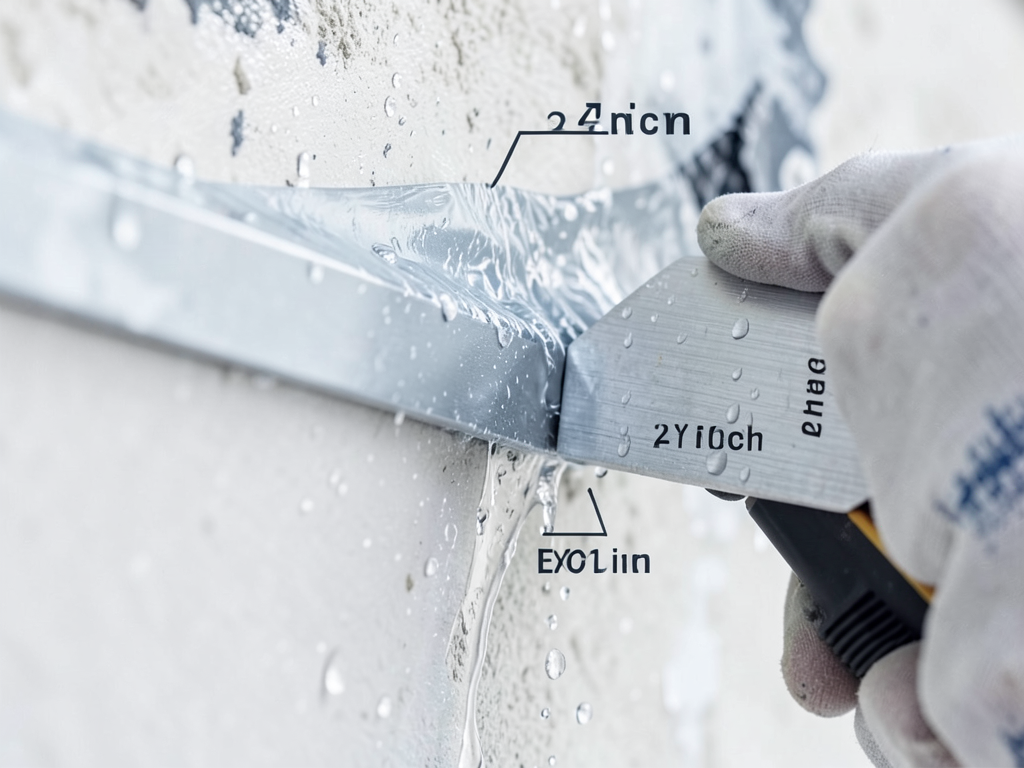
Install drip edge along the porch roof perimeter to direct water into the gutters rather than allowing it to run back under the roofing material. The drip edge should extend at least 1/2 inch beyond the fascia board and have a raised edge that prevents capillary action from drawing water back under the roofing. Why Metal Roofing is Becoming a Top Choice for Coastal East Boston Homes.
Massachusetts Snow Load and Structural Requirements
Melrose falls under Massachusetts Climate Zone 5, which requires porch roof structures to support minimum 30 pounds per square foot snow loads. This means your ledger board connections, rafters, and support posts must be sized appropriately for the expected loads. A typical 12×12 foot porch roof in Melrose needs to support over 4,000 pounds of snow weight.
Use pressure-treated lumber for all structural components that contact the ledger board or exterior walls. The moisture content in pressure-treated wood can cause untreated lumber to rot within a few years in New England’s humid climate. Specify lumber rated for ground contact for any posts that extend into the soil or concrete.
Install hurricane ties or rafter hangers to connect the porch roof rafters to the ledger board. These metal connectors provide uplift resistance during high wind events and ensure the roof structure remains attached to the house during storms. Use connectors rated for the specific rafter size and expected loads.
Check the existing wall structure before installing the ledger board. Older Melrose homes may have balloon framing or other construction methods that affect how you attach the porch roof. A structural engineer should evaluate the wall’s ability to support the additional load if you’re unsure about the existing framing.
Common Porch Roof Connection Mistakes to Avoid
The most frequent error is improper flashing installation that allows water to penetrate behind the siding. Many DIY installations use caulk alone to seal the ledger board connection, but caulk deteriorates within 3-5 years and cannot provide permanent waterproofing. Always use proper flashing systems with step and counter-flashing. The Best Roofing Strategies for Multi-Family Property Owners in Savin Hill.
Another common mistake is using incorrect fastener spacing or undersized lag bolts. The ledger board must be attached with enough fasteners to distribute the load across the entire wall structure. Overloading a small section of the wall can cause the ledger board to pull away from the house under snow load.
Neglecting to account for roof pitch differences between the existing house and new porch roof causes drainage problems. The porch roof should have a minimum 2:12 pitch to ensure proper water runoff. Steeper pitches may be necessary depending on your home’s architecture and local rainfall patterns.
Skipping the permit process in Melrose can result in fines and require you to remove non-compliant work. The city requires detailed plans showing structural calculations, material specifications, and how the porch roof connects to the existing structure. These reviews help prevent dangerous installations that could fail during storms.
Cost Factors for Porch Roof Connections in Melrose
The cost of connecting a porch roof in Melrose varies based on several factors including your home’s age, the porch size, and the complexity of the flashing system required. Historic homes with decorative trim or unusual wall construction typically cost more to work on due to the careful removal and replacement of original materials.
Labor costs in Melrose reflect the higher cost of living in the Boston suburbs and the specialized knowledge required for proper flashing installation. Expect to pay premium rates for contractors who understand Massachusetts building codes and have experience with the specific challenges of New England weather.
Material costs include pressure-treated lumber, flashing materials, fasteners, and roofing materials. Copper flashing costs more than aluminum but provides superior longevity in coastal environments. The ice and water shield membrane adds cost but is required by Massachusetts code for all roof edges and valleys. Roofing Quincy.
Permit fees in Melrose typically range from $50 to $200 depending on the project scope. You may also need structural engineering calculations if your porch exceeds certain size limits or if your home has unusual construction that requires professional evaluation.
Professional Installation vs. DIY Considerations
Connecting a porch roof properly requires carpentry skills, knowledge of flashing techniques, and understanding of structural loads. While a skilled DIYer might handle basic framing, the flashing and waterproofing aspects are critical to prevent expensive water damage. One small gap in the flashing system can lead to thousands of dollars in repairs. Tile Roofing Services.
Professional contractors have access to specialized tools like crimping tools for metal flashing, proper scaffolding for working at heights, and experience with local building inspectors’ requirements. They also carry insurance that protects you if someone is injured during the installation process.
If you choose DIY installation, consider hiring a professional for the flashing portion at minimum. The flashing installation is where most porch roof leaks originate, and proper installation requires experience with water-shedding techniques that aren’t obvious to most homeowners.
Time is another factor to consider. A professional crew can complete a typical porch roof connection in 2-3 days, while a DIY project might take several weekends. During this time, your home is vulnerable to water damage if rain occurs before the flashing is properly installed.
Maintenance and Long-Term Care
After installing your porch roof connection, regular maintenance helps prevent problems. Inspect the flashing annually for signs of separation, corrosion, or damage from ice dams. Look for water stains on the ceiling below the porch roof that might indicate leaks developing at the connection point.
Clean gutters and downspouts regularly to ensure proper drainage. Clogged gutters can cause water to back up under the roofing material and into the flashing system. This is especially important in Melrose where fall leaves can quickly block drainage systems. The Best Way to Keep Gutters Clog-Free in Wooded West Roxbury Neighborhoods.
Check the ledger board attachment points every few years by looking for signs of movement or separation. If you notice the porch roof sagging or pulling away from the house, have a professional evaluate the structural connections immediately. This could indicate fastener failure or wood rot that compromises the entire structure.
Consider having your porch roof connection inspected by a professional every 5-7 years. They can identify potential problems before they cause significant damage and recommend maintenance procedures specific to your home’s construction and local weather conditions.
Frequently Asked Questions
How long does a porch roof connection last in Melrose’s climate?
With proper installation and maintenance, a porch roof connection should last 20-30 years. The flashing system typically needs replacement after 15-20 years due to UV exposure and freeze-thaw cycles that can cause metal fatigue and sealant deterioration.
Can I connect a porch roof to a brick or stone veneer wall?
Yes, but it requires special techniques including expanding masonry anchors and counter-flashing installed into mortar joints. The weight of the porch roof must also be evaluated since older brick walls may not have the same structural capacity as modern wood framing.
What permits are required for porch roof additions in Melrose?
Most porch roof additions require building permits from the Melrose Inspectional Services Department. You’ll need to submit detailed plans showing structural calculations, material specifications, and how the porch connects to the existing structure. Electrical permits may also be required if you’re adding lighting or ceiling fans.
How do I know if my existing wall can support a porch roof connection?
Look for signs of structural issues like sagging floors, cracked plaster, or previous water damage. If you’re unsure about your wall’s capacity, hire a structural engineer to evaluate the existing framing and recommend appropriate connection methods for your specific situation.
- Prepare the Wall Surface
Remove siding and inspect the structural sheathing where the ledger board will attach. Repair any damaged areas and ensure the surface is clean and dry.
- Install Ice and Water Shield
Apply self-adhesive membrane extending 24 inches up the wall from the ledger board location. This provides the required ice barrier protection for Massachusetts climate.
- Attach the Ledger Board
Install pressure-treated ledger board using lag bolts spaced 16 inches apart in a zigzag pattern. Use galvanized or stainless steel fasteners rated for exterior use.
- Install Step Flashing
Apply step flashing under siding courses above the ledger board, overlapping each piece by 2 inches. This creates the primary water-shedding pathway.
- Complete the Roof Structure
Install rafters, roofing underlayment, and final roofing material. Ensure proper pitch and integrate with existing roof drainage systems.. Read more about Picking the right roofing system for your new ADU in the City of Boston.
Connecting a porch roof to your Melrose home requires attention to detail and understanding of local building requirements. The investment in proper installation pays off through years of leak-free performance and structural integrity. Don’t risk water damage to your home by cutting corners on this critical connection.
Call (857) 387-1711 today to schedule your inspection. Our team understands the specific challenges of porch roof connections in Melrose and can ensure your project meets all Massachusetts building codes while providing lasting protection against New England weather.
You may also find this helpful. Does a brand-new roof actually increase your property tax assessment in Massachusetts?.
{
“@context”: “https://schema.org”,
“@type”: “BlogPosting”,
“headline”: “How to Properly Tie a New Porch Roof into the Existing Structure of Your Home in Melrose”,
“description”: “Learn how to connect a porch roof to your Melrose home safely. Expert guide covering flashing, framing, permits, and snow load requirements for New England weather.”,
“wordCount”: 2197,
“datePublished”: “2026-05-09T12:25:00.000Z”,
“dateModified”: “2026-05-09T12:25:00.000Z”,
“inLanguage”: “en-US”,
“mainEntityOfPage”: {
“@type”: “WebPage”,
“@id”: “https://silverlineroofingboston.com”
},
“publisher”: {
“@type”: “LocalBusiness”,
“name”: “Silverline Roofing Boston”,
“url”: “https://silverlineroofingboston.com”
},
“author”: {
“@type”: “Organization”,
“name”: “Silverline Roofing Boston”,
“url”: “https://silverlineroofingboston.com”
},
“image”: {
“@type”: “ImageObject”,
“url”: “https://silverlineroofingboston.com/wp-content/uploads/2026/03/how-to-properly-tie-a-new-porch-roof-into-the-exis-1.png”
}
}
{
“@context”: “https://schema.org”,
“@type”: “RoofingContractor”,
“name”: “Silverline Roofing Boston”,
“url”: “https://silverlineroofingboston.com”,
“address”: {
“@type”: “PostalAddress”,
“addressLocality”: “Boston”
},
“areaServed”: {
“@type”: “City”,
“name”: “Boston”
}
}
{
“@context”: “https://schema.org”,
“@type”: “FAQPage”,
“mainEntity”: [
{
“@type”: “Question”,
“name”: “How long does a porch roof connection last in Melrose’s climate?”,
“acceptedAnswer”: {
“@type”: “Answer”,
“text”: “With proper installation and maintenance, a porch roof connection should last 20-30 years. The flashing system typically needs replacement after 15-20 years due to UV exposure and freeze-thaw cycles that can cause metal fatigue and sealant deterioration.”
}
},
{
“@type”: “Question”,
“name”: “Can I connect a porch roof to a brick or stone veneer wall?”,
“acceptedAnswer”: {
“@type”: “Answer”,
“text”: “Yes, but it requires special techniques including expanding masonry anchors and counter-flashing installed into mortar joints. The weight of the porch roof must also be evaluated since older brick walls may not have the same structural capacity as modern wood framing.”
}
},
{
“@type”: “Question”,
“name”: “What permits are required for porch roof additions in Melrose?”,
“acceptedAnswer”: {
“@type”: “Answer”,
“text”: “Most porch roof additions require building permits from the Melrose Inspectional Services Department. You’ll need to submit detailed plans showing structural calculations, material specifications, and how the porch connects to the existing structure. Electrical permits may also be required if you’re adding lighting or ceiling fans.”
}
},
{
“@type”: “Question”,
“name”: “How do I know if my existing wall can support a porch roof connection?”,
“acceptedAnswer”: {
“@type”: “Answer”,
“text”: “Look for signs of structural issues like sagging floors, cracked plaster, or previous water damage. If you’re unsure about your wall’s capacity, hire a structural engineer to evaluate the existing framing and recommend appropriate connection methods for your specific situation.”
}
}
]
}
{
“@context”: “https://schema.org”,
“@type”: “HowTo”,
“name”: “How to Connect a Porch Roof”,
“step”: [
{
“@type”: “HowToStep”,
“position”: 1,
“name”: “Prepare the Wall Surface”,
“text”: “Remove siding and inspect the structural sheathing where the ledger board will attach. Repair any damaged areas and ensure the surface is clean and dry.”
},
{
“@type”: “HowToStep”,
“position”: 2,
“name”: “Install Ice and Water Shield”,
“text”: “Apply self-adhesive membrane extending 24 inches up the wall from the ledger board location. This provides the required ice barrier protection for Massachusetts climate.”
},
{
“@type”: “HowToStep”,
“position”: 3,
“name”: “Attach the Ledger Board”,
“text”: “Install pressure-treated ledger board using lag bolts spaced 16 inches apart in a zigzag pattern. Use galvanized or stainless steel fasteners rated for exterior use.”
},
{
“@type”: “HowToStep”,
“position”: 4,
“name”: “Install Step Flashing”,
“text”: “Apply step flashing under siding courses above the ledger board, overlapping each piece by 2 inches. This creates the primary water-shedding pathway.”
},
{
“@type”: “HowToStep”,
“position”: 5,
“name”: “Complete the Roof Structure”,
“text”: “Install rafters, roofing underlayment, and final roofing material. Ensure proper pitch and integrate with existing roof drainage systems.”
}
],
“image”: “https://silverlineroofingboston.com/wp-content/uploads/2026/03/how-to-properly-tie-a-new-porch-roof-into-the-exis-1.png”
}
{
“@context”: “https://schema.org”,
“@type”: “BreadcrumbList”,
“itemListElement”: [
{
“@type”: “ListItem”,
“position”: 1,
“name”: “Home”,
“item”: “https://silverlineroofingboston.com”
},
{
“@type”: “ListItem”,
“position”: 2,
“name”: “Blog”,
“item”: “https://silverlineroofingboston.com/blog”
},
{
“@type”: “ListItem”,
“position”: 3,
“name”: “How to Properly Tie a New Porch Roof into the Existing Structure of Your Home in Melrose”
}
]
}
{
“@context”: “https://schema.org”,
“@type”: “Service”,
“serviceType”: “Roofing”,
“provider”: {
“@type”: “LocalBusiness”,
“name”: “Silverline Roofing Boston”,
“url”: “https://silverlineroofingboston.com”
},
“areaServed”: {
“@type”: “City”,
“name”: “Boston”
},
“description”: “Learn how to connect a porch roof to your Melrose home safely. Expert guide covering flashing, framing, permits, and snow load requirements for New England weather.”
}