Understanding Your Boston Roof Installation Timeline
When homeowners in Boston prepare for a residential roof installation, they often wonder what to expect throughout the process. This comprehensive timeline breaks down each phase of a standard Boston roof installation, helping you understand what happens from the initial consultation to the final inspection.
Phase 1: Initial Consultation and Assessment (Day 1-3)
The roof installation process begins with a professional assessment of your current roof condition. During this phase, roofing contractors will inspect your attic space, examine the exterior roof surface, and identify any structural concerns specific to Boston’s climate challenges. Why Metal Roofing is Becoming a Top Choice for Coastal East Boston Homes.
According to the Massachusetts State Building Code 9th Edition, all residential roofing projects must comply with specific structural requirements that account for Boston’s heavy snowfall and coastal weather patterns.
Phase 2: Permit Acquisition and Material Ordering (Day 4-7)
Boston requires specific permits for residential roof installations. The Boston Inspectional Services Department processes these permits, typically within 3-5 business days. During this waiting period, your roofing contractor will order materials suited for Boston’s unique weather conditions. The Best Roofing Strategies for Multi-Family Property Owners in Savin Hill.
Local building codes mandate that all roofing materials meet ASTM standards for wind resistance, particularly important in coastal areas like South Boston and East Boston where wind speeds can exceed 70 mph during winter storms. Roofing Quincy.
Phase 3: Preparation and Protection (Day 8-9)
Before any roofing work begins, your property requires extensive protection. This includes covering landscaping, protecting windows and doors, and setting up safety equipment. Boston’s narrow streets and close property lines require additional precautions to protect neighboring properties. Tile Roofing Services.
Roofing crews will also inspect your attic ventilation system, which is crucial for preventing ice dam formation during Boston’s harsh winters. Proper ventilation helps maintain consistent roof temperatures and prevents moisture buildup.
Phase 4: Tear-off and Inspection (Day 10)
The tear-off phase involves removing existing roofing materials down to the deck. In Boston’s historic neighborhoods like Beacon Hill and the North End, contractors must be especially careful with older homes that may have multiple layers of roofing material.
During tear-off, the roof deck is inspected for damage, rot, or structural issues. Boston’s older housing stock often reveals unexpected problems, such as water damage from ice dams or deterioration from salt air exposure in coastal areas.
Phase 5: Deck Repair and Underlayment Installation (Day 11)
Any damaged decking is replaced with new plywood or OSB panels that meet current building codes. The underlayment installation follows, which includes ice and water shield application along eaves and valleys where ice dam formation is most likely.
Boston building codes require ice and water shield extending at least 24 inches inside the exterior wall line, with additional coverage in valleys and around roof penetrations. This is critical for preventing water infiltration during freeze-thaw cycles.
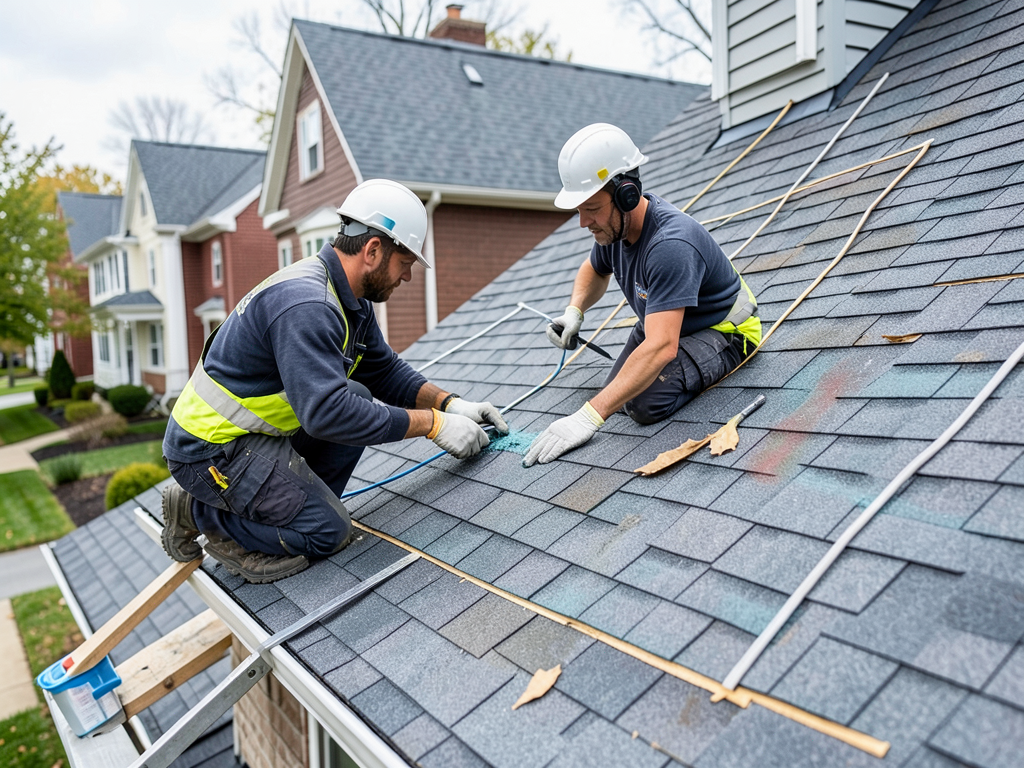
Phase 6: Shingle Installation (Day 12-13)
Shingle installation begins at the bottom edge and works upward. Boston’s weather patterns influence installation techniques, with special attention to proper nailing patterns that can withstand high winds and heavy snow loads.
Roofing contractors must follow manufacturer specifications for nail placement and quantity. Improper installation can void warranties and lead to premature roof failure, particularly problematic in Boston’s extreme weather conditions.
Phase 7: Flashing and Ventilation Installation (Day 14)
Flashing installation around chimneys, vents, and roof valleys is critical for preventing water infiltration. Boston’s historic architecture often includes complex roof designs with multiple valleys and dormers that require expert flashing techniques.
Proper ventilation installation continues throughout this phase. Boston’s building code requires minimum ventilation ratios to prevent moisture buildup and extend roof life. This includes ridge vents, soffit vents, and possibly powered attic ventilation systems.
Phase 8: Clean-up and Final Inspection (Day 15)
The final phase involves thorough clean-up of all roofing debris, including nails and small particles that could damage landscaping or create hazards. Boston’s dense urban environment requires meticulous clean-up to protect both your property and neighboring areas.
A final inspection ensures all work meets building code requirements and manufacturer specifications. Your roofing contractor will walk you through the completed installation, explaining warranty coverage and maintenance requirements.
Weather Considerations for Boston Roof Installations
Boston’s weather significantly impacts roof installation timelines. Spring installations often face delays due to rain, while summer work must account for high temperatures that can affect shingle adhesion. Fall installations benefit from moderate temperatures but may face scheduling challenges due to high demand.
Winter installations are possible but require special considerations. Asphalt shingles need temperatures above 40 degrees Fahrenheit for proper sealing, and crews must work shorter days due to limited daylight hours.
Cost Factors Specific to Boston
Several factors influence Boston roof installation costs. The city’s high cost of living affects labor rates, while historic district regulations may require specific materials or installation techniques. Insurance requirements for roofing contractors operating in Boston also contribute to overall project costs.
Additional costs may include structural upgrades to meet current building codes, especially for older homes in neighborhoods like Jamaica Plain or Dorchester where many houses predate modern building standards.
Post-Installation Considerations
After installation, your new roof requires minimal maintenance but benefits from annual inspections. Boston’s weather patterns create specific maintenance needs, such as checking for ice dam formation in winter and ensuring proper drainage during spring rains.
Most roofing manufacturers offer warranties ranging from 20 to 50 years, but these warranties often require professional installation and regular maintenance to remain valid. Keep all documentation and schedule routine inspections to protect your investment.
Choosing the Right Contractor in Boston
Selecting a qualified roofing contractor is crucial for successful installation. Look for contractors with specific experience in Boston’s unique roofing challenges, including knowledge of local building codes, experience with historic properties, and understanding of coastal weather impacts.
Verify licensing, insurance, and references before hiring. A reputable contractor will provide detailed written estimates, explain the installation process thoroughly, and stand behind their work with comprehensive warranties.
Ready to start your Boston roof installation? Call (857) 387-1711 today for a free consultation and estimate. Our experienced team understands Boston’s unique roofing requirements and will guide you through every step of the process.
Frequently Asked Questions
How long does a typical Boston roof installation take?
Most residential installations in Boston take 10-15 working days, weather permitting. Complex roofs or those requiring extensive repairs may take longer.
Do I need to be home during the installation?
While not required, being available for questions during key phases can be helpful. Your contractor will need access to the property and may need to discuss unexpected issues that arise during the installation.
What permits are required for roof installation in Boston?
Boston requires building permits for all roof replacements. Your contractor should handle permit acquisition as part of the project scope.
How do I prepare my home for roof installation?
Remove vehicles from driveways, cover items in attics, and protect valuable landscaping. Your contractor will provide specific preparation instructions based on your property layout.
What warranty should I expect on my new roof?
Most quality installations come with 20-50 year manufacturer warranties and 5-10 year workmanship warranties. Be sure to understand what’s covered and what’s excluded.
For more information about Boston roof installation or to schedule your consultation, contact us at (857) 387-1711. We’re here to help you navigate every step of your roofing project with confidence.
You may also find this helpful. Maintaining Industrial Style Skylights in Your Fort Point Loft.
You may also find this helpful. Ways to Block Out Logan Airport Engine Noise with Sound Dampening Roofing Materials.
{
“@context”: “https://schema.org”,
“@type”: “BlogPosting”,
“headline”: “A Step by Step Timeline of What to Expect During a Standard Boston Residential Roof Installation”,
“description”: “Complete guide to Boston roof installation timeline, costs, and what homeowners should expect. Learn about permits, materials, and weather considerations.”,
“wordCount”: 1233,
“datePublished”: “2026-04-05T08:48:00.000Z”,
“dateModified”: “2026-04-05T08:48:00.000Z”,
“inLanguage”: “en-US”,
“mainEntityOfPage”: {
“@type”: “WebPage”,
“@id”: “https://silverlineroofingboston.com”
},
“publisher”: {
“@type”: “LocalBusiness”,
“name”: “Silverline Roofing Boston”,
“url”: “https://silverlineroofingboston.com”
},
“author”: {
“@type”: “Organization”,
“name”: “Silverline Roofing Boston”,
“url”: “https://silverlineroofingboston.com”
},
“image”: {
“@type”: “ImageObject”,
“url”: “https://silverlineroofingboston.com/wp-content/uploads/2026/03/a-step-by-step-timeline-of-what-to-expect-during-a-1.png”
}
}
{
“@context”: “https://schema.org”,
“@type”: “RoofingContractor”,
“name”: “Silverline Roofing Boston”,
“url”: “https://silverlineroofingboston.com”,
“address”: {
“@type”: “PostalAddress”,
“addressLocality”: “Boston”
},
“areaServed”: {
“@type”: “City”,
“name”: “Boston”
}
}
{
“@context”: “https://schema.org”,
“@type”: “BreadcrumbList”,
“itemListElement”: [
{
“@type”: “ListItem”,
“position”: 1,
“name”: “Home”,
“item”: “https://silverlineroofingboston.com”
},
{
“@type”: “ListItem”,
“position”: 2,
“name”: “Blog”,
“item”: “https://silverlineroofingboston.com/blog”
},
{
“@type”: “ListItem”,
“position”: 3,
“name”: “A Step by Step Timeline of What to Expect During a Standard Boston Residential Roof Installation”
}
]
}
{
“@context”: “https://schema.org”,
“@type”: “Service”,
“serviceType”: “Roofing”,
“provider”: {
“@type”: “LocalBusiness”,
“name”: “Silverline Roofing Boston”,
“url”: “https://silverlineroofingboston.com”
},
“areaServed”: {
“@type”: “City”,
“name”: “Boston”
},
“description”: “Complete guide to Boston roof installation timeline, costs, and what homeowners should expect. Learn about permits, materials, and weather considerations.”
}