
Choosing Between EPDM and TPO for Your Commercial Building in the Seaport District
When you own a commercial property in Boston’s Seaport District, your roof faces unique challenges. The combination of coastal salt air, heavy snow loads, and urban heat island effects creates a demanding environment for any roofing system. Choosing between EPDM and TPO isn’t just about price—it’s about protecting your investment for the next 20-30 years. Why Metal Roofing is Becoming a Top Choice for Coastal East Boston Homes.
EPDM (ethylene propylene diene monomer) offers proven reliability with its rubber membrane that flexes well in Boston’s freeze-thaw cycles. TPO (thermoplastic polyolefin) provides superior energy efficiency with its reflective surface that helps combat the Seaport’s intense summer heat. Both materials meet Massachusetts State Building Code requirements, but each performs differently under specific conditions. Massachusetts State Building Code.
Your decision should factor in your building’s structure, energy goals, and budget. EPDM typically costs $5.50-$7.50 per square foot installed, while TPO runs $6.00-$8.50 per square foot. The right choice depends on your priorities—whether that’s upfront cost savings, long-term energy efficiency, or resistance to the Seaport’s coastal environment. Energy Star roofing requirements.
Understanding the Seaport District’s Roofing Challenges
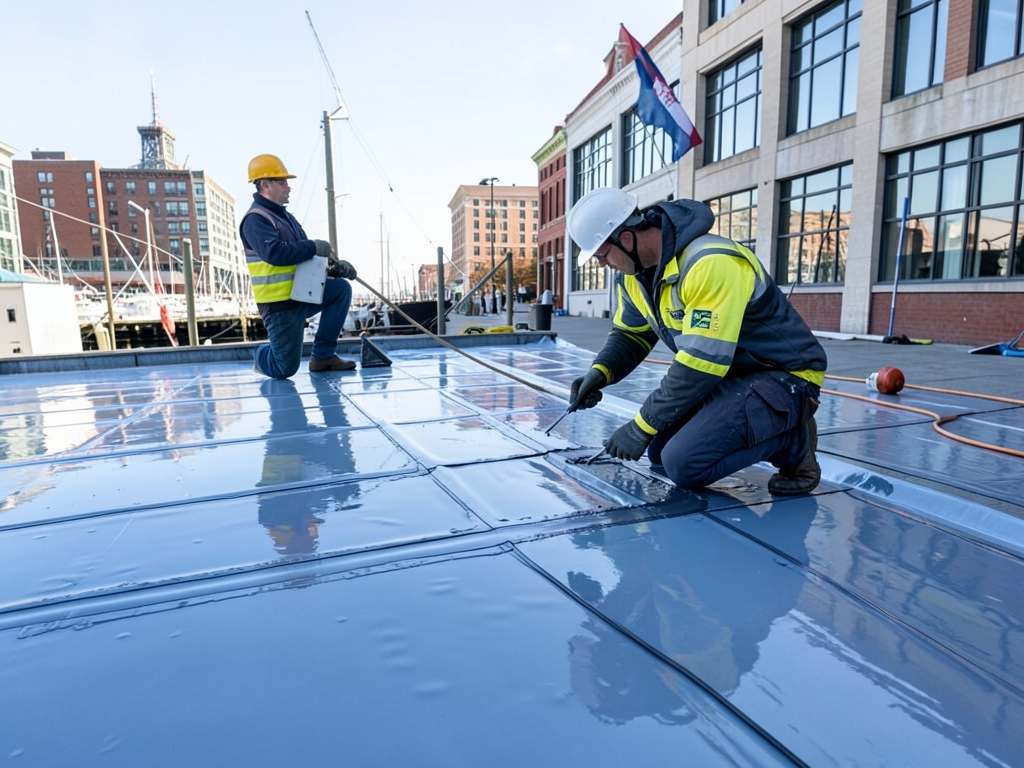
The Seaport District presents specific roofing challenges that affect material performance. Buildings here experience higher wind loads due to the exposed waterfront location, with gusts often exceeding 60 mph during nor’easters. The proximity to Boston Harbor means salt spray can accelerate corrosion of metal components and degrade certain roofing materials. Roofing Quincy.
Temperature fluctuations in this area are more extreme than inland locations. The urban heat island effect can push rooftop temperatures 10-15 degrees higher than surrounding areas during summer months. This thermal cycling puts stress on roofing membranes, causing expansion and contraction that can lead to seam failures over time. Tile Roofing Services.
Local building codes in the Seaport District require enhanced wind uplift resistance and specific drainage requirements due to the area’s flood zone designation. The Massachusetts State Building Code (780 CMR) mandates additional anchoring for commercial roofs in this district, affecting both installation methods and material choices.
EPDM Roofing: The Rubber Standard for Boston’s Climate
EPDM has been the go-to choice for commercial flat roofs in Boston for decades. This synthetic rubber membrane comes in large sheets that reduce the number of seams, minimizing potential leak points. The material’s flexibility allows it to expand and contract with temperature changes without cracking.
Installation involves either fully adhering the membrane with adhesive or mechanically fastening it to the roof deck. The seams are sealed using seam tape or liquid adhesive, creating a watertight bond. EPDM performs exceptionally well in Boston’s cold climate because it remains flexible at temperatures well below freezing.
The dark surface of EPDM absorbs heat, which can be beneficial during Boston’s cold winters by helping melt snow and ice. However, this also means higher cooling costs during summer months. The material typically comes in 45-mil and 60-mil thicknesses, with 60-mil offering better puncture resistance for areas with heavy foot traffic.
TPO Roofing: Energy Efficiency for Modern Buildings
TPO represents the newer generation of single-ply roofing membranes, combining the durability of EPDM with enhanced energy efficiency. This thermoplastic material comes in white or light gray, reflecting up to 85% of solar radiation compared to EPDM’s 5-10% reflectivity.
The installation process uses heat-welded seams that create a monolithic surface stronger than the original material. This welding process produces seams that resist separation better than adhesive-based systems, particularly important in high-wind areas like the Seaport District. The material also resists mold growth and dirt accumulation.
TPO’s reflective properties can reduce cooling costs by 15-30% in Boston’s summer months. The material meets Energy Star requirements and can help buildings comply with Boston’s BERDO 2.0 energy efficiency standards. Available in 45-mil, 60-mil, and 80-mil thicknesses, TPO offers excellent puncture resistance and UV protection.
Head-to-Head Comparison: Performance in Boston’s Climate
| Feature | EPDM | TPO |
|---|---|---|
| Initial Cost | $5.50-$7.50/sq ft | $6.00-$8.50/sq ft |
| Energy Efficiency | Low (absorbs heat) | High (reflects heat) |
| Seam Strength | Adhesive/tape | Heat-welded |
| Cold Weather Flexibility | Excellent | Very Good |
| UV Resistance | Good (with coating) | Excellent |
| Wind Uplift Resistance | Standard | Enhanced |
| Lifespan in Boston | 20-25 years | 22-28 years |
| Maintenance Requirements | Moderate | Low |
Installation Considerations for Seaport Properties
Commercial buildings in the Seaport District often have specific installation requirements due to their location and use. Many properties here are part of larger developments with shared roof access, requiring careful coordination with neighboring tenants and property managers.
Wind uplift calculations become critical in this area. The Massachusetts State Building Code requires enhanced fastening systems for roofs in the Seaport District due to its waterfront exposure. TPO’s heat-welded seams provide superior resistance to wind-driven rain, while EPDM’s larger sheet sizes reduce the total number of vulnerable seams.
Roof access can be challenging in the dense Seaport area. Many buildings have limited crane access due to narrow streets and overhead utilities. Both materials can be installed using smaller equipment, but TPO’s lighter weight rolls make it slightly easier to maneuver in tight spaces.
Cost Analysis for Boston Commercial Properties
Beyond the initial material costs, several factors affect the total investment for your commercial roof. Labor rates in Boston typically run 15-20% higher than national averages due to the cost of living and specialized training required for local building codes.
Removal of existing roofing adds $1.00-$2.50 per square foot to your project. Many Seaport buildings have multiple roof layers that must be removed before installing new membrane. Disposal fees in Boston are higher than suburban areas due to limited landfill space and recycling requirements.
Energy efficiency incentives can offset some costs. Boston’s BERDO 2.0 program offers rebates for cool roofs that meet specific reflectivity standards. TPO typically qualifies for these incentives, while standard EPDM may require a reflective coating to meet the requirements.
Maintenance Requirements and Longevity
Both EPDM and TPO require regular maintenance to achieve their expected lifespans in Boston’s climate. Annual inspections should check for seam integrity, membrane punctures, and flashing condition. The harsh freeze-thaw cycles in Boston can cause expansion-related damage if not addressed promptly. Should You Repair Your Brookline Roof or Just Replace the Whole Thing.
EPDM maintenance focuses on seam inspection and cleaning. The adhesive-based seams can deteriorate over time, especially in areas with high foot traffic or equipment mounting. Re-sealing seams every 5-7 years helps prevent water infiltration. The material’s dark color shows dirt and staining more readily than TPO.
TPO requires less frequent maintenance due to its heat-welded seams and resistance to biological growth. However, the reflective surface can show chalking or whitening over time, which doesn’t affect performance but may impact aesthetics. Cleaning with appropriate cleaners helps maintain the material’s reflective properties.
Environmental Impact and Sustainability
Both materials offer environmental benefits compared to traditional built-up roofing systems. EPDM contains recycled content and can be recycled at the end of its life. The material’s production process has a lower carbon footprint than many alternatives, though its dark color reduces its energy efficiency.
TPO’s reflective properties contribute to reducing the urban heat island effect in Boston. The material can help buildings meet LEED certification requirements and comply with Boston’s green building initiatives. TPO also contains recycled content and is fully recyclable, though its production process is more energy-intensive than EPDM.
Massachusetts offers incentives through MassSave for energy-efficient roofing systems. Buildings in the Seaport District may qualify for additional incentives due to the area’s focus on sustainable development. These programs can offset 10-15% of the total project cost for qualifying systems.
Making the Right Choice for Your Seaport Building
Your specific building characteristics should guide your material selection. Consider your building’s orientation, roof access patterns, equipment mounting requirements, and long-term energy goals. Buildings with extensive rooftop equipment may benefit from EPDM’s larger sheet sizes that reduce seams around penetrations.
Energy costs in the Seaport District are among the highest in Massachusetts. If your building has significant cooling loads, TPO’s reflective properties can provide substantial long-term savings. However, if your building is primarily heated, EPDM’s heat absorption might reduce winter heating costs.
Consider future plans for your property. If you anticipate solar panel installation within the next 10 years, TPO’s lighter color may provide better compatibility with solar technology. EPDM can be coated with reflective materials, but this adds to long-term maintenance costs.
Common Installation Mistakes to Avoid
Improper installation can void warranties and lead to premature failure regardless of material choice. One common mistake is inadequate substrate preparation. Both EPDM and TPO require a clean, dry surface for proper adhesion. Moisture trapped under the membrane can cause bubbling and delamination.
Another frequent error is incorrect seam welding or adhesive application. TPO seams require specific temperature and pressure settings for proper welding. EPDM seams need clean surfaces and appropriate adhesive application. These details significantly impact the roof’s long-term performance.
Neglecting proper flashing installation around roof penetrations leads to many commercial roof failures. The Seaport District’s high wind conditions make proper counter-flashing and termination bars essential. Skimping on these details to save costs typically results in expensive repairs within the first five years. 24/7 Emergency Roof Repair.
Local Building Code Requirements
The Massachusetts State Building Code (780 CMR) establishes specific requirements for commercial roofing in Boston. Section 1505 addresses wind uplift resistance, requiring enhanced fastening for buildings in the Seaport District due to its waterfront location. Both EPDM and TPO must meet these uplift requirements when properly installed.
Section 1503 covers thermal insulation requirements for commercial roofs. The code mandates specific R-values based on building use and location. This affects the total roof assembly design and can impact your choice between materials, as some insulation types work better with specific membranes.
Boston’s additional energy code requirements through BERDO 2.0 affect material selection for new construction and major renovations. Buildings over 20,000 square feet must meet specific energy performance standards. TPO’s reflective properties typically make compliance easier, though EPDM with reflective coating can also meet these requirements.
Frequently Asked Questions
How long does each material typically last in Boston’s climate?
EPDM typically lasts 20-25 years in Boston, while TPO averages 22-28 years. The actual lifespan depends on installation quality, maintenance frequency, and specific building conditions. Both materials can exceed these estimates with proper care and favorable conditions.
Can I walk on these roofs for maintenance?
Both materials can support foot traffic when properly installed, but walking should be minimized and done on designated pathways. TPO’s heat-welded seams are more resistant to damage from foot traffic than EPDM’s adhesive seams. Always use walkway pads in high-traffic areas.
What happens during Boston’s heavy snow seasons?
Both materials handle snow loads well when properly installed. The key is ensuring adequate drainage to prevent ice dam formation. TPO’s reflective surface helps snow melt faster, while EPDM’s heat absorption can help prevent ice buildup. Neither material is damaged by snow loads within code-specified limits.
Final Recommendation: Which Material Wins for the Seaport District?
For most commercial buildings in the Seaport District, TPO emerges as the better choice due to its superior energy efficiency, enhanced wind resistance, and lower maintenance requirements. The area’s high cooling costs and intense summer sun make TPO’s reflective properties particularly valuable.
However, EPDM remains an excellent choice for specific situations. Buildings with extensive rooftop equipment, those prioritizing lowest initial cost, or properties planning heating-dominated energy use may benefit more from EPDM’s proven performance and flexibility.
The best way to make your final decision is to have a professional assess your specific building conditions. Factors like roof deck condition, building orientation, energy usage patterns, and long-term plans all influence which material provides the best value for your investment.
Get Your Professional Assessment Today
Don’t leave your commercial roof decision to chance. The Seaport District’s unique conditions require expert evaluation to ensure you choose the right material for your specific building. A professional assessment considers your building’s structure, energy usage, and long-term goals to recommend the optimal solution.
Call (857) 387-1711 today to schedule your free commercial roof assessment. Our Boston-based team understands the specific challenges facing Seaport District buildings and can provide detailed recommendations based on your property’s unique requirements. We’ll help you navigate the technical specifications, building codes, and energy considerations to make the best choice for your investment.
Don’t wait until winter storms or summer heat waves reveal problems with your current roof. Early assessment and planning can save thousands in emergency repairs and energy costs. Contact us now to protect your Seaport District commercial property with the right roofing solution.
{
“@context”: “https://schema.org”,
“@type”: “BlogPosting”,
“headline”: “Choosing Between EPDM and TPO for Your Commercial Building in the Seaport District”,
“description”: “Compare EPDM vs TPO roofing for Boston’s Seaport District. Learn about costs, durability, energy efficiency, and local building codes for commercial flat roofs.”,
“wordCount”: 2076,
“datePublished”: “2026-03-09T13:39:00.000Z”,
“dateModified”: “2026-03-09T13:39:00.000Z”,
“inLanguage”: “en-US”,
“mainEntityOfPage”: {
“@type”: “WebPage”,
“@id”: “https://silverlineroofingboston.com”
},
“publisher”: {
“@type”: “LocalBusiness”,
“name”: “Silverline Roofing Boston”,
“url”: “https://silverlineroofingboston.com”
},
“author”: {
“@type”: “Organization”,
“name”: “Silverline Roofing Boston”,
“url”: “https://silverlineroofingboston.com”
},
“image”: {
“@type”: “ImageObject”,
“url”: “https://silverlineroofingboston.com/wp-content/uploads/2026/03/choosing-between-epdm-and-tpo-for-your-commercial-1.png”
}
}
{
“@context”: “https://schema.org”,
“@type”: “RoofingContractor”,
“name”: “Silverline Roofing Boston”,
“url”: “https://silverlineroofingboston.com”,
“address”: {
“@type”: “PostalAddress”,
“addressLocality”: “Boston”
},
“areaServed”: {
“@type”: “City”,
“name”: “Boston”
}
}
{
“@context”: “https://schema.org”,
“@type”: “FAQPage”,
“mainEntity”: [
{
“@type”: “Question”,
“name”: “How long does each material typically last in Boston’s climate?”,
“acceptedAnswer”: {
“@type”: “Answer”,
“text”: “EPDM typically lasts 20-25 years in Boston, while TPO averages 22-28 years. The actual lifespan depends on installation quality, maintenance frequency, and specific building conditions. Both materials can exceed these estimates with proper care and favorable conditions.”
}
},
{
“@type”: “Question”,
“name”: “Can I walk on these roofs for maintenance?”,
“acceptedAnswer”: {
“@type”: “Answer”,
“text”: “Both materials can support foot traffic when properly installed, but walking should be minimized and done on designated pathways. TPO’s heat-welded seams are more resistant to damage from foot traffic than EPDM’s adhesive seams. Always use walkway pads in high-traffic areas.”
}
},
{
“@type”: “Question”,
“name”: “What happens during Boston’s heavy snow seasons?”,
“acceptedAnswer”: {
“@type”: “Answer”,
“text”: “Both materials handle snow loads well when properly installed. The key is ensuring adequate drainage to prevent ice dam formation. TPO’s reflective surface helps snow melt faster, while EPDM’s heat absorption can help prevent ice buildup. Neither material is damaged by snow loads within code-specified limits.”
}
},
{
“@type”: “Question”,
“name”: “Final Recommendation: Which Material Wins for the Seaport District?”,
“acceptedAnswer”: {
“@type”: “Answer”,
“text”: “For most commercial buildings in the Seaport District, TPO emerges as the better choice due to its superior energy efficiency, enhanced wind resistance, and lower maintenance requirements. The area’s high cooling costs and intense summer sun make TPO’s reflective properties particularly valuable.”
}
}
]
}
{
“@context”: “https://schema.org”,
“@type”: “BreadcrumbList”,
“itemListElement”: [
{
“@type”: “ListItem”,
“position”: 1,
“name”: “Home”,
“item”: “https://silverlineroofingboston.com”
},
{
“@type”: “ListItem”,
“position”: 2,
“name”: “Blog”,
“item”: “https://silverlineroofingboston.com/blog”
},
{
“@type”: “ListItem”,
“position”: 3,
“name”: “Choosing Between EPDM and TPO for Your Commercial Building in the Seaport District”
}
]
}
{
“@context”: “https://schema.org”,
“@type”: “Service”,
“serviceType”: “Roofing”,
“provider”: {
“@type”: “LocalBusiness”,
“name”: “Silverline Roofing Boston”,
“url”: “https://silverlineroofingboston.com”
},
“areaServed”: {
“@type”: “City”,
“name”: “Boston”
},
“description”: “Compare EPDM vs TPO roofing for Boston’s Seaport District. Learn about costs, durability, energy efficiency, and local building codes for commercial flat roofs.”
}