
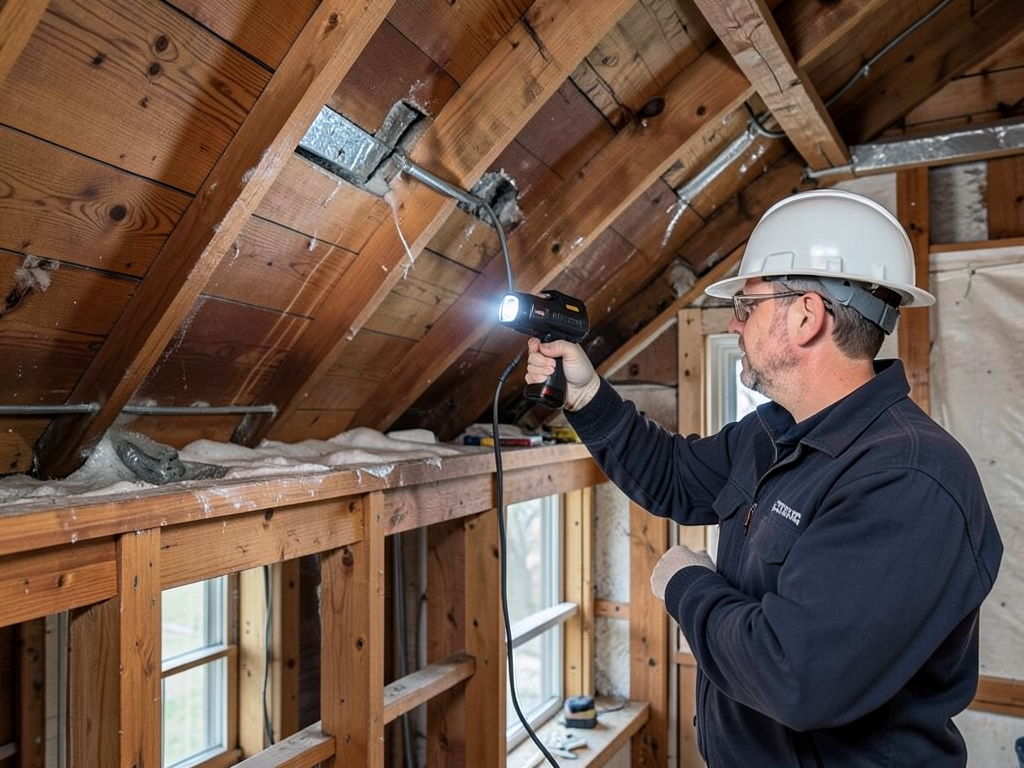
How Poor Attic Ventilation Can Quietly Destroy Your Roof in Roxbury
Your attic might look fine from the outside but inside it could be slowly destroying your roof. In Roxbury’s historic triple-deckers and colonial homes built before modern building codes poor ventilation traps moisture creating a perfect storm of damage. The freeze-thaw cycles common to Boston’s winters turn that trapped moisture into ice dams that push shingles apart and rot your roof deck from the inside out. You can’t see the damage happening but you’ll feel it in your energy bills and hear it when water starts dripping through your ceiling.
Most Roxbury homeowners don’t realize their attic ventilation system is failing until they spot water stains on their ceiling or notice their shingles curling in the summer heat. The problem compounds because older homes in areas like Fort Hill and Grove Hall often have blocked soffit vents from layers of paint or insulation that was shoved too far into the eaves. Once airflow stops your attic becomes a breeding ground for mold and a heat trap that bakes your shingles from below. The result is a roof that fails years before its time costing you thousands in premature replacement.
The good news is you can stop the damage before it gets worse. Modern ventilation systems balance intake and exhaust creating continuous airflow that keeps your attic within 10-15 degrees of the outdoor temperature. This prevents ice dams in winter and reduces cooling costs by up to 20% in summer. For Roxbury’s historic homes we often recommend solar-powered attic fans that work without electrical wiring or specialized intake vents that fit the unique architecture of triple-deckers. The investment pays for itself through energy savings and extends your roof’s life by 5-10 years.
Why Boston’s Climate Makes Attic Ventilation Critical
Boston’s weather creates unique challenges for attic ventilation. Our coastal location means high humidity levels year-round which your attic traps without proper airflow. In winter the temperature swings from freezing nights to mild days cause condensation to form on cold roof surfaces. This moisture gets absorbed by your insulation reducing its R-value and creating the perfect environment for mold growth. The problem is especially severe in Roxbury where many homes sit close together blocking natural cross-ventilation. Bringing Natural Light into Your South End Attic with Custom Skylights.
The freeze-thaw cycle that defines New England winters is particularly destructive to poorly ventilated attics. When snow melts on a warm roof it runs down to the colder eaves where it refreezes creating ice dams. These ice dams force water back under your shingles where it seeps into your attic causing rot and water damage. In Roxbury’s older housing stock this damage often goes unnoticed until a major leak occurs during a nor’easter.
Summer brings different but equally serious problems. Your attic can reach temperatures of 150 degrees or higher without ventilation. This superheats your roof deck causing shingles to blister and curl prematurely. The heat also radiates down into your living spaces forcing your air conditioning to work overtime. Many Roxbury homeowners notice their second and third floor rooms are always hot in summer not realizing their attic is the culprit.
Warning Signs Your Attic Ventilation is Failing
You can spot ventilation problems before they cause major damage. Look for these warning signs in your Roxbury home. Ice dams forming along your eaves after snowstorms indicate heat is escaping from your attic and melting snow unevenly. Dark streaks on your ceiling or walls often mean moisture is condensing in your attic and finding its way down through light fixtures or ceiling penetrations. Your energy bills spiking in both summer and winter suggest your HVAC system is fighting against heat transfer through your attic.
During a physical inspection you might notice your attic feels excessively hot even on mild days. Touch your ceiling on a sunny afternoon if it feels warm to the touch your attic is likely trapping heat. Look for frost accumulation on the underside of your roof deck in winter this is moisture from your living space condensing on cold surfaces. You might also notice a musty odor when you enter your attic a sign of mold growth from chronic moisture exposure.
The screwdriver test reveals hidden damage. Press a screwdriver into your roof deck if it sinks easily or feels soft you have rot from moisture damage. Check your insulation if it’s matted down or has dark spots it’s been compromised by moisture. Examine your rafters for black staining or white powdery deposits these are signs of mold and mildew growth that thrive in poorly ventilated spaces.
How Boston Building Code Affects Your Ventilation Options
Massachusetts State Building Code 780 CMR Section 1203.2 requires attic ventilation to prevent moisture accumulation and ice dam formation. For Roxbury’s historic homes this creates both challenges and opportunities. The code mandates 1 square foot of net free ventilation area for every 150 square feet of attic floor space. This must be split between intake and exhaust with at least 50% at the soffits and 50% at the ridge or gable ends. Massachusetts State Building Code 780 CMR.
Older Roxbury homes often don’t meet these requirements because they were built before modern ventilation standards existed. Many triple-deckers have solid soffits or vents that are painted shut from decades of maintenance. The code allows for alternative ventilation methods in these cases including powered vents or specialized ridge systems designed for historic architecture. We work with the Boston Landmarks Commission to ensure any modifications preserve the historic character while meeting current standards.
The code also requires ice and water shield in Boston’s climate zone extending from the eave edge up the roof deck 24 inches inside the exterior wall line. This protects against ice dam damage but doesn’t replace the need for proper ventilation. In fact poor ventilation can still cause ice dams to form above the shield line leading to leaks. That’s why we always address both the protective membrane and the ventilation system when working on Roxbury homes.
Comparing Ventilation Systems for Boston Homes
| Ventilation Type | Best For | Cost Range | Energy Efficiency |
|---|---|---|---|
| Ridge Vents | Homes with peaked roofs | $300-$800 | High |
| Solar Attic Fans | Homes without electrical access | Very High | |
| Box Vents | Simple roof designs | $200-$500 | Medium |
| Soffit Vents | Intake air source | $150-$400 | Essential |
| Power Vents | Homes with heavy moisture | $400-$1,000 | High |
Choosing the right ventilation system depends on your home’s architecture and Roxbury’s specific climate challenges. Ridge vents work well for most colonial and cape-style homes providing continuous exhaust along the roof peak. They’re nearly invisible from the ground which preserves your home’s appearance. However they require a peaked roof and proper intake ventilation to function correctly.
Solar attic fans are increasingly popular in Roxbury’s historic districts because they don’t require electrical wiring through finished walls. These fans pull hot air out of your attic using solar power reducing your cooling costs and preventing moisture buildup. They’re particularly effective for triple-deckers where heat rises through multiple floors creating extreme attic temperatures.
Box vents offer a budget-friendly option for simple roof designs but they’re less efficient than continuous ridge vents. They work best in combination with proper soffit ventilation to create airflow. For homes with complex rooflines or multiple valleys we often recommend a combination system using ridge vents for main areas and box vents for dormers or other architectural features.
Ice Dam Prevention Through Proper Ventilation
Ice dams are the most visible sign of ventilation problems in Boston homes. They form when heat escaping from your attic melts snow on the roof surface. The melted water runs down to the colder eaves where it refreezes creating a dam that traps more water behind it. This cycle continues building up thick ice that can tear off gutters and force water under your shingles. The Best Way to Keep Gutters Clog-Free in Wooded West Roxbury Neighborhoods.
Proper ventilation prevents ice dams by keeping your attic temperature consistent with the outside air. When your attic stays cold snow on your roof stays frozen until temperatures rise above freezing naturally. This eliminates the freeze-thaw cycle that creates ice dams. In Roxbury’s older homes achieving this balance often requires adding both intake and exhaust ventilation to create continuous airflow from soffits to ridge.
The snow melt test reveals ventilation problems. After a snowfall check your roof 24-48 hours later. If snow has melted from the edges inward while remaining on upper sections you have a heat loss problem. If snow has melted in patches across your roof you have uneven insulation or ventilation. A uniformly snow-covered roof that melts evenly as temperatures rise indicates proper ventilation and insulation balance.
Moisture Control in Boston’s Humid Climate
Boston’s coastal humidity creates year-round moisture challenges for attics. Summer humidity enters your attic through vents and gaps in your ceiling. Winter moisture from your living space rises through ceiling penetrations like light fixtures and bathroom fans. Without proper ventilation this moisture condenses on cold surfaces creating the conditions for mold growth and wood rot.
The dew point is critical in Boston’s climate. When warm moist air contacts a surface below the dew point temperature condensation forms. In poorly ventilated attics this happens on roof decks, rafters, and insulation. The condensation provides moisture for mold spores to grow creating black staining and a musty odor. Over time the moisture breaks down wood fibers causing structural weakness.
Humidity monitoring helps identify ventilation problems. If your attic humidity stays above 70% for extended periods you need better ventilation. Many Roxbury homeowners are surprised to learn their attic humidity matches or exceeds their basement humidity levels. This indicates poor air exchange and creates conditions for mold growth that can spread to living spaces through ceiling penetrations.
Energy Efficiency Benefits of Proper Ventilation
Proper attic ventilation directly impacts your energy bills in Roxbury’s climate. During summer months a well-ventilated attic can be 20-30 degrees cooler than a poorly ventilated one. This temperature difference reduces heat transfer through your ceiling lowering your air conditioning costs. Many homeowners report 15-25% reductions in cooling costs after improving attic ventilation.
Winter energy savings come from preventing ice dams that can cause roof leaks requiring emergency repairs. The cost of fixing ice dam damage often exceeds the investment in proper ventilation. Additionally proper ventilation helps your insulation perform at its rated R-value. When insulation gets wet from condensation it loses up to 40% of its insulating ability forcing your heating system to work harder. EPA Indoor Air Quality Guidelines.
The stack effect in multi-story Roxbury homes makes ventilation even more important. Warm air rises through your home creating negative pressure at lower levels that draws in cold outside air. This airflow pattern can pull moisture from your basement into your attic if ventilation is inadequate. Proper ventilation breaks this cycle reducing both heating and cooling costs while preventing moisture migration through your home.
Ventilation Solutions for Historic Roxbury Homes
Historic Roxbury homes present unique ventilation challenges. Many triple-deckers and colonial homes have solid soffits or vents that are painted shut from decades of maintenance. Some have asbestos siding that complicates modifications. The Boston Landmarks Commission requires approval for exterior changes so ventilation upgrades must be carefully planned to preserve historic character.
For these homes we often recommend interior ventilation solutions. Solar-powered attic fans can be installed without exterior modifications. We can add intake vents in less visible locations like behind gutters or in attic knee walls. Sometimes we improve ventilation by removing accumulated debris from existing vents rather than adding new ones. These approaches maintain the home’s historic appearance while meeting modern performance standards.
The moisture barrier is especially important in historic homes. Many older Roxbury homes lack proper vapor barriers allowing moisture to move freely between living spaces and attics. We often recommend adding vapor retarder paint or installing vapor barriers during roof replacement projects. This controls moisture movement while allowing the historic structure to breathe as it was originally designed.
Professional Ventilation Assessment Process
A thorough ventilation assessment starts with examining your home’s architecture and Roxbury’s specific climate challenges. We inspect your attic for signs of moisture damage, check existing vent locations and sizes, and measure temperature and humidity levels. We also examine your roof’s condition since poor ventilation often causes premature shingle wear that might require repair or replacement. 24/7 Emergency Roof Repair.
The assessment includes checking your insulation levels and distribution. Uneven insulation often indicates air leakage from your living space that contributes to attic moisture problems. We use thermal imaging to identify heat loss patterns and moisture accumulation that aren’t visible to the naked eye. This diagnostic process reveals the true extent of ventilation problems and guides our recommendations.
We calculate your ventilation requirements based on Massachusetts building code and your home’s specific needs. This includes measuring your attic floor area, determining the best locations for intake and exhaust vents, and selecting appropriate vent types for your roof design. We also consider factors like nearby trees that might block airflow or architectural features that complicate ventilation installation.
Cost Factors for Ventilation Improvements
Ventilation improvement costs vary based on your Roxbury home’s specific needs and the scope of work required. Simple improvements like cleaning existing vents or adding baffles to prevent insulation from blocking soffit vents might cost $300-$500. More comprehensive solutions including new ridge vents, solar fans, and intake vent installation typically range from $2,000-$4,000.
Historic home considerations can increase costs. Working with the Boston Landmarks Commission requires additional planning and sometimes specialized materials that maintain historic character. Homes with asbestos siding need abatement before modifications can be made. Complex roof designs with multiple valleys or dormers require custom ventilation solutions that take more time to install.
The long-term savings often justify the investment. A properly ventilated attic can reduce cooling costs by 15-25% annually. Preventing one major ice dam repair can save $3,000-$5,000. Extending your roof life by 5-10 years on a $15,000 roof replacement represents significant savings. Many Roxbury homeowners find the investment pays for itself within 3-5 years through energy savings and prevented damage.
Maintenance Tips for Your Ventilation System
Once you’ve improved your attic ventilation regular maintenance ensures it continues working properly. Check your vents annually for debris like leaves, nests, or snow accumulation that can block airflow. Soffit vents are particularly prone to clogging from insulation or paint buildup. A quick inspection with a flashlight can reveal whether air is flowing freely through your ventilation system.
Monitor your attic temperature seasonally. During summer your attic should stay within 10-15 degrees of the outdoor temperature. In winter it should remain cold without significant heat buildup. If you notice temperature extremes your ventilation system might need adjustment. Many modern ventilation systems include thermostatic controls that automatically adjust fan speeds based on temperature.
Watch for new signs of moisture or damage after severe weather. Nor’easters can drive rain into vents or damage roofing materials that affect ventilation. Ice storms can block vents or create ice dams that indicate ventilation problems. Annual professional inspections can catch issues before they cause major damage especially important in Roxbury’s older housing stock where problems can develop quickly. Why Metal Roofing is Becoming a Top Choice for Coastal East Boston Homes.
Frequently Asked Questions
How do I know if my attic ventilation is causing roof damage?
Look for ice dams in winter, hot ceiling surfaces in summer, musty odors in your attic, or water stains on your ceiling. These are all signs that moisture is accumulating due to poor ventilation. A professional inspection can confirm whether ventilation is the root cause.
Can I improve ventilation without replacing my roof?
Yes, many ventilation improvements can be made without roof replacement. Adding solar fans, cleaning existing vents, or installing baffles to prevent insulation blockage are common upgrades that don’t require new roofing. However, if your shingles are already damaged from poor ventilation replacement might be necessary. The Best Roofing Strategies for Multi-Family Property Owners in Savin Hill.
How much does proper attic ventilation cost in Roxbury?
Costs range from $300 for simple improvements to $4,000 for comprehensive systems. Most Roxbury homeowners spend $1,500-$2,500 for a complete ventilation upgrade that includes both intake and exhaust components. Historic homes may cost more due to specialized requirements.
Will better ventilation lower my energy bills?
Yes, proper ventilation typically reduces cooling costs by 15-25% and can lower heating costs by preventing ice dam damage. The exact savings depend on your home’s size, current ventilation condition, and energy usage patterns. Most homeowners see payback within 3-5 years through energy savings.
Do I need a permit for attic ventilation work in Boston?
Most ventilation improvements don’t require permits unless they involve structural modifications. However, if you’re working on a historic home in Roxbury you may need approval from the Boston Landmarks Commission. We handle all permitting requirements as part of our service.
- Inspect Vents
Check all visible vents for debris, damage, or blockage. Soffit vents should be clear of insulation and paint buildup.
- Check Temperature
Feel your ceiling on a sunny day. If it’s hot to the touch your attic is trapping heat.
- Look for Moisture
Check your attic for frost, condensation, or musty odors that indicate moisture problems.
- Test Airflow
Hold a tissue near vents on a windy day. It should flutter if air is moving properly.
- Professional Assessment
Schedule an inspection if you notice any warning signs or have concerns about your ventilation.
Don’t wait until water is dripping through your ceiling to address attic ventilation problems. The damage happens slowly but the costs add up quickly. In Roxbury’s climate where historic homes meet harsh New England weather proper ventilation isn’t optional it’s essential for protecting your investment. Call (857) 387-1711 today to schedule your free attic ventilation assessment. Our experienced technicians will diagnose problems, recommend solutions, and help you choose the right system for your home’s specific needs. Pick up the phone and call (857) 387-1711 before the next storm hits your roof.
{
“@context”: “https://schema.org”,
“@type”: “BlogPosting”,
“headline”: “How Poor Attic Ventilation Can Quietly Destroy Your Roof in Roxbury”,
“description”: “Discover how Roxbury’s climate and historic homes create attic ventilation problems that lead to ice dams, mold, and roof failure. Learn warning signs and solutions.”,
“wordCount”: 2994,
“datePublished”: “2026-03-08T10:02:00.000Z”,
“dateModified”: “2026-03-08T10:02:00.000Z”,
“inLanguage”: “en-US”,
“mainEntityOfPage”: {
“@type”: “WebPage”,
“@id”: “https://silverlineroofingboston.com”
},
“publisher”: {
“@type”: “LocalBusiness”,
“name”: “Silverline Roofing Boston”,
“url”: “https://silverlineroofingboston.com”
},
“author”: {
“@type”: “Organization”,
“name”: “Silverline Roofing Boston”,
“url”: “https://silverlineroofingboston.com”
},
“image”: {
“@type”: “ImageObject”,
“url”: “https://silverlineroofingboston.com/wp-content/uploads/2026/03/how-poor-attic-ventilation-can-quietly-destroy-you-1.png”
}
}
{
“@context”: “https://schema.org”,
“@type”: “RoofingContractor”,
“name”: “Silverline Roofing Boston”,
“url”: “https://silverlineroofingboston.com”,
“address”: {
“@type”: “PostalAddress”,
“addressLocality”: “Boston”
},
“areaServed”: {
“@type”: “City”,
“name”: “Boston”
}
}
{
“@context”: “https://schema.org”,
“@type”: “FAQPage”,
“mainEntity”: [
{
“@type”: “Question”,
“name”: “How do I know if my attic ventilation is causing roof damage?”,
“acceptedAnswer”: {
“@type”: “Answer”,
“text”: “Look for ice dams in winter, hot ceiling surfaces in summer, musty odors in your attic, or water stains on your ceiling. These are all signs that moisture is accumulating due to poor ventilation. A professional inspection can confirm whether ventilation is the root cause.”
}
},
{
“@type”: “Question”,
“name”: “Can I improve ventilation without replacing my roof?”,
“acceptedAnswer”: {
“@type”: “Answer”,
“text”: “Yes, many ventilation improvements can be made without roof replacement. Adding solar fans, cleaning existing vents, or installing baffles to prevent insulation blockage are common upgrades that don’t require new roofing. However, if your shingles are already damaged from poor ventilation replacement might be necessary. The Best Roofing Strategies for Multi-Family Property Owners in Savin Hill.”
}
},
{
“@type”: “Question”,
“name”: “How much does proper attic ventilation cost in Roxbury?”,
“acceptedAnswer”: {
“@type”: “Answer”,
“text”: “Costs range from $300 for simple improvements to $4,000 for comprehensive systems. Most Roxbury homeowners spend $1,500-$2,500 for a complete ventilation upgrade that includes both intake and exhaust components. Historic homes may cost more due to specialized requirements.”
}
},
{
“@type”: “Question”,
“name”: “Will better ventilation lower my energy bills?”,
“acceptedAnswer”: {
“@type”: “Answer”,
“text”: “Yes, proper ventilation typically reduces cooling costs by 15-25% and can lower heating costs by preventing ice dam damage. The exact savings depend on your home’s size, current ventilation condition, and energy usage patterns. Most homeowners see payback within 3-5 years through energy savings.”
}
},
{
“@type”: “Question”,
“name”: “Do I need a permit for attic ventilation work in Boston?”,
“acceptedAnswer”: {
“@type”: “Answer”,
“text”: “Most ventilation improvements don’t require permits unless they involve structural modifications. However, if you’re working on a historic home in Roxbury you may need approval from the Boston Landmarks Commission. We handle all permitting requirements as part of our service.”
}
}
]
}
{
“@context”: “https://schema.org”,
“@type”: “HowTo”,
“name”: “How to Check Your Attic Ventilation”,
“step”: [
{
“@type”: “HowToStep”,
“position”: 1,
“name”: “Inspect Vents”,
“text”: “Check all visible vents for debris, damage, or blockage. Soffit vents should be clear of insulation and paint buildup.”
},
{
“@type”: “HowToStep”,
“position”: 2,
“name”: “Check Temperature”,
“text”: “Feel your ceiling on a sunny day. If it’s hot to the touch your attic is trapping heat.”
},
{
“@type”: “HowToStep”,
“position”: 3,
“name”: “Look for Moisture”,
“text”: “Check your attic for frost, condensation, or musty odors that indicate moisture problems.”
},
{
“@type”: “HowToStep”,
“position”: 4,
“name”: “Test Airflow”,
“text”: “Hold a tissue near vents on a windy day. It should flutter if air is moving properly.”
},
{
“@type”: “HowToStep”,
“position”: 5,
“name”: “Professional Assessment”,
“text”: “Schedule an inspection if you notice any warning signs or have concerns about your ventilation.”
}
],
“image”: “https://silverlineroofingboston.com/wp-content/uploads/2026/03/how-poor-attic-ventilation-can-quietly-destroy-you-1.png”
}
{
“@context”: “https://schema.org”,
“@type”: “BreadcrumbList”,
“itemListElement”: [
{
“@type”: “ListItem”,
“position”: 1,
“name”: “Home”,
“item”: “https://silverlineroofingboston.com”
},
{
“@type”: “ListItem”,
“position”: 2,
“name”: “Blog”,
“item”: “https://silverlineroofingboston.com/blog”
},
{
“@type”: “ListItem”,
“position”: 3,
“name”: “How Poor Attic Ventilation Can Quietly Destroy Your Roof in Roxbury”
}
]
}
{
“@context”: “https://schema.org”,
“@type”: “Service”,
“serviceType”: “Roofing”,
“provider”: {
“@type”: “LocalBusiness”,
“name”: “Silverline Roofing Boston”,
“url”: “https://silverlineroofingboston.com”
},
“areaServed”: {
“@type”: “City”,
“name”: “Boston”
},
“description”: “Discover how Roxbury’s climate and historic homes create attic ventilation problems that lead to ice dams, mold, and roof failure. Learn warning signs and solutions.”
}