
How to Stop Ice Dams from Destroying Your Boston Home This Winter
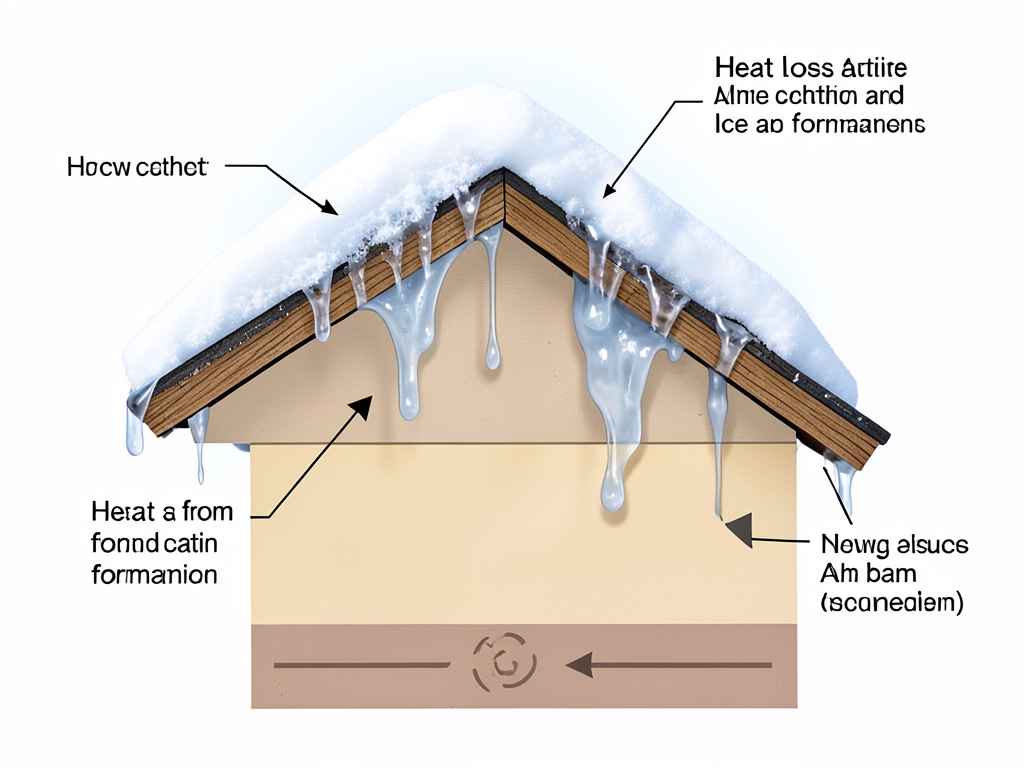
Ice dams form when heat escapes from your attic, melting snow on your roof that refreezes at the edges. This creates a barrier trapping water that can seep under shingles and into your home. In Boston’s harsh winters, this freeze-thaw cycle repeats constantly, causing thousands of dollars in water damage to walls, ceilings, and insulation. The solution requires immediate removal of existing ice dams and long-term prevention through proper attic insulation and ventilation.
Why Boston Homes Are Especially Vulnerable to Ice Dams
Boston’s historic architecture creates perfect conditions for ice dam formation. Many homes in neighborhoods like Beacon Hill and the South End were built before modern building codes required proper attic insulation. These older homes often have balloon framing that allows warm air to rise directly into the attic space. Combined with Boston’s average annual snowfall of 48 inches and frequent temperature swings between 20°F and 40°F, the conditions are ideal for ice dam formation.
The city’s building code (780 CMR) requires ice and water shield to extend 24 inches inside the exterior wall line, but many pre-1980s homes lack this protection. When water backs up behind an ice dam, it finds its way through nail penetrations and under damaged shingles, causing interior damage that may not be visible until it’s severe.
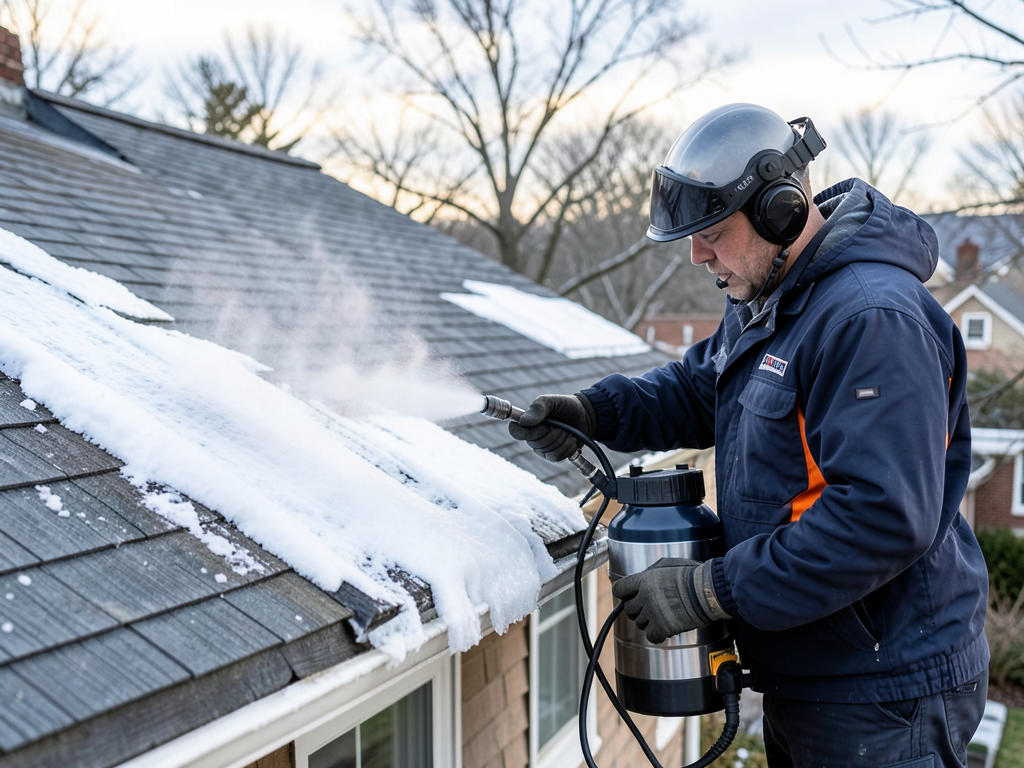
Emergency Ice Dam Removal: Steam vs. Mechanical Methods
Professional ice dam removal uses low-pressure steam at approximately 300°F to melt ice without damaging shingles. This method heats the ice from the surface, allowing it to melt and flow off the roof safely. Mechanical methods like hammers, chisels, or hot water pressure washers can shatter shingles, void warranties, and create new leak points.
The steam removal process typically takes 2-4 hours for an average home, depending on ice thickness and roof accessibility. Technicians use specialized equipment with adjustable pressure settings to prevent shingle damage while effectively removing ice from gutters, valleys, and roof edges. The Best Way to Keep Gutters Clog-Free in Wooded West Roxbury Neighborhoods.
- Initial Assessment
Technician evaluates ice dam size, roof pitch, and potential water damage areas using thermal imaging to locate active leaks.
- Safety Setup
Roof anchors and safety lines are installed. Work area is cordoned off to protect landscaping and prevent ice fall hazards.
- Steam Application
Low-pressure steam is applied in overlapping passes, melting ice from the roof edge upward while protecting shingles.
- Gutter Clearing
Ice is removed from gutters and downspouts to restore proper drainage before the next thaw.
- Final Inspection
Roof is checked for remaining ice, and any identified leak points are marked for repair. 24/7 Emergency Roof Repair.
The Hidden Dangers of DIY Ice Dam Removal
Homeowners attempting to remove ice dams themselves face serious risks. Using hammers or hatchets can crack or shatter asphalt shingles, creating immediate leak points. Hot water pressure washers, while seemingly effective, use 2,000+ PSI that can strip granules from shingles and force water under them. The weight of ice on ladders creates tipping hazards, and falling ice chunks can cause serious injury.
Insurance companies often deny claims when damage results from DIY removal attempts. The Massachusetts Department of Public Safety reports that winter-related roofing injuries spike during major snow events, with many involving falls from roofs or ladders while attempting ice removal. Massachusetts State Building Code 780 CMR.
Long-term Prevention: The Science of Attic Performance
Preventing ice dams requires addressing the root cause: heat loss from your living space into the attic. The building code requires minimum R-49 insulation in attics, but many Boston homes have only R-19 to R-30. This inadequate insulation allows heat to rise and warm the roof deck above freezing.
Proper ventilation is equally critical. The code mandates 1 square foot of net free ventilation area per 300 square feet of attic floor space. This ventilation should be split between soffit vents and ridge or gable vents to create continuous airflow that keeps the attic temperature close to outdoor temperature.
Common attic bypasses include recessed light fixtures, plumbing vent stacks, and bathroom exhaust fans that discharge into the attic instead of outside. These create direct pathways for warm, moist air that condenses on cold roof sheathing, reducing insulation effectiveness and promoting mold growth.
Cost Factors for Ice Dam Removal in Boston
Ice dam removal costs in Boston typically range from $300 to $600 per hour, with most jobs requiring 2-4 hours. Factors affecting cost include roof accessibility, ice thickness, and whether emergency service is needed during off-hours. Homes in tight urban areas like the North End or Back Bay may cost more due to parking restrictions and equipment transport challenges.
Insurance coverage varies. Some policies cover ice dam removal if there’s active water intrusion, while others consider it a maintenance issue. Document all damage with photos before removal begins, as this evidence supports insurance claims for both removal and subsequent repairs.
Professional Prevention Strategies
Beyond insulation and ventilation, several professional solutions can prevent ice dams. Heat cables installed in roof valleys and along eaves use electricity to maintain temperatures above freezing in problem areas. These systems cost $500 to $1,500 to install but can prevent thousands in damage.
Roof raking after each snowfall removes the bottom 3-4 feet of snow, eliminating the source of meltwater. Professional roof raking services charge $200 to $400 per visit and should be scheduled after snowfalls exceeding 6 inches. Tile Roofing Services.
Upgrading to an ice and water shield membrane provides an additional layer of protection. This rubberized asphalt membrane seals around nails and creates a waterproof barrier under shingles. Installation during a roof replacement costs $1,000 to $2,500 depending on roof size.
Warning Signs Your Roof is Under Stress
Several indicators suggest your roof may be experiencing ice dam stress. Interior water stains on ceilings or walls, especially near exterior walls, indicate active leaks. Icicles hanging from gutters suggest ice dam formation, though not all ice dam situations produce visible icicles.
Crackling sounds from your ceiling may indicate ice expanding in your attic space. Doors that suddenly stick or fail to close properly suggest structural shifting from excessive snow load. If you notice any of these signs, immediate professional assessment is recommended.
The Massachusetts Emergency Management Agency advises that residential roofs can typically support 20-25 pounds per square foot of snow load. Wet, heavy snow can exceed this threshold, especially on older homes with deteriorated structural members.
Frequently Asked Questions
How long does ice dam removal take?
Most residential ice dam removal takes 2-4 hours using professional steam equipment. Emergency calls during storms may take longer due to high demand.
Can ice dams cause structural damage?
Yes. The weight of ice and snow can exceed roof load capacity, causing sagging or collapse. Water infiltration also damages structural components over time.
Will heat cables prevent all ice dams?
Heat cables help but don’t guarantee prevention. They work best in combination with proper insulation and ventilation improvements.
How much snow is too much on my roof?
Signs of excessive snow include creaking sounds, stuck doors, or visible sagging. Most roofs can handle 20-25 pounds per square foot, but older structures may have lower capacity.
Should I remove snow from my roof myself?
Professional roof raking is safer than DIY attempts. If you must do it yourself, use a roof rake with a long handle and never climb onto a snow-covered roof.
Take Action Before the Next Storm Hits
Ice dams don’t wait for convenient timing. When water starts dripping through your ceiling or you see massive icicles forming, every hour of delay increases damage. Professional assessment can identify whether you need immediate removal or if prevention measures would be more cost-effective.
Silverline Roofing has served Boston homeowners for over 15 years, handling everything from emergency ice dam removal to complete attic insulation upgrades. Our technicians use commercial-grade steam equipment and follow strict safety protocols to protect your home and family. Why Metal Roofing is Becoming a Top Choice for Coastal East Boston Homes.
Don’t let ice dams destroy your home this winter. Call (857) 387-1711 today to schedule your inspection or emergency removal service. We offer 24/7 emergency response throughout the Greater Boston area, including Beacon Hill, Back Bay, South End, and surrounding neighborhoods.
Pick up the phone and call (857) 387-1711 before the next storm hits. Your home deserves protection from professionals who understand Boston’s unique winter challenges. For more information, visit National Roofing Contractors Association.
{
“@context”: “https://schema.org”,
“@type”: “BlogPosting”,
“headline”: “How to Stop Ice Dams from Destroying Your Boston Home This Winter”,
“description”: “Learn how to prevent ice dams from damaging your Boston home this winter. Expert removal, prevention, and insulation solutions from Silverline Roofing.”,
“wordCount”: 1409,
“datePublished”: “2026-02-18T11:00:00.000Z”,
“dateModified”: “2026-02-18T11:00:00.000Z”,
“inLanguage”: “en-US”,
“mainEntityOfPage”: {
“@type”: “WebPage”,
“@id”: “https://silverlineroofingboston.com”
},
“publisher”: {
“@type”: “LocalBusiness”,
“name”: “Silverline Roofing Boston”,
“url”: “https://silverlineroofingboston.com”
},
“author”: {
“@type”: “Organization”,
“name”: “Silverline Roofing Boston”,
“url”: “https://silverlineroofingboston.com”
},
“image”: {
“@type”: “ImageObject”,
“url”: “https://silverlineroofingboston.com/wp-content/uploads/2026/03/how-to-stop-ice-dams-from-destroying-your-boston-h-1.png”
}
}
{
“@context”: “https://schema.org”,
“@type”: “RoofingContractor”,
“name”: “Silverline Roofing Boston”,
“url”: “https://silverlineroofingboston.com”,
“address”: {
“@type”: “PostalAddress”,
“addressLocality”: “Boston”
},
“areaServed”: {
“@type”: “City”,
“name”: “Boston”
}
}
{
“@context”: “https://schema.org”,
“@type”: “FAQPage”,
“mainEntity”: [
{
“@type”: “Question”,
“name”: “How long does ice dam removal take?”,
“acceptedAnswer”: {
“@type”: “Answer”,
“text”: “Most residential ice dam removal takes 2-4 hours using professional steam equipment. Emergency calls during storms may take longer due to high demand.”
}
},
{
“@type”: “Question”,
“name”: “Can ice dams cause structural damage?”,
“acceptedAnswer”: {
“@type”: “Answer”,
“text”: “Yes. The weight of ice and snow can exceed roof load capacity, causing sagging or collapse. Water infiltration also damages structural components over time.”
}
},
{
“@type”: “Question”,
“name”: “Will heat cables prevent all ice dams?”,
“acceptedAnswer”: {
“@type”: “Answer”,
“text”: “Heat cables help but don’t guarantee prevention. They work best in combination with proper insulation and ventilation improvements.”
}
},
{
“@type”: “Question”,
“name”: “How much snow is too much on my roof?”,
“acceptedAnswer”: {
“@type”: “Answer”,
“text”: “Signs of excessive snow include creaking sounds, stuck doors, or visible sagging. Most roofs can handle 20-25 pounds per square foot, but older structures may have lower capacity.”
}
},
{
“@type”: “Question”,
“name”: “Should I remove snow from my roof myself?”,
“acceptedAnswer”: {
“@type”: “Answer”,
“text”: “Professional roof raking is safer than DIY attempts. If you must do it yourself, use a roof rake with a long handle and never climb onto a snow-covered roof.”
}
}
]
}
{
“@context”: “https://schema.org”,
“@type”: “HowTo”,
“name”: “Ice Dam Removal Process”,
“step”: [
{
“@type”: “HowToStep”,
“position”: 1,
“name”: “Initial Assessment”,
“text”: “Technician evaluates ice dam size, roof pitch, and potential water damage areas using thermal imaging to locate active leaks.”
},
{
“@type”: “HowToStep”,
“position”: 2,
“name”: “Safety Setup”,
“text”: “Roof anchors and safety lines are installed. Work area is cordoned off to protect landscaping and prevent ice fall hazards.”
},
{
“@type”: “HowToStep”,
“position”: 3,
“name”: “Steam Application”,
“text”: “Low-pressure steam is applied in overlapping passes, melting ice from the roof edge upward while protecting shingles.”
},
{
“@type”: “HowToStep”,
“position”: 4,
“name”: “Gutter Clearing”,
“text”: “Ice is removed from gutters and downspouts to restore proper drainage before the next thaw.”
},
{
“@type”: “HowToStep”,
“position”: 5,
“name”: “Final Inspection”,
“text”: “Roof is checked for remaining ice, and any identified leak points are marked for repair. 24/7 Emergency Roof Repair.”
}
],
“image”: “https://silverlineroofingboston.com/wp-content/uploads/2026/03/how-to-stop-ice-dams-from-destroying-your-boston-h-1.png”
}
{
“@context”: “https://schema.org”,
“@type”: “BreadcrumbList”,
“itemListElement”: [
{
“@type”: “ListItem”,
“position”: 1,
“name”: “Home”,
“item”: “https://silverlineroofingboston.com”
},
{
“@type”: “ListItem”,
“position”: 2,
“name”: “Blog”,
“item”: “https://silverlineroofingboston.com/blog”
},
{
“@type”: “ListItem”,
“position”: 3,
“name”: “How to Stop Ice Dams from Destroying Your Boston Home This Winter”
}
]
}
{
“@context”: “https://schema.org”,
“@type”: “Service”,
“serviceType”: “Roofing”,
“provider”: {
“@type”: “LocalBusiness”,
“name”: “Silverline Roofing Boston”,
“url”: “https://silverlineroofingboston.com”
},
“areaServed”: {
“@type”: “City”,
“name”: “Boston”
},
“description”: “Learn how to prevent ice dams from damaging your Boston home this winter. Expert removal, prevention, and insulation solutions from Silverline Roofing.”
}