
Maintaining the Unique Mansard Roof on Your Victorian Home in Malden or Everett
The steep lower slope and nearly flat upper deck of a Mansard roof creates a distinctive silhouette that defines many Victorian homes in Malden and Everett. This architectural style, popular during Boston’s late 19th-century building boom, requires specialized maintenance knowledge that most general roofers simply don’t possess. The unique two-pitch design creates specific vulnerabilities to New England’s harsh weather patterns that demand expert attention. Boston Landmarks Commission guidelines.
Your Mansard roof faces constant challenges from heavy snow loads, ice dam formation, and salt air exposure that can compromise both the steep slate sections and the flat upper deck. The transition point between these two pitches represents the most common failure area, where water infiltration often begins. Understanding these specific vulnerabilities helps you protect your home’s historic character while preventing costly structural damage.
Understanding the Anatomy of a Boston Mansard Roof
A true Mansard roof consists of four distinct elements that work together to create both the dramatic aesthetic and the functional weather protection. The lower section features a nearly vertical pitch, typically ranging from 70 to 80 degrees, covered with decorative slate tiles arranged in specific patterns. Above this steep section sits a nearly flat deck with a pitch of 2 to 10 degrees, often covered with built-up roofing or modified bitumen membranes. Why Metal Roofing is Becoming a Top Choice for Coastal East Boston Homes.
The transition between these two pitches creates a critical structural zone where most leaks develop. Decorative cornices and eave brackets not only add visual appeal but also serve important water-shedding functions. Many Malden and Everett Victorians feature copper flashing integrated into the slate patterns, while the flat upper deck requires completely different waterproofing materials than the steep lower section. The Best Roofing Strategies for Multi-Family Property Owners in Savin Hill.
Common Materials in Local Mansard Construction:
| Component | Historic Material | Modern Equivalent | Maintenance Frequency |
|---|---|---|---|
| Lower Slope | Buckingham Slate | Architectural Slate | Every 15-20 years |
| Upper Deck | Built-up Tar | EPDM or TPO Membrane | Every 10-15 years |
| Flashing | Copper | Copper or Lead-Coated Copper | Every 30-50 years |
| Gutters | Wood Box | Copper or Aluminum | Every 20-30 years |
Common Issues with Historic Mansard Roofs
The steep lower slope of a Mansard roof creates unique snow accumulation patterns that differ significantly from standard gable roofs. Snow tends to slide off the steep sections but can pile up at the transition point, creating excessive weight loads that stress the underlying framing. This weight distribution issue becomes particularly problematic during Boston’s frequent nor’easters when wet, heavy snow combines with ice formation.
Slate delamination represents another common failure pattern specific to Victorian-era roofing. The original Buckingham slate tiles, while durable, can develop surface flaking after 75 to 100 years of service. This deterioration accelerates when salt air from nearby Revere Beach or the Mystic River penetrates the slate’s surface. The flat upper deck faces different challenges, including membrane degradation from UV exposure and ponding water that fails to drain properly. Roofing Quincy.
Diagnostic Signs of Mansard Roof Problems:
- Water stains appearing on interior walls near the roofline
- Missing or cracked slate tiles creating visible gaps
- Copper flashing showing green corrosion or separation from the substrate
- Built-in gutters overflowing during moderate rainfall
- Ice formations extending beyond the roof edge during winter months
The Repair Process: Historic Accuracy vs. Modern Durability
Repairing a Mansard roof requires balancing historic preservation requirements with modern performance expectations. The Massachusetts State Building Code (780 CMR) mandates specific ice barrier requirements extending 24 inches inside the exterior wall line, which affects how repairs are approached on historic structures. Working within these constraints while maintaining architectural authenticity demands specialized expertise. Massachusetts State Building Code 780 CMR.
The slate replacement process begins with careful removal of damaged tiles, often requiring custom cutting to match existing patterns. Modern architectural slate offers improved durability while maintaining the visual characteristics of historic materials. The copper flashing integration presents particular challenges, as the flashing must be installed to accommodate both the steep lower pitch and the transition to the flat upper deck.
Step-by-Step Mansard Roof Repair Process:
- Historic Documentation
Photograph existing conditions and document slate patterns before any work begins. This ensures accurate restoration of decorative elements.
- Structural Assessment
Evaluate the underlying framing for signs of rot or previous water damage that may compromise the repair process.
- Material Matching
Source slate that matches the color, thickness, and texture of existing tiles. Custom ordering may be necessary for historic accuracy.
- Ice Barrier Installation
Install self-adhering ice and water shield according to current code requirements while maintaining the roof’s historic appearance.
- Flashing Integration
Install new copper flashing that properly channels water away from the transition point between pitches.
Navigating Boston’s Historic District Requirements
Many Victorian homes in Malden and Everett fall under various historic preservation guidelines that affect roof repair and replacement decisions. The Boston Landmarks Commission (BLC) maintains specific requirements for exterior modifications to properties within designated historic districts. Even properties outside Boston proper may be subject to similar local preservation ordinances.
Obtaining the necessary permits for Mansard roof work requires detailed documentation of existing conditions and proposed repairs. The BLC typically requires submittal of material samples, color matches, and installation methods that demonstrate compatibility with the building’s historic character. This process can extend project timelines by several weeks but ensures compliance with preservation standards.
Permit Requirements for Historic Roof Work:
| Permit Type | Required For | Typical Processing Time | Cost Range |
|---|---|---|---|
| Certificate of Appropriateness | Any visible exterior changes | 4-6 weeks | $200-500 |
| Building Permit | Structural modifications | 2-3 weeks | $100-300 |
| Demolition Delay | Removal of historic materials | 30 days minimum | None |
| Environmental Review | Projects over certain size | 6-8 weeks | $500-2,000 |
Cost Factors for Mansard Roof Restoration
Mansard roof restoration typically costs 30 to 50 percent more than standard pitched roof replacement due to the specialized skills and materials required. The steep lower slope necessitates extensive scaffolding setup, often requiring permits from local municipalities in Malden and Everett. This scaffolding must support workers and materials on slopes approaching vertical angles.
Material sourcing represents another significant cost factor. Matching historic slate colors and patterns may require ordering from specialized quarries, with lead times extending several months. The copper flashing and decorative elements require custom fabrication to match existing profiles. Labor costs increase proportionally due to the slower, more careful work required on historic structures.
Cost Breakdown for Typical Mansard Restoration:
| Cost Category | Percentage of Total | Typical Range per Square Foot |
|---|---|---|
| Scaffolding and Setup | 15-20% | $15-25 |
| Material Sourcing | 25-30% | $30-45 |
| Skilled Labor | 35-40% | $40-60 |
| Permitting and Documentation | 5-10% | $5-10 |
| Unexpected Repairs | 10-15% | Contingency |
Ice Dam Prevention for Mansard Roofs
The flat upper deck of a Mansard roof creates ideal conditions for ice dam formation during Boston’s freeze-thaw cycles. When snow melts on the warmer upper sections and refreezes at the colder transition point, it creates barriers that force water under shingles and flashing. This cycle repeats throughout the winter, potentially causing thousands of dollars in interior damage.
Proper ventilation becomes critical for Mansard roofs due to the limited air space in the steep lower sections. The Massachusetts building code requires minimum ventilation ratios that must be achieved even with the complex geometry of a Mansard design. Ridge vents, soffit vents, and sometimes powered ventilation systems work together to maintain consistent roof temperatures.
Ice Dam Prevention Strategies:
- Install self-adhering ice and water shield along all eaves and transition points
- Ensure proper attic insulation to minimize heat loss through the roof structure
- Maintain clear ventilation channels even in the tight spaces of steep slopes
- Consider heat cables in problem areas where ice dam formation is persistent
- Schedule professional snow removal after heavy storms to reduce load and melting
Modern Materials for Historic Mansard Roofs
Today’s roofing materials offer improved performance while maintaining the historic appearance required for Victorian preservation. Synthetic slate alternatives provide the look of natural slate with enhanced impact resistance and lighter weight. These materials install faster and cost less than traditional slate while meeting historic district requirements when properly specified. Bringing Natural Light into Your South End Attic with Custom Skylights.
The flat upper deck benefits from modern single-ply membranes like TPO or EPDM that offer superior UV resistance and longer service life than traditional built-up roofing. These materials install with heat-welded seams that eliminate many common leak points found in older roofing systems. The key is selecting products that maintain the roof’s historic character from street view. Tile Roofing Services.
Material Comparison: Traditional vs. Modern Options
| Application | Traditional Material | Modern Alternative | Lifespan |
|---|---|---|---|
| Lower Slope | Buckingham Slate | Synthetic Slate | 75-100 years / 40-50 years |
| Upper Deck | Built-up Tar | TPO Membrane | 15-20 years / 25-30 years |
| Flashing | Copper | Lead-Coated Copper | 50-75 years / 75-100 years |
| Drainage | Wood Box Gutters | Copper Half-Round | 20-30 years / 50-75 years |
Seasonal Maintenance for Mansard Roofs
Year-round maintenance prevents minor issues from becoming major structural problems. Spring inspections should focus on winter damage assessment, while fall maintenance prepares the roof for snow loads. The steep lower slope requires special safety equipment and expertise that most homeowners lack, making professional inspections particularly important for Mansard roofs.
Summer maintenance addresses issues that developed during spring rains, while winter requires monitoring for ice dam formation and snow load accumulation. The flat upper deck needs particular attention during summer months when UV exposure accelerates membrane degradation. Regular cleaning of the decorative cornices prevents water infiltration behind these ornamental elements.
Seasonal Maintenance Checklist:
- Spring: Inspect for winter damage, clean gutters, check flashing integrity
- Summer: Examine upper deck membrane, check ventilation, clean debris
- Fall: Prepare for winter, ensure proper drainage, check insulation
- Winter: Monitor snow loads, watch for ice dam formation, check interior for leaks
Finding the Right Contractor for Mansard Roof Work
Not all roofing contractors possess the specialized skills required for Mansard roof maintenance and repair. The steep slopes demand specific safety training and equipment that many general roofers lack. Experience with historic preservation requirements becomes essential when working on Victorian homes in Malden and Everett’s older neighborhoods.
Ask potential contractors about their experience with slate installation, copper work, and historic preservation guidelines. Request references from similar projects and verify their familiarity with local building codes and historic district requirements. The right contractor should demonstrate understanding of both the technical and aesthetic aspects of Mansard roof maintenance.
Questions to Ask Potential Contractors:
- How many Mansard roofs have you worked on in the past year?
- Are you familiar with Boston Landmarks Commission requirements?
- What safety equipment do you use for steep-slope work?
- Can you provide examples of matching historic slate patterns?
- Do you handle permitting and historic documentation?
Frequently Asked Questions
How often should a Mansard roof be inspected?
Professional inspection every two years is recommended for Mansard roofs, with additional checks after major storms. The complex geometry creates multiple potential failure points that require expert evaluation.
Can I replace just the flat upper deck without touching the steep lower slope?
Yes, but the transition between the two sections must be carefully managed to prevent leaks. The flashing integration becomes critical when only partial replacement is performed.
What’s the typical lifespan of a restored Mansard roof?
With proper maintenance, a professionally restored Mansard roof can last 50 to 75 years. The upper deck typically needs attention every 20 to 30 years, while the lower slope can last a century or more.
Are there energy efficiency improvements available for Mansard roofs?
Yes, modern insulation techniques and ventilation improvements can significantly reduce heating and cooling costs while maintaining the roof’s historic appearance. The flat upper deck offers opportunities for added insulation that weren’t available during original construction.
How do I know if my Mansard roof needs restoration vs. repair?
If you’re experiencing multiple leak points, visible slate deterioration, or structural sagging, restoration is likely needed. Minor isolated damage typically requires only repair. A professional inspection can determine the extent of work required.
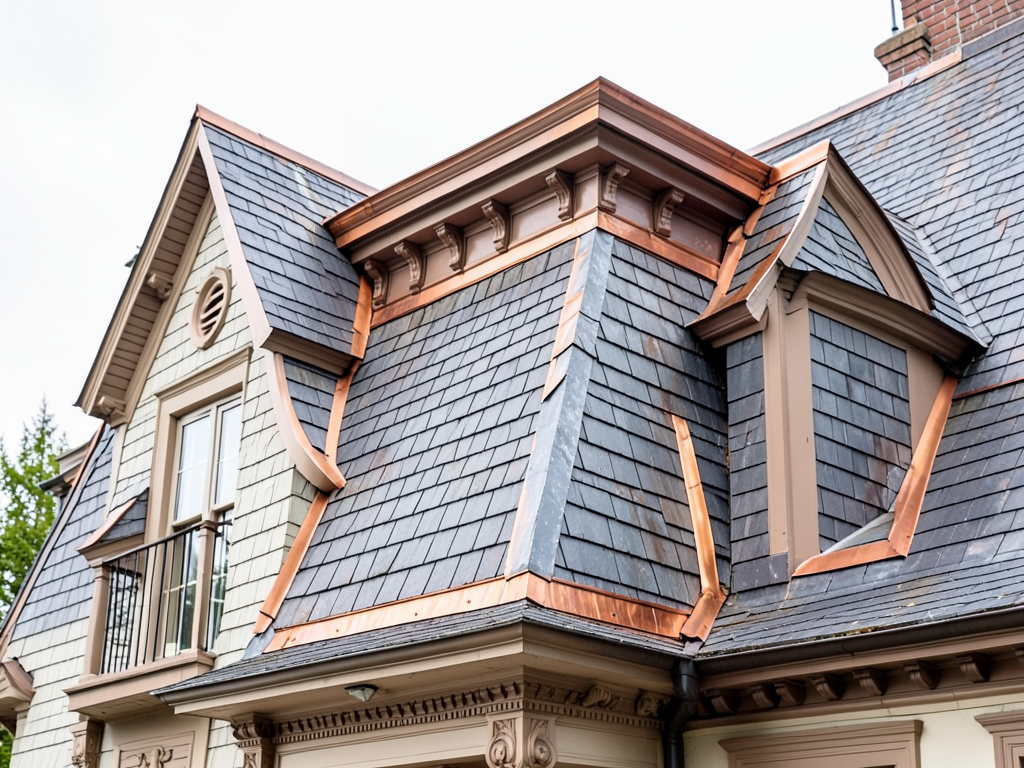
Diagram showing the two-pitch structure of a Mansard roof with labeled components including steep lower slope, flat upper deck, transition point, and decorative elements.
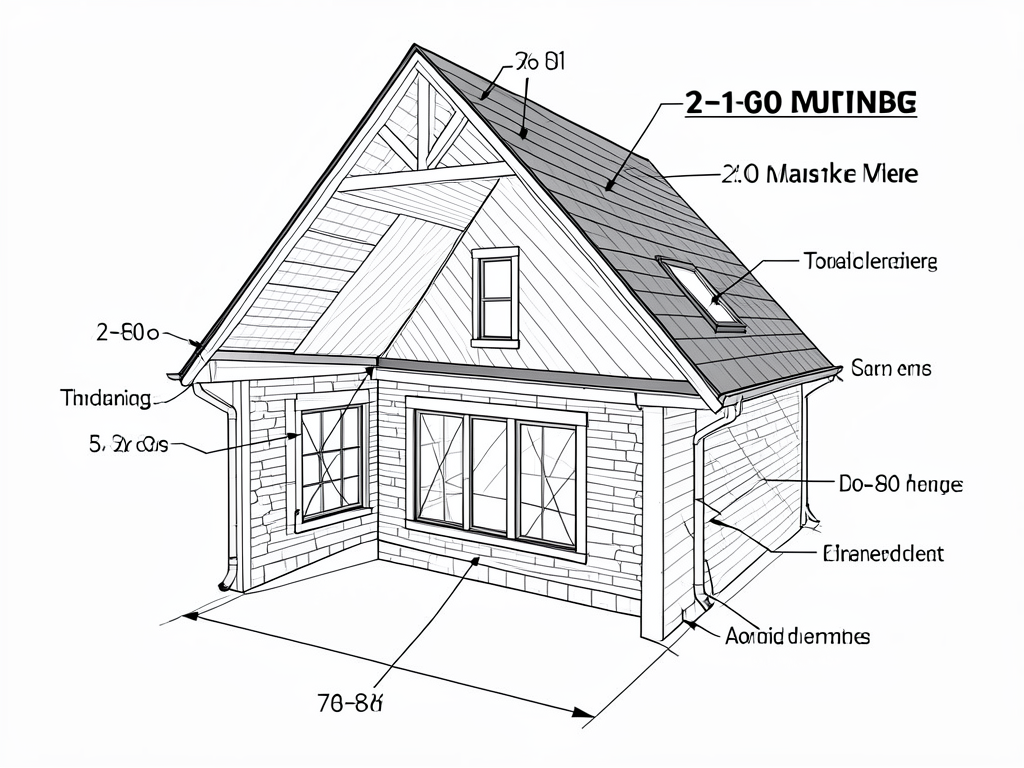
Photo of a Victorian home in Malden showing typical Mansard roof with copper flashing and slate tile patterns common to the area.
Close-up image of slate delamination and copper flashing deterioration at the critical transition point between pitches.
Protect Your Victorian Home’s Crown Jewel
Your Mansard roof represents both a significant architectural feature and a complex weather protection system that requires specialized knowledge to maintain properly. The combination of steep slate slopes and flat upper decks creates unique challenges that demand expertise in both historic preservation and modern roofing techniques. Understanding these specific requirements helps you make informed decisions about maintenance and repairs.
The investment in proper Mansard roof maintenance pays dividends through preserved property value, prevented water damage, and maintained historic character. Whether you need routine inspection, targeted repairs, or complete restoration, working with contractors who understand the specific requirements of Victorian architecture in Malden and Everett ensures your home receives the care it deserves.
Don’t wait for the next nor’easter to discover your roof’s vulnerabilities. Call (857) 387-1711 today to schedule your comprehensive Mansard roof inspection and protect your Victorian home’s architectural heritage for generations to come.
Pick up the phone and call (857) 387-1711 before the next storm hits. Our specialized team understands the unique requirements of Mansard roof maintenance and can help you preserve your home’s historic character while ensuring modern performance and protection.
You may also find this helpful. Ways to Block Out Logan Airport Engine Noise with Sound Dampening Roofing Materials.
{
“@context”: “https://schema.org”,
“@type”: “BlogPosting”,
“headline”: “Maintaining the Unique Mansard Roof on Your Victorian Home in Malden or Everett”,
“description”: “Expert guide to maintaining Mansard roofs on Victorian homes in Malden and Everett. Learn about slate repair, copper flashing, and historic preservation requirements.”,
“wordCount”: 2226,
“datePublished”: “2026-04-04T09:24:00.000Z”,
“dateModified”: “2026-04-04T09:24:00.000Z”,
“inLanguage”: “en-US”,
“mainEntityOfPage”: {
“@type”: “WebPage”,
“@id”: “https://silverlineroofingboston.com”
},
“publisher”: {
“@type”: “LocalBusiness”,
“name”: “Silverline Roofing Boston”,
“url”: “https://silverlineroofingboston.com”
},
“author”: {
“@type”: “Organization”,
“name”: “Silverline Roofing Boston”,
“url”: “https://silverlineroofingboston.com”
},
“image”: {
“@type”: “ImageObject”,
“url”: “https://silverlineroofingboston.com/wp-content/uploads/2026/03/maintaining-the-unique-mansard-roof-on-your-victor-1.png”
}
}
{
“@context”: “https://schema.org”,
“@type”: “RoofingContractor”,
“name”: “Silverline Roofing Boston”,
“url”: “https://silverlineroofingboston.com”,
“address”: {
“@type”: “PostalAddress”,
“addressLocality”: “Boston”
},
“areaServed”: {
“@type”: “City”,
“name”: “Boston”
}
}
{
“@context”: “https://schema.org”,
“@type”: “FAQPage”,
“mainEntity”: [
{
“@type”: “Question”,
“name”: “How often should a Mansard roof be inspected?”,
“acceptedAnswer”: {
“@type”: “Answer”,
“text”: “Professional inspection every two years is recommended for Mansard roofs, with additional checks after major storms. The complex geometry creates multiple potential failure points that require expert evaluation.”
}
},
{
“@type”: “Question”,
“name”: “Can I replace just the flat upper deck without touching the steep lower slope?”,
“acceptedAnswer”: {
“@type”: “Answer”,
“text”: “Yes, but the transition between the two sections must be carefully managed to prevent leaks. The flashing integration becomes critical when only partial replacement is performed.”
}
},
{
“@type”: “Question”,
“name”: “What’s the typical lifespan of a restored Mansard roof?”,
“acceptedAnswer”: {
“@type”: “Answer”,
“text”: “With proper maintenance, a professionally restored Mansard roof can last 50 to 75 years. The upper deck typically needs attention every 20 to 30 years, while the lower slope can last a century or more.”
}
},
{
“@type”: “Question”,
“name”: “How do I know if my Mansard roof needs restoration vs. repair?”,
“acceptedAnswer”: {
“@type”: “Answer”,
“text”: “If you’re experiencing multiple leak points, visible slate deterioration, or structural sagging, restoration is likely needed. Minor isolated damage typically requires only repair. A professional inspection can determine the extent of work required.”
}
}
]
}
{
“@context”: “https://schema.org”,
“@type”: “HowTo”,
“name”: “Mansard Roof Repair Process”,
“step”: [
{
“@type”: “HowToStep”,
“position”: 1,
“name”: “Historic Documentation”,
“text”: “Photograph existing conditions and document slate patterns before any work begins. This ensures accurate restoration of decorative elements.”
},
{
“@type”: “HowToStep”,
“position”: 2,
“name”: “Structural Assessment”,
“text”: “Evaluate the underlying framing for signs of rot or previous water damage that may compromise the repair process.”
},
{
“@type”: “HowToStep”,
“position”: 3,
“name”: “Material Matching”,
“text”: “Source slate that matches the color, thickness, and texture of existing tiles. Custom ordering may be necessary for historic accuracy.”
},
{
“@type”: “HowToStep”,
“position”: 4,
“name”: “Ice Barrier Installation”,
“text”: “Install self-adhering ice and water shield according to current code requirements while maintaining the roof’s historic appearance.”
},
{
“@type”: “HowToStep”,
“position”: 5,
“name”: “Flashing Integration”,
“text”: “Install new copper flashing that properly channels water away from the transition point between pitches.”
}
],
“image”: “https://silverlineroofingboston.com/wp-content/uploads/2026/03/maintaining-the-unique-mansard-roof-on-your-victor-1.png”
}
{
“@context”: “https://schema.org”,
“@type”: “BreadcrumbList”,
“itemListElement”: [
{
“@type”: “ListItem”,
“position”: 1,
“name”: “Home”,
“item”: “https://silverlineroofingboston.com”
},
{
“@type”: “ListItem”,
“position”: 2,
“name”: “Blog”,
“item”: “https://silverlineroofingboston.com/blog”
},
{
“@type”: “ListItem”,
“position”: 3,
“name”: “Maintaining the Unique Mansard Roof on Your Victorian Home in Malden or Everett”
}
]
}
{
“@context”: “https://schema.org”,
“@type”: “Service”,
“serviceType”: “Roofing”,
“provider”: {
“@type”: “LocalBusiness”,
“name”: “Silverline Roofing Boston”,
“url”: “https://silverlineroofingboston.com”
},
“areaServed”: {
“@type”: “City”,
“name”: “Boston”
},
“description”: “Expert guide to maintaining Mansard roofs on Victorian homes in Malden and Everett. Learn about slate repair, copper flashing, and historic preservation requirements.”
}