
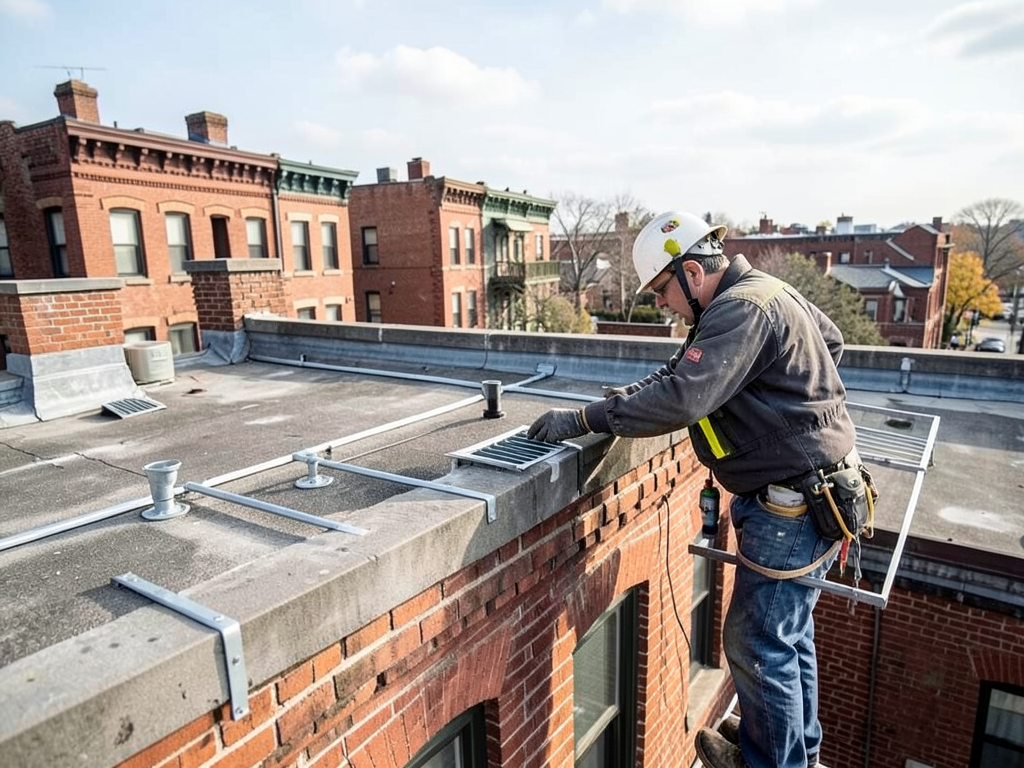
Managing the unique drainage challenges of narrow East Boston alleyways and rooflines
East Boston’s dense urban layout creates drainage problems that generic roofing advice cannot solve. The neighborhood’s narrow alleyways, historic triple-deckers, and coastal location combine to create a perfect storm of water management challenges. Flat roofs pond water faster than standard gutters can handle. Salt air corrodes metal components within years instead of decades. Ice dams form rapidly when harbor winds push freezing moisture against aging brick facades. Boston Inspectional Services Department.
Homeowners in Jeffries Point, Eagle Hill, and Orient Heights face drainage failures that cause foundation cracks, basement flooding, and interior water damage. The problem intensifies during nor’easters when 50-mile-per-hour winds drive rain sideways through gaps in aging flashing. Without proper drainage systems designed for East Boston’s specific conditions, water finds its way through every available crack.
Why East Boston’s architecture creates drainage nightmares
East Boston’s signature triple-deckers present the first major challenge. These three-story wood-frame buildings sit on narrow lots with minimal setbacks from property lines. Roof runoff has nowhere to go but straight down to ground level, where it pools against foundation walls. The flat or low-slope roofs common on these buildings lack the pitch needed for gravity drainage, creating ponding water that accelerates membrane deterioration.
Parapet walls surrounding many East Boston flat roofs compound the problem. Without proper scuppers or internal drains, water accumulates against these walls, finding entry points through deteriorated mortar joints or flashing failures. The freeze-thaw cycles common to Boston winters cause expansion cracks that widen each season.
Coastal salt exposure affects every drainage component. Standard aluminum gutters last 10-15 years in inland areas but may fail in 5-7 years in East Boston’s salt-laden air. Copper offers better resistance but costs significantly more. Stainless steel provides the longest lifespan but requires specialized installation skills and equipment. The Best Way to Keep Gutters Clog-Free in Wooded West Roxbury Neighborhoods.
Common drainage failures in East Boston buildings
Gutter overflow represents the most visible failure. When downspouts cannot handle roof runoff volume, water cascades over gutter edges, eroding soil around foundations and creating basement moisture problems. This becomes critical during heavy rainstorms when roof surfaces shed thousands of gallons per hour.
Scupper blockages cause flat roof flooding. These openings through parapet walls clog with leaves, debris, and ice. Once blocked, water backs up onto the roof surface, finding entry through seams, flashing, or membrane penetrations. The weight of standing water also stresses roof structures, potentially causing sagging or collapse.
Ice dam formation accelerates in East Boston’s microclimate. The harbor moderates temperatures, creating freeze-thaw cycles that produce ice layers thicker than inland areas. When snow melts during warm spells then refreezes at roof edges, water backs up under shingles, flashing, and siding. This water infiltration causes interior damage that remains hidden until walls show staining or paint blistering.
Foundation drainage failures occur when roof runoff saturates soil against basement walls. East Boston’s dense clay soils do not drain well, creating hydrostatic pressure that forces water through foundation cracks. This problem worsens when downspouts discharge near foundation walls instead of directing water away from the building.
East Boston drainage solutions that actually work
Scupper installation and maintenance provide the first line of defense for flat roofs. These through-wall drains must be sized correctly for roof area and positioned to prevent water accumulation against parapet walls. Regular cleaning prevents debris buildup that causes blockages. Installing oversized scuppers helps prevent ice dam formation by allowing faster drainage during freeze-thaw cycles.
Internal roof drains offer superior performance for large flat roof areas. These systems collect water through roof sumps and channel it through internal piping to ground level. While more expensive to install, they eliminate exterior components vulnerable to ice blockage and salt corrosion. The piping runs inside building walls, protected from weather damage.
Seamless gutter installation using marine-grade aluminum or copper extends system lifespan in coastal environments. The absence of seams eliminates leak points where corrosion typically begins. Proper hanger spacing prevents sagging that causes water pooling and overflow. Oversized downspouts handle higher flow rates during heavy rainstorms common to coastal Massachusetts. Massachusetts State Building Code 780 CMR.
Downspout extensions redirect roof runoff away from foundations. These devices extend discharge points 4-6 feet from building walls, preventing soil saturation near foundations. Underground drainage piping provides even better protection by carrying water to storm drains or dry wells away from the building footprint.
Ice and water shield installation under roofing materials prevents water infiltration from ice dams. This rubberized asphalt membrane creates a waterproof barrier that seals around nails and other penetrations. Massachusetts building code requires ice and water shield extending 24 inches inside exterior walls, but East Boston’s severe conditions may warrant extending coverage to 36 inches or more. Why Metal Roofing is Becoming a Top Choice for Coastal East Boston Homes.
Seasonal maintenance for East Boston properties
Spring maintenance addresses winter damage and prepares systems for summer storms. This includes cleaning gutters and downspouts, inspecting scuppers for debris, checking roof membranes for tears or punctures, and ensuring all drainage components function properly. Ice damage often becomes visible only after winter snow melts.
Summer inspections identify problems before fall storms arrive. This includes checking for rust on metal components, inspecting flashing seals, and ensuring downspout extensions remain properly positioned. Summer growth often clogs drainage systems with leaves and seeds that accumulate during spring months.
Fall preparation focuses on leaf removal and system cleaning. East Boston’s mature street trees drop leaves that quickly clog gutters and downspouts. Installing leaf guards helps but requires regular inspection to ensure they remain clear. Professional cleaning before winter prevents ice formation from trapped debris.
Winter monitoring becomes critical during nor’easters. Heavy snow loads stress roof structures while ice formation blocks drainage paths. Safe snow removal from roofs requires proper equipment and techniques to avoid damaging roofing materials. Never use sharp tools that could puncture membranes or scratch metal surfaces. The Best Roofing Strategies for Multi-Family Property Owners in Savin Hill.
Material selection for coastal durability
Aluminum gutters provide the best value for most East Boston properties. Marine-grade aluminum resists salt corrosion better than standard grades. Anodized finishes provide additional protection but increase costs. Aluminum’s light weight reduces structural loading compared to steel alternatives.
Copper gutters offer superior longevity in coastal environments. While initially expensive, copper develops a protective patina that resists corrosion. The material lasts 50+ years versus 15-20 years for aluminum. Copper also provides natural antimicrobial properties that help prevent algae and moss growth. Bringing Natural Light into Your South End Attic with Custom Skylights.
Stainless steel represents the premium option for maximum durability. Type 316 stainless steel offers excellent salt corrosion resistance but requires specialized tools and skills for installation. The material costs 2-3 times more than aluminum but may last the lifetime of the building.
Roof membrane selection affects drainage performance. EPDM rubber provides good durability and flexibility for flat roofs. TPO membranes offer better heat reflection and energy efficiency. PVC roofing provides superior chemical resistance for buildings near industrial areas or commercial properties with chemical exposures. Roofing Quincy.
Building code requirements for East Boston drainage
Boston Inspectional Services Department requires specific drainage components for all new construction and major renovations. Roof drainage must handle 100-year storm events, calculated at approximately 6 inches of rainfall per hour. Scuppers and internal drains must be sized according to roof area and local rainfall data.
Massachusetts State Building Code 780 CMR Section 1507.13 mandates ice barrier requirements for all roofs in Massachusetts. The code requires ice and water shield extending from roof edge to a point 24 inches inside the exterior wall line. East Boston’s severe winter conditions may warrant exceeding these minimums.
Stormwater management regulations affect drainage system design. Boston’s combined sewer system cannot handle roof runoff during heavy storms, requiring onsite retention or detention systems for larger buildings. This may include dry wells, rain gardens, or underground storage tanks to manage peak flow rates.
Historical district requirements may restrict visible drainage components on older buildings. Jeffries Point and other historic areas require approval from the Boston Landmarks Commission for exterior modifications. This may limit options for gutter replacement or require custom-fabricated components to match original profiles.
Emergency drainage issues during storms
Immediate response to drainage failures prevents extensive water damage. Common emergency situations include clogged downspouts causing gutter overflow, ice-blocked scuppers creating roof ponding, and frozen discharge pipes preventing proper drainage. Quick action minimizes interior damage and structural problems.
Emergency tarping provides temporary protection when drainage systems fail. This involves covering damaged areas with waterproof materials to prevent water entry until permanent repairs can be made. Proper tarp installation requires knowledge of wind loads and water flow patterns to ensure complete coverage.
Sump pump installation offers backup protection for properties with chronic drainage problems. These devices activate automatically when water reaches certain levels, pumping water away from the building. Battery backup systems ensure operation during power outages common during severe storms.
Emergency drainage clearing requires proper equipment and safety procedures. This includes using specialized tools to remove ice from scuppers without damaging roofing materials, clearing debris from downspouts without forcing blockages deeper into the system, and ensuring all drainage paths remain open during storms.
Cost factors for drainage improvements
System complexity affects project costs significantly. Simple gutter replacement on a single-family home might cost $1,500-3,000, while comprehensive drainage system installation on a multi-family building could exceed $15,000-25,000. Factors include roof size, number of stories, accessibility challenges, and material selections.
Material choices impact both initial costs and long-term maintenance expenses. Premium materials like copper or stainless steel cost more upfront but reduce replacement frequency. The total cost of ownership often favors higher-quality materials in coastal environments where replacement costs include demolition and disposal of failed components.
Building access affects labor costs for drainage projects. Narrow East Boston alleyways limit equipment access, requiring manual material handling that increases labor time. Multi-story buildings require scaffolding or lift equipment, adding rental costs and setup time. Historical buildings may require specialized techniques to preserve architectural features.
Permit requirements add administrative costs to drainage projects. Boston ISD permits typically cost $100-500 depending on project scope. Historical district approvals may require additional fees and extended review periods. Professional engineering stamps may be required for larger commercial projects, adding $500-2,000 to project costs.
Case studies from East Boston neighborhoods
A Jeffries Point triple-decker experienced chronic basement flooding due to inadequate downspout drainage. The property’s narrow lot prevented traditional downspout extensions, so we installed an underground drainage system connecting all roof drains to a single discharge point in the alley. This $8,200 project eliminated basement moisture problems and protected the building’s brick foundation.
An Eagle Hill commercial building faced liability concerns from sidewalk drainage issues. The flat roof’s original scuppers were undersized for the building area, causing overflow that created ice hazards on the sidewalk during winter. We replaced the system with oversized scuppers and added heat tracing to prevent ice formation, costing $12,500 but eliminating slip-and-fall risks.
A Maverick Square multi-family property needed emergency repairs after a nor’easter overwhelmed the drainage system. Ice blocked scuppers while wind-driven rain found entry through aging flashing. We performed emergency clearing, installed temporary heat cables, and designed a permanent solution with heated scuppers and improved roof pitch, totaling $18,000 for emergency response and upgrades.
Maintenance schedule for optimal performance
Quarterly inspections identify problems before they cause damage. Spring inspections check for winter damage, summer inspections monitor performance during heavy rainstorms, fall inspections prepare for leaf season, and winter inspections ensure ice prevention systems function properly. Each season presents different challenges requiring specific checks.
Bi-annual cleaning prevents debris accumulation that causes blockages. Spring cleaning removes winter debris and prepares systems for summer storms. Fall cleaning eliminates leaves and prepares for winter ice formation. Properties with heavy tree coverage may require more frequent cleaning.
Annual professional inspections catch problems homeowners miss. Professional roofers examine flashing seals, check membrane integrity, test drainage flow rates, and identify corrosion patterns indicating component failure. Early detection prevents emergency repairs and extends system lifespan.
Emergency response planning prepares properties for severe weather. This includes knowing how to shut off water to prevent freezing, having contact information for emergency services, and understanding basic troubleshooting steps for common problems. Properties with history of drainage failures benefit from preemptive measures before storm seasons.
Choosing the right contractor for drainage work
Experience with East Boston’s specific conditions matters more than general roofing experience. Contractors familiar with narrow alleyways, historic buildings, and coastal weather patterns understand the unique challenges these properties present. Ask for examples of similar projects in the neighborhood.
Proper licensing and insurance protect property owners from liability. Massachusetts requires roofing contractors to carry specific insurance coverage and maintain proper licensing through the Office of Consumer Affairs and Business Regulation. Verify credentials before hiring any contractor for drainage work.
Detailed proposals prevent misunderstandings about scope and costs. Professional contractors provide written estimates specifying materials, work scope, timeline, and payment terms. Avoid contractors who provide verbal estimates or refuse to put terms in writing.
References from local properties provide insight into contractor reliability. Contact previous customers to learn about work quality, cleanup procedures, and warranty service. East Boston’s tight-knit community often provides word-of-mouth recommendations for reliable contractors.
Frequently Asked Questions
How often should I clean my gutters in East Boston?
Properties in East Boston need gutter cleaning at least twice yearly, typically in late spring and late fall. Homes near mature trees may require quarterly cleaning to prevent debris accumulation that causes blockages and ice formation.
What’s the best material for gutters in coastal areas?
Copper offers the best longevity in coastal environments, lasting 50+ years versus 15-20 years for standard aluminum. Marine-grade aluminum provides good value with 20-30 year lifespan when properly maintained. Stainless steel offers maximum durability but requires specialized installation.
How can I prevent ice dams on my East Boston roof?
Preventing ice dams requires proper attic insulation, ventilation, and ice and water shield underlayment. Heated cables in gutters and downspouts help prevent ice formation. Proper drainage through adequate scuppers or internal drains prevents water backup that causes ice dams.
What building permits are required for drainage work?
Boston Inspectional Services requires permits for most drainage modifications, including gutter replacement, scupper installation, and roof drainage system changes. Historical district properties need additional approval from the Boston Landmarks Commission. Permit costs typically range from $100-500 depending on project scope.
How much does professional drainage system installation cost?
Costs vary widely based on building size, material selection, and system complexity. Simple gutter replacement on a single-family home costs $1,500-3,000. Comprehensive drainage system installation on multi-family buildings ranges from $8,000-25,000. Premium materials and historical building requirements increase costs.
Don’t wait for the next storm to discover your drainage system can’t handle East Boston’s unique challenges. Call (857) 387-1711 today to schedule a professional inspection and learn how we can protect your property from water damage. Our team understands the specific drainage needs of East Boston’s narrow alleyways and coastal weather patterns.
Pick up the phone and call (857) 387-1711 before the next storm hits. We provide emergency service when drainage failures threaten your property, with response times that protect your home or business from extensive water damage. East Boston’s drainage problems require local expertise – trust the team that understands your neighborhood’s specific needs.
{
“@context”: “https://schema.org”,
“@type”: “BlogPosting”,
“headline”: “Managing the unique drainage challenges of narrow East Boston alleyways and rooflines”,
“description”: “Expert East Boston drainage solutions for flat roofs, narrow alleys, and coastal weather. Learn about scuppers, ice dams, and salt-resistant materials to protect your property.”,
“wordCount”: 2556,
“datePublished”: “2026-06-07T06:28:00.000Z”,
“dateModified”: “2026-06-07T06:28:00.000Z”,
“inLanguage”: “en-US”,
“mainEntityOfPage”: {
“@type”: “WebPage”,
“@id”: “https://silverlineroofingboston.com”
},
“publisher”: {
“@type”: “LocalBusiness”,
“name”: “Silverline Roofing Boston”,
“url”: “https://silverlineroofingboston.com”
},
“author”: {
“@type”: “Organization”,
“name”: “Silverline Roofing Boston”,
“url”: “https://silverlineroofingboston.com”
},
“image”: {
“@type”: “ImageObject”,
“url”: “https://silverlineroofingboston.com/wp-content/uploads/2026/03/managing-the-unique-drainage-challenges-of-narrow-1.png”
}
}
{
“@context”: “https://schema.org”,
“@type”: “RoofingContractor”,
“name”: “Silverline Roofing Boston”,
“url”: “https://silverlineroofingboston.com”,
“address”: {
“@type”: “PostalAddress”,
“addressLocality”: “Boston”
},
“areaServed”: {
“@type”: “City”,
“name”: “Boston”
}
}
{
“@context”: “https://schema.org”,
“@type”: “FAQPage”,
“mainEntity”: [
{
“@type”: “Question”,
“name”: “How often should I clean my gutters in East Boston?”,
“acceptedAnswer”: {
“@type”: “Answer”,
“text”: “Properties in East Boston need gutter cleaning at least twice yearly, typically in late spring and late fall. Homes near mature trees may require quarterly cleaning to prevent debris accumulation that causes blockages and ice formation.”
}
},
{
“@type”: “Question”,
“name”: “What’s the best material for gutters in coastal areas?”,
“acceptedAnswer”: {
“@type”: “Answer”,
“text”: “Copper offers the best longevity in coastal environments, lasting 50+ years versus 15-20 years for standard aluminum. Marine-grade aluminum provides good value with 20-30 year lifespan when properly maintained. Stainless steel offers maximum durability but requires specialized installation.”
}
},
{
“@type”: “Question”,
“name”: “What building permits are required for drainage work?”,
“acceptedAnswer”: {
“@type”: “Answer”,
“text”: “Boston Inspectional Services requires permits for most drainage modifications, including gutter replacement, scupper installation, and roof drainage system changes. Historical district properties need additional approval from the Boston Landmarks Commission. Permit costs typically range from $100-500 depending on project scope.”
}
},
{
“@type”: “Question”,
“name”: “How much does professional drainage system installation cost?”,
“acceptedAnswer”: {
“@type”: “Answer”,
“text”: “Costs vary widely based on building size, material selection, and system complexity. Simple gutter replacement on a single-family home costs $1,500-3,000. Comprehensive drainage system installation on multi-family buildings ranges from $8,000-25,000. Premium materials and historical building requirements increase costs.”
}
}
]
}
{
“@context”: “https://schema.org”,
“@type”: “BreadcrumbList”,
“itemListElement”: [
{
“@type”: “ListItem”,
“position”: 1,
“name”: “Home”,
“item”: “https://silverlineroofingboston.com”
},
{
“@type”: “ListItem”,
“position”: 2,
“name”: “Blog”,
“item”: “https://silverlineroofingboston.com/blog”
},
{
“@type”: “ListItem”,
“position”: 3,
“name”: “Managing the unique drainage challenges of narrow East Boston alleyways and rooflines”
}
]
}
{
“@context”: “https://schema.org”,
“@type”: “Service”,
“serviceType”: “Roofing”,
“provider”: {
“@type”: “LocalBusiness”,
“name”: “Silverline Roofing Boston”,
“url”: “https://silverlineroofingboston.com”
},
“areaServed”: {
“@type”: “City”,
“name”: “Boston”
},
“description”: “Expert East Boston drainage solutions for flat roofs, narrow alleys, and coastal weather. Learn about scuppers, ice dams, and salt-resistant materials to protect your property.”
}