Navigating the strict historic roofing requirements for homes in Salem
Salem’s historic districts enforce some of Massachusetts’ most rigorous preservation guidelines for roofing work. Property owners must secure Salem Historical Commission approval before any roof replacement or major repair. Understanding these requirements prevents costly delays and ensures your home maintains its architectural integrity while meeting modern performance standards. Salem Historical Commission.
The Role of the Salem Historical Commission (SHC)
The Salem Historical Commission enforces preservation standards across multiple historic districts including McIntire, Derby Street, and Salem Common. The commission meets monthly to review Certificate of Appropriateness applications for exterior modifications. Property owners must submit detailed plans showing existing conditions and proposed materials before receiving approval for any roofing work. Why Metal Roofing is Becoming a Top Choice for Coastal East Boston Homes.
The SHC jurisdiction extends to all properties within designated historic districts regardless of individual designation status. Even if your home appears on the National Register of Historic Places, you still need SHC approval for visible exterior changes. The commission evaluates proposals based on the Secretary of the Interior’s Standards for Rehabilitation, which prioritize maintaining historic character while allowing necessary updates. Secretary of the Interior’s Standards.
Approved Materials for Salem Historic Districts
Natural slate remains the gold standard for historic roofing in Salem’s Federal and Colonial-era homes. The commission typically requires slate that matches the original thickness, color, and texture. Synthetic slate products face strict scrutiny and must demonstrate visual compatibility with existing materials. Some manufacturers like DaVinci and EcoStar produce composite slate that has received SHC approval when properly installed. Bringing Natural Light into Your South End Attic with Custom Skylights.
Wood shingles represent another approved material for historic applications. Cedar remains the preferred species due to its natural durability and authentic appearance. The commission specifies shake thickness and exposure patterns that align with the home’s architectural period. Modern wood treatments that improve fire resistance may require additional documentation to gain approval.. Read more about Comparing solar shingles and traditional panels for historic Cambridge rooftops.
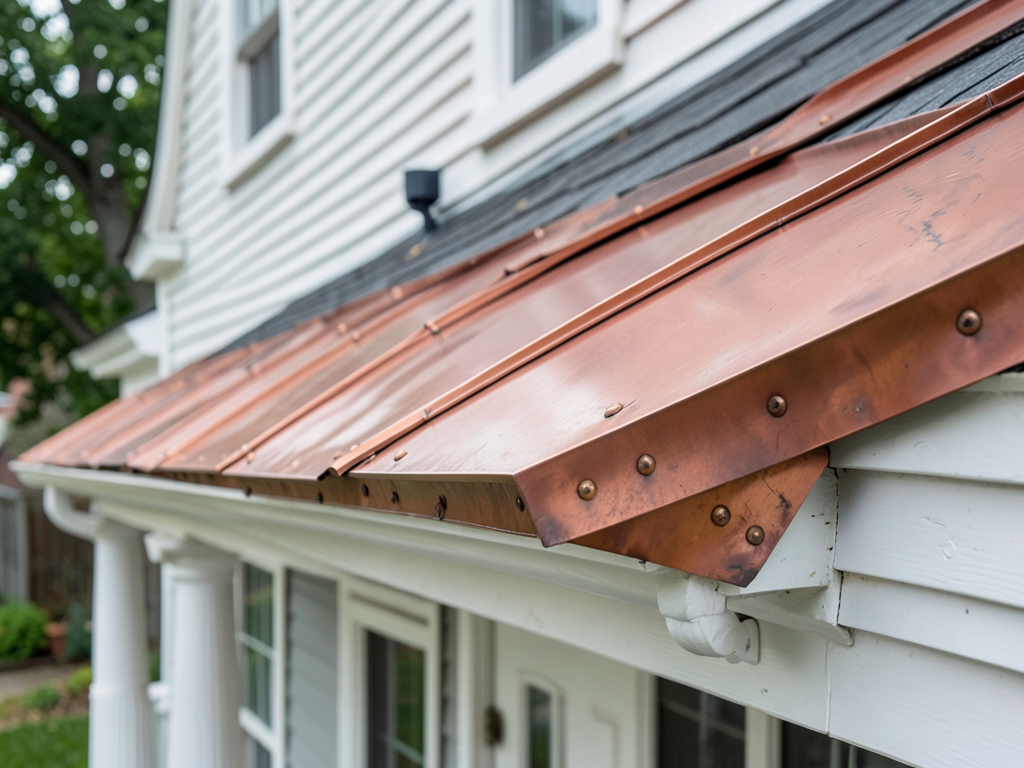
Copper roofing and flashing systems receive strong support from preservationists due to their longevity and authentic appearance on Federal-style homes. The natural patina that develops over time enhances the historic character rather than detracting from it. Copper valleys, ridge caps, and drip edges must match the original installation patterns when visible from public ways. The Best Roofing Strategies for Multi-Family Property Owners in Savin Hill.
The Certificate of Appropriateness Process
Obtaining a Certificate of Appropriateness requires submitting detailed documentation to the SHC. The application packet must include current photographs showing existing roof conditions, material samples for proposed replacements, and architectural drawings illustrating installation methods. Property owners should allow at least 30 days for review before scheduling any work.
The commission conducts public hearings where neighbors and preservation advocates can provide input on proposed changes. This transparency ensures community concerns receive consideration while maintaining consistent application of preservation standards. Most applications receive approval within 60 days if they demonstrate compatibility with the historic character.
Denied applications typically result from material choices that significantly alter the home’s appearance or installation methods that damage original structures. The commission provides specific feedback on deficiencies and allows resubmission after addressing concerns. Working with contractors experienced in historic preservation improves approval chances by ensuring proposals meet commission expectations.
Common Architectural Requirements for Historic Roofs
Copper flashing systems represent a non-negotiable requirement for many historic homes in Salem. The commission mandates copper for valleys, chimneys, and wall intersections due to its durability and authentic appearance. Modern alternatives like aluminum or galvanized steel rarely receive approval unless they match existing conditions exactly.
Ridge cap styles must align with the home’s architectural period. Federal-style homes typically require standing seam or half-round ridge caps, while Victorian homes may accommodate decorative ridge elements. The commission examines ridge details closely since they significantly impact the roof’s visual character from street level.
Gutter systems require careful consideration in historic districts. Half-round gutters with decorative brackets often receive preference over modern K-style gutters. The commission evaluates gutter profiles based on their visibility and compatibility with the home’s overall design. Downspout locations must avoid obscuring architectural details while maintaining proper drainage. The Best Way to Keep Gutters Clog-Free in Wooded West Roxbury Neighborhoods.
Salem Historic Districts Map & Boundaries
The McIntire Historic District encompasses approximately 407 buildings in downtown Salem, representing one of the largest Federal-era collections in the United States. This district includes Chestnut Street and surrounding areas where strict preservation standards apply to all visible exterior elements. Property owners within these boundaries must follow enhanced review procedures.
Derby Street Historic District focuses on the waterfront area with its concentration of Federal and Greek Revival homes. The commission pays particular attention to roof materials in this district due to the prominence of waterfront views. Synthetic materials face additional scrutiny here since the district’s historic character strongly influences Salem’s tourism economy.. Read more about Choosing roofing materials that can actually survive the salt air in Marblehead.
Salem Common District surrounds the central park area with its collection of Victorian and early 20th-century homes. This district allows slightly more flexibility in material choices while maintaining strict standards for color and installation patterns. The commission considers how roof replacements impact the district’s cohesive streetscape appearance.
Material Comparison for Historic Roofing
| Material Type | Approval Likelihood | Expected Lifespan | Visual Authenticity |
|---|---|---|---|
| Natural Slate | Very High | 75-100+ years | Excellent |
| Natural Wood Shakes | High | 30-50 years | Excellent |
| Copper Systems | Very High | 50-75 years | Excellent |
| Synthetic Slate | Low-Medium | 40-60 years | Good |
| Modern Asphalt | Very Low | 20-30 years | Poor |
On-Site Diagnostic Testing for Historic Roofs
Before submitting any application, conduct thorough on-site testing to document existing conditions. Use a moisture meter to detect water infiltration in attic spaces and along roof decking. Look for soft spots that indicate rot or structural damage beneath surface materials. Check flashing joints with a flashlight for signs of separation or corrosion.
Document the sound of walking on different roof sections. Hollow sounds often indicate delamination in slate or separation in wood shakes. Examine ridge cap alignment with a level to identify sagging that suggests underlying structural issues. Take detailed photographs of all visible damage including cracked slates, split shakes, and deteriorated flashing.
Test gutter systems during rainfall if possible. Observe water flow patterns and identify overflow points that indicate clogs or inadequate sizing. Measure existing gutter dimensions and note bracket spacing for accurate replacement specifications. Document downspout locations and drainage paths to ensure compliance with current building codes.
Salem Building Code Requirements
Salem Municipal Code Section 6.15.050 requires all roofing work in historic districts to maintain existing roof slopes and architectural features. The code mandates that replacement materials match original dimensions within 1/8 inch tolerance. Section 6.15.070 specifically addresses flashing requirements, stating that all exposed metal must be copper or approved historic-compatible material. Roofing Quincy.
Massachusetts State Building Code 780 CMR 36.00 governs roofing installation methods in historic districts. This code requires nail penetration depth testing to ensure proper fastening without damaging underlying structures. The code also specifies minimum overlap requirements for slate and wood materials that exceed standard installation practices. Massachusetts State Building Code 780 CMR.
Local Landmarks and Historic Context
The House of the Seven Gables at 54 Turner Street exemplifies Federal-era roofing with its original slate installation dating to 1668. The Peabody Essex Museum at 161 Essex Street maintains its copper roofing system installed during the 1993 expansion. These landmarks demonstrate the longevity of approved materials when properly maintained.
The Salem Maritime National Historic Site along Derby Street includes numerous Federal-style homes with original wood shingle roofing. These structures provide reference examples for material selection and installation patterns. The site’s preservation guidelines align with SHC requirements for maintaining historic character.
Salem Willows Park at 167 Fort Avenue features Victorian-era buildings that showcase appropriate ridge cap styles and decorative elements for later architectural periods. The park’s maintenance records provide valuable documentation of approved roofing materials and installation methods.
Call (857) 387-1711 today to schedule your inspection. Understanding Salem’s historic roofing requirements before starting your project saves time and prevents costly mistakes. Our team has extensive experience navigating the Salem Historical Commission approval process and can help ensure your roofing project meets all preservation standards.
Frequently Asked Questions
Do I need approval for minor roof repairs in a historic district?
Minor repairs like replacing individual shingles typically don’t require SHC approval. However, any work affecting more than 25% of the roof surface or involving visible flashing changes requires a Certificate of Appropriateness. When in doubt, consult with the commission before starting work.
How long does the approval process take?
The standard review process takes 30-60 days from application submission to final approval. Complex proposals or those requiring additional documentation may extend this timeline. Planning your project timeline should include this review period to avoid delays.
Can I use modern roofing materials that look historic?
Some synthetic materials receive approval when they demonstrate visual compatibility with original materials. The commission evaluates samples in person and may require mock-up installations for final approval. Success depends on matching color, texture, and installation patterns of historic materials.
What happens if I replace my roof without approval?
Unapproved roofing work can result in stop-work orders, fines, and mandatory removal of non-compliant materials. The commission may also require restoration to original conditions at the property owner’s expense. Working with approved materials from the start prevents these costly consequences.
Are there exceptions for emergency repairs?
Emergency repairs to prevent water damage may proceed without prior approval, but property owners must notify the SHC within 48 hours. The commission requires documentation of the emergency and may mandate restoration using approved materials once conditions stabilize.
Pick up the phone and call (857) 387-1711 before the next storm hits. Salem’s historic roofing requirements protect our architectural heritage while ensuring homes remain safe and functional. Our team understands the delicate balance between preservation and performance, helping you navigate the approval process with confidence.
{
“@context”: “https://schema.org”,
“@type”: “BlogPosting”,
“headline”: “Navigating the strict historic roofing requirements for homes in Salem”,
“description”: “Understanding Salem’s historic roofing requirements for homes in McIntire, Derby Street, and Salem Common districts. Learn about approved materials, SHC approval process, and preservation standards.”,
“wordCount”: 1632,
“datePublished”: “2026-05-17T12:31:00.000Z”,
“dateModified”: “2026-05-17T12:31:00.000Z”,
“inLanguage”: “en-US”,
“mainEntityOfPage”: {
“@type”: “WebPage”,
“@id”: “https://silverlineroofingboston.com”
},
“publisher”: {
“@type”: “LocalBusiness”,
“name”: “Silverline Roofing Boston”,
“url”: “https://silverlineroofingboston.com”
},
“author”: {
“@type”: “Organization”,
“name”: “Silverline Roofing Boston”,
“url”: “https://silverlineroofingboston.com”
},
“image”: {
“@type”: “ImageObject”,
“url”: “https://silverlineroofingboston.com/wp-content/uploads/2026/03/navigating-the-strict-historic-roofing-requirement-1.png”
}
}
{
“@context”: “https://schema.org”,
“@type”: “RoofingContractor”,
“name”: “Silverline Roofing Boston”,
“url”: “https://silverlineroofingboston.com”,
“address”: {
“@type”: “PostalAddress”,
“addressLocality”: “Boston”
},
“areaServed”: {
“@type”: “City”,
“name”: “Boston”
}
}
{
“@context”: “https://schema.org”,
“@type”: “FAQPage”,
“mainEntity”: [
{
“@type”: “Question”,
“name”: “Do I need approval for minor roof repairs in a historic district?”,
“acceptedAnswer”: {
“@type”: “Answer”,
“text”: “Minor repairs like replacing individual shingles typically don’t require SHC approval. However, any work affecting more than 25% of the roof surface or involving visible flashing changes requires a Certificate of Appropriateness. When in doubt, consult with the commission before starting work.”
}
},
{
“@type”: “Question”,
“name”: “How long does the approval process take?”,
“acceptedAnswer”: {
“@type”: “Answer”,
“text”: “The standard review process takes 30-60 days from application submission to final approval. Complex proposals or those requiring additional documentation may extend this timeline. Planning your project timeline should include this review period to avoid delays.”
}
},
{
“@type”: “Question”,
“name”: “Can I use modern roofing materials that look historic?”,
“acceptedAnswer”: {
“@type”: “Answer”,
“text”: “Some synthetic materials receive approval when they demonstrate visual compatibility with original materials. The commission evaluates samples in person and may require mock-up installations for final approval. Success depends on matching color, texture, and installation patterns of historic materials.”
}
},
{
“@type”: “Question”,
“name”: “What happens if I replace my roof without approval?”,
“acceptedAnswer”: {
“@type”: “Answer”,
“text”: “Unapproved roofing work can result in stop-work orders, fines, and mandatory removal of non-compliant materials. The commission may also require restoration to original conditions at the property owner’s expense. Working with approved materials from the start prevents these costly consequences.”
}
},
{
“@type”: “Question”,
“name”: “Are there exceptions for emergency repairs?”,
“acceptedAnswer”: {
“@type”: “Answer”,
“text”: “Emergency repairs to prevent water damage may proceed without prior approval, but property owners must notify the SHC within 48 hours. The commission requires documentation of the emergency and may mandate restoration using approved materials once conditions stabilize.”
}
}
]
}
{
“@context”: “https://schema.org”,
“@type”: “BreadcrumbList”,
“itemListElement”: [
{
“@type”: “ListItem”,
“position”: 1,
“name”: “Home”,
“item”: “https://silverlineroofingboston.com”
},
{
“@type”: “ListItem”,
“position”: 2,
“name”: “Blog”,
“item”: “https://silverlineroofingboston.com/blog”
},
{
“@type”: “ListItem”,
“position”: 3,
“name”: “Navigating the strict historic roofing requirements for homes in Salem”
}
]
}
{
“@context”: “https://schema.org”,
“@type”: “Service”,
“serviceType”: “Roofing”,
“provider”: {
“@type”: “LocalBusiness”,
“name”: “Silverline Roofing Boston”,
“url”: “https://silverlineroofingboston.com”
},
“areaServed”: {
“@type”: “City”,
“name”: “Boston”
},
“description”: “Understanding Salem’s historic roofing requirements for homes in McIntire, Derby Street, and Salem Common districts. Learn about approved materials, SHC approval process, and preservation standards.”
}