Reliable Commercial Roof Maintenance Programs for Boston Property Managers
Commercial property managers in Boston face unique challenges from New England’s harsh winters and coastal weather. A well-designed maintenance program prevents unexpected failures, extends roof life, and protects your investment. This guide covers the essential elements of reliable commercial roof maintenance specifically for Boston’s climate and building codes.
Why Boston Commercial Roofs Need Specialized Maintenance
Boston’s climate creates specific stress patterns on commercial roofing systems. Heavy snow loads can exceed 30 pounds per square foot during major storms. Freeze-thaw cycles cause expansion and contraction that weakens seams and flashings. Coastal salt air accelerates corrosion on metal components. These factors combine to create failure patterns unique to the region. Why Metal Roofing is Becoming a Top Choice for Coastal East Boston Homes.
Common Boston Commercial Roof Failure Patterns
Property managers report these issues most frequently:
- Ice dam formation at roof edges and around rooftop equipment
- Ponding water on flat roofs that doesn’t drain properly
- Membrane separation at seams and penetrations
- Corrosion of metal flashings and equipment supports
- Debris accumulation in drainage systems
Core Elements of a Reliable Maintenance Program
A comprehensive maintenance program addresses both prevention and early detection. The goal is to identify problems when they’re small and inexpensive to fix.
Scheduled Inspections
Regular inspections catch issues before they become emergencies. A typical schedule includes:
- Spring Inspection
Check for winter damage, ice dam effects, and drainage issues.
- Summer Assessment
Evaluate UV damage, membrane condition, and equipment mounting.
- Fall Preparation
Clean gutters, inspect flashings, and prepare for winter weather. The Best Way to Keep Gutters Clog-Free in Wooded West Roxbury Neighborhoods.
- Post-Storm Checks
Inspect after major weather events for immediate damage.
Documentation and Reporting
Professional maintenance programs include detailed documentation:
- Digital photographs of all inspected areas
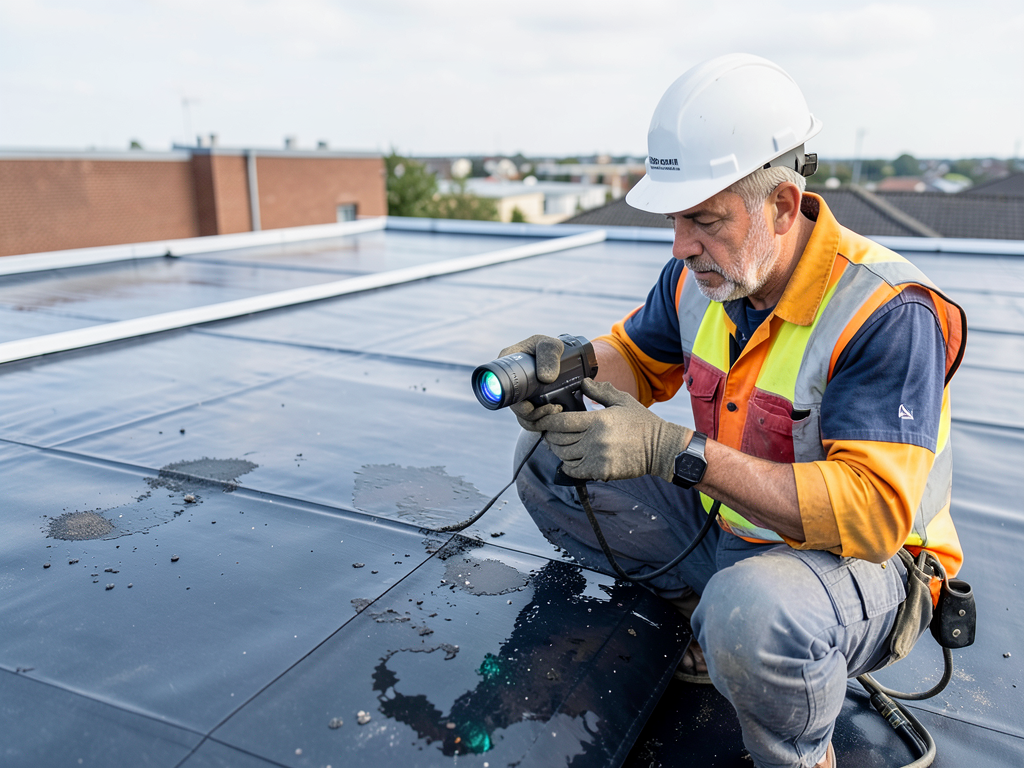
- Moisture readings from thermal imaging when appropriate
- Repair recommendations with priority levels
- Estimated costs for recommended work
- Roof condition assessment with projected remaining life
Emergency Response Planning
Even with excellent maintenance, emergencies happen. A good program includes:
- 24/7 contact information for emergency service
- Temporary leak containment procedures
- Insurance documentation requirements
- Priority response for critical facilities
Common Commercial Roofing Materials in Boston
Different materials require different maintenance approaches. Understanding your roof type helps you plan appropriate care.
| Material Type | Average Lifespan | Key Maintenance Needs | Boston Climate Considerations |
|---|---|---|---|
| TPO (Thermoplastic Polyolefin) | 20-30 years | Seam inspection, UV protection | Resists salt air, good flexibility in cold |
| EPDM (Ethylene Propylene Diene Monomer) | 25-30 years | Membrane integrity, sealant checks | Excellent cold weather performance |
| PVC (Polyvinyl Chloride) | 20-25 years | Welded seam inspection, chemical resistance | Good chemical resistance for urban areas |
| Modified Bitumen | 15-20 years | Surface coating, flashing inspection | Multiple layers provide redundancy |
| Metal Roofing | 40-60 years | Corrosion prevention, fastener checks | Requires special attention to coastal salt |
Boston Building Code Requirements for Commercial Roofs
Massachusetts building codes create specific requirements for commercial roofing. Compliance prevents violations and ensures proper installation. Massachusetts State Building Code (780 CMR).
Massachusetts State Building Code (780 CMR)
The state building code requires:
- Minimum R-value for roof insulation based on climate zone
- Ice barrier requirements extending 24 inches inside exterior walls
- Proper slope for drainage on low-slope roofs
- Fire ratings for certain building types
Section 1507.2.7 specifically addresses roofing materials and their installation requirements. The code references ASTM standards for material testing and performance. ASTM International roofing standards.
Energy Efficiency Requirements
Boston’s energy codes require:
- Cool roof materials for certain building types
- Proper insulation installation to prevent thermal bridging
- Energy-efficient roofing systems that meet current standards
Preventative Maintenance Checklist
Following a systematic checklist ensures nothing gets overlooked during maintenance visits. A Realistic Checklist for Your Next Boston Roof Inspection.
Exterior Inspection Items
- Membrane condition and surface wear
- Seams and joints for separation or damage
- Flashings around edges, penetrations, and equipment
- Drainage systems including gutters and downspouts
- Rooftop equipment mounting and penetrations
- Curb and wall conditions adjacent to roof
Interior Inspection Items
- Attic or ceiling spaces for water stains
- Insulation condition and moisture levels
- Ventilation effectiveness
- Structural members for signs of stress
Seasonal Maintenance Tasks
- Fall: Clear debris, inspect for winter readiness
- Winter: Monitor snow loads, check for ice dams
- Spring: Assess winter damage, clean drainage systems
- Summer: Check for UV damage, repair minor issues
Cost Benefits of Regular Maintenance
Property managers often ask about the return on investment for maintenance programs. The numbers are compelling.
| Maintenance Level | Annual Cost Range | Expected Roof Life | Cost Per Year of Service |
|---|---|---|---|
| No Maintenance | $0 | 12-15 years | $0.27 – $0.33 per sq ft |
| Basic Maintenance | $0.15 – $0.25 per sq ft | 18-22 years | $0.11 – $0.17 per sq ft |
| Comprehensive Program | $0.25 – $0.40 per sq ft | 25-30 years | $0.08 – $0.13 per sq ft |
A comprehensive program costs more annually but provides the lowest cost per year of service over the roof’s lifetime.
Emergency Response Procedures
Even with excellent maintenance, emergencies require quick action. Having procedures in place minimizes damage.
Emergency Leak Response
When a leak occurs:
- Contain the water with buckets or tarps
- Move sensitive equipment or inventory
- Document the leak with photos
- Call emergency service immediately
- Implement temporary repairs if possible
Snow Load Management
Boston’s heavy snow requires specific procedures:
- Monitor snow depth during storms
- Remove snow when loads approach design limits
- Clear around rooftop equipment for proper function
- Check for ice dam formation at edges
Technology in Modern Roof Maintenance
Modern technology improves maintenance effectiveness and documentation.
Thermal Imaging
Infrared cameras detect moisture beneath roof surfaces before visible damage appears. This technology identifies:
- Wet insulation areas
- Leaks hidden under roofing materials
- Areas of poor insulation
Digital Documentation
Modern maintenance programs use:
- Mobile apps for real-time reporting
- GPS tagging for exact location of issues
- Cloud storage for historical records
- Automated scheduling systems
Choosing a Maintenance Provider
Not all maintenance providers offer the same level of service. Look for these qualifications:
Essential Credentials
- Massachusetts Construction Supervisor License
- Manufacturer certifications for your roof type
- Proper insurance coverage
- Local references from similar properties
Service Quality Indicators
- Response time guarantees
- Detailed reporting practices
- Technician training programs
- Quality control procedures
Frequently Asked Questions
How often should commercial roofs be inspected?
Commercial roofs need at least two inspections per year, typically in spring and fall. Additional inspections are recommended after major storms or if problems are suspected.
What’s the average cost for a commercial roof maintenance program?
Costs vary by roof size and type, but typically range from $0.15 to $0.40 per square foot annually for comprehensive programs. Basic programs start around $0.10 per square foot.
Can maintenance prevent all roof problems?
No maintenance program can prevent all issues, but regular maintenance significantly reduces the likelihood of major failures and extends roof life by 5-10 years on average.
How do I know if my roof needs replacement instead of repair?
Multiple factors determine this decision: age of the roof, extent of damage, cost of repairs versus replacement, and remaining warranty coverage. A professional assessment can provide specific recommendations. 24/7 Emergency Roof Repair.
What should I do if I discover a leak?
Immediately contain the water, move any sensitive items, document the damage with photos, and contact your maintenance provider. Most offer 24/7 emergency service for situations like this.
Take Action to Protect Your Investment
Commercial roof maintenance isn’t optional in Boston’s climate. The cost of neglect far exceeds the investment in a proper maintenance program. Property managers who implement comprehensive maintenance see fewer emergencies, longer roof life, and better protection for their buildings and tenants.
Don’t wait for a major failure to realize the importance of maintenance. Schedule your professional inspection today and establish a maintenance program that protects your investment for years to come.
Call (857) 387-1711 today to schedule your inspection. Our experienced team understands Boston’s unique roofing challenges and can create a maintenance program tailored to your specific property needs. The Best Roofing Strategies for Multi-Family Property Owners in Savin Hill.
{
“@context”: “https://schema.org”,
“@type”: “BlogPosting”,
“headline”: “Reliable Commercial Roof Maintenance Programs for Boston Property Managers”,
“description”: “Prevent costly roof failures with Boston’s trusted commercial maintenance programs. 24/7 emergency service, expert inspections, and proven systems for Massachusetts buildings.”,
“wordCount”: 1304,
“datePublished”: “2026-02-21T10:33:00.000Z”,
“dateModified”: “2026-02-21T10:33:00.000Z”,
“inLanguage”: “en-US”,
“mainEntityOfPage”: {
“@type”: “WebPage”,
“@id”: “https://silverlineroofingboston.com”
},
“publisher”: {
“@type”: “LocalBusiness”,
“name”: “Silverline Roofing Boston”,
“url”: “https://silverlineroofingboston.com”
},
“author”: {
“@type”: “Organization”,
“name”: “Silverline Roofing Boston”,
“url”: “https://silverlineroofingboston.com”
},
“image”: {
“@type”: “ImageObject”,
“url”: “https://silverlineroofingboston.com/wp-content/uploads/2026/03/reliable-commercial-roof-maintenance-programs-for-1.png”
}
}
{
“@context”: “https://schema.org”,
“@type”: “RoofingContractor”,
“name”: “Silverline Roofing Boston”,
“url”: “https://silverlineroofingboston.com”,
“address”: {
“@type”: “PostalAddress”,
“addressLocality”: “Boston”
},
“areaServed”: {
“@type”: “City”,
“name”: “Boston”
}
}
{
“@context”: “https://schema.org”,
“@type”: “FAQPage”,
“mainEntity”: [
{
“@type”: “Question”,
“name”: “How often should commercial roofs be inspected?”,
“acceptedAnswer”: {
“@type”: “Answer”,
“text”: “Commercial roofs need at least two inspections per year, typically in spring and fall. Additional inspections are recommended after major storms or if problems are suspected.”
}
},
{
“@type”: “Question”,
“name”: “What’s the average cost for a commercial roof maintenance program?”,
“acceptedAnswer”: {
“@type”: “Answer”,
“text”: “Costs vary by roof size and type, but typically range from $0.15 to $0.40 per square foot annually for comprehensive programs. Basic programs start around $0.10 per square foot.”
}
},
{
“@type”: “Question”,
“name”: “Can maintenance prevent all roof problems?”,
“acceptedAnswer”: {
“@type”: “Answer”,
“text”: “No maintenance program can prevent all issues, but regular maintenance significantly reduces the likelihood of major failures and extends roof life by 5-10 years on average.”
}
},
{
“@type”: “Question”,
“name”: “What should I do if I discover a leak?”,
“acceptedAnswer”: {
“@type”: “Answer”,
“text”: “Immediately contain the water, move any sensitive items, document the damage with photos, and contact your maintenance provider. Most offer 24/7 emergency service for situations like this.”
}
}
]
}
{
“@context”: “https://schema.org”,
“@type”: “HowTo”,
“name”: “Commercial Roof Inspection Schedule”,
“step”: [
{
“@type”: “HowToStep”,
“position”: 1,
“name”: “Spring Inspection”,
“text”: “Check for winter damage, ice dam effects, and drainage issues.”
},
{
“@type”: “HowToStep”,
“position”: 2,
“name”: “Summer Assessment”,
“text”: “Evaluate UV damage, membrane condition, and equipment mounting.”
},
{
“@type”: “HowToStep”,
“position”: 3,
“name”: “Fall Preparation”,
“text”: “Clean gutters, inspect flashings, and prepare for winter weather. The Best Way to Keep Gutters Clog-Free in Wooded West Roxbury Neighborhoods.”
},
{
“@type”: “HowToStep”,
“position”: 4,
“name”: “Post-Storm Checks”,
“text”: “Inspect after major weather events for immediate damage.”
}
],
“image”: “https://silverlineroofingboston.com/wp-content/uploads/2026/03/reliable-commercial-roof-maintenance-programs-for-1.png”
}
{
“@context”: “https://schema.org”,
“@type”: “BreadcrumbList”,
“itemListElement”: [
{
“@type”: “ListItem”,
“position”: 1,
“name”: “Home”,
“item”: “https://silverlineroofingboston.com”
},
{
“@type”: “ListItem”,
“position”: 2,
“name”: “Blog”,
“item”: “https://silverlineroofingboston.com/blog”
},
{
“@type”: “ListItem”,
“position”: 3,
“name”: “Reliable Commercial Roof Maintenance Programs for Boston Property Managers”
}
]
}
{
“@context”: “https://schema.org”,
“@type”: “Service”,
“serviceType”: “Roofing”,
“provider”: {
“@type”: “LocalBusiness”,
“name”: “Silverline Roofing Boston”,
“url”: “https://silverlineroofingboston.com”
},
“areaServed”: {
“@type”: “City”,
“name”: “Boston”
},
“description”: “Prevent costly roof failures with Boston’s trusted commercial maintenance programs. 24/7 emergency service, expert inspections, and proven systems for Massachusetts buildings.”
}