
Restoring Historical Roofing on Back Bay Brownstones Without the Headache
Historic Back Bay brownstones demand specialized roofing expertise that goes beyond standard repairs. These Victorian-era homes along Commonwealth Avenue and Marlborough Street feature intricate slate tiles, ornate copper flashing, and interconnected flat roof decks that require both preservation knowledge and modern waterproofing techniques. Back Bay Architectural Commission.
Back Bay’s unique architectural character means every roofing project must navigate the Back Bay Architectural Commission (BBAC) guidelines while addressing the specific challenges of 19th-century construction. From ice dam prevention on steep slate pitches to maintaining the original character of decorative cornices, successful restoration requires understanding both historic preservation and New England’s harsh climate. Why Metal Roofing is Becoming a Top Choice for Coastal East Boston Homes.
The first step in any Back Bay roofing project involves a comprehensive assessment of the existing structure. Many brownstones feature original slate that’s lasted over a century but requires careful inspection for cracked tiles, deteriorated flashing, and compromised underlayment. The interconnected nature of Back Bay buildings means water damage in one unit can quickly affect neighboring properties, making proper drainage and flashing critical. The Best Roofing Strategies for Multi-Family Property Owners in Savin Hill.
Navigating BBAC approval requires detailed documentation of proposed materials and methods. The commission typically requires matching existing slate patterns, preserving copper gutters and downspouts, and maintaining the visual integrity of rooflines visible from Commonwealth Avenue Mall. This process can take 4-6 weeks but ensures your restoration meets historic preservation standards. The Best Way to Keep Gutters Clog-Free in Wooded West Roxbury Neighborhoods.
Understanding Back Bay’s Historic Roofing Materials
Slate remains the defining characteristic of Back Bay roofing. The original purple and green slate tiles installed in the 1870s-1890s require specialized handling during restoration. Unlike modern roofing materials, historic slate cannot be walked on directly and must be removed in sections to prevent cracking. Each tile is typically 16-20 inches long and weighs approximately 750 pounds per square, creating significant structural considerations. Roofing Quincy.
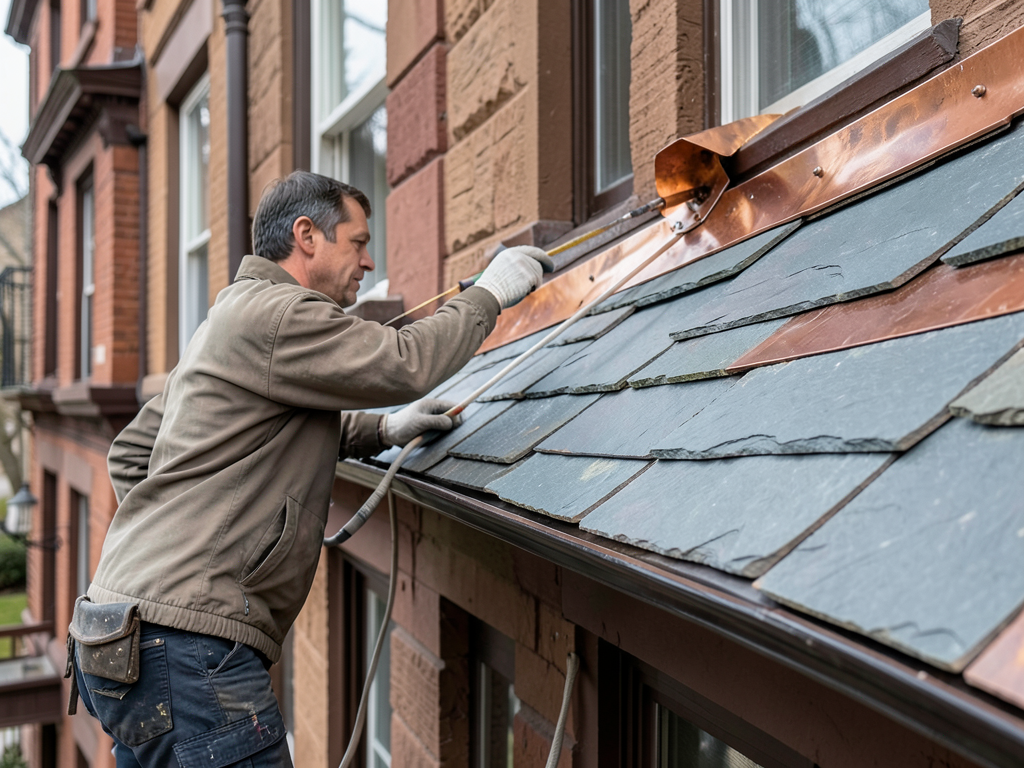
Copper flashing represents another critical element in Back Bay roofing systems. The original copper work develops a distinctive green patina over decades and must be carefully removed, cleaned, and reinstalled during restoration. Modern copper flashing should match the original gauge and profile to maintain both functionality and historic accuracy. The copper valleys, dormers, and chimney flashings require precise fitting to prevent water infiltration between units.
Interconnected flat roof decks present unique challenges in Back Bay brownstones. These shared spaces between buildings require coordination with multiple property owners and often involve complex drainage systems that channel water through internal downspouts. The original built-up roofing systems typically consisted of multiple layers of tar and gravel, which modern EPDM or TPO membranes must replicate in both function and appearance.
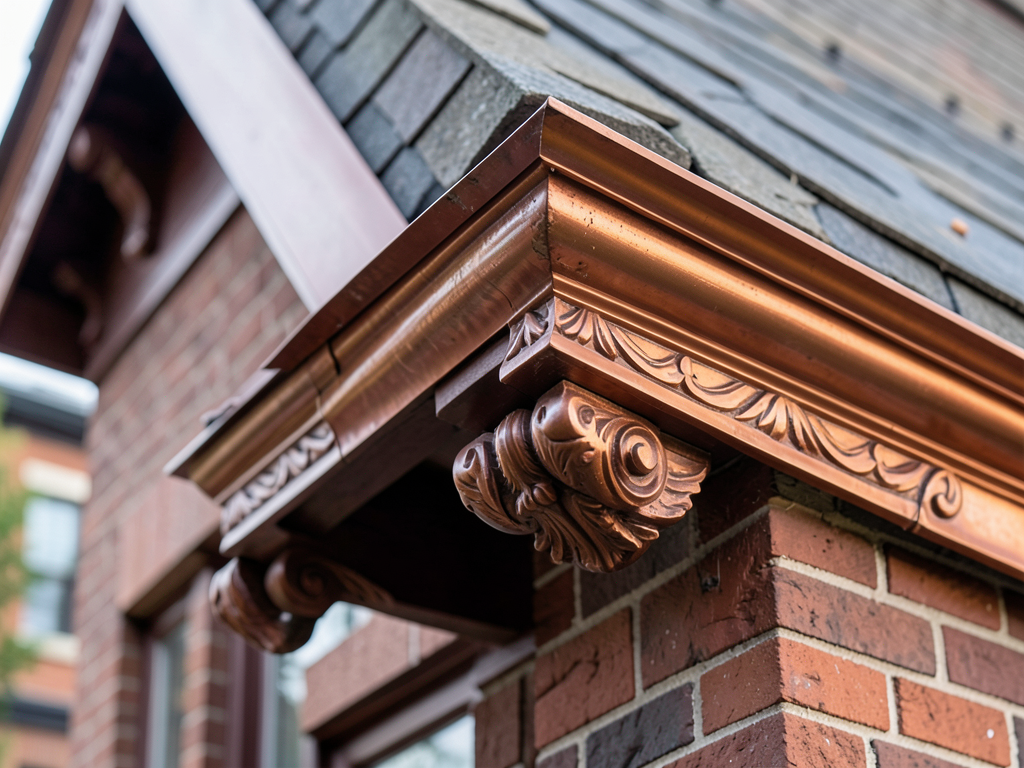
Ornamental elements including decorative cornices, dormer windows, and chimney caps require specialized restoration techniques. Many of these features contain lead-coated copper or cast iron components that have deteriorated over time. Restoration involves either careful repair of original elements or precise replication using modern materials that match the historic appearance.
BBAC Permit Process and Compliance Requirements
The Back Bay Architectural Commission reviews all exterior modifications to ensure they maintain the historic character of the district. For roofing projects, this means submitting detailed plans showing existing conditions, proposed materials, and how the work will preserve historic features. The commission meets monthly and typically requires 30-45 days for review and approval.
Key BBAC requirements include maintaining the original roof pitch, preserving visible slate patterns, and ensuring any new materials closely match the historic appearance. The commission particularly scrutinizes proposals that affect rooflines visible from public ways like Commonwealth Avenue or Beacon Street. They may require samples of proposed materials for review before granting approval.
Documentation requirements typically include: existing roof condition photos, material samples or specifications, contractor qualifications with historic restoration experience, and a timeline for completion. The commission may also require consultation with neighboring property owners if the work affects shared elements like flat roof decks or parapet walls.
Common compliance issues include using incorrect slate sizes, installing modern materials that alter the historic appearance, and failing to address interconnected drainage systems. Working with a contractor experienced in BBAC processes can prevent costly delays and ensure your project meets all requirements.
Modern Solutions for Historic Roofing Challenges
Contemporary roofing technology offers solutions that preserve historic character while improving performance. Modern underlayment systems provide superior waterproofing without altering the visible appearance of slate roofs. Ice and water shield applied to eaves and valleys prevents the ice dam formation common in Back Bay’s freeze-thaw cycles.
Ventilation improvements represent one area where modern upgrades significantly benefit historic structures. Original construction often lacked proper attic ventilation, leading to moisture problems and reduced energy efficiency. Installing discreet ventilation systems that maintain the building’s historic appearance can prevent ice dams and extend roof life.
Flat roof areas benefit from modern membrane technology that provides superior waterproofing while maintaining the low-profile appearance required in historic districts. EPDM and TPO membranes can be installed over existing surfaces with minimal visual impact, providing better protection against Back Bay’s heavy snowfall and coastal storms.
Chimney restoration presents particular challenges in historic brownstones. Original masonry often requires repointing with mortar matching the historic composition and color. Metal chimney caps and flashings must be custom-fabricated to match original profiles while providing modern weather protection.
Common Restoration Issues and Solutions
Ice dam formation represents one of the most common problems in Back Bay roofing. The combination of steep slate pitches and interconnected flat areas creates ideal conditions for ice buildup. Modern ice and water shield installation along eaves and in valleys prevents water backup under shingles, while improved attic insulation reduces heat loss that causes melting and refreezing.
Flashing deterioration affects most historic Back Bay roofs. Original copper flashing develops pinholes and separation at joints over decades of exposure. Restoration involves careful removal, cleaning, and repair of salvageable flashing, with new copper fabricated to match existing profiles. Lead-coated copper is often used for areas requiring additional durability.
Slate replacement requires matching both the size and color of existing tiles. Modern slate quarries can provide materials that closely match historic patterns, though some variation is inevitable due to natural stone characteristics. Replacement tiles are typically installed using copper nails and traditional techniques to ensure longevity and maintain historic accuracy. Bringing Natural Light into Your South End Attic with Custom Skylights.
Flat roof drainage issues often stem from interconnected systems that weren’t designed for modern precipitation levels. Restoration may involve upgrading internal downspouts, improving scupper drainage, and ensuring proper slope for water evacuation. These improvements must be coordinated with multiple property owners in interconnected buildings.
Cost Factors and Project Timeline
Historic Back Bay roofing restoration typically costs 30-50% more than standard roofing due to specialized materials, BBAC compliance requirements, and the need for experienced craftsmen. Slate roof restoration ranges from $1,500-2,500 per square, while copper flashing and ornamental work add significant costs based on complexity.
Project timelines vary based on scope and BBAC approval speed. Initial assessment and planning typically requires 2-3 weeks, followed by 4-6 weeks for BBAC approval. Actual restoration work for a typical brownstone roof takes 3-6 weeks depending on weather conditions and material availability. Complex projects involving multiple interconnected units may require 8-12 weeks.
Factors affecting cost include the extent of existing damage, the need for structural reinforcement, the complexity of ornamental elements, and whether neighboring properties must be involved in repairs. Emergency repairs to prevent water damage typically cost more due to the need for rapid response and temporary protection measures.
Insurance considerations play a significant role in Back Bay roofing projects. Many historic properties require specialized insurance coverage for restoration work, and some insurance companies offer premium discounts for using high-quality materials and experienced contractors in historic districts.
Choosing the Right Restoration Contractor
Selecting a contractor for Back Bay roofing restoration requires verifying specific experience with historic properties and BBAC compliance. Look for contractors who can provide references from similar projects in the Back Bay area, demonstrate knowledge of historic materials and techniques, and show proof of proper licensing and insurance for work in historic districts.
Key qualifications include Massachusetts Construction Supervisor License, experience with slate and copper roofing systems, and established relationships with BBAC reviewers. The contractor should provide detailed proposals showing how they’ll address both the technical requirements of the restoration and the historic preservation guidelines. Massachusetts State Building Code 780 CMR.
Communication throughout the project proves essential in historic restorations. The contractor should provide regular updates on BBAC compliance, coordinate with neighbors in interconnected buildings, and maintain a clean, safe worksite that respects the residential nature of Back Bay streets. They should also be prepared to handle unexpected issues common in historic structures.
Quality restoration contractors understand that Back Bay roofing isn’t just about preventing leaks—it’s about preserving architectural heritage. They approach each project with the respect for history that these Victorian-era homes deserve while applying modern techniques that ensure long-term performance.
Maintenance and Long-Term Care
Proper maintenance extends the life of historic roofing systems and prevents costly emergency repairs. Annual inspections should check for cracked or missing slate, deteriorated flashing, and signs of water infiltration in attic spaces. Back Bay’s freeze-thaw cycles particularly stress roofing materials, making regular maintenance essential.
Seasonal maintenance includes cleaning gutters and downspouts before winter to prevent ice dam formation, removing debris from flat roof areas, and checking flashing joints for separation. After major storms, inspect for damaged slate or displaced flashing that could lead to leaks. Early detection of problems prevents extensive water damage to historic interiors.
Professional maintenance should include cleaning copper flashing and gutters to prevent corrosion, treating slate to resist moss and algae growth, and ensuring proper attic ventilation. Many Back Bay buildings benefit from modern moisture monitoring systems that alert owners to developing problems before visible damage occurs.
Documentation of all maintenance and repairs helps track the condition of historic roofing systems over time. This information proves valuable for insurance purposes, potential property sales, and planning future restoration work. It also helps identify patterns of wear that may indicate underlying structural issues.
Emergency Response for Historic Roofing
Back Bay’s severe weather events can cause immediate damage to historic roofing systems. High winds can dislodge slate tiles, heavy snow loads can stress aging structures, and coastal storms can overwhelm drainage systems. Quick emergency response prevents extensive interior damage to these valuable properties.
Emergency procedures include temporary tarping to prevent water infiltration, immediate assessment of structural integrity, and coordination with BBAC for emergency repair approvals. Many historic properties require specialized emergency response teams familiar with both the technical aspects of restoration and the regulatory requirements of historic districts.
Common emergency situations include ice dam breaches during thaw cycles, wind damage to slate or flashing, and flat roof drainage failures during heavy rainfall. Each requires specific response techniques that protect both the building’s interior and its historic exterior features.
Prevention through regular maintenance reduces emergency situations, but having a plan for rapid response remains essential for Back Bay property owners. This includes maintaining contact information for experienced restoration contractors, understanding insurance coverage for emergency repairs, and knowing the BBAC emergency approval process.
Frequently Asked Questions
How long does BBAC approval take for roofing projects?
BBAC approval typically takes 4-6 weeks from submission to decision. Complex projects or those requiring neighbor consultation may take longer. Working with experienced contractors who understand BBAC requirements can help streamline the approval process.
Can I use modern materials on my historic Back Bay roof?
Yes, but they must closely match the appearance of historic materials. Modern underlayment, ice and water shield, and improved ventilation systems are often approved when they don’t alter the visible character of the roof. The key is maintaining the historic appearance while improving performance.
What makes Back Bay roofing more expensive than standard roofing?
Several factors increase costs: specialized materials like slate and copper, BBAC compliance requirements, the need for experienced craftsmen familiar with historic restoration, and the complexity of interconnected building systems. These factors typically add 30-50% to standard roofing costs.
How often should historic slate roofs be inspected?
Historic slate roofs should be professionally inspected annually, with additional checks after severe weather events. Regular maintenance inspections help identify problems early when repairs are less costly and prevent water damage to historic interiors.
Can I do my own repairs on a historic Back Bay roof?
DIY repairs on historic roofs are strongly discouraged. Slate and copper roofing require specialized skills and tools, and improper repairs can cause more damage. Additionally, BBAC approval is required for most exterior modifications, making professional contractors essential for compliance.
Protecting Your Back Bay Investment
Historic Back Bay brownstones represent significant architectural and financial investments that require specialized care. The combination of Victorian-era construction, BBAC regulations, and New England’s challenging climate creates unique roofing challenges that demand experienced professionals who understand both historic preservation and modern roofing technology.
Successful restoration balances preserving historic character with ensuring long-term performance. This means using traditional materials and techniques where appropriate while incorporating modern improvements that enhance durability and energy efficiency. The goal is a roof that protects your home while maintaining the architectural integrity that makes Back Bay special.
Whether you’re planning a complete restoration or need emergency repairs, choosing the right contractor makes all the difference. Look for experience with historic properties, proven BBAC compliance, and a commitment to preserving Back Bay’s architectural heritage while providing reliable protection for your home.
Call (857) 387-1711 today to schedule your Back Bay roofing assessment. Our team specializes in historic restoration and understands the unique requirements of Back Bay brownstones. Don’t wait until water damage compromises your home’s historic character—contact us now for expert evaluation and restoration planning.
Pick up the phone and call (857) 387-1711 before the next storm hits. Back Bay’s historic buildings deserve specialized care that only experienced restoration professionals can provide. Protect your investment and preserve your home’s architectural heritage with proper roofing restoration from Silverline Roofing Boston.
{
“@context”: “https://schema.org”,
“@type”: “BlogPosting”,
“headline”: “Restoring Historical Roofing on Back Bay Brownstones Without the Headache”,
“description”: “Expert Back Bay roofing restoration for historic brownstones. Navigate BBAC permits, copper flashing, and slate tile preservation with Silverline Roofing Boston.”,
“wordCount”: 2334,
“datePublished”: “2026-02-20T16:42:00.000Z”,
“dateModified”: “2026-02-20T16:42:00.000Z”,
“inLanguage”: “en-US”,
“mainEntityOfPage”: {
“@type”: “WebPage”,
“@id”: “https://silverlineroofingboston.com”
},
“publisher”: {
“@type”: “LocalBusiness”,
“name”: “Silverline Roofing Boston”,
“url”: “https://silverlineroofingboston.com”
},
“author”: {
“@type”: “Organization”,
“name”: “Silverline Roofing Boston”,
“url”: “https://silverlineroofingboston.com”
},
“image”: {
“@type”: “ImageObject”,
“url”: “https://silverlineroofingboston.com/wp-content/uploads/2026/03/restoring-historical-roofing-on-back-bay-brownston-1.png”
}
}
{
“@context”: “https://schema.org”,
“@type”: “RoofingContractor”,
“name”: “Silverline Roofing Boston”,
“url”: “https://silverlineroofingboston.com”,
“address”: {
“@type”: “PostalAddress”,
“addressLocality”: “Boston”
},
“areaServed”: {
“@type”: “City”,
“name”: “Boston”
}
}
{
“@context”: “https://schema.org”,
“@type”: “FAQPage”,
“mainEntity”: [
{
“@type”: “Question”,
“name”: “How long does BBAC approval take for roofing projects?”,
“acceptedAnswer”: {
“@type”: “Answer”,
“text”: “BBAC approval typically takes 4-6 weeks from submission to decision. Complex projects or those requiring neighbor consultation may take longer. Working with experienced contractors who understand BBAC requirements can help streamline the approval process.”
}
},
{
“@type”: “Question”,
“name”: “Can I use modern materials on my historic Back Bay roof?”,
“acceptedAnswer”: {
“@type”: “Answer”,
“text”: “Yes, but they must closely match the appearance of historic materials. Modern underlayment, ice and water shield, and improved ventilation systems are often approved when they don’t alter the visible character of the roof. The key is maintaining the historic appearance while improving performance.”
}
},
{
“@type”: “Question”,
“name”: “What makes Back Bay roofing more expensive than standard roofing?”,
“acceptedAnswer”: {
“@type”: “Answer”,
“text”: “Several factors increase costs: specialized materials like slate and copper, BBAC compliance requirements, the need for experienced craftsmen familiar with historic restoration, and the complexity of interconnected building systems. These factors typically add 30-50% to standard roofing costs.”
}
},
{
“@type”: “Question”,
“name”: “How often should historic slate roofs be inspected?”,
“acceptedAnswer”: {
“@type”: “Answer”,
“text”: “Historic slate roofs should be professionally inspected annually, with additional checks after severe weather events. Regular maintenance inspections help identify problems early when repairs are less costly and prevent water damage to historic interiors.”
}
},
{
“@type”: “Question”,
“name”: “Can I do my own repairs on a historic Back Bay roof?”,
“acceptedAnswer”: {
“@type”: “Answer”,
“text”: “DIY repairs on historic roofs are strongly discouraged. Slate and copper roofing require specialized skills and tools, and improper repairs can cause more damage. Additionally, BBAC approval is required for most exterior modifications, making professional contractors essential for compliance.”
}
}
]
}
{
“@context”: “https://schema.org”,
“@type”: “BreadcrumbList”,
“itemListElement”: [
{
“@type”: “ListItem”,
“position”: 1,
“name”: “Home”,
“item”: “https://silverlineroofingboston.com”
},
{
“@type”: “ListItem”,
“position”: 2,
“name”: “Blog”,
“item”: “https://silverlineroofingboston.com/blog”
},
{
“@type”: “ListItem”,
“position”: 3,
“name”: “Restoring Historical Roofing on Back Bay Brownstones Without the Headache”
}
]
}
{
“@context”: “https://schema.org”,
“@type”: “Service”,
“serviceType”: “Roofing”,
“provider”: {
“@type”: “LocalBusiness”,
“name”: “Silverline Roofing Boston”,
“url”: “https://silverlineroofingboston.com”
},
“areaServed”: {
“@type”: “City”,
“name”: “Boston”
},
“description”: “Expert Back Bay roofing restoration for historic brownstones. Navigate BBAC permits, copper flashing, and slate tile preservation with Silverline Roofing Boston.”
}