The Best Flat Roof Solutions for South Boston Triple-Deckers
South Boston’s iconic triple-deckers and row houses present unique flat roof challenges that require specialized solutions. The salty air from Boston Harbor, heavy snowfall, and dense urban layout create conditions where standard roofing approaches simply fail. This guide breaks down the best materials and methods for flat roof repair and replacement in Southie, helping property owners make informed decisions that protect their investment for decades. Why Metal Roofing is Becoming a Top Choice for Coastal East Boston Homes.
Understanding South Boston’s Flat Roof Architecture
South Boston’s housing stock consists primarily of early 20th-century triple-deckers and brick row houses. These buildings share common architectural features: low-slope or flat roofs, parapet walls, and often roof decks that add recreational space but complicate waterproofing. The shared parapet walls between adjacent buildings mean a leak in one unit can affect multiple neighbors, creating both technical and legal complications. The Best Roofing Strategies for Multi-Family Property Owners in Savin Hill.
The neighborhood’s proximity to Boston Harbor exposes roofs to salt spray and high winds during nor’easters. These conditions accelerate membrane degradation, particularly at seams and flashings. Additionally, many South Boston buildings sit on narrow lots with limited street access, making material delivery and equipment staging challenging during replacement projects.
Golden Nugget #1: South Boston’s triple-deckers typically have roof decks that sit directly on the membrane surface, unlike newer construction where decks are elevated. This creates a diagnostic challenge: finding the exact source of a leak often requires removing deck boards, as water can travel horizontally under the deck before dripping into living spaces.
Best Flat Roof Materials for South Boston’s Climate
Choosing the right membrane system is critical for South Boston’s harsh coastal environment. The material must withstand salt exposure, temperature swings from -10°F to 90°F, and the weight of heavy snow loads. Here are the three most reliable options:
| Material | Lifespan | Best For | South Boston Advantage |
|---|---|---|---|
| EPDM Rubber | 20-30 years | Residential triple-deckers | Seamless sheets reduce leak points |
| TPO Membrane | 15-25 years | Energy efficiency | Reflective surface reduces cooling costs |
| PVC Membrane | 20-30 years | Roof decks and restaurants | Chemical resistance to salt and grease |
Golden Nugget #2: TPO and PVC membranes contain UV inhibitors that are particularly valuable in South Boston, where the harbor’s reflective surface can increase UV exposure by up to 15% compared to inland areas. This extra protection translates to longer membrane life in coastal applications.
Common Causes of Flat Roof Leaks in South Boston
Flat roof leaks in South Boston follow predictable patterns based on the neighborhood’s specific conditions. Understanding these failure modes helps property owners identify problems early and choose the right repair approach. 24/7 Emergency Roof Repair.
Ponding Water Issues: South Boston’s flat roofs often develop low spots where water collects after rain or snow melt. Standing water accelerates membrane deterioration and can lead to structural damage if left unaddressed. The problem is compounded by roof decks that prevent natural water flow to drains.
Parapet Wall Failures: The shared parapet walls between triple-deckers create unique vulnerabilities. Mortar joints between bricks deteriorate faster in salt air, allowing water to penetrate behind flashings. When this happens, water can travel horizontally through the wall cavity before appearing as a ceiling stain several rooms away.
Drainage System Clogs: South Boston’s mature trees drop leaves and debris that clog roof drains and scuppers. During heavy rains, this backup can cause water to rise above the membrane level, testing seals and finding entry points through even minor defects.
Golden Nugget #3: The Massachusetts State Building Code (780 CMR) requires a minimum 2% slope for flat roofs to ensure proper drainage. However, many South Boston buildings built before this requirement have zero slope, making them particularly vulnerable to ponding issues that modern codes would prevent.
Flat Roof Repair Process: From Inspection to Sealant
Professional flat roof repair follows a systematic process that begins with accurate diagnosis. Here’s what property owners should expect when hiring a contractor for flat roof work in South Boston.
- Comprehensive Inspection
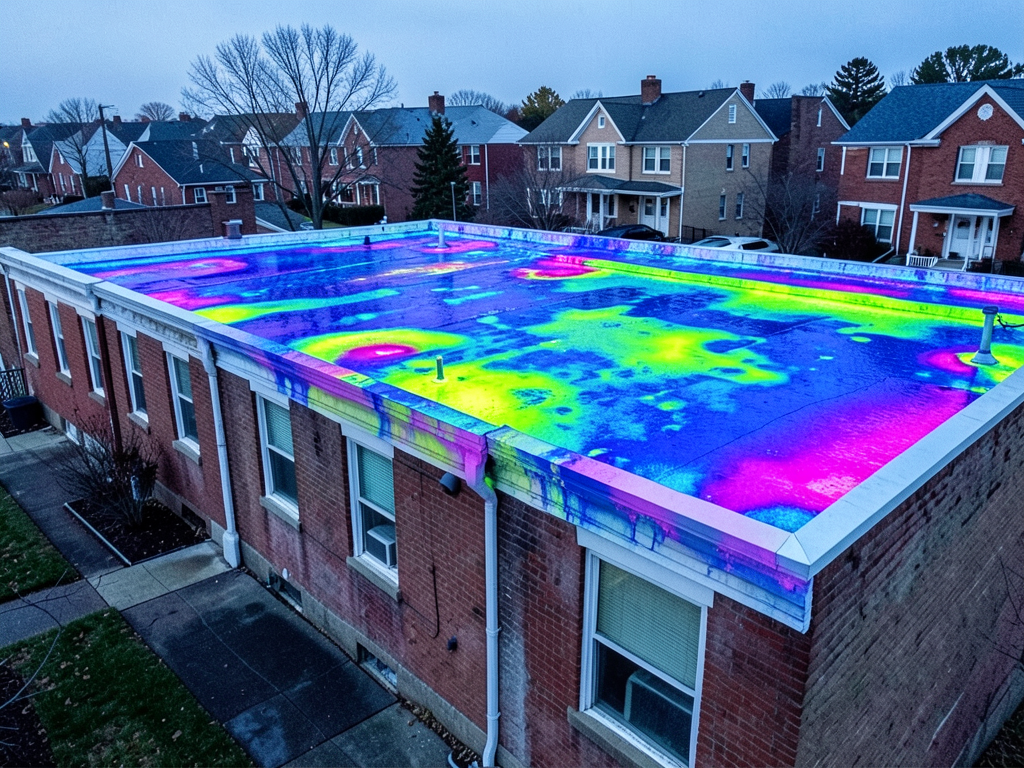
Using thermal imaging and moisture meters, technicians map the extent of water intrusion. In South Boston’s older buildings, this often reveals hidden damage behind parapet walls that isn’t visible from the roof surface.
- Material Testing
Before repairs begin, the existing membrane type must be identified. EPDM, TPO, and PVC require different adhesives and cannot be mixed without creating failure points.
- Deck Assessment
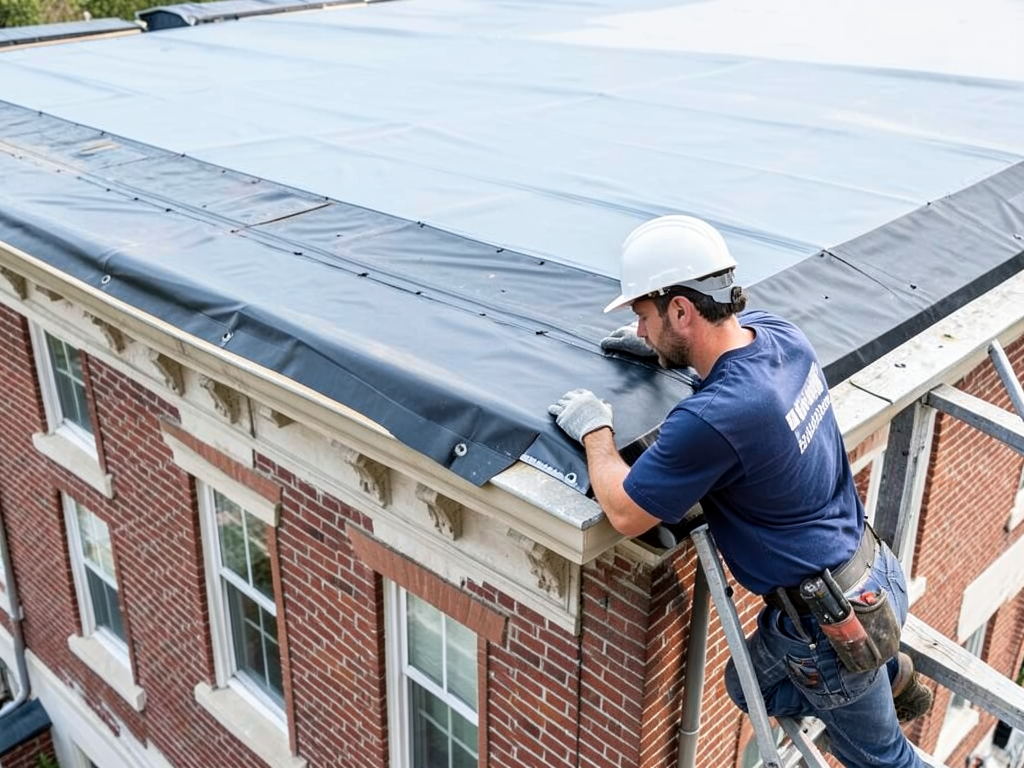
Roof decks must be removed to access the membrane beneath. This step often reveals additional damage to the substrate that wasn’t apparent during the initial inspection.
- Parapet Repair
Flashing at parapet walls receives special attention. In South Boston, this often involves repointing mortar joints and installing new counter-flashing to prevent future water infiltration.
- Membrane Installation
New material is installed according to manufacturer specifications, with particular attention to seams and penetrations where leaks commonly develop.
Diagnostic Language Example: During inspection, technicians use a non-penetrating moisture meter to scan the roof deck. Areas showing elevated moisture readings feel slightly cooler to the touch and may have a spongy texture underfoot. These readings guide the repair scope, preventing unnecessary replacement of undamaged sections.
South Boston ISD Permitting for Flat Roof Projects
South Boston falls under Boston’s Inspectional Services Department (ISD) jurisdiction. Understanding local permitting requirements prevents costly delays and ensures compliance with current building codes. Tile Roofing Services.
Permit Requirements: Any flat roof replacement exceeding 100 square feet requires a building permit from ISD. This includes tear-off and complete re-roofing. Simple repairs using the existing membrane type may qualify for a minor permit exemption, but this determination must be made by a licensed contractor.
Historic District Considerations: Parts of South Boston, particularly around Andrew Square and West Broadway, fall within historic districts. Exterior modifications, including roof replacements, may require additional approval from the Boston Landmarks Commission. This process can add 2-4 weeks to project timelines.
Street Use Permits: South Boston’s narrow streets often require temporary no-parking signs for material delivery and equipment staging. These permits must be obtained from the city’s Public Works Department at least one week before work begins. Failure to secure proper permits can result in work stoppages and fines.
Emergency 24/7 Roof Repair Services in South Boston
Flat roof emergencies in South Boston require immediate attention, particularly during nor’easters or when ice dams threaten structural integrity. Quick response prevents interior damage and reduces repair costs.
Common Emergency Scenarios: During heavy rain, clogged drains can cause water to rise above the membrane level within 30 minutes. In winter, ice dams form when melting snow refreezes at roof edges, creating barriers that force water under flashings. Both situations require immediate intervention to prevent interior flooding.
Emergency Response Protocol: Upon receiving a call, technicians first assess whether the situation poses immediate safety risks. If structural collapse is possible, the building may need evacuation before repairs begin. For less urgent leaks, temporary measures like roof tarps can be installed within 2-4 hours of the initial call.
Insurance Considerations: Most homeowner’s insurance policies cover sudden roof damage but may exclude damage from lack of maintenance. Documenting emergency repairs with photos and professional assessments strengthens insurance claims and helps prevent coverage disputes.
Call to Action: Don’t wait for a small leak to become a major problem. Call (857) 387-1711 today to schedule your inspection before the next storm hits. Our team understands South Boston’s unique roofing challenges and provides solutions that last.
Ice Dam Prevention for Flat Roof Surfaces
While ice dams are more commonly associated with sloped roofs, South Boston’s flat roofs face unique winter challenges. Understanding these risks helps property owners implement effective prevention strategies.
Heat Loss Patterns: Many South Boston triple-deckers have inadequate attic insulation, allowing heat to escape through the roof deck. This creates melt-freeze cycles where snow melts from underneath, then refreezes at the colder roof edges. The resulting ice buildup can damage flashings and create entry points for water.
Ventilation Solutions: Proper roof ventilation equalizes temperature across the roof surface, preventing the melt-freeze cycle. For flat roofs, this often means installing intake vents along the roof edge and exhaust vents near the top of parapet walls. The goal is to maintain a uniform temperature that keeps snow frozen until it can safely melt and drain.
Deicing Systems: Electric heat cables installed in roof valleys and around drains prevent ice formation in critical areas. These systems activate automatically when temperatures drop below freezing, providing continuous protection throughout the winter months.
Tapered Insulation for Standing Water Issues
Many South Boston buildings lack the 2% slope required by current building codes. Tapered insulation systems provide a cost-effective solution that improves drainage without major structural modifications.
How Tapered Insulation Works: This system uses foam panels cut at specific angles to create a gradual slope toward drains or scuppers. A typical installation might use 1/4 inch of fall per foot, creating enough slope to move water while remaining nearly invisible from ground level.
Installation Considerations: Tapered insulation adds approximately 2-3 inches to roof height, which may affect door clearances and roof deck heights. In South Boston’s dense neighborhoods, this height increase must be carefully planned to avoid conflicts with adjacent buildings and meet setback requirements.
Energy Benefits: Beyond improving drainage, tapered insulation adds R-value to the roof assembly, reducing heating costs in winter and cooling costs in summer. The energy savings often offset the installation cost within 5-7 years.
Cost Factors for Flat Roof Replacement in South Boston
Understanding the cost drivers for flat roof replacement helps property owners budget appropriately and avoid surprises during the project.
Material Costs: EPDM rubber typically costs $5-7 per square foot installed, while TPO and PVC membranes range from $6-9 per square foot. Premium materials with longer warranties cost more upfront but often provide better long-term value in South Boston’s harsh coastal environment.
Labor Factors: South Boston’s dense layout increases labor costs due to limited parking, material staging challenges, and the need for specialized equipment like cranes for parapet work. Projects in historic districts may also require additional coordination with city agencies, adding to overall costs.
Deck Removal Costs: If your building has a roof deck, removal and reinstallation typically adds $3-5 per square foot to the project cost. This step is essential for proper membrane installation but significantly impacts the total budget.
Long-term Value: While premium materials cost more initially, they often prove more economical over time. A high-quality PVC membrane might cost 30% more than basic EPDM but could last twice as long in South Boston’s coastal conditions.
Call to Action: Ready to protect your South Boston property with a durable, weather-resistant flat roof? Call (857) 387-1711 today to schedule your free consultation. We’ll assess your specific needs and provide a detailed proposal with no hidden costs.
Maintenance Contracts for South Boston Flat Roofs
Preventive maintenance extends roof life and prevents costly emergency repairs. For South Boston’s flat roofs, a structured maintenance program is particularly valuable given the challenging coastal environment.
Seasonal Inspection Schedule: Spring inspections identify winter damage from ice dams and nor’easters. Fall inspections prepare roofs for winter by clearing drains and checking flashings. Quarterly checks during the shoulder seasons catch developing issues before they become emergencies.
Maintenance Tasks: Professional maintenance includes clearing debris from drains and scuppers, inspecting and resealing flashings, checking for membrane shrinkage or splitting, and assessing the condition of roof deck components. These tasks prevent minor issues from escalating into major repairs.
Cost Benefits: Regular maintenance typically costs 1-2% of the roof’s replacement value annually. This investment often prevents repairs that would cost 10-15% of replacement value, making maintenance a smart financial decision for property owners.
Frequently Asked Questions
How long does a flat roof replacement take in South Boston?
Most residential flat roof replacements in South Boston take 3-5 days, depending on weather conditions and the complexity of parapet work. Historic district approvals can add 2-4 weeks to the overall timeline.
Can I install a new membrane over my existing flat roof?
Roof recover (installing new membrane over old) is sometimes possible but often not recommended in South Boston due to weight restrictions and the need to address underlying issues like poor drainage or damaged substrate.
What’s the best flat roof material for a roof deck in South Boston?
PVC membrane offers the best combination of durability, chemical resistance, and warranty options for roof decks. Its resistance to salt air and ability to withstand foot traffic makes it ideal for South Boston’s roof deck culture.
How often should I inspect my South Boston flat roof?
Professional inspections should occur at least twice yearly, with additional checks after major storms. Property owners should also perform visual checks quarterly to identify developing issues early.
Does my South Boston flat roof need ice and water shield?
Yes, Massachusetts building code requires ice and water shield extending at least 24 inches inside the exterior wall line. This protection is particularly important in South Boston due to the freeze-thaw cycles common in coastal areas.
Additional Resources
For more information about South Boston’s building requirements, visit the Boston Inspectional Services Department website. You can also learn about coastal construction best practices from the EPA’s Green Infrastructure resources.
Final Call to Action: South Boston’s unique architecture and coastal climate demand roofing expertise that only local professionals can provide. Call (857) 387-1711 now to schedule your comprehensive flat roof assessment. We’ll help you choose the right solution for your triple-decker or row house, ensuring decades of protection against Boston’s toughest weather.
{
“@context”: “https://schema.org”,
“@type”: “BlogPosting”,
“headline”: “The Best Flat Roof Solutions for South Boston Triple-Deckers”,
“description”: “Discover the best flat roof solutions for South Boston’s iconic triple-deckers. Learn about EPDM, TPO, and PVC options, plus local permitting and drainage challenges.”,
“wordCount”: 2238,
“datePublished”: “2026-02-15T09:07:00.000Z”,
“dateModified”: “2026-02-15T09:07:00.000Z”,
“inLanguage”: “en-US”,
“mainEntityOfPage”: {
“@type”: “WebPage”,
“@id”: “https://silverlineroofingboston.com”
},
“publisher”: {
“@type”: “LocalBusiness”,
“name”: “Silverline Roofing Boston”,
“url”: “https://silverlineroofingboston.com”
},
“author”: {
“@type”: “Organization”,
“name”: “Silverline Roofing Boston”,
“url”: “https://silverlineroofingboston.com”
},
“image”: {
“@type”: “ImageObject”,
“url”: “https://silverlineroofingboston.com/wp-content/uploads/2026/03/the-best-flat-roof-solutions-for-south-boston-trip-1.png”
}
}
{
“@context”: “https://schema.org”,
“@type”: “RoofingContractor”,
“name”: “Silverline Roofing Boston”,
“url”: “https://silverlineroofingboston.com”,
“address”: {
“@type”: “PostalAddress”,
“addressLocality”: “Boston”
},
“areaServed”: {
“@type”: “City”,
“name”: “Boston”
}
}
{
“@context”: “https://schema.org”,
“@type”: “FAQPage”,
“mainEntity”: [
{
“@type”: “Question”,
“name”: “How long does a flat roof replacement take in South Boston?”,
“acceptedAnswer”: {
“@type”: “Answer”,
“text”: “Most residential flat roof replacements in South Boston take 3-5 days, depending on weather conditions and the complexity of parapet work. Historic district approvals can add 2-4 weeks to the overall timeline.”
}
},
{
“@type”: “Question”,
“name”: “Can I install a new membrane over my existing flat roof?”,
“acceptedAnswer”: {
“@type”: “Answer”,
“text”: “Roof recover (installing new membrane over old) is sometimes possible but often not recommended in South Boston due to weight restrictions and the need to address underlying issues like poor drainage or damaged substrate.”
}
},
{
“@type”: “Question”,
“name”: “What’s the best flat roof material for a roof deck in South Boston?”,
“acceptedAnswer”: {
“@type”: “Answer”,
“text”: “PVC membrane offers the best combination of durability, chemical resistance, and warranty options for roof decks. Its resistance to salt air and ability to withstand foot traffic makes it ideal for South Boston’s roof deck culture.”
}
},
{
“@type”: “Question”,
“name”: “How often should I inspect my South Boston flat roof?”,
“acceptedAnswer”: {
“@type”: “Answer”,
“text”: “Professional inspections should occur at least twice yearly, with additional checks after major storms. Property owners should also perform visual checks quarterly to identify developing issues early.”
}
},
{
“@type”: “Question”,
“name”: “Does my South Boston flat roof need ice and water shield?”,
“acceptedAnswer”: {
“@type”: “Answer”,
“text”: “Yes, Massachusetts building code requires ice and water shield extending at least 24 inches inside the exterior wall line. This protection is particularly important in South Boston due to the freeze-thaw cycles common in coastal areas.”
}
}
]
}
{
“@context”: “https://schema.org”,
“@type”: “HowTo”,
“name”: “Flat Roof Repair Process”,
“step”: [
{
“@type”: “HowToStep”,
“position”: 1,
“name”: “Comprehensive Inspection”,
“text”: “Using thermal imaging and moisture meters, technicians map the extent of water intrusion. In South Boston’s older buildings, this often reveals hidden damage behind parapet walls that isn’t visible from the roof surface.”
},
{
“@type”: “HowToStep”,
“position”: 2,
“name”: “Material Testing”,
“text”: “Before repairs begin, the existing membrane type must be identified. EPDM, TPO, and PVC require different adhesives and cannot be mixed without creating failure points.”
},
{
“@type”: “HowToStep”,
“position”: 3,
“name”: “Deck Assessment”,
“text”: “Roof decks must be removed to access the membrane beneath. This step often reveals additional damage to the substrate that wasn’t apparent during the initial inspection.”
},
{
“@type”: “HowToStep”,
“position”: 4,
“name”: “Parapet Repair”,
“text”: “Flashing at parapet walls receives special attention. In South Boston, this often involves repointing mortar joints and installing new counter-flashing to prevent future water infiltration.”
},
{
“@type”: “HowToStep”,
“position”: 5,
“name”: “Membrane Installation”,
“text”: “New material is installed according to manufacturer specifications, with particular attention to seams and penetrations where leaks commonly develop.”
}
],
“image”: “https://silverlineroofingboston.com/wp-content/uploads/2026/03/the-best-flat-roof-solutions-for-south-boston-trip-1.png”
}
{
“@context”: “https://schema.org”,
“@type”: “BreadcrumbList”,
“itemListElement”: [
{
“@type”: “ListItem”,
“position”: 1,
“name”: “Home”,
“item”: “https://silverlineroofingboston.com”
},
{
“@type”: “ListItem”,
“position”: 2,
“name”: “Blog”,
“item”: “https://silverlineroofingboston.com/blog”
},
{
“@type”: “ListItem”,
“position”: 3,
“name”: “The Best Flat Roof Solutions for South Boston Triple-Deckers”
}
]
}
{
“@context”: “https://schema.org”,
“@type”: “Service”,
“serviceType”: “Roofing”,
“provider”: {
“@type”: “LocalBusiness”,
“name”: “Silverline Roofing Boston”,
“url”: “https://silverlineroofingboston.com”
},
“areaServed”: {
“@type”: “City”,
“name”: “Boston”
},
“description”: “Discover the best flat roof solutions for South Boston’s iconic triple-deckers. Learn about EPDM, TPO, and PVC options, plus local permitting and drainage challenges.”
}