
The Engineering Requirements for Building a Safe Roof Deck in the Fenway
Building a roof deck in the Fenway requires understanding structural engineering principles that go far beyond basic construction. The neighborhood’s mix of historic brownstones and newer construction creates unique challenges when adding rooftop living spaces. Before you even think about decking materials or railing styles, you need to know if your building can handle the weight and meet Boston’s strict safety requirements. Boston Inspectional Services Department.
The engineering requirements for a safe roof deck start with load calculations. Your existing roof structure must support at least 100 pounds per square foot of live load plus the dead load of new materials. In the Fenway, where many buildings date back to the early 1900s, this often means reinforcing the underlying structure before any work begins.
Waterproofing represents another critical engineering consideration. A roof deck transforms a water-shedding surface into a water-resistant platform that must handle foot traffic, furniture weight, and weather exposure. The waterproofing system needs proper drainage slopes, membrane protection, and termination details that prevent water infiltration into your living space below. Why Metal Roofing is Becoming a Top Choice for Coastal East Boston Homes.
Fire safety engineering also plays a major role in Fenway roof decks. The neighborhood’s dense urban fabric means buildings sit close together, requiring specific fire-rated materials and proper clearances from property lines. Your engineering plan must address both structural integrity and life safety compliance.
Understanding Structural Load Requirements
Structural engineers calculate roof deck loads using specific formulas that account for Fenway’s climate conditions. The Massachusetts State Building Code (780 CMR) requires residential roof decks to support a minimum live load of 40 pounds per square foot for unoccupied decks and 100 pounds per square foot for occupied spaces. Massachusetts State Building Code.
Live loads include people, furniture, snow accumulation, and wind forces. Dead loads cover the weight of decking materials, railings, and built-in features like planters or pergolas. In Fenway’s older buildings, the existing roof structure often needs reinforcement to meet these requirements.
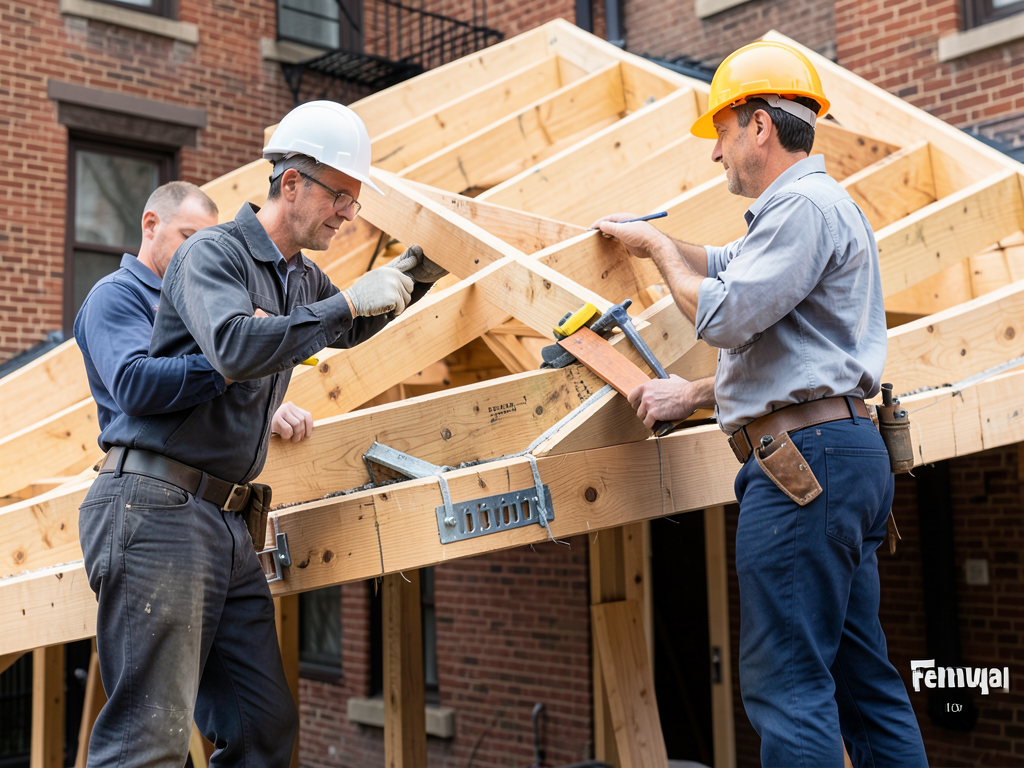
Engineers use span tables and beam calculations to determine if your roof can handle the additional weight. For a typical 200-square-foot deck, you might need to add support posts or sister existing joists. The process involves removing sections of the existing roof to inspect the underlying structure and install reinforcements.
Snow load considerations are particularly important in Boston. The design snow load for the Fenway area is 40 pounds per square foot, but drifting and sliding snow can create concentrated loads up to 100 pounds per square foot. Your engineering plan must account for these worst-case scenarios.
Foundation connections also matter. The roof deck’s weight transfers through the building’s structure to the foundation. In Fenway’s older buildings, the foundation may not be designed for the additional loads from a roof deck. Engineers must verify that the entire load path can handle the new requirements.
Waterproofing and Drainage Engineering
Waterproofing a roof deck requires specialized engineering knowledge that differs from standard roofing. The system must handle both water shedding from above and water intrusion from the deck surface itself. This dual challenge requires a multi-layer approach that includes a structural deck, waterproofing membrane, protection board, and drainage layer. The Best Roofing Strategies for Multi-Family Property Owners in Savin Hill.
The waterproofing membrane selection depends on your deck design. EPDM and TPO membranes work well for suspended deck systems where the walking surface sits above the waterproofing. For adhered systems where the decking attaches directly to the membrane, modified bitumen or liquid-applied coatings provide better durability. Roofing Quincy.
Drainage engineering ensures water moves off the deck surface efficiently. The International Building Code requires a minimum 1/4-inch per foot slope for roof decks. In practice, engineers often design for 1/2-inch per foot to ensure rapid water removal during heavy rain or snowmelt.
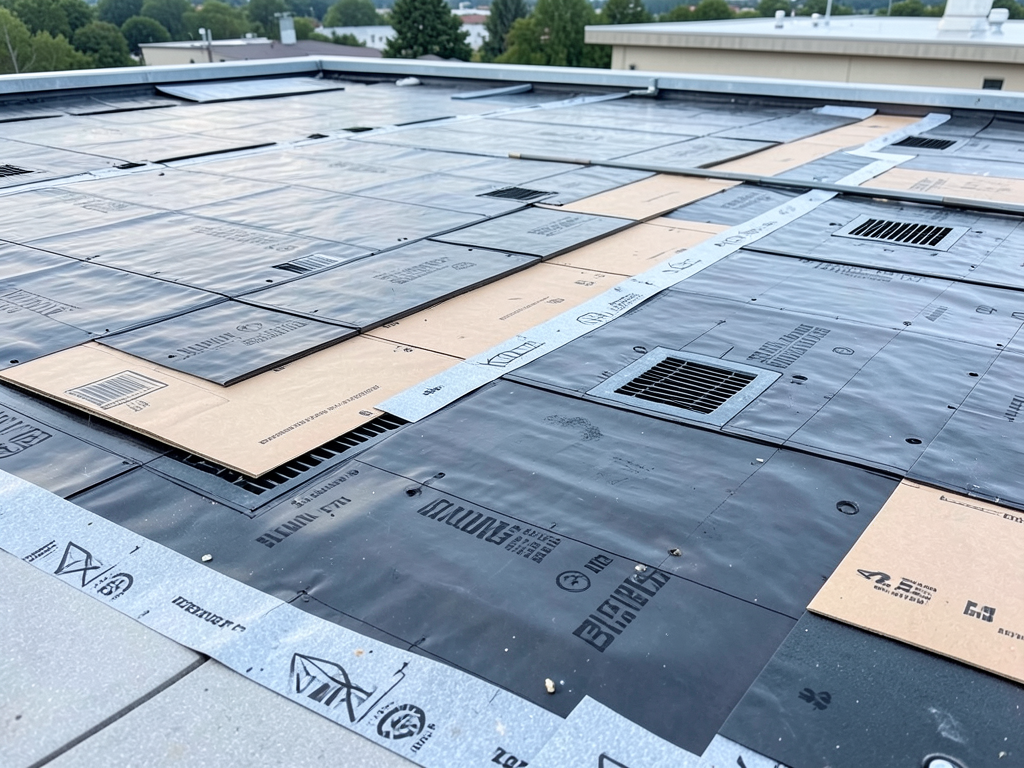
Drainage details include scuppers, downspouts, and overflow systems. Scuppers are openings in parapet walls that allow water to drain, while internal drains collect water through the deck surface. Your engineering plan must show how each drainage component connects to the building’s existing drainage system.
Flashing details prevent water from entering the building at critical points. This includes edge flashing where the deck meets parapet walls, penetration flashing around railing posts, and termination bars where the waterproofing ends. Each detail must be engineered to withstand movement and weather exposure. Tile Roofing Services.
Fire Safety and Egress Engineering
Fire safety engineering for roof decks in the Fenway addresses the neighborhood’s dense urban environment. The Boston Fire Prevention Code requires specific clearances between rooftop structures and adjacent buildings. For combustible materials like wood decking, you typically need at least 3 feet of clearance from property lines.
Fire-rated materials become essential when clearances cannot be achieved. Class A fire-rated decking materials, such as certain composites or fire-retardant treated lumber, allow closer proximity to property lines. Your engineering plan must specify which materials meet the required fire ratings.
Egress engineering ensures safe exit from the roof deck in emergencies. The International Building Code requires at least two means of egress from occupied roof decks. This typically means stairs from the roof to the building below plus an additional exit like a fire escape or rooftop hatch.
Handrail and guardrail engineering must meet specific strength requirements. Guards must withstand a 200-pound concentrated load and a 50-pound per linear foot horizontal load. The spacing between balusters cannot exceed 4 inches to prevent children from falling through.
Lighting engineering for egress paths ensures visibility during emergencies. This includes both normal lighting for everyday use and emergency lighting that activates during power failures. The system must provide at least 10 foot-candles of illumination at walking surfaces.
Material Engineering and Selection
Material engineering for roof decks involves selecting components that work together as a system. The structural engineer must verify that decking materials, fasteners, and connectors can handle the expected loads and environmental conditions specific to the Fenway area.
Ipe wood decking offers exceptional durability but requires specific engineering considerations. The dense tropical hardwood weighs approximately 3.5 pounds per square foot when dry, increasing to 4.5 pounds when wet. This weight difference affects structural calculations, especially for large deck areas.
Composite decking materials like Trex or Azek weigh less than wood but have different load-bearing characteristics. Most composites require joists spaced no more than 16 inches on center, while some premium products allow 24-inch spacing. The engineer must verify these specifications match your structural design.
Pedestal systems for paver decks require careful engineering to distribute loads evenly. Each pedestal must support the weight of the paver plus live loads without crushing the underlying waterproofing membrane. The spacing pattern must account for both structural requirements and aesthetic considerations.
Fastener engineering prevents corrosion and ensures long-term connections. In Boston’s coastal climate, stainless steel or hot-dipped galvanized fasteners resist corrosion better than standard hardware. The engineer must specify fastener types, sizes, and spacing based on the materials and loads involved.
Wind Engineering Considerations
Wind engineering becomes critical for roof decks in the Fenway’s urban environment. Buildings create wind tunnels between structures, and rooftop installations face higher wind speeds than ground-level areas. The engineer must calculate wind uplift forces that could lift decking, furniture, or even entire deck sections.
Basic wind speed for Boston is 90 miles per hour, but local conditions can increase this significantly. Tall buildings nearby can create vortex shedding that causes oscillating forces on rooftop structures. Your engineering plan must address these dynamic wind effects.
Ballast engineering keeps deck components in place during high winds. For loose-laid materials like pavers on pedestal systems, the weight of the pavers provides stability. The engineer calculates the minimum weight needed based on wind tunnel testing or established engineering tables.
Attachment engineering secures railings, pergolas, and other structures to the roof deck. These connections must resist both vertical and lateral forces from wind and occupant use. The engineer specifies anchor types, embedment depths, and spacing patterns that ensure stability.
Snow retention engineering prevents dangerous snow slides from the roof onto the deck below. This might include snow guards, heated cables, or specific parapet heights that control how snow accumulates and melts on your roof deck.
Historic District Engineering Requirements
Engineering requirements become more complex when your Fenway property sits in a historic district. The Back Bay Architectural Commission and other historic preservation bodies have specific requirements that affect structural modifications, material selections, and visual impacts from public ways.
Structural engineering in historic districts often requires minimally invasive reinforcement techniques. This might include carbon fiber reinforcement, epoxy injection for existing masonry, or selective joist sistering that preserves original architectural features while providing necessary strength.
Material engineering must balance modern performance requirements with historic compatibility. The engineer works with preservationists to select materials that meet current codes while maintaining the building’s historic character. This might mean using hidden fasteners, matching historic profiles, or selecting period-appropriate colors.
Waterproofing engineering in historic buildings requires special consideration for original materials. Many older buildings use lime-based mortars that behave differently than modern cement mortars. The waterproofing system must accommodate this movement without damaging historic fabric.
Fire safety engineering must address both modern code requirements and historic preservation goals. This might involve using intumescent coatings on structural elements, installing fire suppression systems that don’t damage historic interiors, or designing fire-rated assemblies that remain hidden from view.
Energy and Thermal Engineering
Energy engineering for roof decks considers how the new structure affects your building’s thermal performance. A roof deck can change how heat moves through your roof assembly, potentially increasing cooling loads in summer or creating ice dam conditions in winter.
Thermal bridging engineering addresses heat loss through structural members. Steel framing conducts heat more readily than wood, creating cold spots that can lead to condensation and potential moisture problems. The engineer might specify thermal breaks or insulation strategies to mitigate these effects.
Solar heat gain engineering considers how the deck affects your building’s exposure to sunlight. A new roof deck might shade portions of your roof, changing how snow melts or how heat builds up in summer. The engineer must account for these changes in the overall building performance analysis.
Ventilation engineering ensures proper airflow under the deck to prevent moisture accumulation. This includes both passive ventilation through soffit vents or gaps and active ventilation using fans or heat recovery systems. The engineer designs these systems to work with your existing building ventilation.
Insulation engineering balances thermal performance with structural requirements. Adding insulation to meet energy codes might affect how much weight the roof can support. The engineer must find the optimal combination of insulation value and structural capacity.
Soil and Vegetation Engineering
If your roof deck includes planters or green roof elements, soil engineering becomes essential. Saturated soil weighs significantly more than dry soil, and the engineer must calculate these loads accurately. A cubic foot of saturated soil can weigh 100 pounds or more, compared to 40-50 pounds when dry.
Drainage engineering for planters prevents water from accumulating and creating excessive loads. This includes proper drainage layers, filter fabrics, and overflow systems that protect both the roof structure and the plants. The engineer designs these systems to handle both normal irrigation and heavy rainfall.
Root barrier engineering prevents plant roots from damaging waterproofing membranes and structural components. Many aggressive plant species can penetrate standard waterproofing, requiring specialized root barriers or selecting plants with non-invasive root systems.
Wind uplift engineering for planters ensures containers don’t become projectiles during storms. This might involve securing planters to the deck structure, using ballast to prevent tipping, or selecting low-profile plants that resist wind damage.
Irrigation engineering provides water efficiently while preventing overwatering. This includes drip irrigation systems with timers, moisture sensors that prevent watering when soil is already wet, and drainage systems that handle excess water without overloading the roof structure.
Accessibility Engineering
Accessibility engineering ensures your roof deck can accommodate users with mobility challenges. While residential roof decks often have flexibility in accessibility requirements, good engineering practice includes considering how people with different abilities will use the space.
Ramp engineering provides alternatives to stairs where feasible. A 1:12 slope ramp requires significant space but allows wheelchair access. The engineer calculates the required length based on the height difference between the building access point and the roof deck surface.
Handrail engineering for accessibility includes continuous gripping surfaces, adequate clearance from walls, and extensions beyond stair landings. The engineer specifies heights between 34 and 38 inches and ensures handrails can withstand the required loads while providing stable support.
Surface engineering creates safe walking surfaces for all users. This includes selecting materials with appropriate slip resistance, ensuring level changes are visible and gradual, and providing tactile warnings at edges or level changes where needed.
Lighting engineering for accessibility ensures adequate illumination for users with visual impairments. This includes uniform lighting levels without glare, contrast at level changes, and emergency lighting that activates reliably during power failures.
Frequently Asked Questions
How much weight can my existing roof support for a new deck?
Most existing residential roofs in the Fenway were designed for 20-30 pounds per square foot of live load. A typical roof deck requires 40-100 pounds per square foot, meaning structural reinforcement is almost always necessary. A structural engineer must evaluate your specific building to determine the exact requirements.
Do I need permits for a roof deck in Boston?
Yes, you need multiple permits from the Boston Inspectional Services Department. This includes a building permit, possibly a zoning variance if your property doesn’t meet setback requirements, and potentially approval from the historic commission if you’re in a designated district. The process typically takes 2-4 months.
What’s the best waterproofing system for a roof deck?
The best system depends on your deck design and budget. EPDM membranes work well for suspended deck systems, while modified bitumen provides better durability for adhered systems. Many engineers recommend a hot-applied rubberized asphalt system for maximum durability, though these require professional installation.
How long does roof deck engineering take?
The engineering phase typically takes 2-4 weeks for initial calculations and drawings. However, if structural issues are discovered during inspection, the timeline can extend to 6-8 weeks while engineers develop reinforcement solutions. Complex historic properties may require additional time for preservation review.
Can I install a roof deck on a flat roof?
Yes, flat roofs are actually ideal for roof decks since they provide level walking surfaces. However, the existing roof structure must be evaluated for load capacity, and the waterproofing system must be upgraded to handle foot traffic and furniture weight. Most flat roofs require reinforcement before supporting a deck.
What materials work best for Boston’s climate?
Ipe wood offers exceptional durability and natural resistance to rot and insects. Composite materials like Trex resist moisture damage but may fade over time. Aluminum decking provides excellent durability with minimal maintenance but costs more upfront. Your engineer can recommend materials based on your specific conditions and budget. Bringing Natural Light into Your South End Attic with Custom Skylights.
How do I handle snow removal on a roof deck?
Never use metal shovels or ice melt products containing salt, as these damage most decking materials. Use plastic shovels for snow removal and consider installing heating cables in high-traffic areas to prevent ice buildup. Your engineer should design the deck structure to handle snow loads without requiring frequent removal.
What’s the typical cost for roof deck engineering?
Engineering fees for a roof deck typically range from $3,000 to $8,000 depending on complexity. Simple decks on newer buildings cost less, while complex projects on historic properties or those requiring significant structural reinforcement cost more. This doesn’t include construction costs, which can range from $25,000 to $100,000+.
Do I need a structural engineer or can my contractor handle it?
You need a licensed structural engineer for any roof deck project. Building codes require professional engineering stamps on structural drawings, and most municipalities won’t issue permits without them. Your contractor should work with an engineer, not replace them, to ensure your deck meets all safety requirements.
How do I maintain my roof deck long-term?
Regular maintenance includes cleaning debris from drainage systems, inspecting waterproofing seams annually, checking for loose fasteners or boards, and cleaning the deck surface seasonally. Most decks need professional inspection every 2-3 years to catch potential issues before they become major problems. Proper maintenance can extend your deck’s life to 20-30 years.
Ready to Build Your Roof Deck?
Building a safe, code-compliant roof deck in the Fenway requires expert engineering knowledge and careful planning. Don’t risk structural failure or code violations by cutting corners on the engineering phase. Our team understands Boston’s unique building requirements and can help you navigate the complex process of adding valuable outdoor living space to your property.
Call (857) 387-1711 today to schedule your roof deck consultation. We’ll evaluate your building’s structure, explain your options, and provide detailed engineering plans that ensure your new deck will be safe, durable, and beautiful for years to come. Don’t wait until next summer to start planning your rooftop retreat.
Pick up the phone and call (857) 387-1711 before the next storm hits. Whether you need emergency repairs or are planning a new roof deck, we’re here to help protect your Boston home with expert roofing solutions that stand up to New England’s toughest weather conditions.
Visit our website to learn more about our roofing services and see examples of successful roof deck projects throughout the Fenway and greater Boston area. Your dream rooftop space is just a phone call away.
{
“@context”: “https://schema.org”,
“@type”: “BlogPosting”,
“headline”: “The Engineering Requirements for Building a Safe Roof Deck in the Fenway”,
“description”: “Learn the engineering requirements for safe roof decks in Fenway. From structural load calculations to waterproofing, discover what it takes to build a durable rooftop space.”,
“wordCount”: 2923,
“datePublished”: “2026-03-25T13:57:00.000Z”,
“dateModified”: “2026-03-25T13:57:00.000Z”,
“inLanguage”: “en-US”,
“mainEntityOfPage”: {
“@type”: “WebPage”,
“@id”: “https://silverlineroofingboston.com”
},
“publisher”: {
“@type”: “LocalBusiness”,
“name”: “Silverline Roofing Boston”,
“url”: “https://silverlineroofingboston.com”
},
“author”: {
“@type”: “Organization”,
“name”: “Silverline Roofing Boston”,
“url”: “https://silverlineroofingboston.com”
},
“image”: {
“@type”: “ImageObject”,
“url”: “https://silverlineroofingboston.com/wp-content/uploads/2026/03/the-engineering-requirements-for-building-a-safe-r-1.png”
}
}
{
“@context”: “https://schema.org”,
“@type”: “RoofingContractor”,
“name”: “Silverline Roofing Boston”,
“url”: “https://silverlineroofingboston.com”,
“address”: {
“@type”: “PostalAddress”,
“addressLocality”: “Boston”
},
“areaServed”: {
“@type”: “City”,
“name”: “Boston”
}
}
{
“@context”: “https://schema.org”,
“@type”: “FAQPage”,
“mainEntity”: [
{
“@type”: “Question”,
“name”: “How much weight can my existing roof support for a new deck?”,
“acceptedAnswer”: {
“@type”: “Answer”,
“text”: “Most existing residential roofs in the Fenway were designed for 20-30 pounds per square foot of live load. A typical roof deck requires 40-100 pounds per square foot, meaning structural reinforcement is almost always necessary. A structural engineer must evaluate your specific building to determine the exact requirements.”
}
},
{
“@type”: “Question”,
“name”: “Do I need permits for a roof deck in Boston?”,
“acceptedAnswer”: {
“@type”: “Answer”,
“text”: “Yes, you need multiple permits from the Boston Inspectional Services Department. This includes a building permit, possibly a zoning variance if your property doesn’t meet setback requirements, and potentially approval from the historic commission if you’re in a designated district. The process typically takes 2-4 months.”
}
},
{
“@type”: “Question”,
“name”: “What’s the best waterproofing system for a roof deck?”,
“acceptedAnswer”: {
“@type”: “Answer”,
“text”: “The best system depends on your deck design and budget. EPDM membranes work well for suspended deck systems, while modified bitumen provides better durability for adhered systems. Many engineers recommend a hot-applied rubberized asphalt system for maximum durability, though these require professional installation.”
}
},
{
“@type”: “Question”,
“name”: “How long does roof deck engineering take?”,
“acceptedAnswer”: {
“@type”: “Answer”,
“text”: “The engineering phase typically takes 2-4 weeks for initial calculations and drawings. However, if structural issues are discovered during inspection, the timeline can extend to 6-8 weeks while engineers develop reinforcement solutions. Complex historic properties may require additional time for preservation review.”
}
},
{
“@type”: “Question”,
“name”: “Can I install a roof deck on a flat roof?”,
“acceptedAnswer”: {
“@type”: “Answer”,
“text”: “Yes, flat roofs are actually ideal for roof decks since they provide level walking surfaces. However, the existing roof structure must be evaluated for load capacity, and the waterproofing system must be upgraded to handle foot traffic and furniture weight. Most flat roofs require reinforcement before supporting a deck.”
}
},
{
“@type”: “Question”,
“name”: “What materials work best for Boston’s climate?”,
“acceptedAnswer”: {
“@type”: “Answer”,
“text”: “Ipe wood offers exceptional durability and natural resistance to rot and insects. Composite materials like Trex resist moisture damage but may fade over time. Aluminum decking provides excellent durability with minimal maintenance but costs more upfront. Your engineer can recommend materials based on your specific conditions and budget. Bringing Natural Light into Your South End Attic with Custom Skylights.”
}
},
{
“@type”: “Question”,
“name”: “How do I handle snow removal on a roof deck?”,
“acceptedAnswer”: {
“@type”: “Answer”,
“text”: “Never use metal shovels or ice melt products containing salt, as these damage most decking materials. Use plastic shovels for snow removal and consider installing heating cables in high-traffic areas to prevent ice buildup. Your engineer should design the deck structure to handle snow loads without requiring frequent removal.”
}
},
{
“@type”: “Question”,
“name”: “What’s the typical cost for roof deck engineering?”,
“acceptedAnswer”: {
“@type”: “Answer”,
“text”: “Engineering fees for a roof deck typically range from $3,000 to $8,000 depending on complexity. Simple decks on newer buildings cost less, while complex projects on historic properties or those requiring significant structural reinforcement cost more. This doesn’t include construction costs, which can range from $25,000 to $100,000+.”
}
},
{
“@type”: “Question”,
“name”: “Do I need a structural engineer or can my contractor handle it?”,
“acceptedAnswer”: {
“@type”: “Answer”,
“text”: “You need a licensed structural engineer for any roof deck project. Building codes require professional engineering stamps on structural drawings, and most municipalities won’t issue permits without them. Your contractor should work with an engineer, not replace them, to ensure your deck meets all safety requirements.”
}
},
{
“@type”: “Question”,
“name”: “How do I maintain my roof deck long-term?”,
“acceptedAnswer”: {
“@type”: “Answer”,
“text”: “Regular maintenance includes cleaning debris from drainage systems, inspecting waterproofing seams annually, checking for loose fasteners or boards, and cleaning the deck surface seasonally. Most decks need professional inspection every 2-3 years to catch potential issues before they become major problems. Proper maintenance can extend your deck’s life to 20-30 years.”
}
},
{
“@type”: “Question”,
“name”: “Ready to Build Your Roof Deck?”,
“acceptedAnswer”: {
“@type”: “Answer”,
“text”: “Building a safe, code-compliant roof deck in the Fenway requires expert engineering knowledge and careful planning. Don’t risk structural failure or code violations by cutting corners on the engineering phase. Our team understands Boston’s unique building requirements and can help you navigate the complex process of adding valuable outdoor living space to your property.”
}
}
]
}
{
“@context”: “https://schema.org”,
“@type”: “BreadcrumbList”,
“itemListElement”: [
{
“@type”: “ListItem”,
“position”: 1,
“name”: “Home”,
“item”: “https://silverlineroofingboston.com”
},
{
“@type”: “ListItem”,
“position”: 2,
“name”: “Blog”,
“item”: “https://silverlineroofingboston.com/blog”
},
{
“@type”: “ListItem”,
“position”: 3,
“name”: “The Engineering Requirements for Building a Safe Roof Deck in the Fenway”
}
]
}
{
“@context”: “https://schema.org”,
“@type”: “Service”,
“serviceType”: “Roofing”,
“provider”: {
“@type”: “LocalBusiness”,
“name”: “Silverline Roofing Boston”,
“url”: “https://silverlineroofingboston.com”
},
“areaServed”: {
“@type”: “City”,
“name”: “Boston”
},
“description”: “Learn the engineering requirements for safe roof decks in Fenway. From structural load calculations to waterproofing, discover what it takes to build a durable rooftop space.”
}