The most durable roofing options for multi-family triple deckers in Lynn
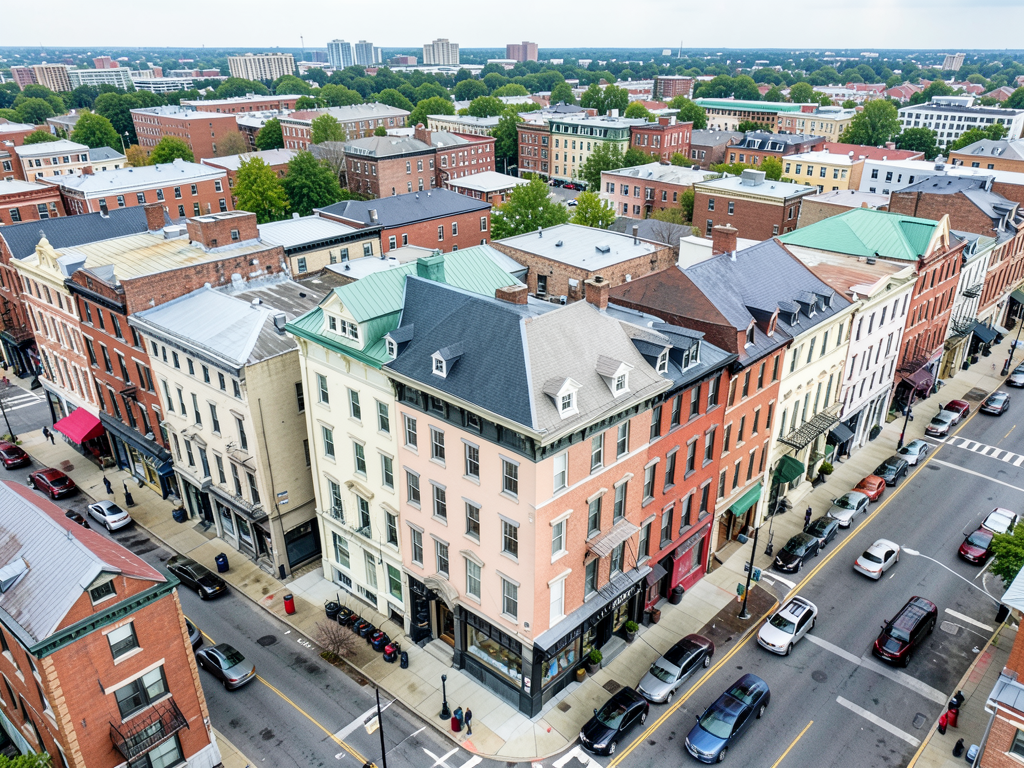
Multi-family triple deckers in Lynn face unique roofing challenges from coastal storms, heavy snow loads, and decades of wear on aging structures. These three-story buildings require roofing systems that can handle high wind speeds, salt air exposure, and the weight of New England winters. Property owners need materials that deliver both durability and long-term value. Why Metal Roofing is Becoming a Top Choice for Coastal East Boston Homes.
Choosing the right roofing system for a triple decker means understanding the specific demands of Lynn’s climate and building stock. From the historic Diamond District to newer construction in Wyoma, each neighborhood presents different challenges for roof performance and maintenance. The Best Roofing Strategies for Multi-Family Property Owners in Savin Hill.
Flat Roof Systems for Triple Deckers
Most Lynn triple deckers feature flat or low-slope roofs that require specialized membrane systems. These surfaces must resist ponding water, UV degradation, and the thermal expansion that comes with seasonal temperature swings.
EPDM rubber roofing offers exceptional durability for flat triple decker applications. This synthetic rubber membrane withstands temperatures from -40°F to 180°F, making it ideal for Lynn’s freeze-thaw cycles. A properly installed EPDM roof on a triple decker typically lasts 25-30 years with minimal maintenance. Roofing Quincy.
TPO membrane systems provide another excellent option for flat triple decker roofs. These thermoplastic polyolefin sheets reflect solar heat, reducing cooling costs in summer while maintaining flexibility in winter. TPO installations include heat-welded seams that create a monolithic barrier against water infiltration.
Modified bitumen roofing combines multiple layers of reinforced fabric with asphalt compounds. This system excels in high-traffic areas where maintenance workers need roof access. The multiple layers provide redundancy if one layer fails, crucial for protecting multiple families living below. Tile Roofing Services.
Pitched Roof Solutions for Triple Deckers
Some Lynn triple deckers feature pitched sections over dormers or along Mansard-style facades. These areas require different materials than flat roof sections.. Read more about Choosing roofing materials that can actually survive the salt air in Marblehead.
Asphalt architectural shingles provide the most cost-effective pitched roof solution. Modern architectural shingles feature fiberglass reinforcement and dimensional profiles that resist wind uplift to 130 mph. For Lynn’s coastal location, Class 4 impact-resistant shingles offer additional protection against wind-borne debris.. Read more about Comparing 3-tab and architectural shingles for budget-conscious Mattapan homeowners.
Standing seam metal roofing delivers unmatched longevity for pitched triple decker sections. These interlocking panels shed snow efficiently and resist wind speeds exceeding 140 mph. The concealed fastener system eliminates leak points common with exposed fastener systems.
Clay and concrete tiles offer premium durability for pitched roof applications. These materials last 50+ years and provide excellent fire resistance. However, the additional weight requires structural assessment before installation on older triple decker buildings.. Read more about Understanding the weight limits for snow and people on your older Cambridge flat roof.

Navigating Lynn Building Codes and Permitting
Massachusetts State Building Code 780 CMR Chapter 13 establishes specific requirements for multi-family roofing installations. Lynn’s building department enforces additional local provisions for buildings over three stories tall. Massachusetts State Building Code 780 CMR.
Ice and water shield requirements under 780 CMR 1507.2.8 mandate self-adhering polymer-modified bitumen membranes extending from eaves to a point at least 24 inches inside the exterior wall line. This protection prevents ice dam damage common in Lynn’s severe winter conditions.
Fire ratings become critical for triple decker applications. Most municipalities require Class A fire-rated materials for buildings housing multiple families. This rating ensures roofing materials can withstand severe fire exposure without contributing to flame spread.
Permit processing in Lynn typically takes 5-7 business days for standard roofing replacements. However, historical district properties may require additional review. The Lynn Heritage State Park area includes several triple deckers requiring preservation-compliant materials and installation methods.
Safety Protocols for 3-Story Residential Roofing
Working on triple deckers requires specialized safety equipment and protocols. OSHA regulations mandate fall protection for any work at heights exceeding 6 feet. For three-story buildings, this means full guardrail systems or personal fall arrest systems.
High-wind resistance becomes critical during Lynn’s frequent coastal storms. Proper fastening patterns prevent material loss that could endanger pedestrians below. Most building codes require six nails per shingle in high-wind zones, compared to four nails in standard installations.
Neighbor protection involves more than courtesy. Contractors must install debris netting and plywood barriers to prevent material from falling onto adjacent properties. This protection becomes especially important in Lynn’s dense triple decker neighborhoods where buildings sit just feet apart.
Weather monitoring throughout the project timeline prevents rain damage to exposed roof decks. Most installations require dry conditions for 24-48 hours before and after material application. This constraint affects scheduling during Lynn’s unpredictable coastal weather patterns.
Common Problems with Lynn Triple Deckers
Ice dams form when heat escaping through the roof melts snow, which then refreezes at the colder eaves. This cycle creates water backup that forces under shingles and into the building. Proper attic ventilation and insulation prevent this thermal bridging that causes ice dam formation.
Sagging gutters result from improper pitch or excessive weight from ice and debris. Most triple deckers require 1/2 inch of fall per 10 feet of gutter length to ensure proper drainage. Overloaded gutters can pull away from fascia boards, creating water infiltration points along the roof edge. The Best Way to Keep Gutters Clog-Free in Wooded West Roxbury Neighborhoods.
Parapet wall leakage occurs when flashing deteriorates or separates from the wall surface. These vertical extensions require counterflashing that extends at least 4 inches into the wall and terminates in a drip edge. Without proper detailing, water migrates behind parapet walls and into living spaces below. EPA cool roof guidelines.
Flashing deterioration around chimneys, vents, and roof penetrations represents another common failure point. These areas require replacement every 15-20 years even when the primary roofing material remains functional. Missing or damaged flashing allows water entry that causes interior damage before visible exterior signs appear.
Material Comparison for Triple Decker Durability
| Material Type | Expected Lifespan | Wind Rating | Cost per Square |
|---|---|---|---|
| EPDM Membrane | 25-30 years | 90 mph | $350-450 |
| TPO Membrane | 20-25 years | 80 mph | $300-400 |
| Architectural Shingles | 25-30 years | 130 mph | $450-600 |
| Standing Seam Metal | 40-50 years | 140+ mph | $800-1,200 |
Material selection impacts both initial installation costs and long-term maintenance requirements. While premium materials cost more upfront, their extended lifespan and superior performance often provide better lifetime value for multi-family property owners.
Installation Best Practices for Multi-Family Buildings
Proper substrate preparation prevents premature roof failure. Most triple deckers require removal of existing roofing down to the deck to inspect for rot or structural damage. This demolition phase reveals issues that would otherwise compromise new installation integrity.
Flashing details make the difference between a roof that lasts 15 years versus 30 years. Step flashing along sidewalls must overlap by at least 2 inches and extend 4 inches up the vertical surface. Continuous flashing at headwalls requires termination bars and sealant for watertight connections.
Ventilation requirements under 780 CMR 1311.2 mandate minimum net free ventilating area equal to 1/150 of the vented space. However, this ratio reduces to 1/300 when using vapor barriers on the warm side of ceiling insulation. Proper ventilation prevents moisture accumulation that degrades roofing materials from below.
Fastener selection impacts wind resistance significantly. Hot-dipped galvanized or stainless steel fasteners resist corrosion in Lynn’s salt-air environment. Ring-shank nails provide 30% more withdrawal resistance than smooth-shank alternatives, crucial for high-wind resistance.
Energy Efficiency Considerations
Roofing color affects building energy consumption substantially. Light-colored membranes reflect up to 80% of solar radiation, reducing cooling costs by 15-20% in summer months. However, dark colors absorb heat that can help melt snow in winter, potentially reducing ice dam formation.
Insulation upgrades during roof replacement provide immediate energy savings. Adding R-30 insulation to an uninsulated roof can reduce heating costs by 20-30% annually. Many Lynn triple deckers built before 1980 lack adequate roof insulation by current energy code standards.
Radiant barriers installed under roofing materials can reduce summer heat gain by 40%. These reflective sheets work best in combination with proper ventilation, creating an effective thermal management system for year-round comfort.
Green roof systems offer extreme durability while providing additional benefits. These living roof systems can last 40-50 years and provide excellent insulation. However, they require structural reinforcement to support the additional weight of growing medium and plants.
Maintenance Requirements for Maximum Longevity
Annual inspections identify problems before they cause interior damage. Most roofing manufacturers require documented maintenance to validate warranty coverage. These inspections should occur in spring after winter weather and in fall before snow season.
Drainage maintenance prevents ponding water that accelerates membrane deterioration. Flat roofs require cleaning of debris from drains, scuppers, and gutters at least twice annually. Clogged drainage systems create standing water that can penetrate seams and flashings.
Sealant replacement around penetrations extends roof life significantly. Most sealants deteriorate within 5-7 years, creating potential leak points. Regular inspection and recaulking of these areas prevents water infiltration that damages underlying structures.
Snow removal from triple decker roofs requires professional equipment and expertise. Excessive snow loads can stress structural members beyond design limits. Most buildings can safely support 20-30 pounds per square foot of snow load, but aged structures may have reduced capacity.
Cost-Benefit Analysis for Property Owners
Initial roofing costs represent only part of the total investment equation. Premium materials with longer lifespans often provide better returns through reduced maintenance, fewer replacements, and improved energy efficiency.
Insurance considerations affect material selection for multi-family buildings. Many insurers offer premium discounts for impact-resistant materials and Class A fire ratings. These savings can offset higher initial material costs over the roof’s lifetime.
Tenant satisfaction impacts rental income potential. Buildings with newer, better-performing roofs experience lower vacancy rates and can command higher rents. The comfort and safety improvements translate directly to property value appreciation.. Read more about How to tell if your Mission Hill student rental property needs a total roof overhaul.
Environmental considerations increasingly influence material selection. Recyclable materials like metal and TPO reduce landfill impact at end-of-life. Some municipalities offer incentives for cool roof installations that reduce urban heat island effects.
Frequently Asked Questions
How long does a typical triple decker roof replacement take?
Most triple decker roof replacements require 3-5 days for completion, weather permitting. This timeline includes old roof removal, substrate preparation, installation, and final cleanup. Historical buildings or those requiring structural repairs may need additional time.
What roofing material offers the best return on investment for Lynn’s climate?
EPDM rubber roofing provides excellent ROI for Lynn’s triple deckers, offering 25-30 year lifespans with minimal maintenance requirements. The material withstands coastal storms and freeze-thaw cycles while costing significantly less than premium options like metal roofing.
Are permits required for triple decker roof replacements in Lynn?
Yes, Massachusetts law requires building permits for all roof replacements. Lynn’s building department reviews plans to ensure compliance with 780 CMR and local amendments. Permit fees typically range from $100-300 depending on project scope.
How can I tell if my triple decker needs a new roof?
Signs include curling or missing shingles, water stains on ceilings, granules in gutters, and visible sagging. Most asphalt shingle roofs last 20-25 years, while membrane roofs can exceed 30 years with proper maintenance. Professional inspections can assess remaining service life.
Does my triple decker need additional ventilation with a new roof?
Most older triple deckers lack adequate ventilation by current standards. Adding proper intake and exhaust vents prevents moisture accumulation, extends roof life, and improves energy efficiency. Ventilation requirements depend on roof area and local climate conditions.
Making the Right Choice for Your Property
Selecting roofing materials for Lynn’s triple deckers requires balancing multiple factors: durability against coastal storms, energy efficiency for year-round comfort, compliance with building codes, and budget constraints. The right choice depends on your building’s specific conditions and your long-term property goals.
Professional assessment of your existing roof structure determines which materials your building can safely support. Some premium options like clay tile require structural reinforcement that may not be cost-effective for older buildings.
Consider your holding period when making material selections. If you plan to keep the property long-term, premium materials with extended lifespans often provide better value despite higher upfront costs. For shorter holding periods, cost-effective options may offer better immediate returns.
Energy efficiency improvements during roof replacement can provide immediate utility savings while improving tenant comfort. These upgrades often pay for themselves through reduced operating costs within 5-7 years.
Don’t forget the importance of proper installation. Even the best materials fail prematurely when installed incorrectly. Choose contractors with specific experience in multi-family roofing and proper licensing for three-story buildings.
Next Steps for Property Owners
Start with a professional roof inspection to assess your current system’s condition and identify any structural concerns. This evaluation provides the foundation for making informed material and contractor selections.
Obtain multiple quotes from qualified contractors, but compare more than just price. Evaluate experience with similar buildings, warranty offerings, and references from other multi-family property owners in Lynn.
Plan your project timeline carefully. Roofing during peak season may cost more but ensures availability of preferred materials and contractors. Off-season installations might offer better pricing but could face weather delays.
Consider phased approaches for buildings with mixed roof conditions. Replacing sections as needed rather than all at once can spread costs while addressing the most critical areas first.
Finally, invest in regular maintenance after installation. Annual inspections and prompt repairs of minor issues prevent expensive damage and extend your new roof’s service life significantly.
Ready to upgrade your triple decker’s roofing system? Call (857) 387-1711 today to schedule your inspection. Our team understands the unique challenges of Lynn’s multi-family buildings and can recommend solutions that protect your investment for decades to come.
Don’t wait until leaks damage your tenants’ belongings or your building’s structure. Pick up the phone and call (857) 387-1711 before the next storm hits. We’ll help you choose the most durable roofing option for your specific triple decker and ensure proper installation that meets all Lynn building codes.
Your tenants deserve safe, dry living spaces, and your investment deserves protection against Lynn’s harsh coastal weather. Let’s work together to find the perfect roofing solution for your multi-family property.
You may also find this helpful. Why hiring a commercial roofer for your residential condo building in the Seaport is a smart move.
{
“@context”: “https://schema.org”,
“@type”: “BlogPosting”,
“headline”: “The most durable roofing options for multi-family triple deckers in Lynn”,
“description”: “Discover the most durable roofing systems for Lynn’s triple decker buildings. Learn about EPDM, TPO, and architectural shingles that withstand coastal storms and harsh winters.”,
“wordCount”: 2313,
“datePublished”: “2026-05-21T12:15:00.000Z”,
“dateModified”: “2026-05-21T12:15:00.000Z”,
“inLanguage”: “en-US”,
“mainEntityOfPage”: {
“@type”: “WebPage”,
“@id”: “https://silverlineroofingboston.com”
},
“publisher”: {
“@type”: “LocalBusiness”,
“name”: “Silverline Roofing Boston”,
“url”: “https://silverlineroofingboston.com”
},
“author”: {
“@type”: “Organization”,
“name”: “Silverline Roofing Boston”,
“url”: “https://silverlineroofingboston.com”
},
“image”: {
“@type”: “ImageObject”,
“url”: “https://silverlineroofingboston.com/wp-content/uploads/2026/03/the-most-durable-roofing-options-for-multi-family-1.png”
}
}
{
“@context”: “https://schema.org”,
“@type”: “RoofingContractor”,
“name”: “Silverline Roofing Boston”,
“url”: “https://silverlineroofingboston.com”,
“address”: {
“@type”: “PostalAddress”,
“addressLocality”: “Boston”
},
“areaServed”: {
“@type”: “City”,
“name”: “Boston”
}
}
{
“@context”: “https://schema.org”,
“@type”: “FAQPage”,
“mainEntity”: [
{
“@type”: “Question”,
“name”: “How long does a typical triple decker roof replacement take?”,
“acceptedAnswer”: {
“@type”: “Answer”,
“text”: “Most triple decker roof replacements require 3-5 days for completion, weather permitting. This timeline includes old roof removal, substrate preparation, installation, and final cleanup. Historical buildings or those requiring structural repairs may need additional time.”
}
},
{
“@type”: “Question”,
“name”: “What roofing material offers the best return on investment for Lynn’s climate?”,
“acceptedAnswer”: {
“@type”: “Answer”,
“text”: “EPDM rubber roofing provides excellent ROI for Lynn’s triple deckers, offering 25-30 year lifespans with minimal maintenance requirements. The material withstands coastal storms and freeze-thaw cycles while costing significantly less than premium options like metal roofing.”
}
},
{
“@type”: “Question”,
“name”: “Are permits required for triple decker roof replacements in Lynn?”,
“acceptedAnswer”: {
“@type”: “Answer”,
“text”: “Yes, Massachusetts law requires building permits for all roof replacements. Lynn’s building department reviews plans to ensure compliance with 780 CMR and local amendments. Permit fees typically range from $100-300 depending on project scope.”
}
},
{
“@type”: “Question”,
“name”: “How can I tell if my triple decker needs a new roof?”,
“acceptedAnswer”: {
“@type”: “Answer”,
“text”: “Signs include curling or missing shingles, water stains on ceilings, granules in gutters, and visible sagging. Most asphalt shingle roofs last 20-25 years, while membrane roofs can exceed 30 years with proper maintenance. Professional inspections can assess remaining service life.”
}
},
{
“@type”: “Question”,
“name”: “Does my triple decker need additional ventilation with a new roof?”,
“acceptedAnswer”: {
“@type”: “Answer”,
“text”: “Most older triple deckers lack adequate ventilation by current standards. Adding proper intake and exhaust vents prevents moisture accumulation, extends roof life, and improves energy efficiency. Ventilation requirements depend on roof area and local climate conditions.”
}
}
]
}
{
“@context”: “https://schema.org”,
“@type”: “BreadcrumbList”,
“itemListElement”: [
{
“@type”: “ListItem”,
“position”: 1,
“name”: “Home”,
“item”: “https://silverlineroofingboston.com”
},
{
“@type”: “ListItem”,
“position”: 2,
“name”: “Blog”,
“item”: “https://silverlineroofingboston.com/blog”
},
{
“@type”: “ListItem”,
“position”: 3,
“name”: “The most durable roofing options for multi-family triple deckers in Lynn”
}
]
}
{
“@context”: “https://schema.org”,
“@type”: “Service”,
“serviceType”: “Roofing”,
“provider”: {
“@type”: “LocalBusiness”,
“name”: “Silverline Roofing Boston”,
“url”: “https://silverlineroofingboston.com”
},
“areaServed”: {
“@type”: “City”,
“name”: “Boston”
},
“description”: “Discover the most durable roofing systems for Lynn’s triple decker buildings. Learn about EPDM, TPO, and architectural shingles that withstand coastal storms and harsh winters.”
}