
The Real Benefit of Adding Copper Gutters to Your Historic North End Property
Historic North End properties deserve drainage systems that match their architectural integrity and withstand Boston’s harsh coastal weather. Copper gutters offer unmatched durability, authentic aesthetics, and protection that outlasts standard materials by decades. The real benefit goes beyond appearance—these systems prevent water damage to centuries-old foundations while developing a beautiful patina that complements your home’s historic character. Boston Water and Sewer Commission drainage requirements.
The North End’s dense urban layout and proximity to Boston Harbor create unique drainage challenges. Salt air accelerates corrosion on inferior materials, while narrow streets limit gutter access for maintenance. Copper’s natural resistance to salt corrosion and its 50-100 year lifespan make it the only logical choice for protecting your historic investment. Bringing Natural Light into Your South End Attic with Custom Skylights.
Why Copper Gutters Outperform Standard Materials in Historic Boston Homes
Standard aluminum gutters fail within 20-25 years in Boston’s freeze-thaw cycles. Copper gutters installed on North End brownstones routinely last 75-100 years with minimal maintenance. The metal’s thermal expansion rate matches historic masonry better than modern materials, preventing the cracking and separation that damages century-old facades. Why Metal Roofing is Becoming a Top Choice for Coastal East Boston Homes.
Copper’s natural antimicrobial properties prevent the algae and moss growth that clogs traditional gutters. This is critical in the North End where many homes sit close to the street with limited roof access for cleaning. The metal’s smooth interior surface allows debris to slide through rather than accumulate. The Best Way to Keep Gutters Clog-Free in Wooded West Roxbury Neighborhoods.
The Patina Journey: From Bright Bronze to Historic Verdigris
New copper gutters start with a bright, shiny appearance that gradually transforms over 15-20 years. The coastal salt air in the North End accelerates this process compared to inland properties. Your gutters will progress through distinct stages:
- Year 1-3: Bright bronze with subtle sheen
- Year 4-10: Deep brown with bronze undertones
- Year 11-20: Greenish-blue verdigris developing
- Year 21+: Full verdigris with historic character
This natural aging process creates the exact weathered look that Landmark Commission preservation guidelines require for historic districts. Unlike painted gutters that need frequent maintenance, copper’s changing appearance is intentional and protected by the metal’s surface oxidation.
Seamless Copper Gutter Fabrication for Historic Properties
Modern seamless copper gutter fabrication allows custom fitting to your home’s exact dimensions. This eliminates the weak joints that plague sectional systems and prevents the leaks that damage historic wood trim and masonry. The fabrication process involves:
- Site Measurement
Technicians measure your roofline precisely, accounting for historic architectural features like corbels and decorative brackets.
- Material Selection
16-ounce copper provides optimal balance of durability and workability for most historic homes. Heavier 20-ounce material suits areas with extreme snow loads.
- Machine Forming
On-site roll-forming creates seamless lengths up to 40 feet, eliminating field joints that leak over time.
- Custom Fitting
Each section is hand-formed to match your home’s exact roof pitch and architectural details.
The result is a drainage system that looks like it’s been part of your home for generations while providing modern water management performance.
Historic District Compliance and Preservation Standards
Boston’s Landmarks Commission requires materials that maintain historic character while meeting modern performance standards. Copper gutters satisfy both requirements. The Massachusetts State Building Code (780 CMR) Section 1507.3 specifically addresses historic preservation projects, allowing material substitutions that maintain visual integrity. Massachusetts State Building Code 780 CMR.
North End properties face additional scrutiny due to the neighborhood’s designation as a National Register Historic District. Copper’s natural weathering process means your gutters will look authentic within five years, avoiding the artificial appearance of painted alternatives that never truly blend with historic architecture.
The Boston Water and Sewer Commission’s drainage requirements mandate proper downspout sizing for properties in combined sewer areas. Copper’s superior flow capacity allows smaller downspouts to handle the same water volume as larger aluminum systems, preserving your home’s historic proportions.
Ice Dam Prevention and Snow Load Management
Boston’s severe winters create ice dam conditions that destroy inferior gutter systems. Copper’s superior thermal conductivity helps prevent ice formation by conducting residual heat from your home. The metal’s smooth surface allows ice to slide off rather than accumulate and damage historic fascia boards.
Standard gutter hangers often pull away from historic wood under heavy snow loads. Copper systems use hidden brackets that distribute weight across the entire gutter length. This prevents the separation that allows water to penetrate behind historic clapboard or brick veneer.
The North End’s dense urban environment creates additional challenges. Limited sunlight on narrow streets means gutters stay colder longer, increasing ice dam risk. Copper’s natural properties provide better protection in these shaded conditions than standard materials.
Cost Comparison: Copper vs. Standard Gutter Systems
| Material | Initial Cost | Expected Lifespan | Maintenance Requirements |
|---|---|---|---|
| Copper | 3-4x standard | 75-100 years | Minimal |
| Aluminum | Base cost | 20-25 years | Annual cleaning |
| Galvanized Steel | 1.5x standard | 15-20 years | Regular painting |
While copper requires higher upfront investment, the lifetime cost often equals or beats standard materials when factoring replacement cycles and maintenance. For historic properties, the preservation value alone justifies the premium.
Installation Process for Historic North End Properties
Installing gutters on historic properties requires specialized knowledge of both modern drainage principles and historic construction methods. The process begins with a thorough assessment of your home’s existing drainage patterns and potential water damage points.
Technicians use moisture meters to detect existing water intrusion in historic wood elements. This diagnostic step identifies areas where previous gutter failures have already caused damage. The readings guide the new system’s design to address specific vulnerabilities.
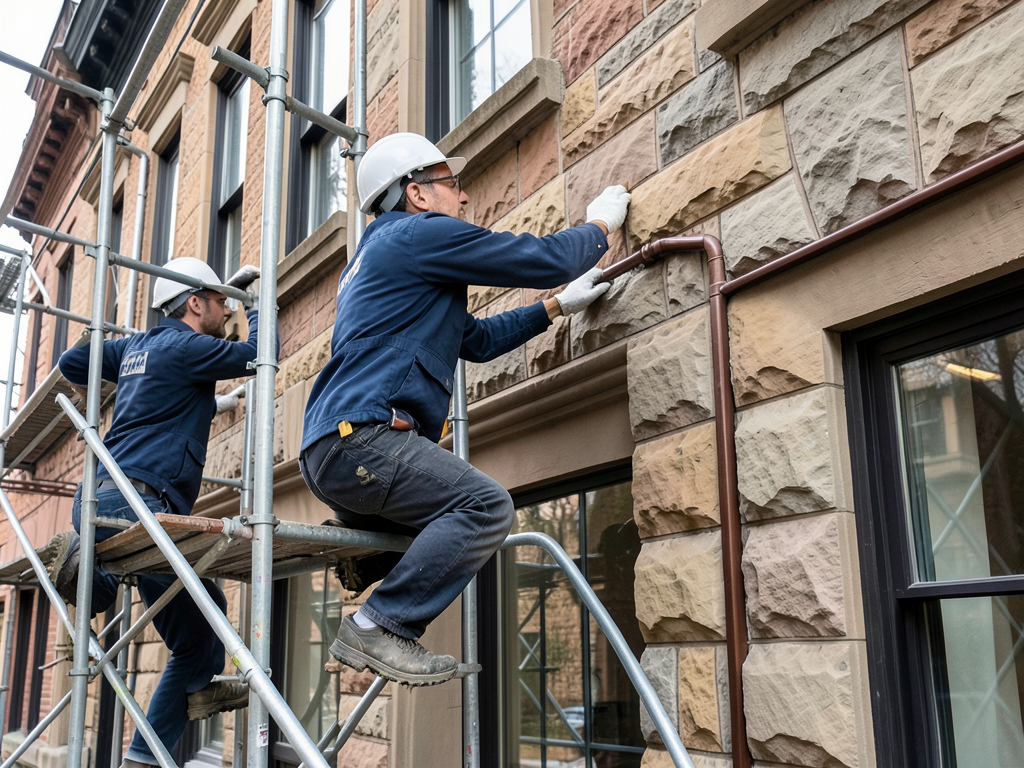
Installation typically requires working from scaffolding due to the North End’s narrow streets and limited equipment access. The process includes careful protection of historic masonry and landscaping that can’t be easily replaced.
Maintenance Requirements for Copper Gutter Systems
Copper gutters require minimal maintenance compared to standard systems, but certain tasks preserve optimal performance. Annual inspections check for proper slope and secure fastening, especially important in the North End’s freeze-thaw climate.
Debris removal should occur in late fall after leaves drop. Copper’s smooth surface makes this easier than with standard materials, but accumulated debris can still cause overflow during heavy rains. The North End’s mature street trees create significant leaf litter that requires attention.
Inspection should include checking soldered joints for separation. While copper’s natural expansion and contraction can stress connections, properly executed solder joints typically last the system’s lifetime. Any separation indicates installation issues that need immediate attention.
Lead-Coated Copper Options for Authentic Historic Appearance
Lead-coated copper provides an immediate aged appearance that matches existing historic gutters on neighboring properties. This option develops a darker, more uniform patina than standard copper, creating instant visual harmony with your home’s historic character.
The lead coating adds minimal cost while providing several benefits. It creates a more consistent initial appearance, reduces the bright copper sheen that some historic commissions find objectionable, and provides additional protection against salt air corrosion in coastal areas.
Lead-coated copper is particularly popular in the North End where many properties feature existing lead-coated elements. The matching material creates visual continuity that satisfies preservation requirements while providing modern drainage performance.
Environmental Benefits of Copper Gutter Systems
Copper is 100% recyclable and often contains 90% recycled content in modern manufacturing. The material’s extreme longevity means fewer replacements over centuries, reducing landfill waste compared to systems replaced every 20-25 years.
The metal’s natural antimicrobial properties reduce the need for chemical cleaners that can harm local waterways. This is particularly important in the North End where storm drains connect directly to Boston Harbor without treatment.
Copper’s superior thermal conductivity can reduce ice dam formation, potentially lowering energy costs associated with heat tape installation and operation that many standard gutter systems require.
Frequently Asked Questions
How long does copper gutter installation take on a historic property?
Most historic North End homes require 2-3 days for complete copper gutter installation. The process includes careful protection of existing architectural features and coordination with narrow street access requirements.
Will copper gutters damage my historic masonry?
No. Copper’s thermal expansion rate closely matches historic masonry, preventing the separation and cracking that damages facades. The metal’s smooth surface also prevents the abrasion that can occur with standard gutter materials.
Are copper gutters worth the investment for a historic property?
Yes. When factoring replacement costs of standard materials over a 75-100 year period, copper often equals or beats the lifetime cost. The preservation value and reduced maintenance requirements make it the logical choice for historic properties.
How do copper gutters perform in Boston’s coastal climate?
Copper excels in coastal environments. The metal’s natural resistance to salt corrosion makes it superior to standard materials that deteriorate quickly in salt air. The North End’s proximity to Boston Harbor makes this particularly important.
Can copper gutters be repaired if damaged?
Yes. Copper’s solderability allows for seamless repairs that maintain the system’s integrity. Damaged sections can be removed and replaced without affecting surrounding material, preserving the system’s performance and appearance.
Protecting Your Historic Investment with Professional Installation
Copper gutter installation on historic properties requires specialized expertise that goes beyond standard roofing skills. The installer must understand historic construction methods, preservation requirements, and modern drainage principles to create a system that protects your home while maintaining its architectural integrity. The Best Roofing Strategies for Multi-Family Property Owners in Savin Hill.
Professional installation includes proper flashing integration with existing roofing materials, correct slope calculations for optimal drainage, and secure fastening methods that don’t damage historic wood or masonry. The result is a drainage system that functions invisibly while preserving your home’s historic character. Roofing Quincy.
Call (857) 387-1711 today to schedule your copper gutter consultation. Our team specializes in historic North End properties and understands the unique challenges of preserving Boston’s architectural heritage while providing modern water management protection.
Don’t wait for the next nor’easter to discover your current gutters can’t handle Boston’s weather. Pick up the phone and call (857) 387-1711 before minor drainage issues become major water damage to your historic home.
Ready to Upgrade Your Historic Home’s Drainage System?
Copper gutters represent the perfect marriage of historic authenticity and modern performance for North End properties. The material’s natural aging process creates the exact weathered appearance that preservation guidelines require while providing superior protection against Boston’s harsh coastal climate.
Our team has installed copper gutters on dozens of historic North End properties, understanding the unique challenges of working in this dense urban environment. We coordinate with Landmark Commission requirements, navigate narrow street access, and ensure your new system enhances rather than compromises your home’s historic character.
Call (857) 387-1711 now to schedule your free consultation. We’ll assess your current drainage system, explain your copper gutter options, and provide a detailed proposal for protecting your historic investment with materials designed to last for generations.
Time is critical for historic properties facing another Boston winter. Contact us today to ensure your home has the drainage protection it deserves before the next storm hits.
{
“@context”: “https://schema.org”,
“@type”: “BlogPosting”,
“headline”: “The Real Benefit of Adding Copper Gutters to Your Historic North End Property”,
“description”: “Discover why copper gutters are the perfect choice for North End historic homes. Learn about durability, patina, and architectural preservation in Boston’s coastal climate.”,
“wordCount”: 1833,
“datePublished”: “2026-03-07T12:35:00.000Z”,
“dateModified”: “2026-03-07T12:35:00.000Z”,
“inLanguage”: “en-US”,
“mainEntityOfPage”: {
“@type”: “WebPage”,
“@id”: “https://silverlineroofingboston.com”
},
“publisher”: {
“@type”: “LocalBusiness”,
“name”: “Silverline Roofing Boston”,
“url”: “https://silverlineroofingboston.com”
},
“author”: {
“@type”: “Organization”,
“name”: “Silverline Roofing Boston”,
“url”: “https://silverlineroofingboston.com”
},
“image”: {
“@type”: “ImageObject”,
“url”: “https://silverlineroofingboston.com/wp-content/uploads/2026/03/the-real-benefit-of-adding-copper-gutters-to-your-1.png”
}
}
{
“@context”: “https://schema.org”,
“@type”: “RoofingContractor”,
“name”: “Silverline Roofing Boston”,
“url”: “https://silverlineroofingboston.com”,
“address”: {
“@type”: “PostalAddress”,
“addressLocality”: “Boston”
},
“areaServed”: {
“@type”: “City”,
“name”: “Boston”
}
}
{
“@context”: “https://schema.org”,
“@type”: “FAQPage”,
“mainEntity”: [
{
“@type”: “Question”,
“name”: “How long does copper gutter installation take on a historic property?”,
“acceptedAnswer”: {
“@type”: “Answer”,
“text”: “Most historic North End homes require 2-3 days for complete copper gutter installation. The process includes careful protection of existing architectural features and coordination with narrow street access requirements.”
}
},
{
“@type”: “Question”,
“name”: “Will copper gutters damage my historic masonry?”,
“acceptedAnswer”: {
“@type”: “Answer”,
“text”: “No. Copper’s thermal expansion rate closely matches historic masonry, preventing the separation and cracking that damages facades. The metal’s smooth surface also prevents the abrasion that can occur with standard gutter materials.”
}
},
{
“@type”: “Question”,
“name”: “Are copper gutters worth the investment for a historic property?”,
“acceptedAnswer”: {
“@type”: “Answer”,
“text”: “Yes. When factoring replacement costs of standard materials over a 75-100 year period, copper often equals or beats the lifetime cost. The preservation value and reduced maintenance requirements make it the logical choice for historic properties.”
}
},
{
“@type”: “Question”,
“name”: “How do copper gutters perform in Boston’s coastal climate?”,
“acceptedAnswer”: {
“@type”: “Answer”,
“text”: “Copper excels in coastal environments. The metal’s natural resistance to salt corrosion makes it superior to standard materials that deteriorate quickly in salt air. The North End’s proximity to Boston Harbor makes this particularly important.”
}
},
{
“@type”: “Question”,
“name”: “Can copper gutters be repaired if damaged?”,
“acceptedAnswer”: {
“@type”: “Answer”,
“text”: “Yes. Copper’s solderability allows for seamless repairs that maintain the system’s integrity. Damaged sections can be removed and replaced without affecting surrounding material, preserving the system’s performance and appearance.”
}
},
{
“@type”: “Question”,
“name”: “Ready to Upgrade Your Historic Home’s Drainage System?”,
“acceptedAnswer”: {
“@type”: “Answer”,
“text”: “Copper gutters represent the perfect marriage of historic authenticity and modern performance for North End properties. The material’s natural aging process creates the exact weathered appearance that preservation guidelines require while providing superior protection against Boston’s harsh coastal climate.”
}
}
]
}
{
“@context”: “https://schema.org”,
“@type”: “HowTo”,
“name”: “Copper Gutter Fabrication Process”,
“step”: [
{
“@type”: “HowToStep”,
“position”: 1,
“name”: “Site Measurement”,
“text”: “Technicians measure your roofline precisely, accounting for historic architectural features like corbels and decorative brackets.”
},
{
“@type”: “HowToStep”,
“position”: 2,
“name”: “Material Selection”,
“text”: “16-ounce copper provides optimal balance of durability and workability for most historic homes. Heavier 20-ounce material suits areas with extreme snow loads.”
},
{
“@type”: “HowToStep”,
“position”: 3,
“name”: “Machine Forming”,
“text”: “On-site roll-forming creates seamless lengths up to 40 feet, eliminating field joints that leak over time.”
},
{
“@type”: “HowToStep”,
“position”: 4,
“name”: “Custom Fitting”,
“text”: “Each section is hand-formed to match your home’s exact roof pitch and architectural details.”
}
],
“image”: “https://silverlineroofingboston.com/wp-content/uploads/2026/03/the-real-benefit-of-adding-copper-gutters-to-your-1.png”
}
{
“@context”: “https://schema.org”,
“@type”: “BreadcrumbList”,
“itemListElement”: [
{
“@type”: “ListItem”,
“position”: 1,
“name”: “Home”,
“item”: “https://silverlineroofingboston.com”
},
{
“@type”: “ListItem”,
“position”: 2,
“name”: “Blog”,
“item”: “https://silverlineroofingboston.com/blog”
},
{
“@type”: “ListItem”,
“position”: 3,
“name”: “The Real Benefit of Adding Copper Gutters to Your Historic North End Property”
}
]
}
{
“@context”: “https://schema.org”,
“@type”: “Service”,
“serviceType”: “Roofing”,
“provider”: {
“@type”: “LocalBusiness”,
“name”: “Silverline Roofing Boston”,
“url”: “https://silverlineroofingboston.com”
},
“areaServed”: {
“@type”: “City”,
“name”: “Boston”
},
“description”: “Discover why copper gutters are the perfect choice for North End historic homes. Learn about durability, patina, and architectural preservation in Boston’s coastal climate.”
}