
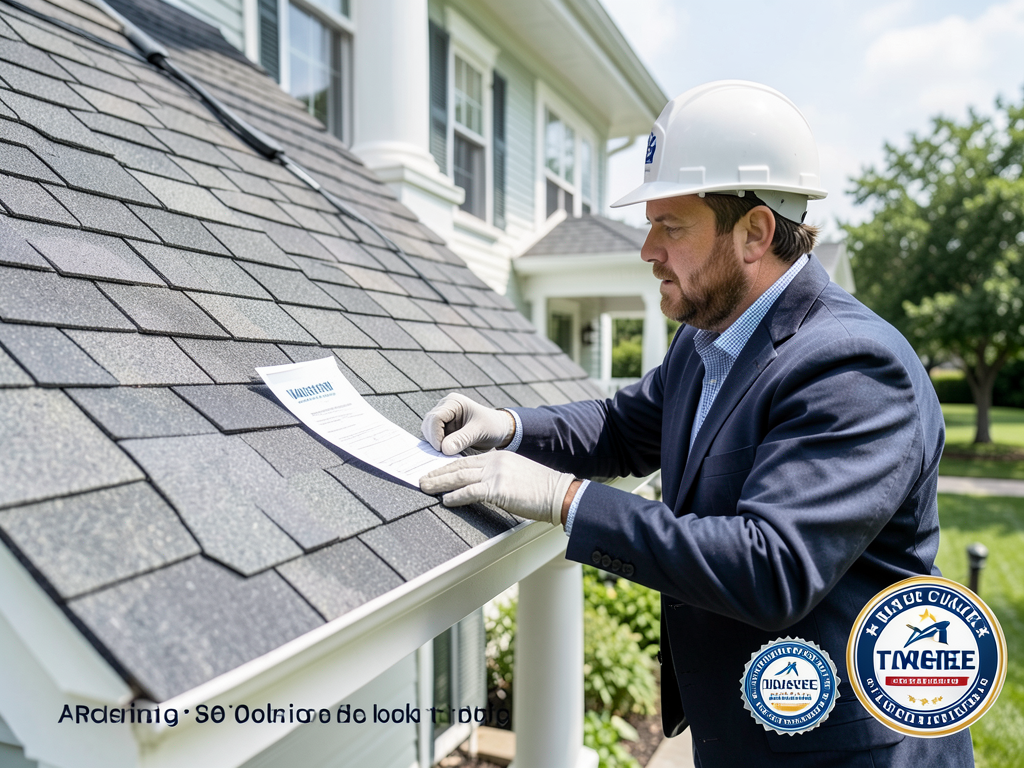
Understanding your roofing warranty is crucial when investing in a new roof for your Boston home. Many homeowners don’t realize that their ’50-year warranty’ only covers the shingles themselves, not the installation work. This confusion can leave you unprotected when problems arise from improper installation or workmanship errors. Why Metal Roofing is Becoming a Top Choice for Coastal East Boston Homes.
A manufacturer warranty covers defects in the roofing materials themselves. If your shingles crack, curl, or fail prematurely due to manufacturing defects, this warranty kicks in. However, it does not cover problems caused by poor installation, inadequate ventilation, or other workmanship issues. That’s where a workmanship guarantee becomes essential. The Best Roofing Strategies for Multi-Family Property Owners in Savin Hill.
Think of it this way: the manufacturer warranty protects you from bad shingles, while the workmanship guarantee protects you from bad roofers. Both are necessary for complete protection in Boston’s harsh climate where roofs face heavy snow loads, ice dams, and strong coastal winds.. Read more about Why your manufacturer warranty won’t cover storm damage in Stoughton.
Manufacturer vs. Workmanship Warranties: What’s the Difference?
The fundamental difference between these two protections lies in what each covers. Manufacturer warranties protect against material defects, while workmanship guarantees protect against installation errors. Understanding this distinction can save you thousands in unexpected repair costs.
Manufacturer warranties typically cover the cost of replacing defective shingles or materials. They may offer prorated coverage that decreases over time or non-prorated coverage for a set period. These warranties are provided directly by the shingle manufacturer like GAF, CertainTeed, or Owens Corning. GAF roofing warranty information.
Workmanship guarantees, on the other hand, cover the labor and installation work performed by your roofing contractor. If your roof leaks due to improper flashing installation, inadequate underlayment, or poor nailing techniques, the workmanship guarantee is what protects you. These guarantees are provided by the contractor and their network of suppliers. Roofing Quincy.
Coverage Comparison:
| Warranty Type | Covers | Provided By | Typical Duration |
|---|---|---|---|
| Manufacturer Warranty | Material defects only | Shingle manufacturer | 10-50 years |
| Workmanship Guarantee | Installation errors | Roofing contractor | 2-25 years |
Types of Manufacturer Warranties
Manufacturer warranties come in several tiers, each offering different levels of protection. Understanding these options helps you make informed decisions about your roofing investment. Tile Roofing Services.
Standard shingle warranties typically offer 20-30 year coverage for basic architectural shingles. These warranties are limited to manufacturing defects and often include prorated coverage after the first few years. They rarely cover labor costs for removal and replacement.
Extended manufacturer warranties provide enhanced protection by covering both materials and labor for a specified period. These warranties often require installation by certified contractors and may include additional benefits like wind damage coverage or algae resistance guarantees.
Full system warranties represent the highest level of manufacturer protection. These comprehensive warranties cover the entire roofing system including underlayment, flashing, and ventilation components. They typically require specific product combinations and certified installation to qualify.
Warranty Comparison Table:
| Warranty Level | Coverage Scope | Requirements | Cost Premium |
|---|---|---|---|
| Standard | Materials only | None | None |
| Extended | Materials + labor | Certified installer | 5-15% premium |
| Full System | Complete roofing system | Specific products + certified installer | 15-25% premium |
The Local Factor: How Boston Weather Impacts Your Warranty
Boston’s unique climate creates specific challenges that affect both warranty coverage and roof performance. The Massachusetts State Building Code (780 CMR) requires enhanced protection measures that directly impact warranty requirements. Massachusetts State Building Code 780 CMR.
Ice dam formation is a major concern in Boston where freeze-thaw cycles are common. The building code requires ice and water shield extending at least 24 inches inside the exterior wall line in ice dam prone areas. This secondary moisture barrier is crucial for warranty compliance and preventing water infiltration.
Wind speeds in coastal areas like Revere and Lynn can exceed 70 mph during nor’easters. Massachusetts building codes require specific fastening patterns and wind ratings for roofing materials. Standard warranties may not cover wind damage if installation doesn’t meet these enhanced requirements.
Temperature fluctuations in Boston cause asphalt shingles to expand and contract more than in milder climates. This movement can stress installation points and create gaps if not properly accounted for during installation. Quality workmanship becomes even more critical in our climate.
During a recent roof replacement in Quincy, we discovered that the previous installation failed to account for proper ventilation. The trapped heat and moisture caused premature shingle deterioration, which would have been covered under a workmanship guarantee but not the manufacturer warranty. This is why both protections matter in Boston.
Common Exclusions: What Most Boston Roofers Won’t Tell You
Both manufacturer warranties and workmanship guarantees come with exclusions that can surprise homeowners. Understanding these limitations helps you make informed decisions and avoid costly misunderstandings.
Most manufacturer warranties exclude damage from severe weather events like hurricanes, hail, or falling trees. They also typically exclude problems caused by inadequate attic ventilation, which is particularly important in Boston’s humid climate where moisture buildup can be severe.
Workmanship guarantees often exclude damage from acts of God, neglect, or modifications made by other contractors. If you have your roof walked on by HVAC technicians or solar installers, any resulting damage might not be covered under your original workmanship guarantee.
Both types of warranties typically require regular maintenance to remain valid. This includes keeping gutters clean, removing debris, and addressing minor issues before they become major problems. Failure to maintain your roof can void both manufacturer and workmanship coverage. The Best Way to Keep Gutters Clog-Free in Wooded West Roxbury Neighborhoods.
Many Boston homeowners are surprised to learn that warranties don’t cover the cost of tear-off and disposal when replacing defective materials. This can add significant expense to warranty claims, especially for large commercial roofs or complex residential installations.
Warranty Transferability: Impact on Your Boston Property Value
A transferable warranty can be a significant selling point in Boston’s competitive real estate market. When you sell your home, being able to transfer your roofing warranty to the new owner adds value and provides peace of mind to potential buyers.
Transferable manufacturer warranties typically require notification to the manufacturer and may involve a small transfer fee. The new owner gains the remaining coverage period, which can be a strong selling point for homes with newer roofs in established neighborhoods like Newton or Quincy.
Workmanship guarantees are also transferable in many cases, though the process varies by contractor. Some Boston roofing companies offer lifetime workmanship guarantees that transfer with the property, providing long-term protection that appeals to buyers concerned about future maintenance costs.
In Boston’s historic districts, where preservation requirements can make roof replacements more complex and expensive, having transferable warranties becomes even more valuable. Buyers understand that they’re not just purchasing a home, but also the continued protection of a significant investment.
Call (857) 387-1711 today to schedule your inspection. Our team can explain exactly what your current warranty covers and help you understand if upgrading to enhanced protection makes sense for your Boston home.
Frequently Asked Questions
What’s the difference between a prorated and non-prorated warranty?
A prorated warranty reduces your coverage amount each year, so you receive less compensation as your roof ages. A non-prorated warranty provides full coverage for a set period, then may convert to prorated coverage. Non-prorated coverage typically costs more but offers better long-term protection.
How long should a workmanship guarantee last?
Quality workmanship guarantees typically last 5-10 years for standard installations and up to 25 years for premium work. The duration often correlates with the contractor’s experience level and the complexity of your roof. Always get the guarantee terms in writing before work begins.
Can I upgrade my existing roof’s warranty?
Yes, in many cases you can enhance your roof’s protection. This might involve adding proper ventilation, upgrading to higher-quality materials, or having a certified contractor inspect and certify your existing installation. Some manufacturers offer warranty upgrades even for roofs that are several years old.
What happens if my contractor goes out of business?
If your contractor becomes unavailable, manufacturer warranties remain valid but you’ll need to find a certified installer to handle any claims. Workmanship guarantees from bankrupt contractors become difficult to enforce. This is why choosing established, financially stable contractors with strong reputations is crucial.
Pick up the phone and call (857) 387-1711 before the next storm hits. Our Boston roofing experts can help you understand exactly what protections you need and ensure your investment is properly covered against New England’s challenging weather conditions.
{
“@context”: “https://schema.org”,
“@type”: “BlogPosting”,
“headline”: “Understanding the Vital Difference Between a Manufacturer Warranty and a Workmanship Guarantee”,
“description”: “Learn how manufacturer warranties differ from workmanship guarantees for Boston roofs. Protect your investment with proper coverage against New England’s harsh weather.”,
“wordCount”: 1400,
“datePublished”: “2026-05-05T08:58:00.000Z”,
“dateModified”: “2026-05-05T08:58:00.000Z”,
“inLanguage”: “en-US”,
“mainEntityOfPage”: {
“@type”: “WebPage”,
“@id”: “https://silverlineroofingboston.com”
},
“publisher”: {
“@type”: “LocalBusiness”,
“name”: “Silverline Roofing Boston”,
“url”: “https://silverlineroofingboston.com”
},
“author”: {
“@type”: “Organization”,
“name”: “Silverline Roofing Boston”,
“url”: “https://silverlineroofingboston.com”
},
“image”: {
“@type”: “ImageObject”,
“url”: “https://silverlineroofingboston.com/wp-content/uploads/2026/03/understanding-the-vital-difference-between-a-manuf-1.png”
}
}
{
“@context”: “https://schema.org”,
“@type”: “RoofingContractor”,
“name”: “Silverline Roofing Boston”,
“url”: “https://silverlineroofingboston.com”,
“address”: {
“@type”: “PostalAddress”,
“addressLocality”: “Boston”
},
“areaServed”: {
“@type”: “City”,
“name”: “Boston”
}
}
{
“@context”: “https://schema.org”,
“@type”: “FAQPage”,
“mainEntity”: [
{
“@type”: “Question”,
“name”: “Manufacturer vs. Workmanship Warranties: What’s the Difference?”,
“acceptedAnswer”: {
“@type”: “Answer”,
“text”: “The fundamental difference between these two protections lies in what each covers. Manufacturer warranties protect against material defects, while workmanship guarantees protect against installation errors. Understanding this distinction can save you thousands in unexpected repair costs.”
}
},
{
“@type”: “Question”,
“name”: “What’s the difference between a prorated and non-prorated warranty?”,
“acceptedAnswer”: {
“@type”: “Answer”,
“text”: “A prorated warranty reduces your coverage amount each year, so you receive less compensation as your roof ages. A non-prorated warranty provides full coverage for a set period, then may convert to prorated coverage. Non-prorated coverage typically costs more but offers better long-term protection.”
}
},
{
“@type”: “Question”,
“name”: “How long should a workmanship guarantee last?”,
“acceptedAnswer”: {
“@type”: “Answer”,
“text”: “Quality workmanship guarantees typically last 5-10 years for standard installations and up to 25 years for premium work. The duration often correlates with the contractor’s experience level and the complexity of your roof. Always get the guarantee terms in writing before work begins.”
}
},
{
“@type”: “Question”,
“name”: “Can I upgrade my existing roof’s warranty?”,
“acceptedAnswer”: {
“@type”: “Answer”,
“text”: “Yes, in many cases you can enhance your roof’s protection. This might involve adding proper ventilation, upgrading to higher-quality materials, or having a certified contractor inspect and certify your existing installation. Some manufacturers offer warranty upgrades even for roofs that are several years old.”
}
},
{
“@type”: “Question”,
“name”: “What happens if my contractor goes out of business?”,
“acceptedAnswer”: {
“@type”: “Answer”,
“text”: “If your contractor becomes unavailable, manufacturer warranties remain valid but you’ll need to find a certified installer to handle any claims. Workmanship guarantees from bankrupt contractors become difficult to enforce. This is why choosing established, financially stable contractors with strong reputations is crucial.”
}
}
]
}
{
“@context”: “https://schema.org”,
“@type”: “BreadcrumbList”,
“itemListElement”: [
{
“@type”: “ListItem”,
“position”: 1,
“name”: “Home”,
“item”: “https://silverlineroofingboston.com”
},
{
“@type”: “ListItem”,
“position”: 2,
“name”: “Blog”,
“item”: “https://silverlineroofingboston.com/blog”
},
{
“@type”: “ListItem”,
“position”: 3,
“name”: “Understanding the Vital Difference Between a Manufacturer Warranty and a Workmanship Guarantee”
}
]
}
{
“@context”: “https://schema.org”,
“@type”: “Service”,
“serviceType”: “Roofing”,
“provider”: {
“@type”: “LocalBusiness”,
“name”: “Silverline Roofing Boston”,
“url”: “https://silverlineroofingboston.com”
},
“areaServed”: {
“@type”: “City”,
“name”: “Boston”
},
“description”: “Learn how manufacturer warranties differ from workmanship guarantees for Boston roofs. Protect your investment with proper coverage against New England’s harsh weather.”
}