
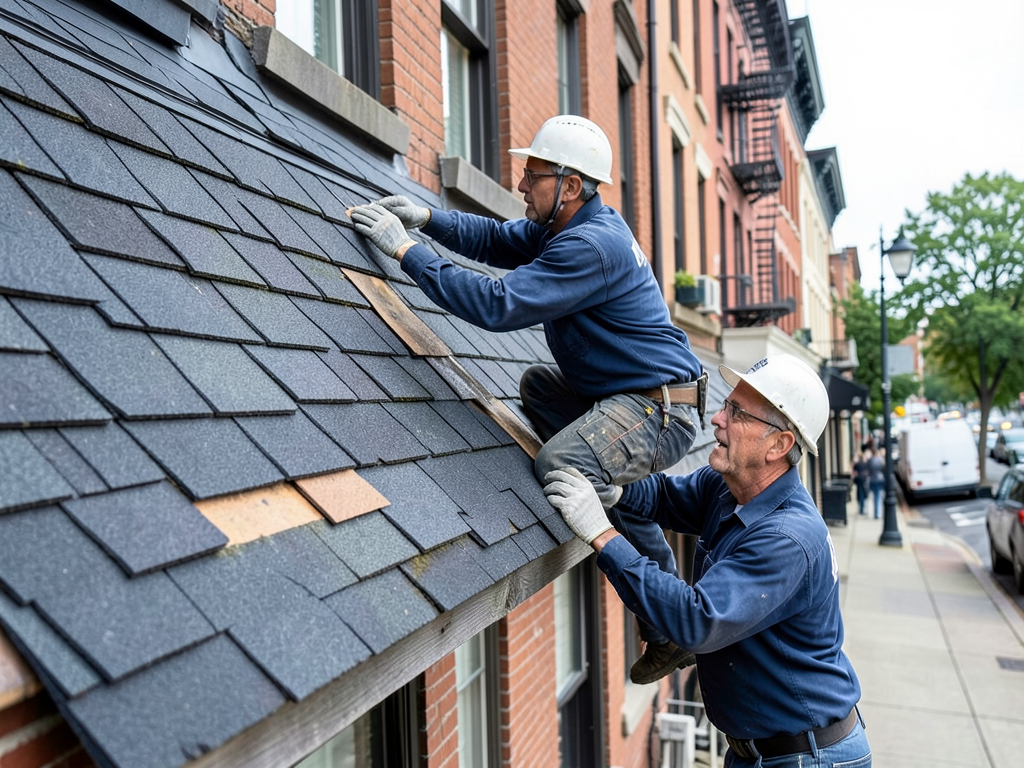
What the Heat Island Effect Means for Choosing Shingle Colors in Densely Populated Chelsea and Revere
The urban heat island effect creates a real problem for homeowners in Chelsea and Revere. Buildings, roads, and pavement absorb and trap heat during the day and release it at night. This keeps temperatures in these dense neighborhoods 5 to 7 degrees hotter than surrounding suburbs. For roofers working in these areas, the right shingle color isn’t just about curb appeal. It directly impacts your cooling bills, comfort, and even the lifespan of your roofing materials. Why Metal Roofing is Becoming a Top Choice for Coastal East Boston Homes.
In Chelsea and Revere, where row houses and commercial buildings sit shoulder to shoulder, dark shingles can make attic temperatures soar. Light-colored or “cool” shingles reflect more sunlight and help keep your home cooler. This is especially important during summer heat waves when energy demand spikes and cooling systems work overtime.
How Urban Density Changes Roofing Performance
Chelsea’s compact layout means buildings create a canyon effect. Narrow streets and tall structures block wind flow and trap heat. The Mystic River waterfront adds humidity that makes the heat feel even more oppressive. In Revere, the mix of older triple-deckers and newer construction creates similar challenges. Heat gets absorbed by roofs all day and radiates back into living spaces well into the evening.. Read more about Ways to Block Out Logan Airport Engine Noise with Sound Dampening Roofing Materials.
Traditional dark asphalt shingles can reach surface temperatures of 150 to 170 degrees on a hot summer day. This extreme heat doesn’t just warm your attic. It accelerates shingle aging, causes thermal shock damage, and increases cooling costs by 15 to 25 percent compared to reflective options.
Building codes in Suffolk County now encourage energy-efficient roofing choices. The Massachusetts State Building Code (780 CMR) includes provisions for thermal performance in new construction and major renovations. While not mandatory for all reroofs, choosing reflective materials can help you meet or exceed these standards. Mass Save Energy Efficiency Programs.
Understanding Solar Reflectance Index Ratings
The Solar Reflectance Index measures how well a roof reflects solar heat. Standard dark shingles have an SRI of 0 to 20. Cool shingles range from 20 to 40. Premium cool roofing materials can reach 60 or higher. The higher the number, the more heat gets reflected away from your home. The Best Roofing Strategies for Multi-Family Property Owners in Savin Hill.
For Chelsea and Revere homes, even a modest improvement in SRI can make a noticeable difference. A roof with an SRI of 30 instead of 15 can reduce peak cooling demand by 10 to 15 percent. This translates to lower electric bills and less strain on your air conditioning system during heat waves.
Several manufacturers now offer cool asphalt shingles that look like traditional materials but perform much better. These use special granules with reflective coatings. They come in various colors, including lighter grays, tans, and even some medium browns that maintain good SRI ratings.
Comparing Cool Roofing Material Options
| Material Type | Typical SRI Range | Cost per Square | Best For |
|---|---|---|---|
| Standard Dark Asphalt | 0-20 | $100-150 | Budget replacements |
| Cool Asphalt Shingles | 20-40 | $120-180 | Aesthetic preference |
| Metal Roofing | 40-70 | $250-400 | Long-term investment |
| Tile (Light Colors) | 35-55 | $300-500 | Durability focus |
Metal roofing offers the highest reflectivity and longest lifespan. A properly installed metal roof can last 40 to 70 years compared to 15 to 25 years for asphalt. The initial cost is higher, but the energy savings and durability often justify the investment for Chelsea and Revere homeowners planning to stay in their homes long-term. Roofing Quincy.
Cool asphalt shingles provide a middle ground. They cost more than standard shingles but less than premium materials. The energy savings help offset the higher upfront cost over time. For many homeowners, this represents the best balance of performance, appearance, and budget.
The Diagnostic Test: Measuring Your Roof’s Heat Gain
Before choosing materials, a proper diagnostic inspection reveals how much heat your current roof absorbs. We use an infrared thermometer to measure surface temperatures at different times of day. This shows which areas get hottest and helps identify ventilation problems that trap heat.
During an inspection, we check attic temperatures, ventilation flow, and insulation levels. Poor ventilation can make even a cool roof perform poorly. In dense neighborhoods like Chelsea’s Broadway corridor or Revere’s Broadway area, homes often have limited airflow due to their proximity to neighbors.
We also examine the existing roof’s condition. If shingles are curling or losing granules, they’re not reflecting heat effectively anymore. This is a sign replacement is needed regardless of color choice. The diagnostic process helps determine whether a full replacement or targeted improvements will deliver the best results.
Installation Considerations for Dense Neighborhoods
Working in Chelsea and Revere requires different approaches than suburban areas. Streets are narrow, parking is limited, and many homes have limited roof access. We use smaller equipment and coordinate carefully with neighbors to minimize disruption.
Historical district requirements in some areas may limit color choices or material types. Chelsea’s Planning Department reviews roofing projects in certain zones. We handle all permitting requirements and ensure compliance with local regulations while still achieving your energy efficiency goals. EPA Heat Island Effect Information.
Weather timing matters too. Summer installations require careful scheduling to avoid working during peak heat hours. We often start early in the morning and finish by early afternoon when temperatures are most extreme. This protects both our crew and ensures proper material installation.
Cost-Benefit Analysis for Local Homeowners
The energy savings from cool roofing vary based on your home’s characteristics. A typical Chelsea or Revere home might save $150 to $300 per year on cooling costs with reflective shingles. Over a 20-year period, that’s $3,000 to $6,000 in energy savings. Tile Roofing Services.
Additional benefits include extended roof life, reduced HVAC maintenance, and improved comfort. Homes with better temperature control often sell faster and at higher prices. While these benefits are harder to quantify, they add significant value beyond the energy savings.
The payback period for cool roofing typically ranges from 5 to 12 years depending on material choice and local energy rates. For homeowners planning to stay 10+ years, the investment usually makes financial sense. Even if you plan to sell sooner, the improved comfort and efficiency appeal to buyers.
Local Climate Factors Affecting Your Choice
Chelsea and Revere experience unique weather patterns that influence roofing performance. The coastal location means higher humidity levels than inland areas. This moisture can affect how heat transfers through roofing materials. Salt air exposure also impacts material durability, particularly for metal roofs near the waterfront.
Winter conditions create different challenges. Dark roofs help melt snow in sunny conditions, while reflective roofs may retain snow longer. This can be beneficial for preventing ice dams but may increase snow load on the roof structure. We consider your specific roof pitch and drainage when recommending materials.
Wind exposure is another factor. Both cities experience strong gusts during coastal storms. Some cool roofing materials perform better in high winds than others. We select products rated for local wind conditions to ensure long-term durability.
Maintenance Requirements for Different Materials
All roofing materials require some maintenance, but the frequency and type vary. Standard asphalt shingles need regular inspections for granule loss and damage. Cool asphalt shingles may require slightly more frequent cleaning to maintain their reflective properties, especially in areas with tree cover.
Metal roofs need minimal maintenance but should be checked for loose fasteners and sealant integrity. Tile roofs are extremely durable but individual tiles can crack and need replacement. The key is matching maintenance requirements to your willingness to perform upkeep.
In dense neighborhoods, debris accumulation is common. Leaves, branches, and even trash can collect on roofs. Regular cleaning prevents moisture retention and maintains the reflective properties of cool roofing materials. We recommend annual inspections and cleaning for most homes in these areas.
Environmental Impact Beyond Your Home
Choosing reflective roofing helps reduce the urban heat island effect in your neighborhood. When multiple homes install cool roofs, the cumulative impact can lower local temperatures by several degrees. This benefits everyone by reducing overall energy demand and improving air quality.
Many cool roofing materials contain recycled content and are recyclable at the end of their life. This reduces landfill waste compared to traditional shingles. Some manufacturers also use sustainable production methods that further reduce environmental impact.
The reduced energy consumption from cool roofs also means lower carbon emissions from power plants. For environmentally conscious homeowners, this represents a tangible way to reduce their carbon footprint while improving their home’s comfort and efficiency.
Making the Right Choice for Your Home
The best roofing choice depends on your specific situation. Consider your budget, how long you plan to stay in the home, local regulations, and your energy efficiency goals. A professional assessment can help you weigh these factors and make an informed decision.
Don’t let cost alone drive your decision. The cheapest option today may cost more over time through higher energy bills and earlier replacement needs. Similarly, the most expensive option isn’t always necessary. We help you find the sweet spot between performance, appearance, and budget.
Ready to explore cool roofing options for your Chelsea or Revere home? Call (857) 387-1711 today to schedule your inspection. Our team will assess your current roof, discuss material options, and provide a detailed proposal with energy savings estimates. Don’t wait until summer heat makes your cooling bills unbearable.
Frequently Asked Questions
How much more do cool shingles cost compared to standard shingles?
Cool asphalt shingles typically cost $20 to $50 more per square than standard dark shingles. For an average home, this adds $300 to $800 to the total project cost. The energy savings often offset this difference within 5 to 8 years.
Will a cool roof make my home too cold in winter?
The heat reflection benefits are most noticeable during summer months. In winter, the sun’s angle is lower and days are shorter, so the impact on heat gain is minimal. The energy savings from reduced cooling costs far outweigh any minor increase in heating needs.
Do I need special ventilation with cool roofing?
Proper ventilation is important regardless of roof color. Cool roofing works best when combined with adequate attic ventilation. We assess your current ventilation and recommend improvements if needed to maximize the benefits of reflective materials.
Are there rebates available for cool roofing in Massachusetts?
Some utility companies offer rebates for energy-efficient roofing improvements. Mass Save programs occasionally include roofing incentives when combined with other energy upgrades. We stay current on available programs and can help you identify potential savings opportunities.
{
“@context”: “https://schema.org”,
“@type”: “BlogPosting”,
“headline”: “What the Heat Island Effect Means for Choosing Shingle Colors in Densely Populated Chelsea and Revere”,
“description”: “Learn how Chelsea and Revere’s urban heat islands impact roofing choices. Discover cool roof options that lower energy costs and improve comfort in dense Massachusetts neighborhoods.”,
“wordCount”: 1765,
“datePublished”: “2026-04-11T09:17:00.000Z”,
“dateModified”: “2026-04-11T09:17:00.000Z”,
“inLanguage”: “en-US”,
“mainEntityOfPage”: {
“@type”: “WebPage”,
“@id”: “https://silverlineroofingboston.com”
},
“publisher”: {
“@type”: “LocalBusiness”,
“name”: “Silverline Roofing Boston”,
“url”: “https://silverlineroofingboston.com”
},
“author”: {
“@type”: “Organization”,
“name”: “Silverline Roofing Boston”,
“url”: “https://silverlineroofingboston.com”
},
“image”: {
“@type”: “ImageObject”,
“url”: “https://silverlineroofingboston.com/wp-content/uploads/2026/03/what-the-heat-island-effect-means-for-choosing-shi-1.png”
}
}
{
“@context”: “https://schema.org”,
“@type”: “RoofingContractor”,
“name”: “Silverline Roofing Boston”,
“url”: “https://silverlineroofingboston.com”,
“address”: {
“@type”: “PostalAddress”,
“addressLocality”: “Boston”
},
“areaServed”: {
“@type”: “City”,
“name”: “Boston”
}
}
{
“@context”: “https://schema.org”,
“@type”: “FAQPage”,
“mainEntity”: [
{
“@type”: “Question”,
“name”: “How much more do cool shingles cost compared to standard shingles?”,
“acceptedAnswer”: {
“@type”: “Answer”,
“text”: “Cool asphalt shingles typically cost $20 to $50 more per square than standard dark shingles. For an average home, this adds $300 to $800 to the total project cost. The energy savings often offset this difference within 5 to 8 years.”
}
},
{
“@type”: “Question”,
“name”: “Will a cool roof make my home too cold in winter?”,
“acceptedAnswer”: {
“@type”: “Answer”,
“text”: “The heat reflection benefits are most noticeable during summer months. In winter, the sun’s angle is lower and days are shorter, so the impact on heat gain is minimal. The energy savings from reduced cooling costs far outweigh any minor increase in heating needs.”
}
},
{
“@type”: “Question”,
“name”: “Do I need special ventilation with cool roofing?”,
“acceptedAnswer”: {
“@type”: “Answer”,
“text”: “Proper ventilation is important regardless of roof color. Cool roofing works best when combined with adequate attic ventilation. We assess your current ventilation and recommend improvements if needed to maximize the benefits of reflective materials.”
}
},
{
“@type”: “Question”,
“name”: “Are there rebates available for cool roofing in Massachusetts?”,
“acceptedAnswer”: {
“@type”: “Answer”,
“text”: “Some utility companies offer rebates for energy-efficient roofing improvements. Mass Save programs occasionally include roofing incentives when combined with other energy upgrades. We stay current on available programs and can help you identify potential savings opportunities.”
}
}
]
}
{
“@context”: “https://schema.org”,
“@type”: “BreadcrumbList”,
“itemListElement”: [
{
“@type”: “ListItem”,
“position”: 1,
“name”: “Home”,
“item”: “https://silverlineroofingboston.com”
},
{
“@type”: “ListItem”,
“position”: 2,
“name”: “Blog”,
“item”: “https://silverlineroofingboston.com/blog”
},
{
“@type”: “ListItem”,
“position”: 3,
“name”: “What the Heat Island Effect Means for Choosing Shingle Colors in Densely Populated Chelsea and Revere”
}
]
}
{
“@context”: “https://schema.org”,
“@type”: “Service”,
“serviceType”: “Roofing”,
“provider”: {
“@type”: “LocalBusiness”,
“name”: “Silverline Roofing Boston”,
“url”: “https://silverlineroofingboston.com”
},
“areaServed”: {
“@type”: “City”,
“name”: “Boston”
},
“description”: “Learn how Chelsea and Revere’s urban heat islands impact roofing choices. Discover cool roof options that lower energy costs and improve comfort in dense Massachusetts neighborhoods.”
}