Why hiring a commercial roofer for your residential condo building in the Seaport is a smart move
If your Seaport condo building has a flat or low-slope roof, you need a contractor who works with commercial systems every day. The Seaport’s modern mid-rise buildings often feature EPDM, TPO, or PVC membranes that residential crews rarely install. These materials demand specialized equipment, manufacturer certifications, and an understanding of Massachusetts 780 CMR building codes that govern commercial roof assemblies. When snow piles up on a flat roof or a membrane seam fails, you want a team that knows how to diagnose and repair it fast. Massachusetts State Building Code 780 CMR.
Commercial roofers also bring the right liability coverage and bonding for multi-unit buildings. A single leak in a condo can affect dozens of residents and trigger expensive interior damage claims. That’s why many Seaport property managers call Silverline Roofing Boston at (857) 387-1711 when they need a flat roof assessment. They get fast response times, code-compliant repairs, and warranties that match the investment. Boston Inspectional Services roof permits.
The Seaport’s coastal exposure means salt air, high winds, and freeze-thaw cycles that test every roof. A commercial crew knows how to install ice and water shields to the Massachusetts-required 24-inch depth inside the exterior wall line. They also understand how to flash around rooftop HVAC units, solar arrays, and mechanical curbs without creating leak paths. This level of detail separates a qualified commercial roofer from a residential crew that mostly works on peaked shingle roofs.
Choosing the right contractor isn’t just about materials. It’s about protecting your building’s value and your neighbors’ peace of mind. Call (857) 387-1711 today to schedule your inspection and get a written proposal that meets Boston Inspectional Services Department standards. Tile Roofing Services.
Key differences between commercial and residential roofing in the Seaport
Commercial and residential roofs serve the same purpose but follow very different construction paths. In the Seaport, most condo buildings use flat or low-slope assemblies that residential roofers rarely see. These systems require different materials, tools, and code knowledge than the steep-slope shingle roofs common in single-family neighborhoods.
Commercial roofers work with large membrane sheets that are heat-welded or chemically bonded in the field. Residential crews install individual shingles one by one. That difference alone changes the timeline, cost, and skill set needed. In a coastal city like Boston, where wind uplift and ponding water are constant threats, the installation method matters as much as the material choice.
Another factor is building code compliance. Massachusetts 780 CMR has specific sections for commercial roof assemblies, including fire ratings, wind load calculations, and insulation requirements. A residential contractor might not be familiar with these rules, which can lead to failed inspections or costly rework. In the Seaport, where new construction meets strict zoning, that knowledge protects your project timeline and budget.
Finally, commercial roofers carry higher insurance limits and often provide extended warranties backed by manufacturers. That coverage matters when a leak could affect multiple condo units. If you’re managing a building in the Seaport, those protections are worth the call to a commercial specialist.. Read more about Managing the unique drainage challenges of narrow East Boston alleyways and rooflines.
Common materials and systems used on Seaport condo roofs
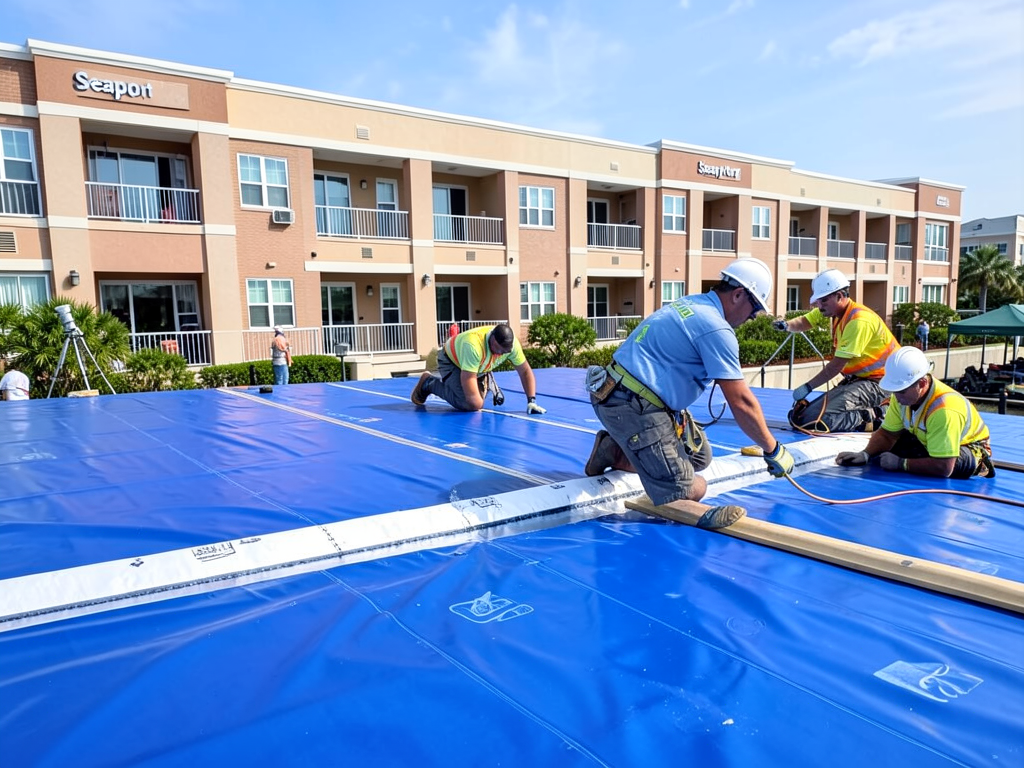
Most Seaport condo buildings rely on single-ply membranes because they handle Boston’s weather and the flat roof geometry well. EPDM, short for ethylene propylene diene terpolymer, is a durable black rubber sheet that resists UV damage and handles thermal expansion. TPO, or thermoplastic polyolefin, offers a white reflective surface that can lower cooling costs in summer. PVC, another heat-welded option, provides superior chemical resistance for buildings near the harbor where salt air is constant.
These materials install in large rolls, often 10 feet wide, and are either fully adhered, mechanically fastened, or ballasted with stone. The seams are heat-welded to create a watertight bond that residential shingles cannot match. A commercial roofer uses specialized hot-air welders and pressure rollers to ensure every seam meets manufacturer specs.
In some Seaport buildings, modified bitumen adds another layer of protection. This asphalt-based system comes in two types: SBS, which stays flexible in cold weather, and APP, which resists high heat. Both install in overlapping sheets that are torched or cold-applied, depending on the building’s use and local fire codes.
Choosing the right system starts with a roof survey. A commercial contractor measures the deck, checks the slope, and reviews the insulation R-value to meet Massachusetts energy code. That data drives the material selection and warranty options. Without it, you risk paying for a system that underperforms or fails inspection.
Why commercial experience matters for condo roof repairs
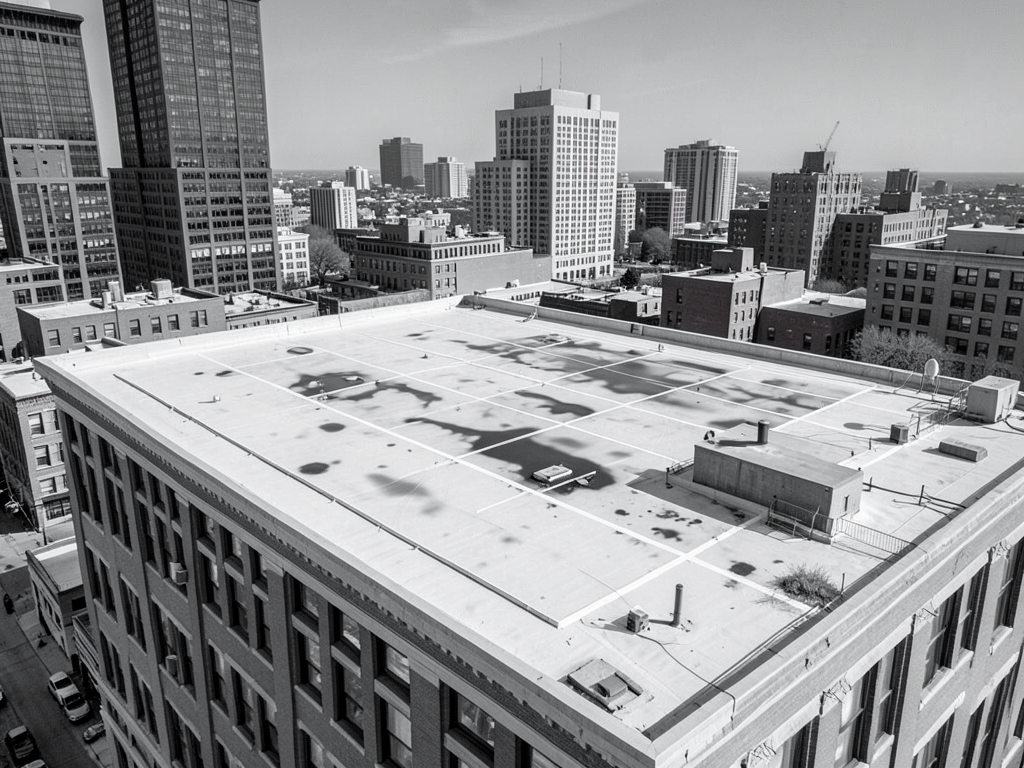
When a leak appears in a condo building, the source can be hidden under layers of insulation and membrane. Commercial roofers use infrared scanning and electronic leak detection to pinpoint problem areas without tearing up the entire roof. These tools reveal moisture trapped in the assembly, which is critical in Boston’s freeze-thaw climate where trapped water expands and worsens damage.
Commercial crews also understand how to work around rooftop equipment. Many Seaport condos have HVAC units, exhaust fans, and solar panels mounted on the roof. Flashing these penetrations correctly prevents the most common leak source in flat roofs. A residential roofer might seal them with caulk, but that fails within a few years under Boston’s weather swings.
Another advantage is the repair approach. Commercial roofers often perform targeted restorations using liquid-applied coatings or reinforced fabric patches. This method extends roof life without the cost of a full replacement. For condo associations watching their budget, that option can save tens of thousands while meeting code requirements. 24/7 Emergency Roof Repair.
Finally, commercial roofers carry the insurance and licensing to work on occupied multi-unit buildings. They coordinate with property managers to minimize noise and debris, and they provide lien waivers to protect the association. Those details matter when you’re responsible for dozens of residents’ safety and comfort.
Cost factors and long-term value for Seaport condo associations
Flat roof replacements in the Seaport typically range from $8 to $15 per square foot, depending on the material and insulation upgrades. That’s higher than residential shingle roofs, but the lifespan often doubles. A properly installed TPO or EPDM system can last 25 to 30 years with regular maintenance, while a shingle roof might need replacement after 15 to 20 years.
The initial cost includes more than just materials. Commercial projects require permitting through the Boston Inspectional Services Department, engineering stamps for large assemblies, and sometimes a licensed roof anchor system for worker safety. These steps add to the price but ensure the work meets Massachusetts 780 CMR and local zoning rules.
Energy efficiency is another factor. Many Seaport buildings upgrade to higher R-value insulation during a roof replacement to meet current code and reduce heating costs. A white TPO membrane can reflect up to 80 percent of solar heat, lowering cooling loads in summer. Over a decade, those savings can offset a significant portion of the installation cost.
Condo associations should also consider the warranty. Commercial manufacturers often back their systems with 20-year or longer warranties when installed by certified contractors. That coverage protects against material defects and sometimes includes labor, which residential shingle warranties rarely offer. For a large investment, that peace of mind is worth the call to a commercial expert.
Building code and permitting in the Seaport
Massachusetts 780 CMR governs commercial roof assemblies, including fire ratings, wind uplift resistance, and insulation values. In the Seaport, the Boston Inspectional Services Department enforces these rules and may require additional submittals for buildings near the harbor due to high wind zones. A commercial roofer knows how to prepare the structural calculations, material data sheets, and shop drawings that inspectors expect.
Ice and water shield requirements are another code detail that trips up non-commercial crews. Massachusetts mandates a 24-inch-wide ice barrier extending inside the exterior wall line on all low-slope roofs. That barrier must be installed in a specific order with the underlayment and cannot be skipped or substituted with standard felt. Missing this step can result in failed inspections and costly removal.
Permitting also involves zoning compliance. The Seaport falls under the South Boston Waterfront District guidelines, which may restrict roof equipment placement and require screening for HVAC units. A commercial contractor coordinates with the Boston Planning and Development Agency to ensure the design meets both structural and aesthetic rules.
Finally, environmental regulations apply. Buildings over a certain size must manage stormwater runoff through detention systems or green roof components. A commercial roofer can integrate these features into the assembly, keeping the project compliant and avoiding fines. Skipping this step can halt construction and damage your relationship with city officials.
Maintenance tips to protect your Seaport condo roof
Regular inspections prevent small problems from becoming expensive repairs. In Boston’s climate, schedule a professional check twice a year—once in spring to assess winter damage and again in fall to prepare for snow loads. A commercial roofer will look for membrane punctures, loose flashings, and ponding water that can shorten roof life.
Keep roof drains and scuppers clear of debris. Leaves, trash, and even misplaced tools can block drainage paths, leading to standing water that accelerates membrane wear. In the Seaport, where salt air can corrode metal components, check downspouts and overflow drains monthly during fall and after storms. Why Metal Roofing is Becoming a Top Choice for Coastal East Boston Homes.
Trim nearby trees to prevent branches from scraping the roof surface. Even small limbs can puncture TPO or EPDM during high winds. If your building has a green roof or planters, ensure irrigation lines are leak-free and that plant roots are not penetrating the waterproof membrane.
Document all maintenance work and keep warranties on file. If a leak occurs, having a clear history helps the contractor diagnose the issue faster and can support warranty claims. For condo associations, this record also proves due diligence to insurance carriers and city inspectors.
Frequently Asked Questions
Can a residential roofer handle my condo’s flat roof?
Most residential roofers lack the tools, materials, and code knowledge for commercial flat roofs. They may install shingles or small patches, but large membrane systems require heat welding, specialized adhesives, and manufacturer certifications that only commercial crews maintain.
How long does a commercial roof replacement take in the Seaport?
Timelines vary by size and weather, but most flat roof replacements take one to three weeks from demolition to final inspection. Permitting can add another two to four weeks, so plan accordingly and work with a contractor who handles the paperwork.
What warranties are available for commercial roofing?
Manufacturers offer warranties from 10 to 30 years when the roof is installed by a certified contractor. Some cover only materials, while others include labor and maintenance. Ask your contractor to explain the options and what is required to keep the warranty valid.
How can I tell if my roof needs repair or replacement?
Leaks, blisters, and ponding water lasting more than 48 hours are warning signs. If your roof is over 15 years old or has had multiple repairs, a professional inspection can determine whether a restoration or full replacement makes more sense.
Does my condo association need to hire a specific type of contractor?
Yes. In Massachusetts, any contractor working on a commercial roof must carry proper licensing, insurance, and bonding. For condo associations, that coverage protects against liability if a worker is injured or if a leak damages multiple units.
Ready to protect your Seaport condo building?
Don’t wait for the next storm to find out your roof can’t handle Boston’s weather. A qualified commercial roofer can assess your flat roof, recommend the right system, and handle all permitting and code compliance. With the right contractor, you get a durable, energy-efficient roof that protects your investment and your neighbors’ homes.
Call (857) 387-1711 today to schedule your inspection. Silverline Roofing Boston has the experience, tools, and local knowledge to keep your Seaport condo building safe and dry for years to come. The Best Roofing Strategies for Multi-Family Property Owners in Savin Hill.
You may also find this helpful. Protecting your roof from the high-velocity wind gusts common in coastal Hull and Scituate.
You may also find this helpful. Navigating the complexities of shared roof repairs for semi-detached homes in the South End.
{
“@context”: “https://schema.org”,
“@type”: “BlogPosting”,
“headline”: “Why hiring a commercial roofer for your residential condo building in the Seaport is a smart move”,
“description”: “Discover why Seaport condo associations trust commercial roofing expertise for flat roofs, TPO systems, and Massachusetts code compliance.”,
“wordCount”: 2008,
“datePublished”: “2026-05-30T15:29:00.000Z”,
“dateModified”: “2026-05-30T15:29:00.000Z”,
“inLanguage”: “en-US”,
“mainEntityOfPage”: {
“@type”: “WebPage”,
“@id”: “https://silverlineroofingboston.com”
},
“publisher”: {
“@type”: “LocalBusiness”,
“name”: “Silverline Roofing Boston”,
“url”: “https://silverlineroofingboston.com”
},
“author”: {
“@type”: “Organization”,
“name”: “Silverline Roofing Boston”,
“url”: “https://silverlineroofingboston.com”
},
“image”: {
“@type”: “ImageObject”,
“url”: “https://silverlineroofingboston.com/wp-content/uploads/2026/03/why-hiring-a-commercial-roofer-for-your-residentia-1.png”
}
}
{
“@context”: “https://schema.org”,
“@type”: “RoofingContractor”,
“name”: “Silverline Roofing Boston”,
“url”: “https://silverlineroofingboston.com”,
“address”: {
“@type”: “PostalAddress”,
“addressLocality”: “Boston”
},
“areaServed”: {
“@type”: “City”,
“name”: “Boston”
}
}
{
“@context”: “https://schema.org”,
“@type”: “FAQPage”,
“mainEntity”: [
{
“@type”: “Question”,
“name”: “Can a residential roofer handle my condo’s flat roof?”,
“acceptedAnswer”: {
“@type”: “Answer”,
“text”: “Most residential roofers lack the tools, materials, and code knowledge for commercial flat roofs. They may install shingles or small patches, but large membrane systems require heat welding, specialized adhesives, and manufacturer certifications that only commercial crews maintain.”
}
},
{
“@type”: “Question”,
“name”: “How long does a commercial roof replacement take in the Seaport?”,
“acceptedAnswer”: {
“@type”: “Answer”,
“text”: “Timelines vary by size and weather, but most flat roof replacements take one to three weeks from demolition to final inspection. Permitting can add another two to four weeks, so plan accordingly and work with a contractor who handles the paperwork.”
}
},
{
“@type”: “Question”,
“name”: “What warranties are available for commercial roofing?”,
“acceptedAnswer”: {
“@type”: “Answer”,
“text”: “Manufacturers offer warranties from 10 to 30 years when the roof is installed by a certified contractor. Some cover only materials, while others include labor and maintenance. Ask your contractor to explain the options and what is required to keep the warranty valid.”
}
},
{
“@type”: “Question”,
“name”: “How can I tell if my roof needs repair or replacement?”,
“acceptedAnswer”: {
“@type”: “Answer”,
“text”: “Leaks, blisters, and ponding water lasting more than 48 hours are warning signs. If your roof is over 15 years old or has had multiple repairs, a professional inspection can determine whether a restoration or full replacement makes more sense.”
}
},
{
“@type”: “Question”,
“name”: “Does my condo association need to hire a specific type of contractor?”,
“acceptedAnswer”: {
“@type”: “Answer”,
“text”: “Yes. In Massachusetts, any contractor working on a commercial roof must carry proper licensing, insurance, and bonding. For condo associations, that coverage protects against liability if a worker is injured or if a leak damages multiple units.”
}
},
{
“@type”: “Question”,
“name”: “Ready to protect your Seaport condo building?”,
“acceptedAnswer”: {
“@type”: “Answer”,
“text”: “Don’t wait for the next storm to find out your roof can’t handle Boston’s weather. A qualified commercial roofer can assess your flat roof, recommend the right system, and handle all permitting and code compliance. With the right contractor, you get a durable, energy-efficient roof that protects your investment and your neighbors’ homes.”
}
}
]
}
{
“@context”: “https://schema.org”,
“@type”: “BreadcrumbList”,
“itemListElement”: [
{
“@type”: “ListItem”,
“position”: 1,
“name”: “Home”,
“item”: “https://silverlineroofingboston.com”
},
{
“@type”: “ListItem”,
“position”: 2,
“name”: “Blog”,
“item”: “https://silverlineroofingboston.com/blog”
},
{
“@type”: “ListItem”,
“position”: 3,
“name”: “Why hiring a commercial roofer for your residential condo building in the Seaport is a smart move”
}
]
}
{
“@context”: “https://schema.org”,
“@type”: “Service”,
“serviceType”: “Roofing”,
“provider”: {
“@type”: “LocalBusiness”,
“name”: “Silverline Roofing Boston”,
“url”: “https://silverlineroofingboston.com”
},
“areaServed”: {
“@type”: “City”,
“name”: “Boston”
},
“description”: “Discover why Seaport condo associations trust commercial roofing expertise for flat roofs, TPO systems, and Massachusetts code compliance.”
}