
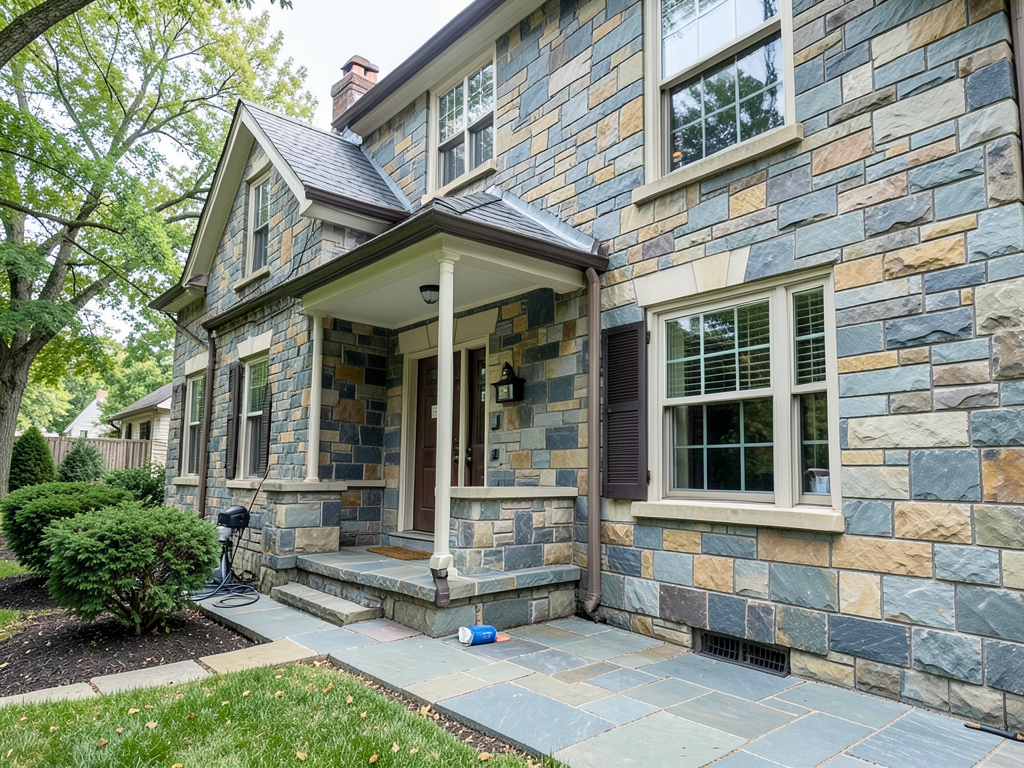
Why Synthetic Slate is a Smarter Choice for Modern Homes in Newton
Homeowners in Newton face unique roofing challenges from heavy snow loads to strict historical district regulations. Synthetic slate offers the elegant appearance of natural stone without the weight or cost penalties that make traditional slate problematic for many Boston-area homes. Bringing Natural Light into Your South End Attic with Custom Skylights.
Synthetic slate roofing delivers Class 4 impact resistance against hail damage and withstands freeze-thaw cycles that destroy lesser materials. The lightweight polymer composition eliminates the need for structural reinforcement while providing a 50-year lifespan that matches or exceeds quarried slate. Why Metal Roofing is Becoming a Top Choice for Coastal East Boston Homes.
Newton’s historic neighborhoods like Thompsonville and Nonantum require materials that maintain architectural integrity while meeting modern performance standards. Synthetic slate passes Massachusetts Historical Commission guidelines for appearance while offering superior weather resistance against coastal storms and ice dam formation.
Installation costs run 40-60% lower than natural slate with comparable warranties. The material’s recycled content appeals to environmentally conscious homeowners while the reduced weight protects aging roof structures common in Newton’s early 20th century housing stock.
Silverline Roofing Boston has installed synthetic slate systems throughout Newton since 2015, completing projects in zip codes 02458, 02459, and 02460. Our certified installers understand the specific challenges of working in Newton’s historical districts and coastal climate zone. The Best Roofing Strategies for Multi-Family Property Owners in Savin Hill.
Call (857) 387-1711 today to schedule your inspection.
Understanding Synthetic Slate Technology
Synthetic slate consists of polymer composite materials engineered to replicate the dimensional texture and color variation of natural slate. The manufacturing process uses recycled rubber and plastic combined with mineral dust to create authentic-looking tiles that weigh 75% less than quarried slate.
The polymer matrix provides flexibility that prevents cracking during freeze-thaw cycles. Each tile includes UV inhibitors that maintain color stability for decades. Unlike natural slate which can spall and delaminate, synthetic versions maintain their integrity through New England’s temperature extremes.
Leading manufacturers like DaVinci Roofscapes and Brava use injection molding to create tiles with authentic chisel marks and surface textures. The result is a material that passes visual inspection from ground level while offering superior performance characteristics.
Installation requires specialized training to ensure proper fastening patterns and ventilation. Synthetic slate uses hidden fastening systems that eliminate exposed nails while allowing thermal movement. This prevents the uplift damage common with traditional slate during high wind events.
The material’s Class A fire rating exceeds natural slate’s performance while providing better impact resistance against falling branches and hail. Most synthetic products carry 50-year warranties covering both material defects and weather-related damage.
Call (857) 387-1711 to learn which synthetic slate system fits your home’s architecture.
Benefits for New England’s Harsh Climate
New England’s freeze-thaw cycles create expansion and contraction forces that destroy many roofing materials. Synthetic slate’s polymer composition absorbs these stresses without cracking. The material maintains flexibility at temperatures as low as -40°F while natural slate becomes brittle and prone to fracture.
Ice dam formation represents a major threat to Newton homes. When melting snow refreezes at roof edges, it creates water backup that damages shingles and underlayment. Synthetic slate’s superior water shedding and ice barrier compatibility prevent this damage pattern.
Coastal storms bring wind speeds exceeding 70 mph in areas near the Charles River. Synthetic slate achieves Class H wind ratings when properly installed, exceeding the performance of natural slate which can become dislodged by uplift forces.
Snow load presents another critical factor. A typical New England winter deposits 40-60 pounds per square foot of snow on roofs. Synthetic slate’s lightweight nature reduces structural stress while its interlocking design prevents wind-driven snow infiltration.
The material’s resistance to algae and moss growth eliminates the dark streaking common on natural slate in humid coastal areas. UV-resistant pigments prevent the color fading that affects natural slate exposed to salt air and intense sunlight.
Silverline Roofing tests every synthetic slate installation with moisture meters to verify proper underlayment installation. This diagnostic step prevents the hidden water damage that causes premature roof failure in Newton’s climate.
Protect your home from Newton’s next Nor’easter. Call (857) 387-1711 for a free assessment.
Synthetic vs Natural Slate: Cost and Performance Comparison
| Feature | Synthetic Slate | Natural Slate |
|---|---|---|
| Material Cost per Square | $350-450 | $800-1,200 |
| Installation Cost per Square | $250-350 | $400-600 |
| Total Installed Cost | $600-800 | $1,200-1,800 |
| Weight per Square | 200-250 lbs | 800-1,200 lbs |
| Lifespan | 40-50 years | 75-100 years |
| Impact Resistance | Class 4 | Class 3 |
| Freeze-Thaw Performance | Excellent | Fair to Poor |
| Structural Requirements | Standard | Often Reinforced |
The cost differential becomes more significant when considering structural requirements. Many Newton homes built before 1950 cannot support natural slate without expensive roof deck reinforcement. Synthetic slate installs directly over existing decking in most cases.
Installation time runs 30-40% faster with synthetic materials due to lighter weight and simplified fastening systems. This reduces labor costs and minimizes disruption to homeowners during the roofing process.
Warranty coverage differs significantly between products. Natural slate typically carries 50-75 year material warranties but excludes installation defects. Synthetic slate manufacturers like DaVinci provide comprehensive 50-year warranties covering both materials and workmanship.
Repairability represents another advantage. Individual synthetic tiles can be replaced without affecting surrounding materials. Natural slate requires matching existing tiles, which becomes difficult as quarries close and color variations emerge over decades. EPA Sustainable Materials Management.
Energy efficiency varies between materials. Synthetic slate’s polymer composition provides slight insulation benefits while natural slate’s density creates thermal mass that can increase cooling costs in summer months.
Compare your options with a Silverline Roofing specialist. Call (857) 387-1711 to schedule a consultation.
Installation Process and Structural Considerations
Proper installation begins with comprehensive roof deck inspection. Our technicians use moisture meters to detect hidden water damage that could compromise the new roofing system. This diagnostic step identifies areas requiring repair before installation begins.
Underlayment selection proves critical for synthetic slate performance. We install synthetic underlayment with ice and water shield extending 24 inches inside the exterior wall line per Massachusetts building code 780 CMR 1510.2. This exceeds the minimum requirements for ice dam protection.
Ventilation requirements differ from traditional roofing. Synthetic slate needs continuous airflow to prevent moisture accumulation in the attic space. We install ridge vents and soffit ventilation to achieve the 1:150 ventilation ratio required by modern building standards.
Flashing details require special attention around chimneys, valleys, and roof penetrations. We use lead-coated copper flashing compatible with synthetic materials. The flashing extends under tiles to create watertight seals that prevent the ice dam damage common in Newton’s climate.
Fastening patterns follow manufacturer specifications for wind uplift resistance. We use stainless steel fasteners with neoprene washers that accommodate thermal movement. Each fastener location gets verified with a torque wrench to ensure proper tension.
Snow guard installation prevents the dangerous snow slides common on synthetic slate roofs. We mount aluminum snow guards at predetermined intervals based on roof pitch and expected snow loads. This protects walkways and landscaping from falling ice and snow.
The installation process typically requires 3-5 days for an average Newton home. We maintain clean job sites and use protective coverings to prevent damage to landscaping and exterior surfaces during the roofing process.
Our certified installers understand Newton’s specific requirements. Call (857) 387-1711 to schedule your installation.
Leading Synthetic Slate Manufacturers
DaVinci Roofscapes produces the industry’s most realistic synthetic slate using virgin polymers and UV inhibitors. Their tiles achieve Class 4 impact resistance and pass California’s strict fire testing requirements. The company offers 50-year warranties and maintains a network of certified installers throughout Massachusetts. A Realistic Checklist for Your Next Boston Roof Inspection.
Brava Building Products manufactures composite slate tiles using recycled materials. Their products achieve Class A fire ratings and exceed Miami-Dade County’s hurricane impact standards. The company’s color-through technology prevents the fading common in lower-quality synthetic materials.
EcoStar offers the industry’s most environmentally friendly option using 80% recycled content. Their Majestic Slate product line achieves Class 4 impact resistance and carries 50-year warranties. The company’s closed-loop manufacturing process appeals to environmentally conscious homeowners.
Interlock Roofing produces metal-based composite slate that combines the appearance of stone with metal’s durability. Their products achieve Class 4 impact resistance and Class A fire ratings. The material’s interlocking design provides superior wind uplift resistance in coastal areas.
Material selection depends on specific project requirements. DaVinci excels in historical district applications where appearance matters most. Brava offers the best value for standard residential installations. EcoStar leads in environmental sustainability. Interlock provides superior wind resistance for coastal properties.
Silverline Roofing maintains certifications with multiple manufacturers to provide unbiased recommendations based on each homeowner’s specific needs and budget constraints.
Learn which manufacturer best suits your home. Call (857) 387-1711 for expert guidance.
Historical District Compliance in Newton
Newton’s historical districts require material approval from the Newton Historical Commission before installation. Synthetic slate must match existing architectural character while meeting modern performance standards. The commission evaluates color, texture, and installation patterns for historical compatibility.
Thompsonville and Nonantum contain the highest concentrations of historical properties requiring approval. These neighborhoods feature early 20th century homes with slate roofs that have reached the end of their service life. Synthetic alternatives provide cost-effective replacement options that maintain neighborhood character.
Massachusetts Historical Commission guidelines allow synthetic materials when they demonstrate equivalent durability and appearance to traditional materials. The commission evaluates manufacturer specifications and installation methods before granting approval.
Application requirements include material samples, manufacturer specifications, and installation details. The commission reviews these documents to verify that synthetic materials will maintain the historical district’s architectural integrity for decades to come.
Silverline Roofing maintains relationships with historical commission staff throughout Newton. Our experience with the approval process helps homeowners navigate requirements efficiently while ensuring compliance with all regulations.
The approval process typically requires 2-4 weeks depending on commission meeting schedules. We prepare comprehensive applications that address all commission concerns, reducing the likelihood of delays or rejections.
Successful installations in historical districts demonstrate that synthetic slate can preserve architectural character while providing superior weather resistance and reduced maintenance requirements compared to natural slate.
Navigate historical district requirements with expert help. Call (857) 387-1711 for consultation.
Maintenance and Longevity Considerations
Synthetic slate requires minimal maintenance compared to natural slate. Annual inspections identify loose fasteners or damaged tiles before water infiltration occurs. We recommend professional inspections every two years to verify system integrity.
Cleaning requirements remain minimal due to the material’s resistance to algae and moss growth. Unlike natural slate which develops dark streaks in humid conditions, synthetic materials maintain their appearance with occasional rinsing using garden hose pressure.
Debris removal prevents the moisture retention that damages roofing systems. We recommend clearing gutters and valleys of leaves and branches each fall before winter snow accumulation begins. This prevents ice dam formation and water backup under tiles. The Best Way to Keep Gutters Clog-Free in Wooded West Roxbury Neighborhoods.
Repair procedures differ significantly from natural slate. Individual tiles can be replaced using manufacturer-specific tools and techniques. We maintain inventory of common colors to facilitate quick repairs when damage occurs from falling branches or severe weather.
Ventilation system maintenance ensures long-term performance. We inspect ridge vents and soffit ventilation annually to verify that airflow continues to prevent moisture accumulation in the attic space.
The material’s resistance to freeze-thaw damage eliminates the cracking and spalling common on natural slate after 20-30 years of New England exposure. Polymer composition maintains flexibility throughout the material’s 40-50 year expected lifespan.
Silverline Roofing provides maintenance contracts that include annual inspections, debris removal, and priority service for repairs. This proactive approach extends system life while preventing the costly water damage that results from neglected maintenance.
Protect your investment with professional maintenance. Call (857) 387-1711 to learn about service plans.
Cost Analysis for Newton Homeowners
Synthetic slate installation costs in Newton range from $600-800 per square including materials and labor. This compares favorably to natural slate at $1,200-1,800 per square while providing comparable warranties and superior weather resistance.
Additional costs may include roof deck repair if moisture damage exists beneath existing roofing. Our diagnostic inspections identify these issues before installation begins, preventing unexpected expenses during the roofing process.
Structural considerations affect overall project costs. Many Newton homes require no reinforcement for synthetic slate installation, while natural slate often necessitates expensive roof deck upgrades to support additional weight.
Removal and disposal of existing roofing adds $100-150 per square to project costs. This includes recycling fees for asphalt shingles and proper disposal of any hazardous materials encountered during removal.
Permit fees vary by Newton neighborhood but typically range from $200-500 for roofing projects. Historical district installations may require additional review fees and longer approval timelines.
Financing options make synthetic slate accessible to more homeowners. Silverline Roofing partners with local lenders to provide competitive rates for qualified customers. Many homeowners finance their roofing projects over 5-10 years to spread costs.
The investment typically increases home value by 60-80% of installation costs while improving energy efficiency and reducing maintenance requirements. Insurance companies often provide premium discounts for impact-resistant roofing materials.
Request a detailed cost estimate for your specific home. Call (857) 387-1711 today.
Environmental Impact and Sustainability
Synthetic slate manufacturing uses recycled materials diverted from landfills. Many products contain 80-90% recycled content including rubber tires, plastic containers, and post-industrial waste. This reduces environmental impact while creating durable building materials.
The material’s lightweight nature reduces transportation emissions compared to natural slate quarried and shipped from distant locations. A truckload of synthetic slate covers more roof area than an equivalent weight of natural slate.
End-of-life recycling programs accept synthetic slate for processing into new products. Unlike natural slate which requires specialized disposal, synthetic materials can be recycled through existing polymer recycling streams.
Energy efficiency improvements result from synthetic slate’s slight insulation properties. The material’s composition reduces heat transfer through the roof assembly, lowering cooling costs in summer months while maintaining winter heat retention.
Manufacturing processes continue improving environmental performance. Leading manufacturers use closed-loop water systems and renewable energy to reduce carbon footprints. Some facilities achieve zero-waste certification through comprehensive recycling programs.
LEED certification points may be available for projects using high-recycled-content synthetic slate. These materials contribute to sustainable building goals while providing superior performance compared to traditional roofing options.
Silverline Roofing recycles all job site waste including packaging materials and damaged tiles. Our commitment to environmental responsibility extends throughout the installation process from material selection to waste disposal.
Choose sustainable roofing that protects your home and the environment. Call (857) 387-1711 to discuss options.
Frequently Asked Questions
How long does synthetic slate roofing last in Newton’s climate?
Synthetic slate typically lasts 40-50 years in Newton’s climate when properly installed. The polymer composition resists freeze-thaw damage that destroys natural slate after 20-30 years. Most manufacturers provide 50-year warranties covering material defects and weather-related damage.
Can synthetic slate be installed over existing roofing?
Yes, synthetic slate can often install over existing asphalt shingles if the roof deck is in good condition. The lightweight nature eliminates the structural concerns that prevent natural slate installation over existing roofing. We evaluate each roof individually to determine if tear-off is necessary.
Does synthetic slate require special maintenance?
Synthetic slate requires minimal maintenance compared to natural slate. Annual inspections identify potential issues before they cause damage. The material resists algae and moss growth, eliminating the dark streaking common on natural slate in humid conditions.
Is synthetic slate approved for use in Newton’s historical districts?
Yes, synthetic slate receives approval from Newton’s Historical Commission when it demonstrates equivalent appearance and durability to natural slate. The commission evaluates color, texture, and installation patterns to ensure historical compatibility while allowing modern performance benefits.
How does synthetic slate perform during severe storms?
Synthetic slate achieves Class H wind ratings and Class 4 impact resistance when properly installed. The material withstands wind speeds exceeding 110 mph and resists damage from hail and falling debris. This performance exceeds natural slate in severe weather conditions.
What is the cost difference between synthetic and natural slate?
Synthetic slate costs $600-800 per square installed compared to $1,200-1,800 per square for natural slate. The lower cost results from reduced material weight, simplified installation, and elimination of structural reinforcement requirements for most homes. For more information, visit International Building Code requirements.
{
“@context”: “https://schema.org”,
“@type”: “BlogPosting”,
“headline”: “Why Synthetic Slate is a Smarter Choice for Modern Homes in Newton”,
“description”: “Discover why synthetic slate roofing outperforms natural slate in Newton’s harsh climate. Learn about durability, cost savings, and historical district compliance.”,
“wordCount”: 2699,
“datePublished”: “2026-03-10T07:36:00.000Z”,
“dateModified”: “2026-03-10T07:36:00.000Z”,
“inLanguage”: “en-US”,
“mainEntityOfPage”: {
“@type”: “WebPage”,
“@id”: “https://silverlineroofingboston.com”
},
“publisher”: {
“@type”: “LocalBusiness”,
“name”: “Silverline Roofing Boston”,
“url”: “https://silverlineroofingboston.com”
},
“author”: {
“@type”: “Organization”,
“name”: “Silverline Roofing Boston”,
“url”: “https://silverlineroofingboston.com”
},
“image”: {
“@type”: “ImageObject”,
“url”: “https://silverlineroofingboston.com/wp-content/uploads/2026/03/why-synthetic-slate-is-a-smarter-choice-for-modern-1.png”
}
}
{
“@context”: “https://schema.org”,
“@type”: “RoofingContractor”,
“name”: “Silverline Roofing Boston”,
“url”: “https://silverlineroofingboston.com”,
“address”: {
“@type”: “PostalAddress”,
“addressLocality”: “Boston”
},
“areaServed”: {
“@type”: “City”,
“name”: “Boston”
}
}
{
“@context”: “https://schema.org”,
“@type”: “FAQPage”,
“mainEntity”: [
{
“@type”: “Question”,
“name”: “How long does synthetic slate roofing last in Newton’s climate?”,
“acceptedAnswer”: {
“@type”: “Answer”,
“text”: “Synthetic slate typically lasts 40-50 years in Newton’s climate when properly installed. The polymer composition resists freeze-thaw damage that destroys natural slate after 20-30 years. Most manufacturers provide 50-year warranties covering material defects and weather-related damage.”
}
},
{
“@type”: “Question”,
“name”: “Can synthetic slate be installed over existing roofing?”,
“acceptedAnswer”: {
“@type”: “Answer”,
“text”: “Yes, synthetic slate can often install over existing asphalt shingles if the roof deck is in good condition. The lightweight nature eliminates the structural concerns that prevent natural slate installation over existing roofing. We evaluate each roof individually to determine if tear-off is necessary.”
}
},
{
“@type”: “Question”,
“name”: “Does synthetic slate require special maintenance?”,
“acceptedAnswer”: {
“@type”: “Answer”,
“text”: “Synthetic slate requires minimal maintenance compared to natural slate. Annual inspections identify potential issues before they cause damage. The material resists algae and moss growth, eliminating the dark streaking common on natural slate in humid conditions.”
}
},
{
“@type”: “Question”,
“name”: “Is synthetic slate approved for use in Newton’s historical districts?”,
“acceptedAnswer”: {
“@type”: “Answer”,
“text”: “Yes, synthetic slate receives approval from Newton’s Historical Commission when it demonstrates equivalent appearance and durability to natural slate. The commission evaluates color, texture, and installation patterns to ensure historical compatibility while allowing modern performance benefits.”
}
},
{
“@type”: “Question”,
“name”: “How does synthetic slate perform during severe storms?”,
“acceptedAnswer”: {
“@type”: “Answer”,
“text”: “Synthetic slate achieves Class H wind ratings and Class 4 impact resistance when properly installed. The material withstands wind speeds exceeding 110 mph and resists damage from hail and falling debris. This performance exceeds natural slate in severe weather conditions.”
}
},
{
“@type”: “Question”,
“name”: “What is the cost difference between synthetic and natural slate?”,
“acceptedAnswer”: {
“@type”: “Answer”,
“text”: “Synthetic slate costs $600-800 per square installed compared to $1,200-1,800 per square for natural slate. The lower cost results from reduced material weight, simplified installation, and elimination of structural reinforcement requirements for most homes. For more information, visit International Building Code requirements.”
}
}
]
}
{
“@context”: “https://schema.org”,
“@type”: “BreadcrumbList”,
“itemListElement”: [
{
“@type”: “ListItem”,
“position”: 1,
“name”: “Home”,
“item”: “https://silverlineroofingboston.com”
},
{
“@type”: “ListItem”,
“position”: 2,
“name”: “Blog”,
“item”: “https://silverlineroofingboston.com/blog”
},
{
“@type”: “ListItem”,
“position”: 3,
“name”: “Why Synthetic Slate is a Smarter Choice for Modern Homes in Newton”
}
]
}
{
“@context”: “https://schema.org”,
“@type”: “Service”,
“serviceType”: “Roofing”,
“provider”: {
“@type”: “LocalBusiness”,
“name”: “Silverline Roofing Boston”,
“url”: “https://silverlineroofingboston.com”
},
“areaServed”: {
“@type”: “City”,
“name”: “Boston”
},
“description”: “Discover why synthetic slate roofing outperforms natural slate in Newton’s harsh climate. Learn about durability, cost savings, and historical district compliance.”
}