




Springfield sits at the confluence of three rivers in the Connecticut River Valley, creating a unique microclimate that punishes roofs year-round. Winter brings heavy snow loads and freeze-thaw cycles that crack shingles and create ice dams. Spring storms with high winds tear off flashing and damage ridge vents. Summer humidity accelerates moss and algae growth on north-facing slopes.
The city's historic neighborhoods from Forest Park to Old Hill feature homes built between 1880 and 1940, many with original slate or wood shake roofs that require specialized repair techniques. Newer developments in East Forest Park and Sixteen Acres deal with builder-grade asphalt shingles that often fail prematurely under New England conditions.
Massachusetts building code requires specific ice and water shield protection in our climate zone, and Springfield enforces strict permitting for roof replacements. Many homeowners discover insurance complications when storm damage reveals previous unpermitted work or inadequate ventilation systems that void warranties.
The freeze-thaw cycle here is particularly brutal. Water seeps under damaged shingles, freezes, expands, and creates bigger gaps. One small leak in October becomes a major problem by March. Springfield roofs need proactive maintenance and rapid emergency response when damage occurs.
We built our reputation responding to emergencies across Springfield and the Greater Boston area, but our real value shows in the relationships we maintain years after the repair. When a windstorm rips through Indian Orchard or ice dams flood an attic in Bay, homeowners call us because they know we answer. Every time.
Our approach differs from typical roofing contractors who show up, patch the visible damage, and disappear. We treat every service call as a comprehensive roof health assessment. If we find a leak in your flashing, we inspect the entire envelope to identify other vulnerable areas before they fail. This prevents callbacks and saves you money on repeat emergencies.
We maintain deep inventory of materials that match Springfield's diverse housing stock. Historic slate from Forest Park Victorians, cedar shake for mid-century ranches, architectural shingles for modern construction. When we say we can match your existing roof, we mean it exactly, not close enough.
Our crews train specifically on Massachusetts building code requirements and insurance documentation protocols. We photograph every stage of work, document pre-existing conditions, and provide the detailed reports insurance companies actually accept. Many Springfield homeowners have fought with adjusters over denied claims because their contractor provided inadequate documentation. We eliminate that problem.
Every team member carries proper licensing and insurance, and we pull permits for every job that requires one. No shortcuts. No surprises when you try to sell your home and discover unpermitted work from a previous contractor.

We dispatch crews within hours of your call, not days. When a tree branch punctures your roof during a storm or ice dams start flooding your home, waiting until next week creates catastrophic damage. Our emergency teams secure the breach, prevent interior damage, and schedule permanent repairs immediately.

We document every repair with photographs, material specifications, and detailed reports that insurance adjusters accept without argument. Many claims get denied because contractors provide inadequate evidence. We eliminate that risk with comprehensive documentation that protects your claim and speeds your settlement.
Springfield's historic homes require exact material matches for slate, cedar shake, and discontinued shingle lines. We maintain supplier relationships that let us source authentic replacements, not generic substitutes. Your repair blends invisibly with existing materials, preserving both function and property value.
We know Massachusetts building code requirements for ice shield, ventilation ratios, and wind uplift ratings in our climate zone. Every repair meets or exceeds code standards, and we pull proper permits when required. This protects your home sale and prevents insurance complications down the road.
Springfield homes face everything from sudden storm damage to gradual weather deterioration, and each situation requires different expertise. We organize our services around how roofing problems actually develop, not arbitrary service categories.
Emergency repairs stop active damage when storms strike or sudden leaks appear. Preventive maintenance catches small issues before they become expensive problems. Complete restoration handles roofs that have reached the end of their service life or suffered major damage.
Our roof leak specialists diagnose the actual source of water intrusion, not just the visible stain on your ceiling. Water travels along rafters and sheathing, often appearing far from the actual breach. We trace leaks to their origin and fix the root cause.
Roof damage repair goes beyond patching holes. We assess structural integrity, check for hidden moisture damage in sheathing and insulation, and verify that repairs restore full weather protection. A patch that stops the leak but leaves rotted decking creates bigger problems later.
Every service includes inspection of critical components like flashing, ventilation, and fastener integrity. Springfield's climate stresses these elements differently than the visible shingles, and failure in these areas causes most actual leaks. We address the complete roofing system, not just surface symptoms.
Wind damage, fallen trees, and ice dam flooding require immediate response to prevent interior damage. We dispatch emergency crews to secure the breach, install temporary protection, and schedule permanent repairs. Our teams carry materials for immediate weatherproofing so your home stays protected while we complete the full repair. Quick response prevents water damage to ceilings, insulation, and electrical systems.
Water stains on your ceiling rarely sit directly below the leak. We trace water paths through your attic to find the actual breach in your roof envelope. Our diagnostic process checks flashing around chimneys and vents, examines valley integrity, and tests shingle seal failure. We fix the source, not just the symptom, which prevents recurring leaks and wasted repair money.
Annual or bi-annual roof inspections catch minor issues before they become emergencies. We check shingle condition, flashing integrity, fastener status, and ventilation function. Small repairs cost hundreds instead of thousands. Preventive maintenance extends roof life by years and prevents the sudden failures that create interior damage. Regular inspections also document roof condition for insurance purposes.
Springfield's location in the Connecticut River Valley creates specific roofing challenges that differ from coastal Massachusetts or the Berkshires. Our weather combines the worst of both regions with heavy snow, high winds, and dramatic temperature swings.
Ice dams form when heat escapes through inadequate attic insulation, melting snow on your roof. Water runs down to cold eaves, refreezes, and creates dams that force water under shingles. This causes the ceiling stains and insulation damage Springfield homeowners discover every March.
Wind-driven rain during nor'easters exploits any weakness in your roof envelope. Failed flashing, lifted shingles, and deteriorated valley liners let water penetrate during horizontal rain events that occur several times each winter.
The freeze-thaw cycle here runs constantly from December through March. Water seeps into small cracks, freezes overnight, expands the damage, then thaws and seeps deeper. This accelerates roof deterioration faster than steady cold climates experience.
Many Springfield homes built before 1990 have inadequate ventilation by modern standards. Trapped moisture accelerates shingle deterioration, promotes mold growth, and voids manufacturer warranties. Proper ventilation is not optional in our climate.
Inadequate attic insulation and ventilation cause ice dams that force water under shingles and into your home. We address the root cause by improving attic ventilation and sealing heat leaks, not just removing ice each winter. Proper solutions prevent recurring damage and eliminate the annual ice dam emergency.
Springfield sits in a wind corridor that channels nor'easter gusts across the valley. High winds lift shingles, tear off ridge caps, and damage flashing around vents and chimneys. We secure vulnerable areas with proper fastening techniques and wind-rated materials that withstand sustained winds common to the Pioneer Valley.
Brick chimneys common in Springfield's older homes expand and contract with temperature changes, stressing the flashing connection. Deteriorated step flashing and counter-flashing create leaks that appear as ceiling stains in rooms below. We install flexible flashing systems that accommodate movement and maintain waterproof seals through temperature extremes.
Poor ventilation traps heat and moisture in attics, cooking shingles from underneath and cutting their lifespan in half. We find 15-year-old roofs with shingles as brittle as 30-year materials because inadequate airflow accelerated deterioration. Fixing ventilation during repairs prevents premature failure of new materials.
We eliminate the uncertainty that makes roofing repairs stressful. From your first call to final inspection, you know what happens next and when to expect it. Our process focuses on clear communication and realistic timelines.
Every project starts with honest assessment of damage and repair options. We explain what needs immediate attention, what can wait, and what falls into preventive maintenance. You make informed decisions based on actual conditions, not scare tactics.
We provide detailed written estimates that break down labor, materials, and timeline. No surprise charges appear later. If we discover additional damage during repairs, we stop, document the findings with photos, explain the issue, and get your approval before proceeding.
Our crews show up on schedule and complete work in the timeframe we promise. Weather delays happen, but we communicate proactively when conditions prevent safe work. You never wonder if we forgot about your job.
After completion, we walk the property with you to explain what we repaired and what to watch for in the future. We provide maintenance recommendations and document everything for your records. Most contractors disappear after collecting payment. We build relationships that last years.
We assess damage thoroughly and present repair options with honest recommendations. Some contractors push complete replacement when targeted repairs work fine. Others minimize problems to win the bid, then hit you with change orders. We tell you what your roof actually needs and let you decide how to proceed. Our estimates break down every cost so you understand exactly what you pay for.
We commit to realistic schedules and communicate proactively about any changes. You receive confirmation calls before crew arrival and updates if weather delays work. Our project managers stay accessible by phone and respond to questions quickly. We respect your time and your property, working efficiently without cutting corners on quality or safety.
We document every repair with photos, material specifications, and warranty information. This protects insurance claims and provides records for future home sales. After completion, we explain maintenance recommendations and provide contact information for future questions. Many clients call us years later for minor issues, and we help them over the phone when a service call is not necessary.
Roofing repairs follow a logical sequence that prioritizes safety, quality, and efficiency. We break complex projects into clear phases so you understand progress at every stage.
We examine your entire roof system, not just the obvious damage. Our inspection covers shingles, flashing, ventilation, gutters, and structural components. We photograph findings and document conditions for insurance purposes. You receive a detailed explanation of problems found, repair options available, and honest recommendations for addressing issues. We answer your questions and provide written estimates before starting work.
Our crews arrive on schedule with proper materials and equipment. We protect your property with tarps and magnetic sweepers for nail cleanup. Repairs follow manufacturer specifications and building code requirements. We document work progress with photos and notify you immediately if we discover additional damage that requires attention. All debris gets removed daily, and your property stays clean throughout the project.
We conduct a final walkthrough to verify quality and completeness. You receive documentation including photos of completed work, material warranties, and our workmanship guarantee. We explain maintenance recommendations and provide contact information for future questions. Our relationship continues beyond payment. Many clients call us years later for advice, and we help however we can.
Massachusetts building code establishes specific requirements for roofing in our climate zone that differ from national standards. These regulations exist because New England weather demands higher performance from roofing systems.
The state requires ice and water shield protection extending from the eave edge up to at least 36 inches inside the exterior wall line. This prevents ice dam damage by creating a waterproof barrier where ice typically forms. Many older Springfield homes lack this protection, and adding it during repairs prevents future problems.
Ventilation requirements specify minimum net free area for both intake and exhaust vents based on attic square footage. Proper ventilation prevents moisture accumulation, extends shingle life, and maintains warranty coverage. The ratio between intake vents at soffits and exhaust vents at ridge or gable ends must balance for effective airflow.
Wind uplift ratings matter in Springfield's exposed valley location. Shingles must meet specific wind resistance standards, and installation techniques including fastener placement and spacing follow manufacturer specifications to maintain ratings. Cutting corners on fastening creates vulnerability during windstorms.
The Massachusetts State Building Code requires permits for roof replacement and major repairs in most municipalities including Springfield. Permits trigger inspections that verify proper installation techniques, adequate ventilation, and code-compliant flashing details. Unpermitted work creates problems during home sales and insurance claims.
Material choices affect performance in our freeze-thaw climate. Asphalt shingles require adequate sealant strip activation in our temperature range. Metal roofing needs proper thermal movement accommodation. Slate and tile installations demand specific underlayment and fastening techniques. Using appropriate materials for Springfield conditions prevents premature failure.
Material matching for older homes, hidden structural damage, and permit requirements affect project costs. Emergency repairs during winter carry premium pricing because of dangerous working conditions and limited material availability. Preventive maintenance costs less than emergency repairs because we work efficiently during good weather and avoid damage to interior finishes.
Most roof leak repairs take one to three days depending on damage extent and weather. Complete roof replacements require one to two weeks including permit processing and inspection scheduling. Winter repairs take longer because of shorter work days and material handling challenges in cold temperatures. We provide accurate timelines during estimation.
Springfield requires permits for roof replacement and structural repairs. We handle permit applications, schedule required inspections, and ensure work meets code standards. Proper permitting protects your investment and prevents complications during home sales. Unpermitted work discovered during title searches creates expensive problems that delay or kill transactions.
Expert roofing contractors explain common roof damage problems affecting Springfield, Massachusetts homes including ice dam formation, wind damage from valley storms, and freeze-thaw deterioration. Video covers Massachusetts building code requirements for ice shield protection and ventilation, signs that indicate need for immediate repair, and how to prevent emergency situations through proper maintenance. Roofing specialists discuss repair techniques for historic Forest Park homes and modern developments across Springfield neighborhoods.
We serve the entire Springfield metro area with the same rapid response and quality workmanship. Our service territory covers every neighborhood from the historic streets of Forest Park to newer developments in East Forest Park and Sixteen Acres.
Forest Park homeowners face unique challenges with vintage architecture. The Victorian and Colonial Revival homes built between 1890 and 1930 feature complex roof lines with multiple valleys, decorative trim details, and original slate or wood shake materials. These roofs require specialized repair techniques and exact material matching to preserve historic character and property value.
The North End and Old Hill neighborhoods contain Springfield's oldest housing stock, much of it dating to the 1880s. These homes often need comprehensive roof system upgrades including improved ventilation and modern underlayment while maintaining period-appropriate exterior appearance. We balance historic preservation with modern performance requirements.
Metro Center and the South End face different issues with flat and low-slope commercial roofing on mixed-use buildings. Water pooling, membrane deterioration, and flashing failure around rooftop equipment require expertise beyond residential steep-slope work. Our commercial roofing specialists handle these complex projects.
East Forest Park, Sixteen Acres, and East Springfield developments built from 1950 through 2000 typically feature asphalt shingle roofs on ranch and raised ranch homes. These neighborhoods see premature shingle failure from inadequate attic ventilation and builder-grade materials. Proper repairs address ventilation deficiencies and upgrade to architectural shingles rated for New England conditions.
Indian Orchard and Bay neighborhoods along the Chicopee River face additional moisture challenges from proximity to water. Morning fog and high humidity accelerate moss growth and shingle deterioration on north-facing slopes. Our maintenance programs for these areas include preventive treatments that extend roof life in high-moisture environments.
We maintain service vehicles throughout the Greater Springfield area for rapid emergency response. When storms damage roofs across multiple neighborhoods, our dispatch system prioritizes active leaks and structural hazards. Most emergency calls receive same-day response regardless of location within our service area.
Our familiarity with Springfield's diverse architecture and microclimates means we arrive prepared with appropriate materials and equipment. A Forest Park slate repair requires different tools and expertise than an East Springfield shingle replacement. We eliminate the learning curve that costs you time and money.
Springfield experiences four distinct seasons with hot summers and cold winters. Your roof faces intense UV exposure, heavy rain, occasional hail, and ice dam risks. Asphalt shingles remain the most popular choice due to their durability and value. Metal roofing gains popularity for its longevity and energy efficiency. Most residential roofs last 15-25 years depending on material quality and maintenance. Local building codes require proper ventilation and ice barriers in certain areas. Schedule inspections twice yearly to catch problems early. Wind damage and storm debris cause most emergency repairs in the region.
Springfield roofing professionals handle residential and commercial projects of all sizes. Services include complete tear-offs, overlay installations, repairs, and emergency leak fixes. Many companies offer gutter installation and maintenance as complementary work. Expect thorough inspections before any project begins. Quality contractors provide detailed written estimates breaking down labor and materials. Most projects take 1-3 days for average-sized homes. Larger commercial buildings require longer timelines. Emergency repair services address leaks, missing shingles, and storm damage quickly. Some companies offer maintenance plans with regular inspections and minor repairs included.
Start by checking online reviews and asking neighbors for recommendations. Verify the contractor holds proper credentials and local business registration. Request at least three written estimates for comparison. Ask about their experience with your specific roof type and pitch. Quality contractors conduct thorough inspections and provide detailed proposals. They should explain material options and answer questions clearly. Check how long they have operated in Springfield. Ask about their crew size and typical project timeline. Request references from recent customers. Avoid contractors who pressure you to sign immediately or require large upfront deposits.
Springfield experiences four distinct seasons with hot summers and cold winters. Your roof faces intense UV exposure, heavy rain, occasional hail, and ice dam risks. Asphalt shingles remain the most popular choice due to their durability and value. Metal roofing gains popularity for its longevity and energy efficiency. Most residential roofs last 15-25 years depending on material quality and maintenance. Local building codes require proper ventilation and ice barriers in certain areas. Schedule inspections twice yearly to catch problems early. Wind damage and storm debris cause most emergency repairs in the region.
Springfield roofing professionals handle residential and commercial projects of all sizes. Services include complete tear-offs, overlay installations, repairs, and emergency leak fixes. Many companies offer gutter installation and maintenance as complementary work. Expect thorough inspections before any project begins. Quality contractors provide detailed written estimates breaking down labor and materials. Most projects take 1-3 days for average-sized homes. Larger commercial buildings require longer timelines. Emergency repair services address leaks, missing shingles, and storm damage quickly. Some companies offer maintenance plans with regular inspections and minor repairs included.
Start by checking online reviews and asking neighbors for recommendations. Verify the contractor holds proper credentials and local business registration. Request at least three written estimates for comparison. Ask about their experience with your specific roof type and pitch. Quality contractors conduct thorough inspections and provide detailed proposals. They should explain material options and answer questions clearly. Check how long they have operated in Springfield. Ask about their crew size and typical project timeline. Request references from recent customers. Avoid contractors who pressure you to sign immediately or require large upfront deposits.
Asphalt shingles dominate Springfield roofing due to their affordability and performance. Three-tab shingles offer basic protection while architectural shingles provide better durability and appearance. Metal roofing delivers 40-70 year lifespans with minimal maintenance needs. Standing seam metal works well for low-slope applications. Clay and concrete tiles suit Mediterranean-style homes but require strong structural support. Synthetic slate offers the appearance of natural stone at lower weight. TPO and EPDM membranes work best for flat commercial roofs. Wood shakes add character but need more maintenance and face fire rating restrictions.
Watch for curling or missing shingles across your roof surface. Dark streaks indicate algae growth while moss signals excess moisture. Granules collecting in gutters mean shingle deterioration. Check your attic for water stains or light coming through the decking. Sagging areas suggest structural problems needing immediate attention. Look for cracked or damaged flashing around chimneys and vents. Age matters too. If your roof exceeds 20 years, plan for replacement soon. Rising energy bills sometimes indicate poor insulation or ventilation. Multiple leaks during storms signal widespread failure rather than isolated damage.
Spring and fall offer ideal weather conditions for roofing work. Temperatures between 45-85 degrees allow proper shingle sealing. Summer works well but extreme heat makes labor more challenging. Avoid winter installations when possible due to adhesive problems and worker safety concerns. However, emergency repairs happen year-round regardless of conditions. Book projects several weeks ahead during peak spring and summer months. Fall scheduling often offers more flexibility and faster starts. Weather delays happen even with careful planning. Reliable contractors communicate schedule changes promptly and work efficiently once conditions improve.
Project duration depends on roof size, pitch, and material choice. Average single-family homes take 1-3 days from start to finish. Steeper roofs and complex layouts add time. Tear-offs require more time than simple overlays. Weather delays extend timelines unpredictably. Larger homes or multiple-story buildings need 3-5 days. Commercial projects span weeks or months depending on building size. Most crews work 8-10 hour days for efficiency. Proper preparation and experienced crews minimize disruption to your daily routine. Contractors should provide realistic timelines upfront and update you on progress daily.
Remove vehicles and outdoor furniture from near your house. Cover plants and landscaping close to the building. Move patio items and grills away from work zones. Clear your attic of stored items to prevent dust damage. Cover items in the garage if it shares roof space. Notify neighbors about the upcoming project and potential noise. Arrange alternative parking if driveway access gets blocked. Keep pets indoors during work hours for their safety. Expect noise starting early morning when crews arrive. Plan activities away from home if noise bothers you.
Address minor problems immediately to prevent expensive damage. Clean gutters twice yearly to prevent water backup and ice dams. Trim overhanging branches that drop debris and scratch shingles. Remove moss and algae growth with appropriate cleaning solutions. Inspect flashing around chimneys, vents, and skylights yearly. Replace damaged or missing shingles promptly. Ensure adequate attic ventilation to prevent heat and moisture buildup. Check for proper insulation levels to improve energy efficiency. Schedule professional inspections every 2-3 years. Document all repairs and maintenance for warranty purposes and future reference.
Get multiple written estimates before choosing a contractor. Understand what your homeowner's policy covers for roof damage. Ask about manufacturer warranties on materials and workmanship guarantees. Discuss payment schedules and avoid paying the full amount upfront. Confirm debris removal and cleanup are included in the quote. Verify the contractor pulls necessary permits for your project. Understand your material options and their expected lifespans. Ask how they protect your property during work. Request a written contract detailing all project aspects. Keep documentation of all communications, contracts, and payments for your records.
Asphalt shingles dominate Springfield roofing due to their affordability and performance. Three-tab shingles offer basic protection while architectural shingles provide better durability and appearance. Metal roofing delivers 40-70 year lifespans with minimal maintenance needs. Standing seam metal works well for low-slope applications. Clay and concrete tiles suit Mediterranean-style homes but require strong structural support. Synthetic slate offers the appearance of natural stone at lower weight. TPO and EPDM membranes work best for flat commercial roofs. Wood shakes add character but need more maintenance and face fire rating restrictions.
Watch for curling or missing shingles across your roof surface. Dark streaks indicate algae growth while moss signals excess moisture. Granules collecting in gutters mean shingle deterioration. Check your attic for water stains or light coming through the decking. Sagging areas suggest structural problems needing immediate attention. Look for cracked or damaged flashing around chimneys and vents. Age matters too. If your roof exceeds 20 years, plan for replacement soon. Rising energy bills sometimes indicate poor insulation or ventilation. Multiple leaks during storms signal widespread failure rather than isolated damage.
Spring and fall offer ideal weather conditions for roofing work. Temperatures between 45-85 degrees allow proper shingle sealing. Summer works well but extreme heat makes labor more challenging. Avoid winter installations when possible due to adhesive problems and worker safety concerns. However, emergency repairs happen year-round regardless of conditions. Book projects several weeks ahead during peak spring and summer months. Fall scheduling often offers more flexibility and faster starts. Weather delays happen even with careful planning. Reliable contractors communicate schedule changes promptly and work efficiently once conditions improve.
Project duration depends on roof size, pitch, and material choice. Average single-family homes take 1-3 days from start to finish. Steeper roofs and complex layouts add time. Tear-offs require more time than simple overlays. Weather delays extend timelines unpredictably. Larger homes or multiple-story buildings need 3-5 days. Commercial projects span weeks or months depending on building size. Most crews work 8-10 hour days for efficiency. Proper preparation and experienced crews minimize disruption to your daily routine. Contractors should provide realistic timelines upfront and update you on progress daily.
Remove vehicles and outdoor furniture from near your house. Cover plants and landscaping close to the building. Move patio items and grills away from work zones. Clear your attic of stored items to prevent dust damage. Cover items in the garage if it shares roof space. Notify neighbors about the upcoming project and potential noise. Arrange alternative parking if driveway access gets blocked. Keep pets indoors during work hours for their safety. Expect noise starting early morning when crews arrive. Plan activities away from home if noise bothers you.
Address minor problems immediately to prevent expensive damage. Clean gutters twice yearly to prevent water backup and ice dams. Trim overhanging branches that drop debris and scratch shingles. Remove moss and algae growth with appropriate cleaning solutions. Inspect flashing around chimneys, vents, and skylights yearly. Replace damaged or missing shingles promptly. Ensure adequate attic ventilation to prevent heat and moisture buildup. Check for proper insulation levels to improve energy efficiency. Schedule professional inspections every 2-3 years. Document all repairs and maintenance for warranty purposes and future reference.
Get multiple written estimates before choosing a contractor. Understand what your homeowner's policy covers for roof damage. Ask about manufacturer warranties on materials and workmanship guarantees. Discuss payment schedules and avoid paying the full amount upfront. Confirm debris removal and cleanup are included in the quote. Verify the contractor pulls necessary permits for your project. Understand your material options and their expected lifespans. Ask how they protect your property during work. Request a written contract detailing all project aspects. Keep documentation of all communications, contracts, and payments for your records.
We are proud to be a locally rooted business serving the entire Greater Boston area, from the North End to the South Shore, and all surrounding communities. Our centrally located office ensures we can rapidly deploy our expert crews for everything from routine repairs in Cambridge to full installations in Quincy. Use the interactive map below to see our main location and confirm that your property is within our primary service area. We look forward to connecting with you soon for your next reliable roofing project!
Address:
Springfield, MA, 1104
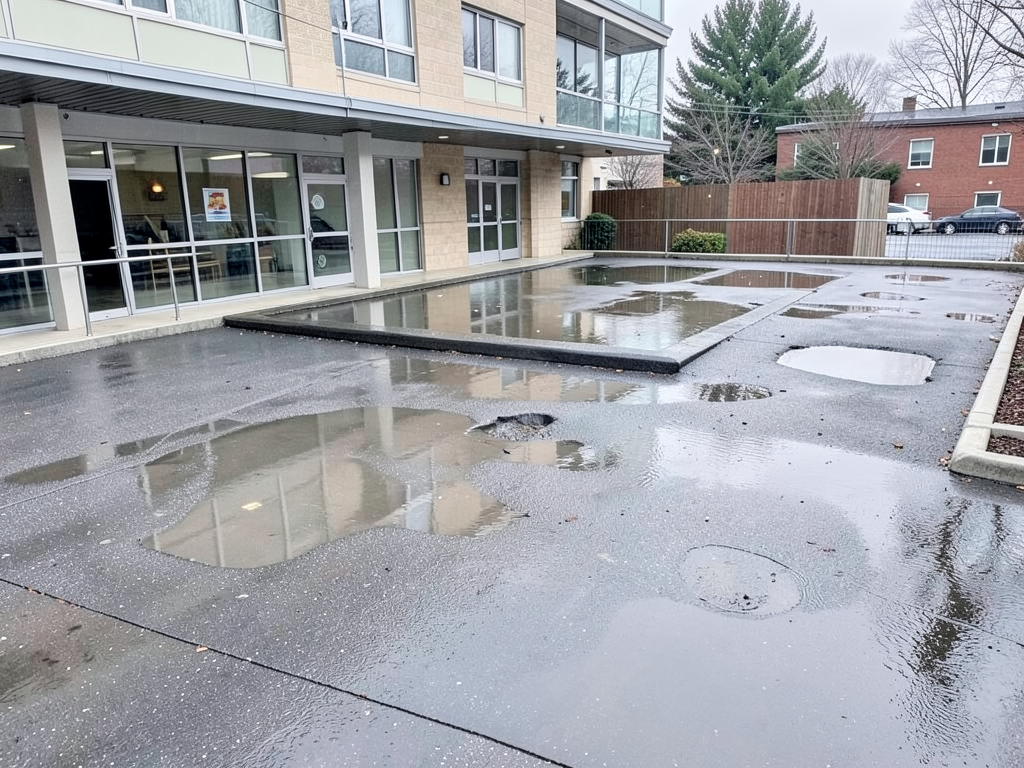
Dealing with roof ponding on older commercial storefronts in Roslindale Roof ponding threatens commercial properties in Roslindale's historic district where water accumulates on flat or low-slope roofs for more than 48 hours after rainfall. Many…

Choosing a roofing material that matches the specific aesthetic of historic homes in Salem \n\n…
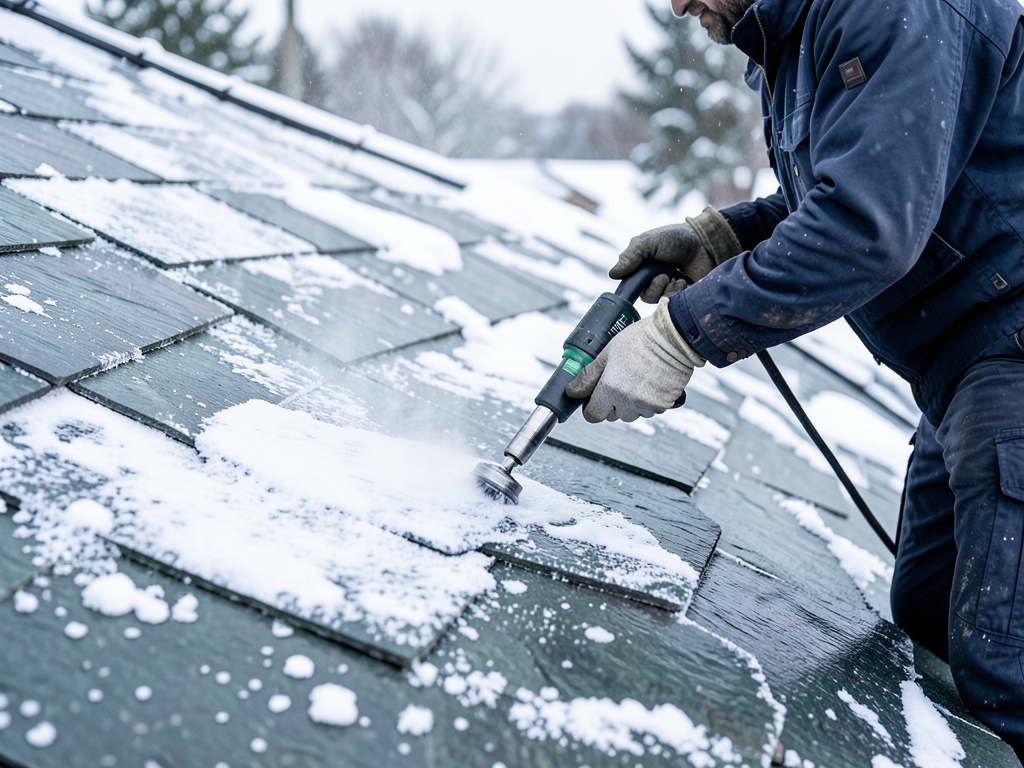
Why steaming is the only safe way to remove ice from a delicate slate roof…
The hidden cost of ignoring minor flashing issues on a Quincy waterfront home Waterfront homes…
Your roof protects everything inside your home. When damage threatens that protection, fast response prevents costly interior damage. Call Silverline Roofing Boston at (857) 387-1711 right now for emergency repairs or schedule a comprehensive inspection to catch problems before they become emergencies.