Picking the right roofing system for your new ADU in the City of Boston
Building an Accessory Dwelling Unit in Boston means navigating a maze of zoning rules, weather challenges, and material choices. With Boston’s recent zoning amendments allowing more ADUs across neighborhoods like Jamaica Plain, Dorchester, and Roslindale, homeowners are rushing to add these secondary structures. But choosing the wrong roofing system can lead to ice dam nightmares, code violations, and costly repairs. This guide cuts through the noise to help you pick a roof that stands up to New England winters, meets Boston Inspectional Services Department requirements, and fits your budget. Boston Inspectional Services Department.
Understanding Boston’s ADU Zoning and Roofing Requirements
Boston’s ADU regulations under Article 80 of the Zoning Code require specific setbacks, height limits, and fire-rated materials depending on the ADU’s location on your lot. For example, an ADU built in the backyard of a triple-decker in East Boston must maintain a minimum 10-foot rear yard setback and use Class A fire-rated roofing if it exceeds 500 square feet. The city also mandates ice and water shield installation extending at least 24 inches inside the exterior wall line to combat ice dam formation—a critical requirement given Boston’s freeze-thaw cycles. Before selecting materials, verify your ADU’s classification with the Boston Planning & Development Agency to ensure compliance with these technical specifications. Why Metal Roofing is Becoming a Top Choice for Coastal East Boston Homes.
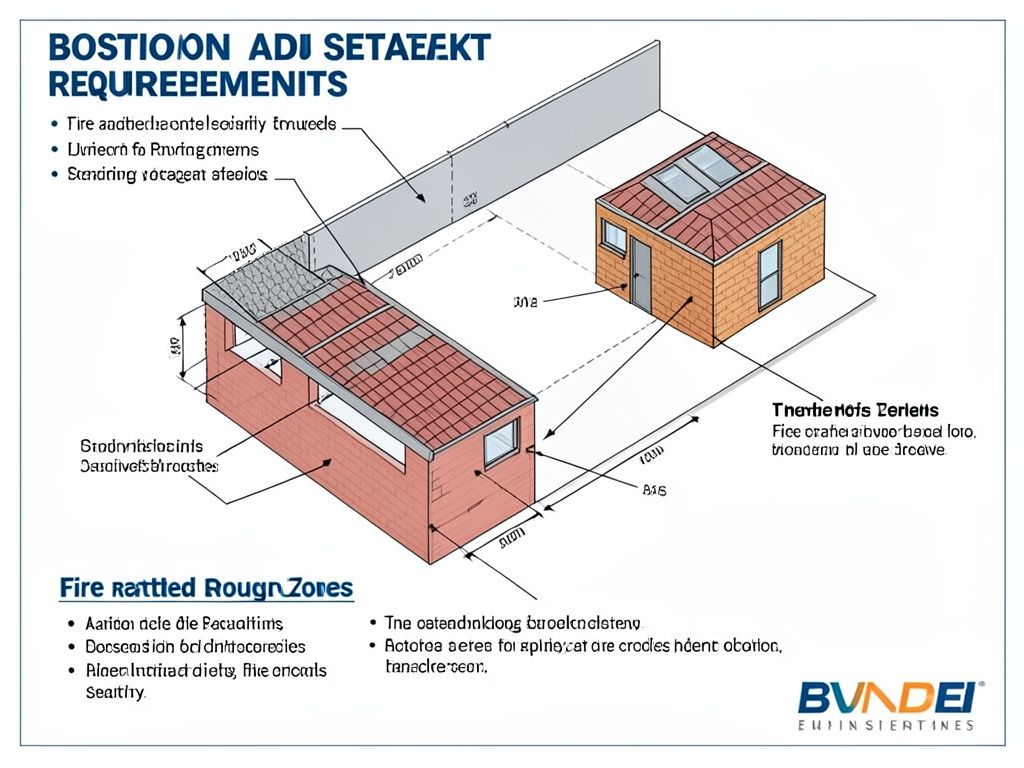
Diagram showing Boston ADU setback requirements and fire-rated roofing zones for secondary structures. The Best Roofing Strategies for Multi-Family Property Owners in Savin Hill.
Best Roofing Materials for Boston ADUs
Choosing the right material depends on your ADU’s roof pitch, budget, and aesthetic goals. Here’s how the top options stack up for Boston’s climate:. Read more about How high humidity in Boston summers affects your new roof installation.
| Material | Best For | Cost Range (per sq ft) | Lifespan |
|---|---|---|---|
| EPDM Rubber | Flat or low-slope ADUs | $5.50 – $8.50 | 25-30 years |
| Asphalt Shingles | Pitched roofs, budget builds | $4.00 – $6.50 | 15-25 years |
| Standing Seam Metal | High-wind areas, longevity | $9.00 – $14.00 | 40-70 years |
EPDM (ethylene propylene diene monomer) is a synthetic rubber membrane ideal for flat ADUs common in Boston’s denser neighborhoods. It handles ponding water better than asphalt and resists UV degradation. However, EPDM requires professional seaming to prevent leaks at joints. Asphalt shingles remain the most popular choice for pitched ADUs due to their affordability and ease of installation. Architectural shingles with a Class 4 impact rating offer better wind resistance for coastal areas like Revere and Winthrop. Standing seam metal roofing, while expensive upfront, provides unmatched durability against Nor’easters and can be installed with hidden fasteners to prevent wind uplift—critical for ADUs in exposed locations. Roofing Quincy.
The ADU Roofing Process: From Permits to Installation
Navigating Boston’s building permit process for an ADU requires patience and precision. Here’s the typical timeline:
- Pre-Application Meeting
Meet with Boston ISD to review your ADU plans and confirm zoning compliance before submitting formal permits.
- Permit Application
Submit detailed drawings including roof framing, material specs, and ice shield installation plans. Expect review times of 2-4 weeks.
- Permit Issuance
Once approved, you’ll receive permits with specific inspection requirements for roofing underlayment and flashing. Tile Roofing Services.
- Installation
Roofing work must follow the approved plans. Ice and water shield installation is inspected before shingle application.
- Final Inspection
Boston ISD conducts a final inspection to verify all roofing components meet code before you can occupy the ADU.
During installation, pay special attention to flashing details around chimneys, vents, and roof edges. In Boston’s older neighborhoods, many ADUs attach to existing structures, creating complex roof-to-wall intersections that require custom flashing solutions. A common failure point is improper step flashing installation, which allows water infiltration during heavy rains. Always use a licensed roofing contractor familiar with Boston’s specific requirements to avoid costly rework.

Photo of ice and water shield being installed on a Boston ADU roof deck before shingle application.
Cost Factors for ADU Roofing in the Greater Boston Area
ADU roofing costs in Boston vary significantly based on several factors. Material choice is the biggest driver—EPDM costs less upfront but may require replacement sooner than metal. Roof complexity adds labor costs; a simple gable roof on a 400-square-foot ADU might cost $3,000-$5,000 in materials and labor, while a complex hip roof with multiple valleys could exceed $8,000. Access challenges in dense neighborhoods like Charlestown or the North End can increase costs by 15-25% due to equipment limitations and parking restrictions. Don’t forget to budget for code-required items like ice and water shield, which adds $500-$800 to most projects.. Read more about Does a brand-new roof actually increase your property tax assessment in Massachusetts?.
Another cost factor is disposal of old roofing materials. If your ADU replaces an existing structure, asbestos testing may be required before demolition—a $300-$500 expense that’s mandatory under Massachusetts DEP regulations. Finally, consider the long-term energy costs. A poorly insulated ADU roof can increase heating bills by 20% or more during Boston’s cold months. Investing in proper ventilation and insulation during the roofing process pays dividends over the structure’s lifetime. Massachusetts State Building Code.
Common ADU Roofing Mistakes to Avoid
Many Boston homeowners learn the hard way that cutting corners on ADU roofing leads to bigger expenses later. One frequent mistake is skipping the ice and water shield to save money. Given Boston’s average annual snowfall of 48 inches, this protection is non-negotiable—without it, you’re inviting water damage when snow melts and refreezes at the roof edge. Another error is using the wrong underlayment. Traditional felt paper can degrade quickly in Boston’s humid summers, while synthetic underlayment provides better moisture protection and is worth the modest additional cost.
Homeowners also underestimate the importance of proper attic ventilation in ADUs. Poor ventilation traps heat in winter, accelerating snow melt and ice dam formation. It also creates condensation in summer, leading to mold growth. A balanced system with intake vents at the soffits and exhaust vents near the ridge is essential. Finally, many DIYers or inexperienced contractors fail to account for thermal expansion and contraction, especially with metal roofing. Without proper fastening techniques, panels can buckle or oil-can, creating an unsightly and potentially leaky roof.
Maintenance Tips for Your Boston ADU Roof
Once your ADU roof is installed, regular maintenance extends its life and prevents emergencies. Twice-yearly inspections in spring and fall catch minor issues before they become major problems. Look for damaged shingles, rusted flashing, or debris buildup in valleys. In Boston’s leafy suburbs like Newton and Brookline, keeping gutters clean is critical—clogged gutters cause water to back up under shingles, leading to rot and leaks. After severe storms, check for wind damage, especially if you have asphalt shingles. The Best Way to Keep Gutters Clog-Free in Wooded West Roxbury Neighborhoods.
For EPDM roofs, inspect seams annually for separation or bubbling. Small repairs with EPDM patch kits cost under $100, while neglected seam failures can lead to thousands in interior damage. Metal roofs require checking for loose fasteners after high winds—a simple screwdriver test can identify fasteners that need tightening. Trim overhanging tree branches to prevent abrasion damage and reduce leaf accumulation. Finally, document all maintenance and repairs—this record helps if you ever sell the property and demonstrates responsible ownership to potential buyers.
Why Local Expertise Matters for Your ADU Roof
Boston’s unique climate and building patterns make local roofing expertise invaluable. A contractor who’s worked on ADUs in Jamaica Plain understands the specific challenges of building on narrow lots with limited equipment access. They know that homes near the harbor in East Boston require additional corrosion-resistant materials due to salt air exposure. They’re familiar with the quirks of Boston’s building code, like the specific nail patterns required for asphalt shingles in high-wind zones.
Local roofers also understand Boston’s architectural context. An ADU in a historic district like the South End may need materials that complement Victorian-era homes, while a modern ADU in Allston-Brighton can feature contemporary designs. They know which suppliers stock materials that meet Boston’s specific requirements and can navigate the city’s permitting process efficiently. This local knowledge translates to better outcomes and fewer surprises during your ADU project.. Read more about Comparing 3-tab and architectural shingles for budget-conscious Mattapan homeowners.
Frequently Asked Questions
Do I need a permit for an ADU roof in Boston?
Yes. Any new roof structure or replacement on an ADU requires a building permit from Boston ISD. The permit ensures your roof meets all structural, fire, and weatherproofing requirements specific to Boston’s climate and zoning.
How long does ADU roofing installation take in Boston?
Most ADU roofing projects take 2-4 days for installation after permits are secured. However, the entire process from design to final inspection typically spans 4-8 weeks depending on permit review times and weather conditions.
What’s the best roofing material for a flat ADU in Boston?
EPDM rubber is generally the best choice for flat ADUs in Boston. It handles ponding water well, resists UV damage, and provides reliable waterproofing for the flat roof designs common in ADUs.
How much does ADU roofing cost in Boston?
ADU roofing costs in Boston range from $4,000 to $12,000 depending on size, material choice, and roof complexity. Budget an additional 15-20% for unexpected issues common in older Boston neighborhoods.
Can I install solar panels on my ADU roof?
Yes, but you’ll need additional structural engineering to ensure the roof can support the weight. Boston’s inspection process includes verification that solar installations meet all electrical and building code requirements.
Photo of a completed ADU in Dorchester with standing seam metal roofing installed to withstand Boston’s coastal weather.
Ready to Roof Your Boston ADU?
Choosing the right roofing system for your Boston ADU is a decision that affects your property’s value, energy efficiency, and long-term maintenance costs. With Boston’s specific zoning requirements, harsh New England weather, and complex permitting process, you need a roofing partner who understands the local landscape. Don’t risk costly mistakes or code violations by cutting corners on this critical component of your ADU project.
Call (857) 387-1711 today to schedule your ADU roofing consultation. Our Boston-based team has installed hundreds of ADU roofs across Jamaica Plain, Dorchester, Roslindale, and beyond. We’ll help you navigate permits, select the right materials for your specific situation, and ensure your roof stands up to Boston’s toughest weather conditions. Pick up the phone and call (857) 387-1711 before the next storm hits—your ADU deserves a roof built to last.
Silverline Roofing Boston – Serving the greater Boston area with expert roofing solutions since 2010. Licensed and insured Massachusetts contractor. Emergency services available 24/7.
{
“@context”: “https://schema.org”,
“@type”: “BlogPosting”,
“headline”: “Picking the right roofing system for your new ADU in the City of Boston”,
“description”: “Discover the best roofing options for your Boston ADU including materials, codes, and installation tips tailored for New England weather and city regulations.”,
“wordCount”: 1734,
“datePublished”: “2026-05-19T11:44:00.000Z”,
“dateModified”: “2026-05-19T11:44:00.000Z”,
“inLanguage”: “en-US”,
“mainEntityOfPage”: {
“@type”: “WebPage”,
“@id”: “https://silverlineroofingboston.com”
},
“publisher”: {
“@type”: “LocalBusiness”,
“name”: “Silverline Roofing Boston”,
“url”: “https://silverlineroofingboston.com”
},
“author”: {
“@type”: “Organization”,
“name”: “Silverline Roofing Boston”,
“url”: “https://silverlineroofingboston.com”
},
“image”: {
“@type”: “ImageObject”,
“url”: “https://silverlineroofingboston.com/wp-content/uploads/2026/03/picking-the-right-roofing-system-for-your-new-adu-1.png”
}
}
{
“@context”: “https://schema.org”,
“@type”: “RoofingContractor”,
“name”: “Silverline Roofing Boston”,
“url”: “https://silverlineroofingboston.com”,
“address”: {
“@type”: “PostalAddress”,
“addressLocality”: “Boston”
},
“areaServed”: {
“@type”: “City”,
“name”: “Boston”
}
}
{
“@context”: “https://schema.org”,
“@type”: “FAQPage”,
“mainEntity”: [
{
“@type”: “Question”,
“name”: “Do I need a permit for an ADU roof in Boston?”,
“acceptedAnswer”: {
“@type”: “Answer”,
“text”: “Yes. Any new roof structure or replacement on an ADU requires a building permit from Boston ISD. The permit ensures your roof meets all structural, fire, and weatherproofing requirements specific to Boston’s climate and zoning.”
}
},
{
“@type”: “Question”,
“name”: “How long does ADU roofing installation take in Boston?”,
“acceptedAnswer”: {
“@type”: “Answer”,
“text”: “Most ADU roofing projects take 2-4 days for installation after permits are secured. However, the entire process from design to final inspection typically spans 4-8 weeks depending on permit review times and weather conditions.”
}
},
{
“@type”: “Question”,
“name”: “What’s the best roofing material for a flat ADU in Boston?”,
“acceptedAnswer”: {
“@type”: “Answer”,
“text”: “EPDM rubber is generally the best choice for flat ADUs in Boston. It handles ponding water well, resists UV damage, and provides reliable waterproofing for the flat roof designs common in ADUs.”
}
},
{
“@type”: “Question”,
“name”: “How much does ADU roofing cost in Boston?”,
“acceptedAnswer”: {
“@type”: “Answer”,
“text”: “ADU roofing costs in Boston range from $4,000 to $12,000 depending on size, material choice, and roof complexity. Budget an additional 15-20% for unexpected issues common in older Boston neighborhoods.”
}
},
{
“@type”: “Question”,
“name”: “Can I install solar panels on my ADU roof?”,
“acceptedAnswer”: {
“@type”: “Answer”,
“text”: “Yes, but you’ll need additional structural engineering to ensure the roof can support the weight. Boston’s inspection process includes verification that solar installations meet all electrical and building code requirements.”
}
},
{
“@type”: “Question”,
“name”: “Ready to Roof Your Boston ADU?”,
“acceptedAnswer”: {
“@type”: “Answer”,
“text”: “Choosing the right roofing system for your Boston ADU is a decision that affects your property’s value, energy efficiency, and long-term maintenance costs. With Boston’s specific zoning requirements, harsh New England weather, and complex permitting process, you need a roofing partner who understands the local landscape. Don’t risk costly mistakes or code violations by cutting corners on this critical component of your ADU project.”
}
}
]
}
{
“@context”: “https://schema.org”,
“@type”: “HowTo”,
“name”: “ADU Roofing Permit Process”,
“step”: [
{
“@type”: “HowToStep”,
“position”: 1,
“name”: “Pre-Application Meeting”,
“text”: “Meet with Boston ISD to review your ADU plans and confirm zoning compliance before submitting formal permits.”
},
{
“@type”: “HowToStep”,
“position”: 2,
“name”: “Permit Application”,
“text”: “Submit detailed drawings including roof framing, material specs, and ice shield installation plans. Expect review times of 2-4 weeks.”
},
{
“@type”: “HowToStep”,
“position”: 3,
“name”: “Permit Issuance”,
“text”: “Once approved, you’ll receive permits with specific inspection requirements for roofing underlayment and flashing. Tile Roofing Services.”
},
{
“@type”: “HowToStep”,
“position”: 4,
“name”: “Installation”,
“text”: “Roofing work must follow the approved plans. Ice and water shield installation is inspected before shingle application.”
},
{
“@type”: “HowToStep”,
“position”: 5,
“name”: “Final Inspection”,
“text”: “Boston ISD conducts a final inspection to verify all roofing components meet code before you can occupy the ADU.”
}
],
“image”: “https://silverlineroofingboston.com/wp-content/uploads/2026/03/picking-the-right-roofing-system-for-your-new-adu-1.png”
}
{
“@context”: “https://schema.org”,
“@type”: “BreadcrumbList”,
“itemListElement”: [
{
“@type”: “ListItem”,
“position”: 1,
“name”: “Home”,
“item”: “https://silverlineroofingboston.com”
},
{
“@type”: “ListItem”,
“position”: 2,
“name”: “Blog”,
“item”: “https://silverlineroofingboston.com/blog”
},
{
“@type”: “ListItem”,
“position”: 3,
“name”: “Picking the right roofing system for your new ADU in the City of Boston”
}
]
}
{
“@context”: “https://schema.org”,
“@type”: “Service”,
“serviceType”: “Roofing”,
“provider”: {
“@type”: “LocalBusiness”,
“name”: “Silverline Roofing Boston”,
“url”: “https://silverlineroofingboston.com”
},
“areaServed”: {
“@type”: “City”,
“name”: “Boston”
},
“description”: “Discover the best roofing options for your Boston ADU including materials, codes, and installation tips tailored for New England weather and city regulations.”
}