






menu

Spray Foam Roofing in Boston | Minimize Downtime with Industrial-Grade SPF Systems

Boston commercial properties require roofing systems that withstand extreme freeze-thaw cycles and reduce energy costs. Ironwood Roofing Miami delivers seamless spray polyurethane foam roofing that protects your investment while your business stays operational.

Slider Image 1
Slider Image 2
Slider Image 3
Slider Image 4
Slider Image 5
Slider Image 7
Slider Image 8
Slider Image 9
Slider Image 10
Slider Image 11

Why Boston's Climate Demands Superior Commercial Roofing Solutions

Boston's climate challenges commercial roofing systems in ways few other cities experience. The annual freeze-thaw cycle, with winter temperatures plunging below 20°F and summer heat reaching 90°F, creates expansion and contraction that destroys traditional roofing materials. Add in heavy snow loads averaging 48 inches per season, and you face a recipe for membrane failure, ponding water, and structural stress.

Low-slope commercial buildings in the Financial District, Seaport, and Cambridge tech corridors are particularly vulnerable. Traditional built-up roofing develops seam failures where water infiltrates during thaw periods. Modified bitumen systems crack under thermal stress. Single-ply membranes become brittle in subzero conditions, then degrade under UV exposure during summer months.

Commercial spray foam roofing eliminates these vulnerabilities. An SPF roof system creates a monolithic, seamless barrier with no fasteners, seams, or weak points where water can penetrate. The closed-cell polyurethane foam roofing structure provides an R-value of 6.5 per inch, reducing HVAC loads by up to 30 percent in Boston's temperature extremes. When applied correctly, spray polyurethane foam roofing conforms to irregular roof shapes, fills low spots that cause ponding, and creates positive drainage.

For warehouse facilities in Everett, office buildings in Back Bay, or manufacturing plants in Somerville, SPF roofing delivers the thermal performance and weather resistance Boston's commercial properties require. The system handles the mechanical stress of rooftop HVAC units, foot traffic from maintenance crews, and the weight of winter snow accumulation without compromising the waterproof membrane.

Why Boston's Climate Demands Superior Commercial Roofing Solutions
How SPF Roofing Systems Protect Commercial Assets

How SPF Roofing Systems Protect Commercial Assets

Commercial spray foam roofing installation requires precision substrate preparation and environmental control. We begin with a comprehensive roof deck assessment using infrared thermography to identify moisture intrusion in the existing system. Wet insulation must be removed before SPF application, or trapped moisture will compromise adhesion and create blisters. We document moisture content readings and structural integrity before any foam deployment.

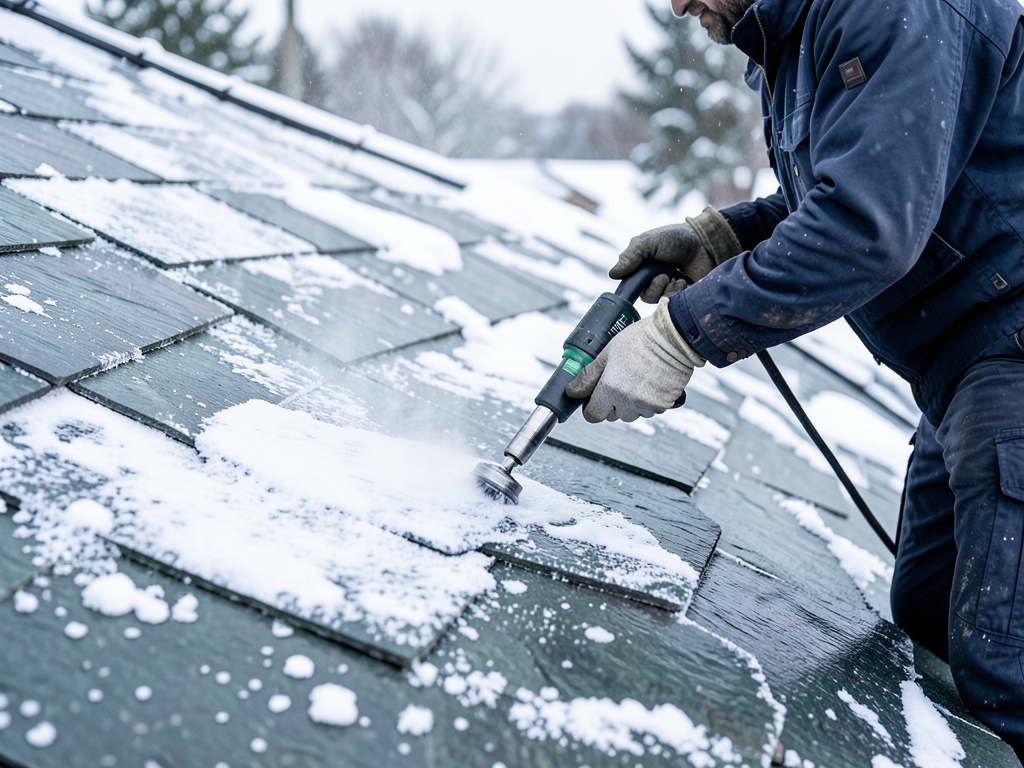
Surface preparation involves power washing to remove biological growth, oils, and contaminants that prevent proper adhesion. We verify ambient temperature stays above 40°F and substrate temperature exceeds the dew point by at least 5°F. These conditions prevent condensation between the substrate and foam layer, which causes delamination.

The spray polyurethane foam roofing application uses plural component spray equipment that combines isocyanate and polyol at precise ratios. We apply foam in multiple passes, typically 1.5 to 2 inches per lift, allowing each layer to cure before the next application. This prevents overheating and dimensional instability. Total foam thickness ranges from 1.5 to 3 inches depending on R-value requirements and structural loading calculations.

After foam curing, we apply an elastomeric coating system in two coats. The base coat, applied at 1 gallon per 100 square feet, embeds into the foam surface. The top coat, applied at the same rate, contains UV inhibitors and reflective pigments that maintain a surface temperature 30 to 50 degrees cooler than traditional dark membranes. We embed granules in high-traffic areas for slip resistance and additional UV protection.

Every SPF roof system includes flashing details at parapets, penetrations, and drainage points. We use reinforcing fabric at transitions and apply additional coating thickness at vulnerable areas where wind uplift or mechanical damage could occur.

What Happens During Your SPF Roof Installation

Spray Foam Roofing in Boston | Minimize Downtime with Industrial-Grade SPF Systems
01

Roof Assessment and Planning

We conduct a detailed roof inspection using infrared scanning and core sampling to identify moisture, structural defects, and existing system failures. You receive a written assessment documenting current conditions, moisture map, and structural load calculations. We develop a project schedule that minimizes impact on your operations, often working nights or weekends for occupied buildings. Material specifications and coating systems are selected based on your roof geometry, drainage patterns, and performance requirements.
02

Surface Preparation and Application

Our crews remove wet insulation, repair substrate damage, and clean the surface to near-white metal or dry membrane condition. We monitor weather conditions continuously, as temperature and humidity affect foam chemistry. Spray polyurethane foam roofing is applied in controlled lifts using heated plural component equipment. Each pass is monitored for proper thickness, density, and cell structure. We protect adjacent surfaces, coordinate with your facility team, and maintain strict safety protocols around mechanical equipment and roof edge conditions.
03

Coating and Quality Control

After foam curing, we apply two coats of elastomeric coating with embedded reinforcement at critical details. Our quality control process includes thickness measurements at grid points across the roof, pull tests to verify adhesion, and density verification using core samples. You receive documentation showing coating thickness, density readings, and photographic evidence of completed details. We conduct a final walkthrough identifying maintenance requirements and provide written care instructions for your facilities team to maximize system longevity.

Why Boston Commercial Properties Choose Ironwood Roofing Miami

Boston's commercial building codes and historic preservation requirements demand contractors who understand local regulatory environments. Buildings in the Back Bay, Beacon Hill, and South End historic districts face additional scrutiny from the Boston Landmarks Commission. We navigate these approval processes while delivering SPF roofing systems that meet energy code requirements under 780 CMR, the Massachusetts building code.

Our experience with Boston's unique commercial building stock includes work on brick-and-beam warehouse conversions in Fort Point, mid-century office buildings along Route 128, and modern LEED-certified structures in the Innovation District. Each building type presents distinct challenges. Older structures often lack adequate structural capacity for heavy roofing systems, making the lightweight nature of spray polyurethane foam roofing advantageous. The material adds less than 0.5 pounds per square foot at typical thicknesses, compared to 10 pounds per square foot for some built-up systems.

We coordinate with mechanical contractors, façade consultants, and structural engineers to ensure your SPF roof system integrates properly with building envelope improvements. This matters when upgrading to high-efficiency HVAC systems or adding rooftop solar arrays. The seamless nature of commercial spray foam roofing simplifies these integrations, as we can create custom curbs and penetration flashings without compromising the waterproofing membrane.

Ironwood Roofing Miami maintains relationships with local building officials, inspectors, and code enforcement personnel. We understand permit requirements, inspection protocols, and documentation standards Boston demands for commercial roofing projects. This local knowledge prevents delays, failed inspections, and costly rework that plague contractors unfamiliar with Massachusetts construction requirements.

What Your Commercial SPF Roof Project Involves

Project Timeline and Scheduling

Most commercial spray foam roofing projects require three to ten days, depending on roof area and complexity. Weather windows are critical, as we need dry conditions and temperatures above 40°F during application and initial cure. Boston's spring and fall weather patterns create scheduling challenges, so we maintain flexibility and communicate schedule changes immediately. For occupied buildings, we coordinate material deliveries, equipment placement, and work hours to minimize disruption. Night and weekend work adds labor costs but prevents business interruption. Large projects are phased to keep portions of your roof watertight during installation.

Pre-Installation Assessment Process

Our assessment includes roof access evaluation, structural load analysis, and existing system documentation. We use infrared thermography to create moisture maps showing wet insulation areas that require removal. Core samples verify deck composition, insulation type, and existing membrane condition. You receive a written report detailing findings, recommended repairs, and material specifications. We identify code compliance issues, drainage problems, and structural concerns before project start. This prevents mid-project surprises that delay completion or increase costs. The assessment takes two to four hours for typical commercial buildings.

Performance and Energy Benefits

An SPF roof system delivers measurable energy savings through superior thermal performance and air sealing. The seamless application eliminates thermal bridging that occurs at fasteners and seams in mechanical attachment systems. Boston commercial buildings see HVAC load reductions of 20 to 35 percent, depending on existing insulation levels. The reflective coating maintains surface temperatures 30 to 50 degrees cooler than dark membranes, reducing cooling loads during summer months. The closed-cell foam structure prevents air infiltration, eliminating the stack effect that drives heating costs in tall buildings. These savings compound over the 15 to 25 year service life of a properly maintained polyurethane foam roofing system.

Maintenance and Recoating Cycles

SPF roofing systems require periodic recoating to maintain UV protection and waterproofing performance. Boston's intense summer sun and harsh winters degrade the elastomeric coating faster than in moderate climates. We recommend biannual inspections to identify coating wear, mechanical damage, and drainage problems. Minor repairs involve cleaning the affected area and applying coating patches. Major recoating typically occurs every 10 to 15 years, depending on coating thickness and roof exposure. Recoating extends system life indefinitely, as the foam substrate remains intact. We provide written maintenance protocols for your facilities team, including cleaning procedures, drainage maintenance, and damage identification guidelines.

Frequently Asked Questions

You Have Questions,
We Have Answers

What are the disadvantages of a spray foam roof? +

Spray foam roofing requires professional installation to avoid application errors that compromise performance. Poor application leads to uneven coverage, gaps, or improper curing in Boston's variable humidity. The material degrades under prolonged UV exposure without protective coating, demanding regular recoating every 5-7 years. Substrate inspection becomes difficult once foam is applied, hiding underlying deck damage. Installation requires dry conditions and specific temperature ranges, which limits scheduling flexibility during New England's unpredictable weather. Commercial buildings in Boston's historic districts may face aesthetic restrictions. The foam also traps moisture if the existing roof deck has leaks, accelerating structural decay before detection.

Why is spray foam a red flag for lenders? +

Lenders view improper spray foam installation as a structural risk that affects property valuation. Poorly applied foam in attic spaces can trap moisture against roof decking, leading to hidden rot and mold growth that undermines collateral value. Many older Boston triple-deckers and commercial buildings had foam installed without adequate ventilation assessment, creating condensation issues. Lenders require documentation proving the foam meets building code ventilation requirements and was installed by certified contractors. Without proper installation records, the property becomes difficult to appraise and insure. This documentation gap creates financing obstacles, particularly for mixed-use buildings common throughout Boston's commercial corridors.

Is spray foam roofing expensive? +

Spray foam roofing costs more upfront than traditional commercial roofing systems. You pay for material, specialized equipment, skilled labor, and surface preparation. Boston's higher labor rates and building code compliance requirements add to project costs. The expense reflects the foam's seamless application, superior R-value per inch, and waterproofing properties that reduce long-term energy costs. Commercial buildings see ROI through reduced HVAC expenses during Boston's harsh winters and humid summers. Installation complexity increases on multi-story buildings or those with significant rooftop equipment. Factor in recoating costs every 5-7 years when evaluating total cost of ownership against membrane or modified bitumen alternatives.

Why can't you sell a house with spray foam insulation? +

This concern applies to attic insulation spray foam, not commercial roofing applications. Homes with improperly installed attic spray foam face marketability issues because the foam can trap moisture against roof decking if ventilation was eliminated incorrectly. Boston's older housing stock often had insulation added without understanding ventilation needs, creating hidden moisture damage. Buyers and lenders demand documentation proving code-compliant installation. Appraisers flag undocumented foam as a defect requiring remediation. Commercial roofing spray foam operates differently as an exterior waterproofing system, not an interior insulation product, so these residential financing obstacles do not typically apply to properly designed commercial roof systems.

How much does it cost to spray foam for 1000 sq ft? +

Cost estimates without site evaluation mislead commercial property owners. Pricing depends on foam thickness, roof condition, edge details, penetrations, substrate preparation, and coating requirements. A 1000 square foot commercial roof in Boston requires assessment of existing membrane removal, deck repairs, drainage improvements, and flashing details around HVAC units. Boston's strict building codes may require additional fire-rated coatings or specific R-values for energy compliance. Winter installation limitations affect scheduling and pricing. Focus on cost per R-value and lifecycle expense rather than initial square footage pricing. Request detailed proposals that account for your building's specific conditions and code requirements for accurate budget planning.

Why are insurance companies not insuring homes with spray foam insulation? +

Insurance concerns center on residential attic foam insulation, not commercial roofing systems. Carriers worry about hidden moisture damage and mold growth behind improperly installed interior foam that eliminated ventilation without proper vapor barrier assessment. Boston's older building stock saw many DIY or unlicensed installations that trapped condensation against wood framing. Insurers now require documentation proving code-compliant installation, adequate ventilation design, and professional application. This affects residential policies more than commercial coverage. Commercial spray foam roofing, applied as exterior waterproofing, faces different underwriting criteria focused on wind uplift ratings, fire classification, and installer certification rather than moisture entrapment concerns.

Why are people removing spray foam? +

Property owners remove spray foam when it was improperly installed in attic spaces without addressing ventilation needs. Boston's freeze-thaw cycles and high humidity expose installation errors that trap moisture against roof decking, causing rot and mold. Removal becomes necessary when selling properties because buyers cannot get financing without documentation proving code compliance. Some commercial buildings remove deteriorated foam that exceeded its service life without recoating maintenance. Poor initial application with gaps or uneven coverage forces replacement rather than repair. Rising insurance costs or lender requirements drive removal in residential applications, while commercial removals stem from deferred maintenance or roof system upgrades.

Can mold grow behind spray foam insulation? +

Mold grows behind spray foam when moisture enters through roof leaks or condensation accumulates from improper vapor barrier design. The foam itself resists mold, but trapped moisture against wood decking or structural members creates ideal conditions for growth. Boston's humidity and temperature swings exacerbate condensation risks in poorly designed systems. Commercial buildings with inadequate ventilation assessment before foam installation face elevated mold risk. Existing roof leaks must be repaired before foam application, or moisture becomes trapped against the substrate. Proper installation includes moisture assessment, leak remediation, and appropriate vapor retarder placement based on climate zone requirements for Boston's marine climate conditions.

How much does it cost to remove spray foam insulation from a roof? +

Removal costs vary based on foam thickness, roof size, disposal requirements, and substrate condition underneath. Commercial projects in Boston face higher labor rates and strict disposal regulations for chemical waste. Contractors must mechanically scrape foam without damaging the underlying deck, then repair any substrate deterioration exposed during removal. Multi-story buildings require additional safety equipment and staging. Boston's environmental regulations mandate proper disposal, adding hauling fees. Budget for deck repairs once foam is removed, as hidden damage often appears. The complexity of removing foam around penetrations, edges, and flashing details increases labor hours significantly compared to traditional membrane removal.

How much does it cost to insulate a 1500 sq ft attic? +

This question addresses residential attic insulation, not commercial roofing applications. Commercial property owners in Boston should focus on roof deck insulation or exterior spray foam roofing systems rather than attic space treatments. Attic insulation costs depend on access, existing insulation removal, ventilation modifications, and desired R-value for Boston's climate zone. Commercial buildings use different insulation strategies based on roof type, occupancy classification, and energy code requirements. For commercial roof insulation or spray foam roofing systems in Boston, request site-specific proposals that address your building's structural capacity, fire rating needs, and thermal performance goals rather than residential square footage estimates.

How Boston's Freeze-Thaw Cycles Impact Commercial Roofing Performance

Boston experiences 40 to 60 freeze-thaw cycles annually, where daytime temperatures rise above freezing and nighttime temperatures drop below 32°F. This cycling causes water trapped in roofing materials to expand during freezing, creating internal pressure that tears seams, cracks membranes, and damages insulation. Traditional multi-ply systems with seams and fasteners allow water infiltration at these weak points. Once inside, the freeze-thaw cycle accelerates deterioration. Commercial spray foam roofing eliminates this vulnerability through its monolithic, seamless structure. Water cannot penetrate between layers because no layers exist. The closed-cell foam structure prevents water absorption, so even if coating damage occurs, the underlying foam remains dry and structurally sound.

Boston commercial properties require contractors familiar with Massachusetts energy code requirements, historic district regulations, and local permitting processes. Our experience working with the Boston Inspectional Services Department, Cambridge Building Department, and surrounding municipal agencies ensures code-compliant installations that pass inspection the first time. We understand local requirements for fire ratings, wind uplift resistance, and energy performance that differ from generic building codes. This local expertise prevents delays, failed inspections, and costly modifications. Boston building owners benefit from working with contractors who understand regional construction practices, supplier networks, and weather-related installation challenges specific to New England commercial roofing.

Roofing Services in The Boston Area

We are proud to be a locally rooted business serving the entire Greater Boston area, from the North End to the South Shore, and all surrounding communities. Our centrally located office ensures we can rapidly deploy our expert crews for everything from routine repairs in Cambridge to full installations in Quincy. Use the interactive map below to see our main location and confirm that your property is within our primary service area. We look forward to connecting with you soon for your next reliable roofing project!

Address:
Silverline Roofing Boston, 100 Cambridge St, Boston, MA, 02114

Additional Services We Offer

Our news updates

Latest Articles & News from The Blogs

Why Your Large Chimney in Concord Needs a Roof Cricket to Prevent Water Pooling If you own a home in…

Why your large chimney in Concord needs a roof cricket to prevent water pooling

Why Your Large Chimney in Concord Needs a Roof Cricket to Prevent Water Pooling If you own a home in…

Navigating the strict historic roofing requirements for homes in Salem

Navigating the strict historic roofing requirements for homes in Salem Salem’s historic districts enforce some of Massachusetts’ most rigorous preservation…

Why you might have roof leaks on sunny winter days in your Stoneham attic

Why you might have roof leaks on sunny winter days in your Stoneham attic \n\n Stoneham homeowners often report water…

Contact Us

Stop losing money to roof leaks and high energy costs. Call (857) 387-1711 now for a comprehensive roof assessment and project proposal. Our team responds within 24 hours to schedule your evaluation and provide detailed cost analysis.