






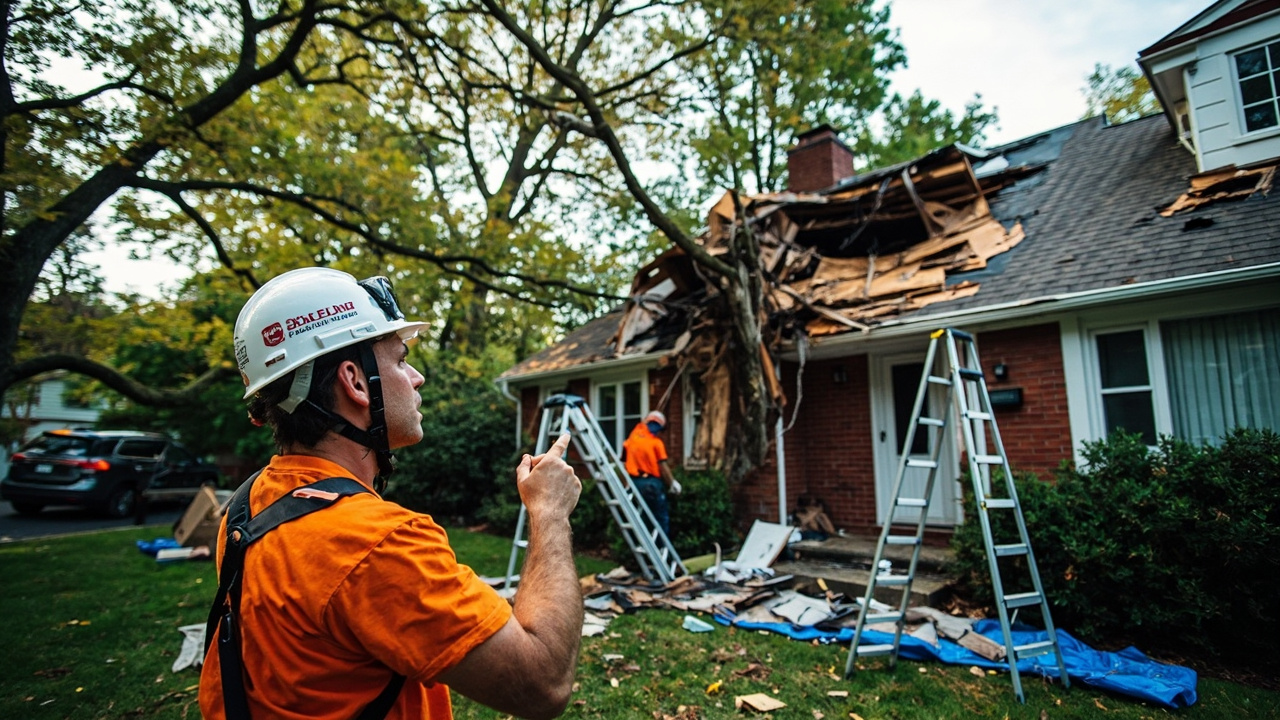
Boston ranks among the most tree-dense urban areas in the Northeast, with mature oaks, maples, and elms lining residential streets throughout neighborhoods like Jamaica Plain, Roslindale, and West Roxbury. These trees provide shade and beauty but create serious roof risk during Nor'easters, hurricane remnants, and heavy snow events. When wind gusts exceed 50 mph or snow accumulates on branches faster than it can shed, large limbs and entire trees fail. Combine that with Boston's aging housing stock, where many homes were built before modern wind load standards, and you have roofs particularly vulnerable to catastrophic tree impact damage. The risk is highest from November through March when storms intensify and freeze-thaw cycles weaken tree structure.
Massachusetts building codes require specific structural standards for roof repairs involving load-bearing members, and Boston's Inspectional Services Department enforces those requirements strictly. When tree damage compromises rafters, ridge beams, or roof decking, repairs require permits and inspections to ensure structural integrity. Silverline Roofing Boston maintains strong working relationships with local building inspectors and understands exactly what documentation and repair methods pass inspection on the first attempt. This local knowledge keeps your project moving forward without delays and ensures repairs meet code so your insurance claim stays clean and your home retains its value.