






Boston sits in a humid continental climate zone with average summer humidity levels between 60 and 70 percent. This moisture, combined with temperatures in the 70s and 80s, creates ideal conditions for gloeocapsa magma and algae colonies to thrive on asphalt shingles. Neighborhoods with mature tree canopy, including Brookline, Jamaica Plain, and parts of Cambridge, see accelerated growth because shade keeps roof surfaces damp longer after rain. North-facing roof planes dry slowly, allowing spores to germinate and establish colonies before the sun can sterilize the surface. Proximity to water bodies like the Charles River or Jamaica Pond increases ambient moisture, compounding the problem. Roof mildew removal becomes a recurring need in these microclimates.
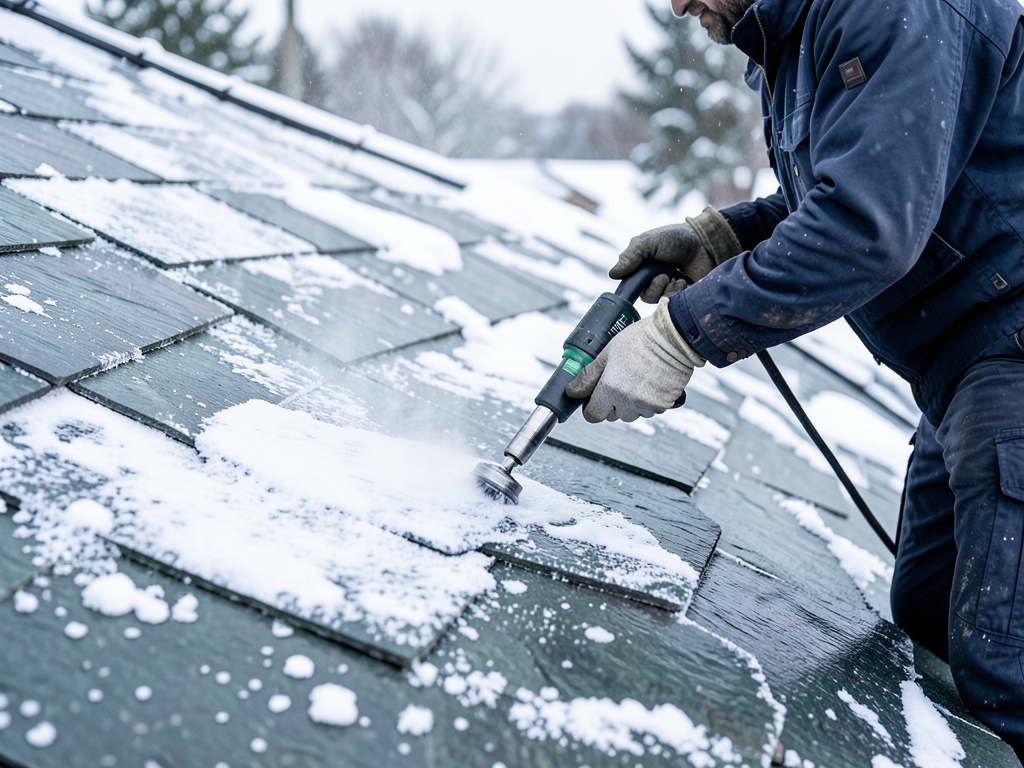
Boston's building codes emphasize historic preservation in districts like Back Bay, Beacon Hill, and South End. Roof cleaning in these areas requires understanding substrate compatibility. Slate and clay tile roofs common in 19th-century row houses cannot tolerate the same treatments used on modern asphalt shingles. Contractors unfamiliar with these materials cause irreversible damage. Silverline Roofing Boston works regularly in Historic Districts and understands the balance between effective cleaning and material preservation. We also navigate the permitting and approval processes required for exterior work on designated historic properties, which most out-of-area contractors ignore until they face fines or stop-work orders.