




menu

Homeowner's Guide to Roofing in Boston – Everything You Need to Know Before Your Next Roof Project

Get the complete residential roofing guide for Boston homeowners. Learn what works in our climate, how to spot problems early, and what to expect from inspections to installation in the greater Boston metro.

Slider Image 1
Slider Image 2
Slider Image 3
Slider Image 4
Slider Image 5
Slider Image 7
Slider Image 8
Slider Image 9
Slider Image 10
Slider Image 11

Why Boston Roofs Need a Different Playbook

Boston roofs take a beating. The freeze-thaw cycle here is brutal. Water seeps into small cracks, freezes overnight, expands, and tears shingles apart from the inside out. By spring, what started as a hairline crack becomes a leak path straight into your attic.

The coastal humidity accelerates algae and moss growth on north-facing slopes. You will see black streaks on asphalt shingles within five to seven years if the roof does not get proper ventilation. That organic growth holds moisture against the shingles, cutting their lifespan by 30 percent or more.

Historic districts in Beacon Hill, Back Bay, and South End add another layer of complexity. The Boston Landmarks Commission has strict guidelines on materials, colors, and even fastener types. You cannot just slap any shingle on a Victorian rowhouse and call it done.

This residential roofing guide addresses the specific challenges Boston homeowners face. You need roofing basics for homeowners that account for nor'easters, ice dams, and the salt air blowing in from the harbor. Generic advice from national blogs does not cut it here.

Boston building codes require ice and water shield protection in valleys and along eaves. The snow load calculations are different than they are in warmer climates. Your roof needs to handle 40 pounds per square foot of snow without structural damage.

Understanding these factors before you talk to contractors gives you power. You can spot the crews who know Boston and the ones reading from a script.

Why Boston Roofs Need a Different Playbook
What Makes a Roof Last in Boston's Climate

What Makes a Roof Last in Boston's Climate

The lifespan of your roof comes down to three things: material choice, installation quality, and ventilation design.

Asphalt shingles are the most common residential roofing option in Boston, but not all shingles handle freeze-thaw cycles equally. Architectural shingles with a fiberglass mat base resist thermal shock better than organic-mat shingles. Look for products rated for high wind zones. Boston gets sustained winds over 60 mph during coastal storms.

Installation quality matters more than the shingle brand. Proper underlayment prevents water intrusion. Ice and water shield must extend at least 24 inches past the interior wall line to stop ice dams. Valleys need double coverage. Flashing around chimneys, skylights, and dormers must be step-flashed and counter-flashed, not just caulked.

Ventilation prevents moisture buildup in your attic. Boston homes need a 1:150 ventilation ratio. That means one square foot of vent area for every 150 square feet of attic space. Ridge vents paired with soffit vents create continuous airflow. This keeps your attic temperature close to the outside temperature, which prevents ice dams and reduces shingle aging.

Silverline Roofing Boston approaches every project with these principles. We measure attic ventilation before we touch a shingle. We inspect the roof deck for soft spots or water damage. If your decking is compromised, we replace it before installing new roofing material.

The home roofing handbook approach means doing the hidden work right. You cannot see proper flashing or underlayment from the curb, but those details determine whether your roof lasts 15 years or 30.

How a Boston Roof Project Actually Works

Homeowner's Guide to Roofing in Boston – Everything You Need to Know Before Your Next Roof Project
01

Attic and Exterior Inspection

We start in your attic, not on your roof. We check for water stains, measure ventilation, and inspect roof deck condition from below. Then we examine shingles, flashing, and penetrations from the exterior. This dual inspection catches problems other crews miss. We document everything with photos and notes before discussing options with you.
02

Material Selection and Planning

We walk you through material options that work in Boston's climate. If you are in a historic district, we confirm which products meet Landmarks Commission requirements. We explain the difference between 30-year and 50-year shingles in real terms. You get a written scope of work that includes deck repairs, ventilation upgrades, and disposal. No surprise charges later.
03

Installation and Final Walkthrough

Installation takes one to three days for most residential projects. We protect landscaping, windows, and siding during tear-off. After installation, we conduct a final walkthrough with you. We show you the new flashing, explain how the ventilation system works, and clean up completely. You get care instructions and a maintenance schedule. Your roof is ready for the next nor'easter.

Why Local Knowledge Matters for Boston Roofs

Boston has 23 neighborhoods, and each one has different roofing challenges. The triple-deckers in Dorchester have low-slope sections that need modified bitumen or rubber membrane. The Colonials in Newton have steep pitches and complex dormers. The brick rowhouses in the South End require copper flashing to match historic character.

Silverline Roofing Boston has worked in all of them. We know which supply yards stock the copper step flashing the Landmarks Commission requires. We know how to navigate permit requirements in Cambridge versus Brookline. We understand that a roof in Charlestown needs different ice dam protection than one in West Roxbury because of proximity to the harbor.

Local experience means we stock materials for Boston weather. We keep ice and water shield, synthetic underlayment, and high-wind-rated shingles on hand. We do not order materials from out of state and hope they arrive on time.

We also understand the building code updates. Boston adopted new wind resistance standards in 2018. Roofs in certain zones now require enhanced attachment schedules. That means more nails per shingle and specific placement patterns. Crews from outside the area miss these details.

Our relationships with local inspectors speed up the permit process. We know what documentation they want and how they want it formatted. That cuts days off your project timeline.

You want a crew that has repaired roofs after February blizzards and March ice storms. You want installers who have worked on buildings older than their grandparents. Generic national chains cannot offer that level of Boston-specific expertise. This residential roofing 101 knowledge comes from years of working in this exact climate.

What to Expect from Your Roof Project

Project Timeline and Scheduling

Most residential roof replacements take one to three days once work begins. Weather delays are common in Boston, especially during spring and fall. We monitor forecasts closely and only start tear-off when we have a clear weather window. If rain is forecasted midproject, we tarp and secure everything. Inspections add another day or two after installation is complete. We schedule around your availability for the final walkthrough. You will know the start date at least one week in advance.

The Initial Roof Assessment

The assessment takes 45 minutes to an hour. We inspect your attic for ventilation, insulation, and signs of water damage. We examine the roof deck for soft spots or rot. From the exterior, we check shingle condition, flashing integrity, and gutter attachment. We take photos and measurements. You get a written report explaining what we found, what needs immediate attention, and what can wait. We explain the difference between cosmetic wear and structural problems. No pressure, just facts.

Quality of the Finished Roof

Your finished roof will have straight shingle lines, uniform appearance, and sealed penetrations. Flashing around chimneys and vents will be properly sealed and counter-flashed. Valleys will be clean and debris-free. Ridge vents will be installed level with mesh baffles to prevent insect entry. We hand-seal all exposed nail heads. The roof deck underneath will be solid with no soft spots. You will see proper drip edge along eaves and rakes. Everything will meet or exceed Boston building code requirements.

Maintenance and Aftercare

We provide a maintenance schedule that includes annual inspections, gutter cleaning, and debris removal. You should inspect flashing and sealants every spring after snowmelt. Trim tree branches that hang over the roof to prevent moss growth and physical damage. Clear gutters twice a year to prevent ice dam formation. We offer maintenance visits to check for storm damage after major weather events. Keep all documentation, photos, and receipts for insurance and resale purposes. A well-maintained roof in Boston lasts 25 to 30 years.

Frequently Asked Questions

You Have Questions,
We Have Answers

How Boston's Freeze-Thaw Cycles Destroy Roofs Faster Than Other Climates

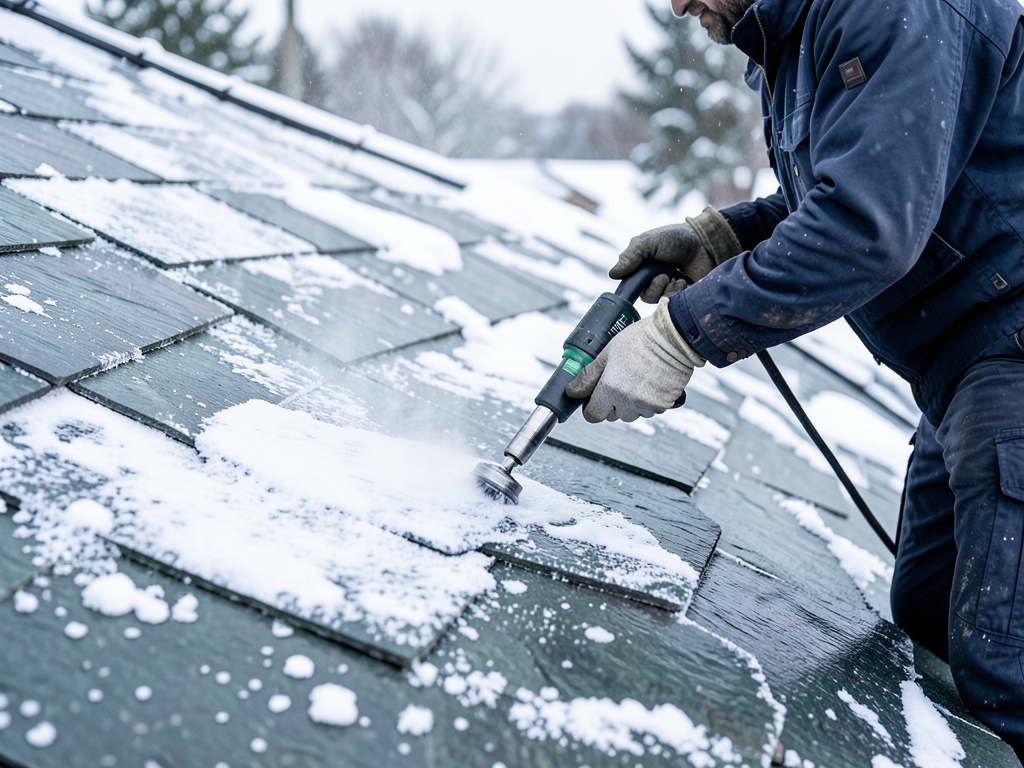
Boston experiences an average of 40 freeze-thaw cycles per winter. Water penetrates small gaps in shingles during the day, freezes overnight when temperatures drop, and expands by nine percent. That expansion forces shingles apart, widens cracks in flashing, and pops nail heads. By spring, what looked like a small problem becomes a major leak. This homeowner roofing manual focuses on materials and installation techniques that resist this cycle. Proper ice and water shield placement stops water before it reaches the roof deck. High-quality shingles with reinforced mats resist tearing when ice forms underneath them.

Boston roofing contractors who understand these conditions install roofs differently than crews from warmer climates. We use six nails per shingle instead of four in high-wind zones near the coast. We extend ice and water shield coverage beyond code minimums because we know how ice dams form on Boston roofs. We source materials rated for freeze-thaw resistance, not just the cheapest option available. Choosing a local crew means choosing someone who has repaired the damage caused by shortcuts. We know what fails, so we build it right the first time.

Roofing Services in The Boston Area

We are proud to be a locally rooted business serving the entire Greater Boston area, from the North End to the South Shore, and all surrounding communities. Our centrally located office ensures we can rapidly deploy our expert crews for everything from routine repairs in Cambridge to full installations in Quincy. Use the interactive map below to see our main location and confirm that your property is within our primary service area. We look forward to connecting with you soon for your next reliable roofing project!

Address:
Silverline Roofing Boston, 100 Cambridge St, Boston, MA, 02114

Additional Services We Offer

Our news updates

Latest Articles & News from The Blogs

Why Your Large Chimney in Concord Needs a Roof Cricket to Prevent Water Pooling If you own a home in…

Why your large chimney in Concord needs a roof cricket to prevent water pooling

Why Your Large Chimney in Concord Needs a Roof Cricket to Prevent Water Pooling If you own a home in…

Navigating the strict historic roofing requirements for homes in Salem

Navigating the strict historic roofing requirements for homes in Salem Salem’s historic districts enforce some of Massachusetts’ most rigorous preservation…

Why you might have roof leaks on sunny winter days in your Stoneham attic

Why you might have roof leaks on sunny winter days in your Stoneham attic \n\n Stoneham homeowners often report water…

Contact Us

Call Silverline Roofing Boston at (857) 387-1711 for a complete roof inspection. We will assess your current roof condition, explain what needs attention, and provide a written estimate. No obligation, just honest advice from Boston roofing experts who know this climate.