
Ways Modern Roof Insulation Can Lower Your Monthly Cooling Bills in the Densely Packed North End
Living in Boston’s North End means dealing with summer heat trapped between brick buildings and narrow streets. Modern roof insulation can cut your cooling costs by 15-25% while keeping your home comfortable during the city’s hottest months. The right insulation materials and installation methods make a real difference in this historic neighborhood where buildings share walls and heat builds up quickly.. Read more about How high humidity in Boston summers affects your new roof installation.
Understanding Heat Gain in Dense Urban Areas
The North End’s dense layout creates a heat island effect where buildings absorb and retain heat throughout the day. Dark roofing materials, limited airflow between structures, and shared walls all contribute to higher indoor temperatures. Modern insulation works by creating a thermal barrier that slows heat transfer, keeping conditioned air inside and outdoor heat outside. Why Metal Roofing is Becoming a Top Choice for Coastal East Boston Homes.
Traditional insulation in many North End homes was designed for winter heating rather than summer cooling. These older materials often have lower R-values and can settle over time, creating gaps where heat sneaks through. Upgrading to modern insulation with higher R-values addresses both seasonal concerns.

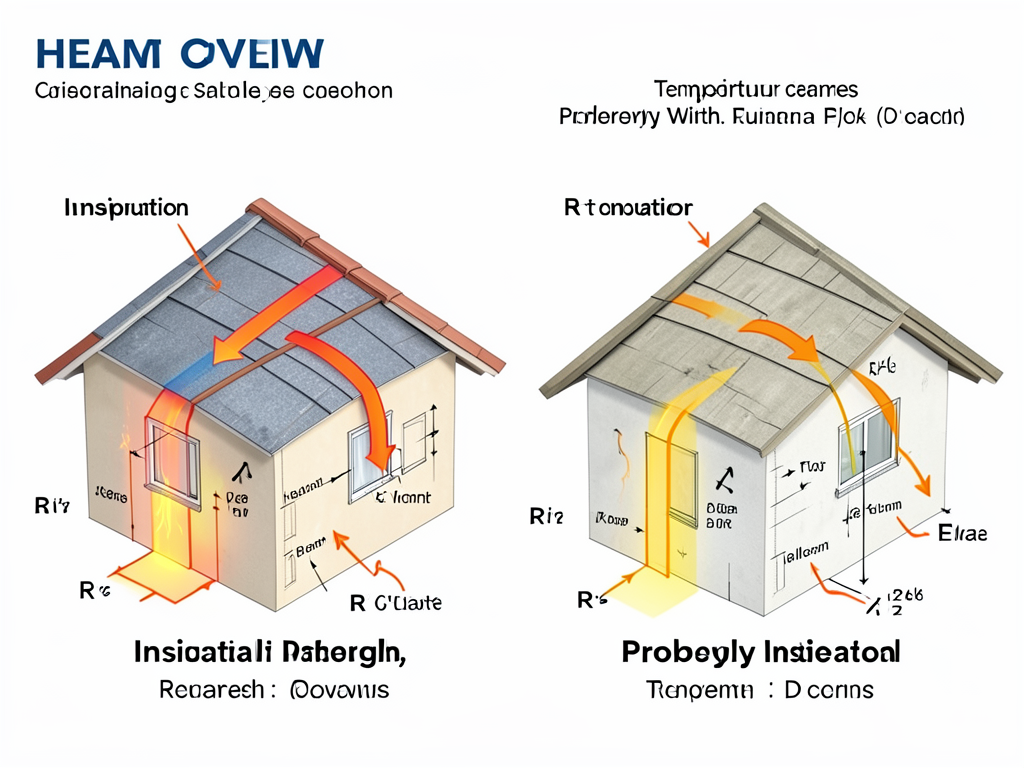
Diagram showing heat flow through an uninsulated roof versus a properly insulated roof with labeled R-values and temperature differences.
Modern Insulation Materials for Boston’s Climate
Several insulation types work well for North End homes, each with different properties and installation methods. Spray foam insulation expands to fill gaps and creates an air seal, making it excellent for irregular attic spaces common in older buildings. The closed-cell variety provides both insulation and moisture resistance.
Blown-in cellulose insulation uses recycled paper treated for fire resistance. It works well for adding insulation to existing walls without major demolition. This material settles into tight spaces and provides good sound dampening between attached buildings.
Rigid foam board insulation offers high R-value per inch and works well for flat roof applications. Many North End buildings have flat or low-slope roofs where rigid foam can be installed directly under roofing materials. This creates a continuous insulation layer that eliminates thermal bridging. The Best Roofing Strategies for Multi-Family Property Owners in Savin Hill.
| R-Value per Inch | Best Applications | Installation Method | |
|---|---|---|---|
| Closed-cell Spray Foam | R-6 to R-7 | Attics, walls, irregular spaces | Professional spray application |
| Blown-in Cellulose | R-3.2 to R-3.8 | Existing walls, attics | Blown through drilled holes |
| Polyiso Rigid Foam | R-6 to R-6.5 | Flat roofs, continuous layers | Board installation |
Building Code Requirements for Boston Insulation
The Massachusetts State Building Code (780 CMR) requires specific R-values based on climate zones. Boston falls in Zone 5, requiring R-49 to R-60 for attic insulation. The International Energy Conservation Code (IECC) sets these standards to ensure energy efficiency across different climate regions. Mass Save energy efficiency program.
Local inspectors verify insulation depth and coverage during renovation projects. They use specialized probes to check that insulation meets minimum thickness requirements. Building permits are required for major insulation upgrades, and work must pass final inspection before completion.
Older North End buildings may have had minimal insulation installed decades ago. Current codes require bringing insulation up to modern standards when walls are opened for other renovations. This creates opportunities to improve energy efficiency while maintaining the building’s historic character. Bringing Natural Light into Your South End Attic with Custom Skylights.
Cost Savings and Return on Investment
Most Boston homeowners see 15-25% reduction in cooling costs after proper insulation upgrades. The actual savings depend on your home’s current insulation level, the materials chosen, and your cooling system efficiency. Homes with minimal existing insulation see the biggest improvements.
Payback periods typically range from 3 to 5 years for insulation projects. Factors affecting ROI include local energy rates, climate severity, and whether you qualify for utility rebates. Mass Save offers rebates that can cover 20-50% of insulation costs for qualifying homes.
Beyond direct energy savings, proper insulation extends HVAC system life by reducing runtime. Your air conditioner won’t need to work as hard to maintain comfortable temperatures, leading to fewer repairs and longer replacement intervals. 24/7 Emergency Roof Repair.
Mass Save Program Benefits
Mass Save provides significant financial incentives for insulation upgrades in Boston. The program offers no-cost home energy assessments to identify improvement opportunities. Certified energy specialists use thermal imaging cameras to spot heat loss areas and recommend specific solutions.
Rebates vary by insulation type and project scope. Homeowners can receive up to $4,000 in rebates for comprehensive insulation projects. The program also offers 0% financing for larger projects, making upgrades more affordable.
To qualify for Mass Save rebates, work must be performed by approved contractors. These professionals understand local building codes and can handle the necessary paperwork for incentive programs. They also provide detailed energy analysis showing expected savings from proposed upgrades.
Technician using thermal imaging camera to identify heat loss areas in an attic during an energy assessment.
Installation Process and Timeline
Professional insulation installation typically takes 1-2 days for most North End homes. The process starts with a thorough inspection to identify existing insulation, moisture issues, and ventilation needs. Technicians measure attic spaces and check for air leaks around penetrations.
Preparation involves sealing air leaks around chimneys, plumbing vents, and electrical fixtures. This air sealing step is crucial for maximizing insulation effectiveness. Any existing damaged insulation is removed, and moisture issues are addressed before new materials are installed.
Installation methods vary by material. Spray foam requires specialized equipment and protective gear. Blown-in materials need proper density checks to ensure even coverage. Rigid foam installation requires careful sealing of joints to prevent thermal bridging.
Ventilation Considerations
Proper attic ventilation works with insulation to control temperature and moisture. Without adequate ventilation, insulation can trap moisture, leading to mold growth and reduced effectiveness. North End homes need balanced intake and exhaust ventilation to maintain healthy attic conditions.
Soffit vents allow cool air to enter the attic while ridge vents or gable vents provide exhaust paths. This airflow pattern keeps attic temperatures closer to outdoor temperatures, reducing the load on your cooling system. Ventilation also prevents ice dam formation during winter months.
Many older North End buildings lack proper ventilation systems. Adding ventilation during insulation upgrades improves year-round comfort and protects the roof structure from moisture damage. Building codes require minimum ventilation ratios based on attic floor area.
Common Insulation Problems in Urban Settings
Older North End buildings often have insulation issues specific to urban environments. Shared walls can create thermal bridges where heat transfers between connected buildings. Party walls may have different insulation levels, creating uneven temperature zones within connected structures.
Moisture problems frequently occur in dense urban areas where buildings create their own microclimates. Poor drainage, limited sunlight exposure, and restricted airflow all contribute to moisture accumulation. Modern insulation materials with moisture resistance help address these challenges.
Pest intrusion represents another urban-specific concern. Rodents and insects can damage insulation and create entry points for outside air. Professional installation includes sealing potential entry points and using pest-resistant materials where appropriate.
Energy Efficiency Beyond Insulation
While insulation provides the foundation for energy efficiency, other upgrades multiply the benefits. Air sealing around windows, doors, and utility penetrations prevents drafts and heat transfer. Many North End homes have original windows that allow significant air leakage.
Reflective roofing materials can reduce heat absorption by up to 30% compared to traditional dark roofing. Cool roof coatings or light-colored shingles work well in urban heat island environments. These materials reflect solar radiation before it can heat your home’s interior. Roofing Quincy.
Smart thermostats optimize cooling system operation based on your schedule and preferences. They learn your patterns and adjust temperatures automatically, reducing energy waste when you’re away or sleeping. Combined with proper insulation, smart controls maximize efficiency.
Environmental Impact and Sustainability
Modern insulation upgrades reduce your carbon footprint by decreasing energy consumption. The U.S. Department of Energy estimates that proper insulation can reduce household energy use by 20-30%. This translates to lower greenhouse gas emissions from power plants and reduced strain on the electrical grid. U.S. Department of Energy insulation guide.
Many insulation materials now contain recycled content. Cellulose insulation uses 75-85% recycled paper, while some foam products incorporate recycled plastic. These sustainable materials reduce landfill waste while providing excellent thermal performance.
Long-lasting insulation means fewer replacement cycles and less waste over time. Quality installation ensures materials perform at their rated efficiency for the full expected lifespan, typically 20-30 years for most insulation types.
Before and after comparison showing attic temperature reduction after insulation upgrade, with thermal imaging overlays highlighting improved thermal performance.
Choosing the Right Contractor
Professional installation ensures insulation performs as designed. Look for contractors with specific experience in urban Boston properties and historic building renovations. They should understand the unique challenges of working in dense neighborhoods with limited access and strict building codes.
Verify contractor licensing through the Massachusetts Board of Building Regulations and Standards. Ask about specific experience with your building type and request references from similar projects in the North End. Professional contractors provide detailed proposals with material specifications and installation methods.
Quality contractors use thermal imaging to verify coverage and identify missed areas. They also test for proper air sealing and provide documentation of completed work. This attention to detail ensures you receive the full energy savings potential from your investment.
Maintenance and Long-Term Performance
Insulation requires minimal maintenance but benefits from periodic inspection. Check for signs of moisture damage, pest intrusion, or settling every few years. Address any roof leaks promptly, as water can quickly damage insulation and reduce its effectiveness.
Attic access points should remain sealed but accessible for inspection. Weatherstripping around access doors prevents air leakage while allowing future maintenance. Keep attic vents clear of debris to maintain proper airflow and prevent moisture buildup.
Document your insulation improvements for future reference. This information helps when selling your home and provides valuable context for any future energy efficiency upgrades. Many buyers appreciate knowing a home has modern, efficient insulation.
Frequently Asked Questions
How much can I save on cooling bills with new insulation?
Most Boston homeowners see 15-25% reduction in cooling costs after proper insulation upgrades. Homes with minimal existing insulation may see savings up to 30% or more.
Is insulation noisy to install?
Installation noise varies by method but is typically limited to 1-2 days. Spray foam application involves some noise from equipment, while blown-in materials are relatively quiet. Contractors work efficiently to minimize disruption.
Can I install insulation myself?
While DIY installation is possible for some materials, professional installation ensures proper coverage, air sealing, and code compliance. Professionals also handle permits and understand building science principles that maximize effectiveness.
How long does new insulation last?
Quality insulation typically lasts 20-30 years with minimal degradation. Factors affecting lifespan include moisture exposure, pest activity, and physical damage. Modern materials resist settling and moisture better than older products.
Will insulation help with winter heating too?
Yes. Modern insulation provides year-round benefits by reducing heat transfer in both directions. You’ll see improved comfort and lower heating costs during Boston’s cold winters while also reducing cooling costs in summer.
Take Control of Your Energy Costs Today
Modern roof insulation represents one of the smartest investments you can make for your North End home. The combination of lower energy bills, improved comfort, and increased property value makes it a compelling upgrade for any homeowner.
Mass Save rebates and 0% financing options make this improvement more affordable than ever. Professional installation ensures you receive the full benefits of modern insulation technology while maintaining your home’s historic character.
Don’t let another summer of high cooling bills pass by. Call (857) 387-1711 today to schedule your free energy assessment and learn how modern insulation can transform your home’s comfort and efficiency. Our team understands the unique needs of Boston’s historic neighborhoods and can recommend solutions that preserve your home’s character while delivering modern performance.
Ready to start saving? Pick up the phone and call (857) 387-1711 before the next heat wave hits. We’ll help you choose the right insulation materials and handle all the details from assessment to final inspection. Your comfort and energy savings are just one call away.
{
“@context”: “https://schema.org”,
“@type”: “BlogPosting”,
“headline”: “Ways Modern Roof Insulation Can Lower Your Monthly Cooling Bills in the Densely Packed North End”,
“description”: “Discover how modern roof insulation cuts cooling costs in Boston’s North End. Learn about R-values, materials, and local incentives to maximize energy savings.”,
“wordCount”: 2021,
“datePublished”: “2026-05-10T09:49:00.000Z”,
“dateModified”: “2026-05-10T09:49:00.000Z”,
“inLanguage”: “en-US”,
“mainEntityOfPage”: {
“@type”: “WebPage”,
“@id”: “https://silverlineroofingboston.com”
},
“publisher”: {
“@type”: “LocalBusiness”,
“name”: “Silverline Roofing Boston”,
“url”: “https://silverlineroofingboston.com”
},
“author”: {
“@type”: “Organization”,
“name”: “Silverline Roofing Boston”,
“url”: “https://silverlineroofingboston.com”
},
“image”: {
“@type”: “ImageObject”,
“url”: “https://silverlineroofingboston.com/wp-content/uploads/2026/03/ways-modern-roof-insulation-can-lower-your-monthly-1.png”
}
}
{
“@context”: “https://schema.org”,
“@type”: “RoofingContractor”,
“name”: “Silverline Roofing Boston”,
“url”: “https://silverlineroofingboston.com”,
“address”: {
“@type”: “PostalAddress”,
“addressLocality”: “Boston”
},
“areaServed”: {
“@type”: “City”,
“name”: “Boston”
}
}
{
“@context”: “https://schema.org”,
“@type”: “FAQPage”,
“mainEntity”: [
{
“@type”: “Question”,
“name”: “How much can I save on cooling bills with new insulation?”,
“acceptedAnswer”: {
“@type”: “Answer”,
“text”: “Most Boston homeowners see 15-25% reduction in cooling costs after proper insulation upgrades. Homes with minimal existing insulation may see savings up to 30% or more.”
}
},
{
“@type”: “Question”,
“name”: “Is insulation noisy to install?”,
“acceptedAnswer”: {
“@type”: “Answer”,
“text”: “Installation noise varies by method but is typically limited to 1-2 days. Spray foam application involves some noise from equipment, while blown-in materials are relatively quiet. Contractors work efficiently to minimize disruption.”
}
},
{
“@type”: “Question”,
“name”: “Can I install insulation myself?”,
“acceptedAnswer”: {
“@type”: “Answer”,
“text”: “While DIY installation is possible for some materials, professional installation ensures proper coverage, air sealing, and code compliance. Professionals also handle permits and understand building science principles that maximize effectiveness.”
}
},
{
“@type”: “Question”,
“name”: “How long does new insulation last?”,
“acceptedAnswer”: {
“@type”: “Answer”,
“text”: “Quality insulation typically lasts 20-30 years with minimal degradation. Factors affecting lifespan include moisture exposure, pest activity, and physical damage. Modern materials resist settling and moisture better than older products.”
}
},
{
“@type”: “Question”,
“name”: “Will insulation help with winter heating too?”,
“acceptedAnswer”: {
“@type”: “Answer”,
“text”: “Yes. Modern insulation provides year-round benefits by reducing heat transfer in both directions. You’ll see improved comfort and lower heating costs during Boston’s cold winters while also reducing cooling costs in summer.”
}
}
]
}
{
“@context”: “https://schema.org”,
“@type”: “BreadcrumbList”,
“itemListElement”: [
{
“@type”: “ListItem”,
“position”: 1,
“name”: “Home”,
“item”: “https://silverlineroofingboston.com”
},
{
“@type”: “ListItem”,
“position”: 2,
“name”: “Blog”,
“item”: “https://silverlineroofingboston.com/blog”
},
{
“@type”: “ListItem”,
“position”: 3,
“name”: “Ways Modern Roof Insulation Can Lower Your Monthly Cooling Bills in the Densely Packed North End”
}
]
}
{
“@context”: “https://schema.org”,
“@type”: “Service”,
“serviceType”: “Roofing”,
“provider”: {
“@type”: “LocalBusiness”,
“name”: “Silverline Roofing Boston”,
“url”: “https://silverlineroofingboston.com”
},
“areaServed”: {
“@type”: “City”,
“name”: “Boston”
},
“description”: “Discover how modern roof insulation cuts cooling costs in Boston’s North End. Learn about R-values, materials, and local incentives to maximize energy savings.”
}